Introduction
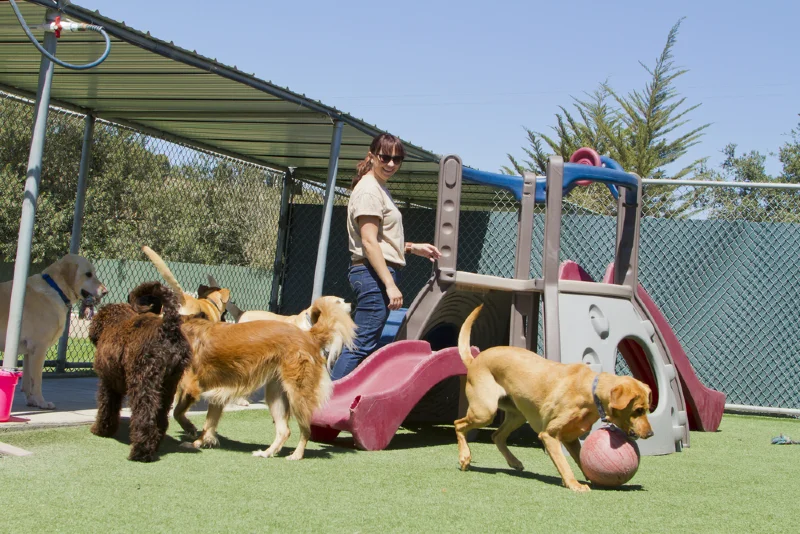
Doggy day care kent town provides structured daytime supervision, structured socialization, and environmental enrichment for urban domestic canines. According to the American Animal Hospital Association (AAHA), high-quality facility-based enrichment programs significantly decrease destructive stress-related behaviors by fulfilling a dog’s fundamental cognitive and physical output needs. Maintaining rigorous operational standards ensures that group play remains safe, psychologically beneficial, and physically stimulating for every attending canine participant. Integrating professional day care services into a broader Dog Care routine requires understanding canine group dynamics, health screening protocols, and individualized behavioral management. Comprehensive oversight prevents infectious disease transmission, minimizes canine stress, and supports optimal physical conditioning for pets in densely populated metropolitan settings.
Pet Wellness & Behavior Snapshot:
- Core Focus: Professional daytime supervision, structured canine socialization, and physical enrichment in metropolitan environments.
- Target Scope: Urban pet parents seeking safe behavioral outlets and consistent daily care for domesticated dogs.
- Key Recommendation: Require comprehensive behavioral evaluations and up-to-date vaccination records prior to group facility admission.
Core Principles and Detailed Overview
Professional facility management relies on maintaining strict behavioral ratios, optimal air exchange rates, and rigorous sanitation protocols to safeguard resident and visiting canines. Understanding Dog Behavior allows facility attendants to recognize early physiological signs of over-arousal, such as whale eye, stiffening postures, and excessive displacement behaviors, before conflicts arise in play yards. Staff members must intervene immediately when play styles become predatory or hyper-fixated, utilizing positive redirection and mandatory rest periods to prevent cortisol accumulation. Facilities must separate dogs by size, play style, and energy level to accommodate senior animals, athletic sporting Dog Breeds, and sensitive juveniles safely. Proper nutritional management must also be maintained for animals requiring midday meals, keeping fasting schedules aligned with active play windows to minimize the clinical risk of gastric dilation-volvulus.
Key Specifications and Breakdown
| Observed Indicator / Factor | Veterinary & Behavioral Explanation | Actionable Management Protocol |
|---|---|---|
| Panting and Lip Licking | Early indicators of elevated social stress, sensory overload, or thermal fatigue during group interaction. | Remove the dog from the general play yard for a 15-minute quiet resting period in an individual crate. |
| Stiff Posture and Fixation | Pre-aggression indicators demonstrating heightened autonomic nervous system arousal and defensive intent. | Interrupt the gaze instantly with a verbal cue or physical block, then redirect the animal toward an independent task. |
| Vaccination and Parasite Status | Communal housing environments increase exposure risks to infectious respiratory pathogens and internal parasites. | Enforce mandatory annual immunizations, bi-annual fecal screenings, and continuous ectoparasite prevention. |
Facilities must maintain comprehensive vaccination verification, routine parasite control, and continuous environmental sanitation to prevent the transmission of canine infectious respiratory disease complexes and zoonotic pathogens. — American Veterinary Medical Association (AVMA). Related guide: Boarding For Unneutered Male Dogs.
Step-by-Step Practical Application and Guidelines
Implementing a successful day care routine begins with a thorough temperament assessment administered by trained behavioral technicians before full-day enrollment is permitted. Pet parents must prepare their animals by establishing reliable crate training, basic obedience cues, and positive associations with separation from human family members. Regular monitoring of the animal’s physical recovery is essential, ensuring that chronic joint pain or soft tissue injuries are addressed through appropriate Dog Health interventions rather than masked by excessive exercise. Dietary schedules should be coordinated with facility supervisors to ensure that specialized raw or commercial Dog Nutrition plans are administered with strict adherence to digestion-rest intervals. Finally, pet parents must evaluate their dog’s evening demeanor at home; an animal displaying chronic exhaustion, irritability, or reluctance to return to the facility requires a modified attendance schedule or alternative Dog Training support.
Common Challenges and How to Avoid Them
Chronic over-arousal, separation anxiety escalation, and communicable illness transmission represent the primary challenges encountered within communal canine care environments. Facility operators and pet parents must avoid placing immature puppies or fear-reactive adults into unrestricted, high-density play groups where subtle stress signals are frequently overlooked by staff. Implementing structured rotation schedules ensures that no single animal remains in active group play for consecutive hours without mandatory periods of sensory deprivation and rest. Caregivers should consistently review health logs and behavioral notes provided by the facility staff, adjusting home routines promptly if the animal exhibits behavioral regression, sleep disruption, or unexplained weight fluctuations.
💬 Frequently Asked Questions
Explore More Pet Care and Animal Health Guides on PetsAnimalsWorld
Optimizing companion animal welfare requires continuous education regarding behavioral science, preventive medicine, and individualized environmental enrichment strategies. Caregivers seeking comprehensive resources to support lifelong canine health can explore specialized guides and expert recommendations across the library at Pets Animals World.
Visual Reference Gallery