Understanding Essential Dog Care Requirements for Lifelong Canine Wellness
According to the American Veterinary Medical Association, proactive preventive medicine and daily environmental enrichment form the cornerstone of sustainable animal welfare. Meeting fundamental dog care requirements involves balancing proper nutrition, routine veterinary oversight, mental stimulation, and physical maintenance to support long-term vitality. Dogs depend entirely on human stewardship for their daily survival and emotional security. Navigating these responsibilities successfully requires a clear understanding of canine biology, behavioral science, and practical husbandry.
💡 Pet Care Key Takeaways:
- Core Focus: Practical health, nutrition, and wellness guidelines for Dog Care Requirements.
- Target Scope: Pet owners, animal caregivers, and veterinary support staff.
- Best Recommendation: Maintain consistent daily routines and consult an accredited veterinarian before introducing major diet or medical changes.
Defining Core Dog Care Requirements in Modern Practice
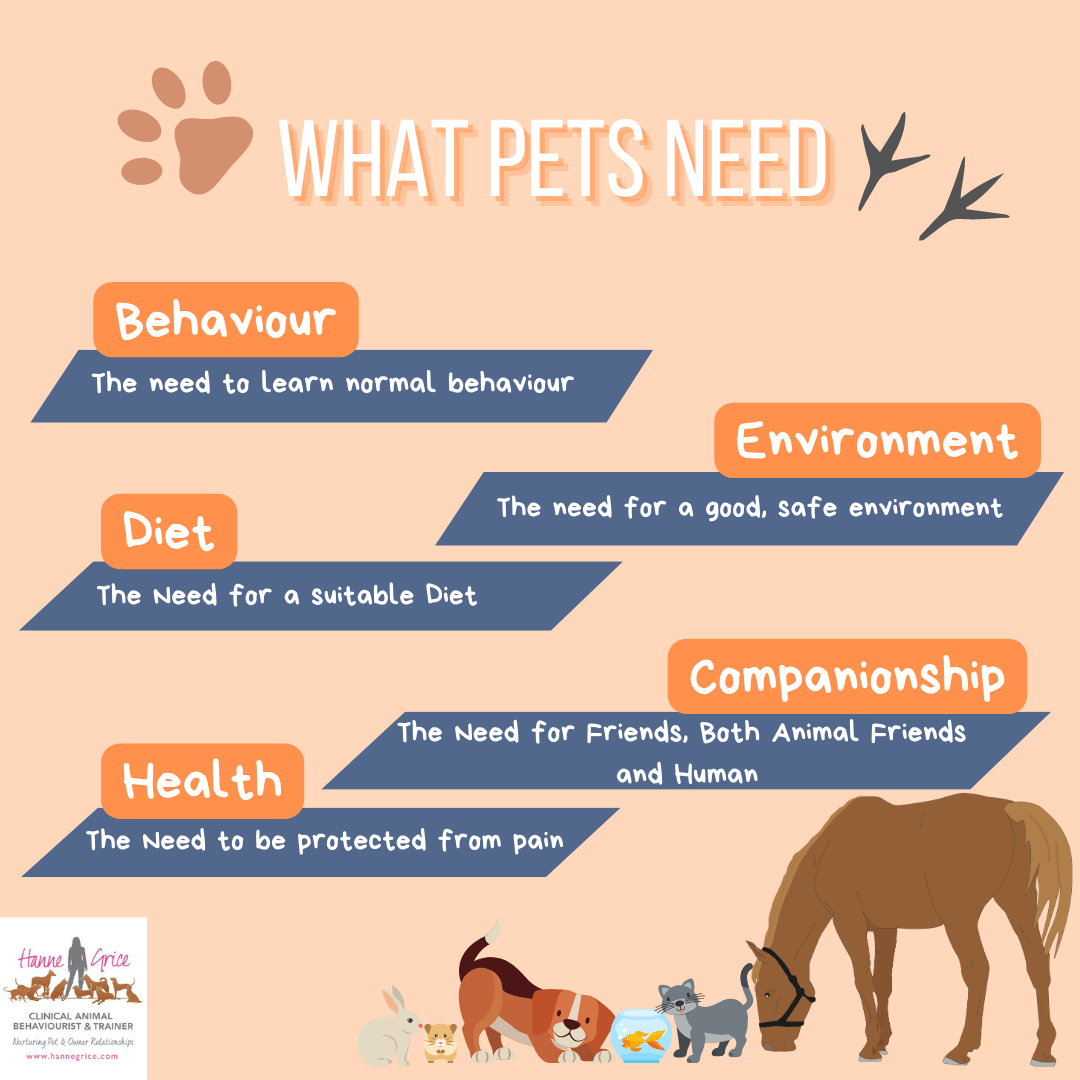
Comprehensive dog care requirements encompass the full spectrum of physical, physiological, and psychological necessities that keep a companion animal thriving throughout every life stage. These parameters extend far beyond basic feeding and shelter, moving into structured Dog Nutrition, regular physical exercise, and attentive Dog Health monitoring. Modern veterinary perspectives emphasize that physical health is deeply intertwined with mental well-being. A neglected environmental requirement can quickly manifest as physiological stress or disruptive household behaviors, highlighting the interconnected nature of daily management.
Evaluating the Impact of Comprehensive Care on Canine Health
Fulfilling daily dog care requirements directly influences immune function, metabolic health, and behavioral stability across a dog’s lifespan. Preventative protocols such as routine dental hygiene, parasite prevention, and balanced caloric intake reduce the incidence of chronic systemic diseases. Conversely, erratic schedules, poor nutritional profiles, and inadequate socialization frequently lead to avoidable medical conditions or escalating behavioral issues. Consistent routines offer a predictable framework that minimizes anxiety and promotes physiological homeostasis.
Routine veterinary evaluations and consistent preventative care protocols significantly reduce the incidence of preventable systemic illnesses in domestic dogs. — American Veterinary Medical Association
Implementing Structured Management and Daily Care Routines
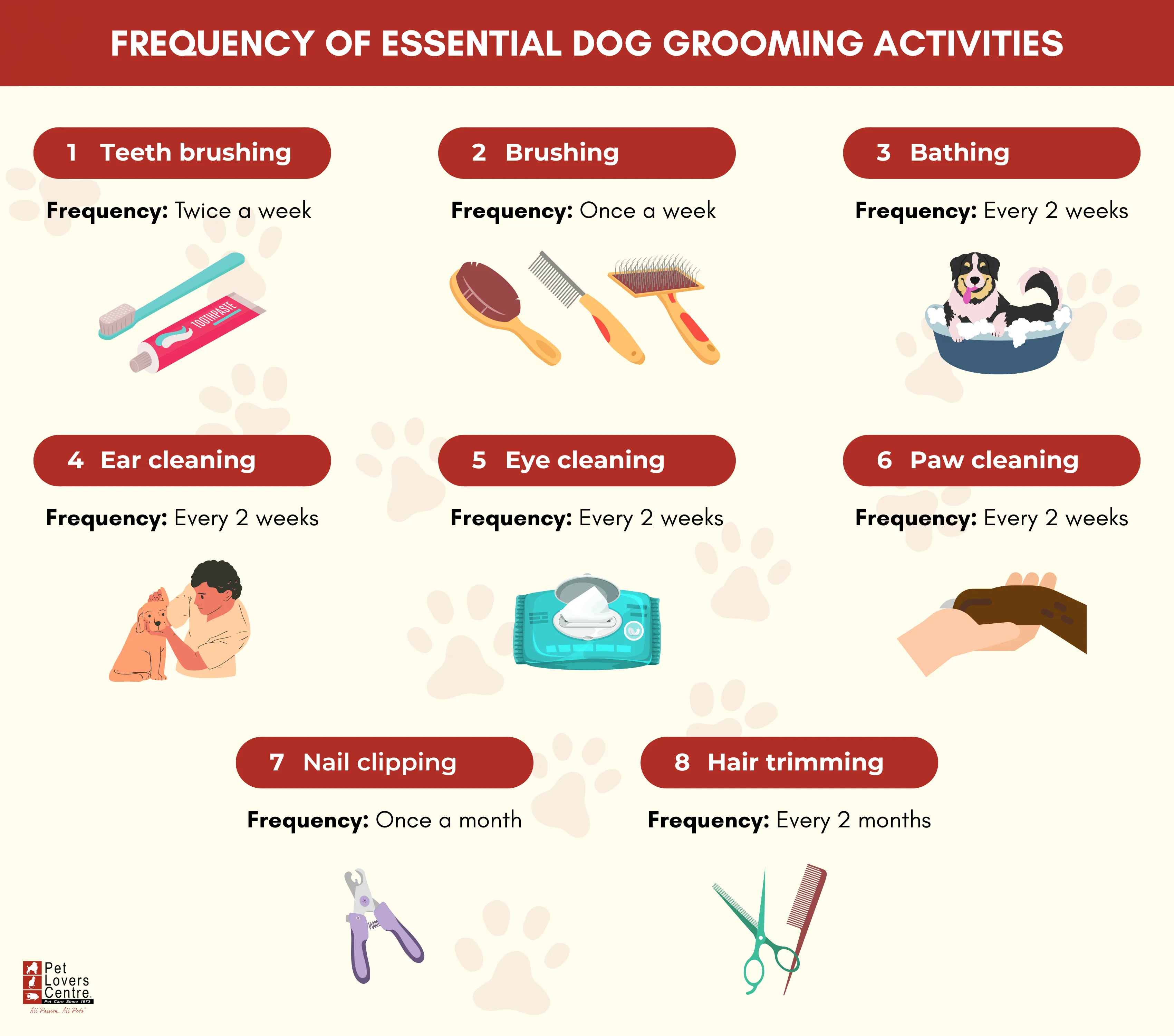
Establishing predictable daily routines is the most effective method for meeting essential dog care requirements in a household environment. Consistent schedules for feeding, elimination breaks, and rest periods help regulate internal biological clocks and reduce everyday stress. Furthermore, maintaining an organized living space minimizes potential hazards, ensuring the environment remains physically safe for exploration. Structured environmental enrichment, such as puzzle feeders and interactive play, satisfies innate predatory sequences without encouraging chaotic household habits.
Best Practices and Common Pitfalls in Everyday Canine Husbandry
Balancing daily affection with clear boundaries establishes a secure environment that prevents confusion and anxiety. A frequent pitfall in domestic settings involves underestimating the caloric density of treats, which can inadvertently contribute to canine obesity and subsequent joint stress. Additionally, relying exclusively on yard turnout rather than interactive walking deprives animals of crucial olfactory exploration and mental stimulation. Integrating positive reinforcement and structured Dog Training sessions strengthens the human-animal bond while reinforcing household cooperation.
Canine obesity remains one of the most prevalent nutritional disorders managed in clinical veterinary medicine, largely resulting from unmonitored caloric intake. — Association for American Feed Control Officials
Pet Care & Wellness Overview Table
| Life Stage | Daily Activity Level | Key Nutrition / Care Focus |
|---|---|---|
| Puppy / Kitten | High (frequent short bursts) | High-protein growth diet & early socialization |
| Adult Companion | Moderate (30–60 mins daily) | Balanced maintenance nutrition & dental hygiene |
| Senior Pets | Low to Gentle (mindful walks) | Joint support (Glucosamine) & routine vet checks |
Images References







Adapting Care Protocols for Breed, Age, and Individual Temperament
Specific dog care requirements vary significantly depending on genetic heritage, physical maturity, and individual behavioral predispositions. Exploring detailed Dog Breeds profiles reveals why working groups often require intense physical tasks, while companion breeds may prioritize close human contact and moderate pacing. Senior dogs face distinct physiological changes, including joint degeneration and cognitive decline, which necessitate orthopedic bedding and modified exercise regimens. Understanding individual temperament ensures that training and socialization methodologies match the emotional capacity of the specific animal.
Recognizing When to Consult a Veterinary Professional or Behaviorist
Prompt professional intervention is essential whenever sudden behavioral shifts, persistent lethargy, or unexplained physical discomfort occur within a household. For suspected poisoning, difficulty breathing, seizures, collapse, severe bleeding, or other potentially urgent conditions, owners must seek immediate veterinary care without delay. Never attempt to induce vomiting, administer human medication, or apply home remedies for suspected toxic ingestion unless specifically directed by a licensed veterinary professional. For persistent aggression, fear, or profound anxiety, families should consult a qualified, appropriately certified professional or veterinary behaviorist utilizing humane, evidence-based methods.
Conclusion and Ongoing Support for Responsible Owners
Fulfilling comprehensive dog care requirements demands continuous dedication, patience, and an openness to evolving veterinary and behavioral science. By prioritizing structured routines, preventative medicine, and humane management, owners cultivate a balanced and fulfilling life for their canine companions. Exploring additional resources on Dog Care and related topics at PetsAnimalsWorld.com helps ensure continued access to reliable, up-to-date guidance for every stage of the journey.