Providing comprehensive care for a canine companion requires an understanding of both local environmental factors and universal animal welfare standards. In urban centers like Zurich, where high-density living and shared public spaces are the norm, the responsibilities of a pet guardian extend beyond basic feeding and exercise. According to the American Veterinary Medical Association (AVMA), responsible pet ownership involves a commitment to providing for the animal’s physical and behavioral needs throughout its lifetime, including veterinary care, nutrition, and environmental enrichment. Adapting to a city environment involves balancing the dog’s natural instincts with the regulations and social expectations of a bustling Swiss metropolis.
💡 Pet Care Key Takeaways:
- Core Focus: Practical health, nutrition, and wellness guidelines for Dog Care Zurich.
- Target Scope: Pet owners, animal caregivers, and veterinary support staff.
- Best Recommendation: Maintain consistent daily routines and consult an accredited veterinarian before introducing major diet or medical changes.
Understanding the Components of Local Dog Care
Dog care in Zurich encompasses the integration of a canine into a structured urban lifestyle while adhering to specific Swiss animal welfare laws, such as mandatory registration and ongoing education requirements. This practice involves ensuring that the animal is well-adjusted to public transit, crowded pedestrian areas, and the proximity of other pets. Proper care in this context relies on proactive management of the dog’s environment, ensuring that the animal remains calm and responsive to commands in various social settings. It also necessitates a thorough understanding of the local climate, which dictates specific needs regarding coat maintenance during humid summers and cold, damp winters.
The Impact of Urban Living on Canine Wellbeing
Urban living significantly impacts a dog’s health and behavior, requiring guardians to prioritize mental stimulation and controlled social exposure. Dogs residing in cities are frequently exposed to high-traffic noise, diverse urban scents, and varied surfaces that can affect paw health and stress levels. Consistent engagement with Dog Behavior principles helps mitigate the risks of overstimulation, which is a common concern for pets living in densely populated environments. By focusing on positive reinforcement and predictable routines, guardians can help their pets maintain a balanced emotional state, which is essential for long-term health and preventing common behavioral issues like separation anxiety or leash reactivity.
The American Veterinary Medical Association emphasizes that animals require regular veterinary check-ups, including physical examinations and vaccinations, to maintain optimal health and prevent the spread of infectious diseases. — American Veterinary Medical Association (AVMA)
Establishing Effective Care and Training Routines
Managing a dog in Zurich effectively requires a focus on consistent training, proper nutrition, and regular physical activity tailored to the individual animal’s energy levels. Training sessions should prioritize foundational commands that enhance safety in public spaces, such as reliable recall and the ability to settle quietly in restaurants or on public transport. For those seeking structured guidance, exploring Dog Training resources can provide the necessary tools to build a strong bond based on mutual respect and clear communication. Nutrition also plays a critical role, and owners should monitor caloric intake to prevent obesity, particularly if the dog’s activity level changes seasonally due to weather conditions.
Best Practices for Urban Pet Management
Successful urban pet management relies on avoiding common pitfalls such as lack of socialization or failure to adhere to leash laws in sensitive areas. One essential practice involves gradual desensitization to urban stimuli, such as bicycle bells, construction noise, and large crowds, which should be introduced at a pace that keeps the dog comfortable. Owners should also remain vigilant regarding the surfaces on which the dog walks, as road salt used in winter can be irritating or toxic if ingested during grooming. Always prioritize the use of safe, non-punitive training aids and ensure that the dog has a quiet, comfortable space to retreat to when the urban environment becomes overwhelming.
The American Kennel Club notes that mental stimulation is just as important as physical exercise for a dog’s overall wellbeing and can help prevent boredom-related destructive behaviors. — American Kennel Club (AKC)
Pet Care & Wellness Overview Table
| Life Stage | Daily Activity Level | Key Nutrition / Care Focus |
|---|---|---|
| Puppy / Kitten | High (frequent short bursts) | High-protein growth diet & early socialization |
| Adult Companion | Moderate (30–60 mins daily) | Balanced maintenance nutrition & dental hygiene |
| Senior Pets | Low to Gentle (mindful walks) | Joint support (Glucosamine) & routine vet checks |
Images References

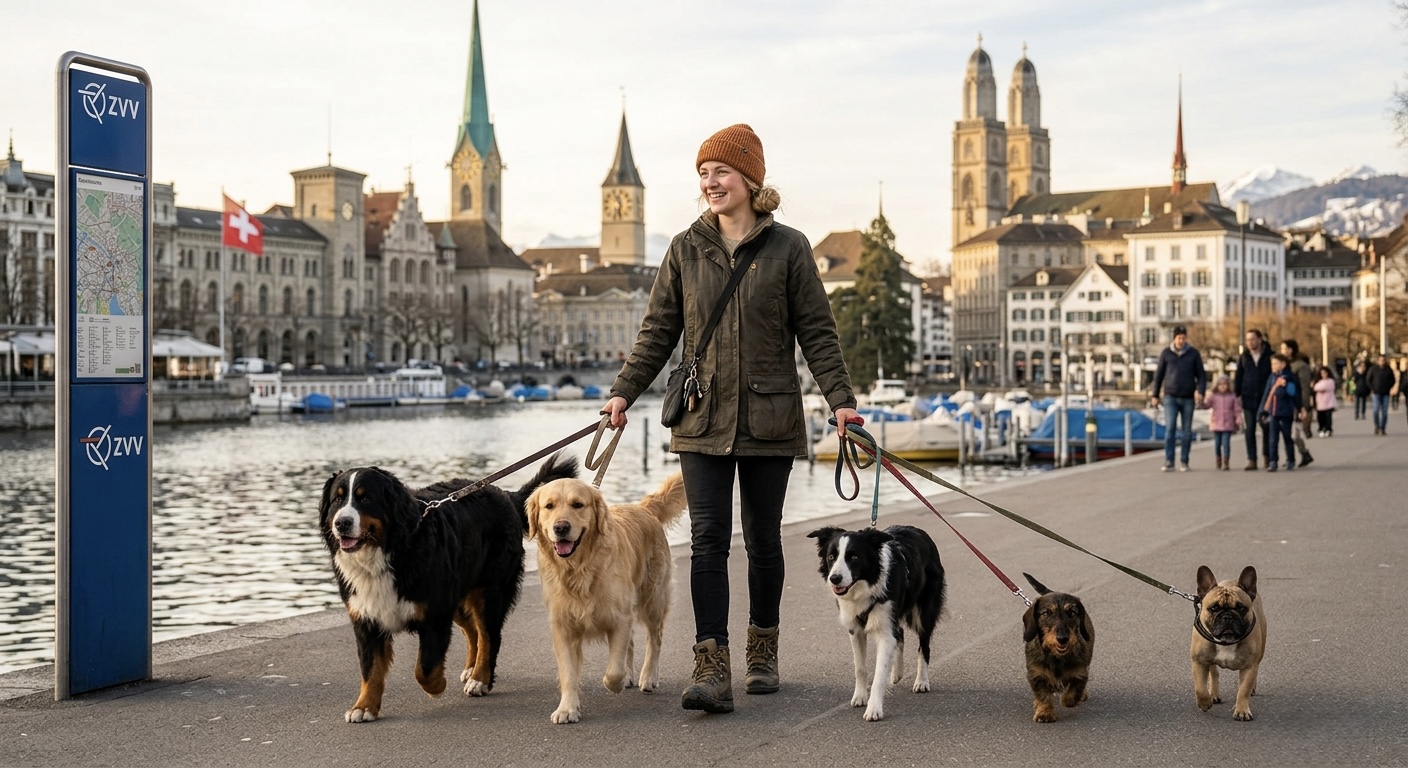




Considering Individual Breed and Life-Stage Requirements
Every dog has unique needs based on its breed, age, and temperament, which must be considered when living in a city like Zurich. High-energy working breeds may require significantly more engagement than companion breeds, even in an urban setting, to prevent frustration. Furthermore, puppies and senior dogs have distinct physiological requirements; for example, puppies need frequent, short training sessions and careful monitoring of physical growth, while seniors may require modified exercise routines and closer observation for age-related health changes. Consult Dog Breeds information to better understand the historical traits and specific predispositions of a canine companion, which can inform more personalized care decisions.
Consulting Professionals for Behavioral and Health Concerns
Professional intervention is essential whenever a dog displays sudden changes in behavior, persistent health issues, or signs of severe anxiety. A qualified veterinarian should be the first point of contact for any physical ailments, as they can perform comprehensive examinations and provide evidence-based treatment plans. For behavioral challenges, such as chronic fear or aggression, seeking the guidance of a certified professional trainer or a veterinary behaviorist is crucial. These experts provide humane, science-based strategies that address the root cause of the behavior rather than simply suppressing the symptoms, ensuring the safety and long-term welfare of the dog.
Commitment to Lifelong Canine Wellness
Providing excellent care is a rewarding journey that strengthens the bond between human and animal. By staying informed through resources at PetsAnimalsWorld.com and adhering to the guidelines found in Dog Care and Dog Health, guardians can ensure their dogs lead healthy, fulfilling lives. Dedication to regular exercise, proper nutrition, and ongoing mental enrichment remains the cornerstone of responsible pet ownership, regardless of the urban environment. Through consistent effort and professional support when needed, every dog can thrive as a well-adjusted member of the community.