

Introduction
Understanding the role of essential nutrients is paramount for maintaining optimal canine health. The concept of dog daily vitamins refers to the regular supplementation of specific vitamins and minerals beyond what a dog might obtain from its primary diet. This topic becomes particularly relevant for dog owners when considering various life stages, specific health conditions, or the nutritional adequacy of a dog’s food. Recognizing when and why these supplements might be beneficial can significantly enhance a dogs well-being, support vital bodily functions, and contribute to a higher overall quality of life. A thoughtful approach to canine nutrition, including the potential inclusion of daily vitamins, empowers owners to make informed decisions for their cherished companions.
💡 Pet Care Key Takeaways:
- Core Focus: Practical health, nutrition, and wellness guidelines for Dog Daily Vitamins.
- Target Scope: Pet owners, animal caregivers, and veterinary support staff.
- Best Recommendation: Maintain consistent daily routines and consult an accredited veterinarian before introducing major diet or medical changes.
Common Causes and Key Factors
Several factors can influence a dog’s need for daily vitamin supplementation. One primary consideration involves the dog’s diet. While many commercial dog foods are formulated to be “complete and balanced,” variations in ingredient quality, processing methods, or a dog’s individual metabolism can sometimes lead to subtle nutritional gaps. Dogs fed homemade diets are particularly susceptible to deficiencies if the recipes are not carefully balanced by a veterinary nutritionist. For more related activities, check out our Pitbullnutrition.
A dog’s life stage also plays a crucial role. Growing puppies, for instance, have higher demands for specific vitamins and minerals to support rapid development of bones, muscles, and organs. Senior dogs may experience reduced nutrient absorption, making supplementation beneficial to support aging joints, cognitive function, and immune health. Pregnant or lactating dogs require significantly increased nutrient intake to support both the mother and developing offspring.
Underlying health conditions can further necessitate daily vitamins. Dogs with chronic illnesses, digestive disorders, or those recovering from surgery may have impaired nutrient absorption or increased nutritional requirements. Certain medications can also interfere with vitamin absorption or deplete the body’s stores. Furthermore, some dog breeds may have genetic predispositions to specific deficiencies or higher needs for particular nutrients. Environmental stressors, such as intense exercise or prolonged periods of anxiety, can also impact a dog’s nutritional requirements and utilization of vitamins.
Signs and Symptoms to Observe
Observing a dog for signs that might indicate a nutritional imbalance or the need for dog daily vitamins is a key aspect of responsible pet ownership. The manifestation of these signs can vary depending on the specific deficiency, the dog’s age, breed, and overall health.
One of the most commonly observed indicators is a dull, dry, or brittle coat, often accompanied by excessive shedding or dry, flaky skin. This can suggest deficiencies in essential fatty acids and certain vitamins that support skin and coat health. Changes in energy levels, such as lethargy, decreased activity, or a reluctance to play, may point to broader nutritional deficits affecting metabolism and energy production.
Appetite changes, including pickiness, a sudden loss of interest in food, or even an unusual craving for non-food items (pica), can sometimes be linked to nutrient deficiencies. A weakened immune system, characterized by frequent infections, slow wound healing, or chronic low-grade illnesses, may signal a lack of immune-supporting vitamins.
For growing puppies and senior dogs, musculoskeletal issues such as stiffness, lameness, or difficulty rising can indicate deficiencies in vitamins and minerals vital for bone and joint health. Digestive problems like chronic diarrhea, constipation, or poor stool quality might also suggest issues with nutrient absorption or an imbalance of gut-supporting vitamins. While these signs can be indicative of many issues, including illness, considering potential nutritional shortfalls is always a valid part of the investigative process.
Practical Solutions and Management Strategies
Addressing a dog’s potential need for dog daily vitamins involves a methodical approach, beginning with a thorough assessment of the current diet and lifestyle. The first practical step often entails evaluating the quality of the dog’s primary food source. Opting for a high-quality commercial diet formulated to be “complete and balanced” for the dog’s specific life stage (puppy, adult, senior) is fundamental. These diets are typically designed to meet most nutritional requirements, reducing the need for extensive supplementation.
If supplementation is deemed necessary, selecting the right product is crucial. There are various types of dog daily vitamins available, ranging from general multivitamins to specialized supplements targeting specific areas like joint health (glucosamine, chondroitin), skin and coat (omega-3 fatty acids), or cognitive function. It is imperative to choose reputable brands that undergo rigorous testing and are specifically formulated for dogs. Products intended for human consumption can contain ingredients harmful to canines or be dosed inappropriately.
Proper dosage is another critical consideration. Over-supplementation, particularly of fat-soluble vitamins (A, D, E, K), can lead to toxicity and severe health problems. Always adhere strictly to the dosage recommendations provided by the manufacturer or, more ideally, as advised by a veterinarian. Introducing supplements gradually and observing the dog’s response can help identify any adverse reactions or determine the efficacy of the chosen product. Regular monitoring of the dogs overall health, coat condition, energy levels, and appetite allows for adjustments to the supplementation plan as needed. Supporting a dog’s health with a balanced diet, appropriate exercise, and a low-stress environment also enhances the body’s ability to utilize nutrients effectively.
When Professional Help May Be Needed
While the consideration of dog daily vitamins can be part of routine pet care, there are specific situations where professional veterinary consultation becomes essential. Any persistent or worsening health symptoms, despite dietary adjustments or the introduction of general supplements, warrants immediate veterinary attention. These signs could indicate an underlying medical condition requiring diagnosis and targeted treatment beyond nutritional support.
Owners considering feeding a homemade diet, whether raw or cooked, absolutely require guidance from a board-certified veterinary nutritionist. Balancing a homemade diet to ensure it provides all necessary vitamins, minerals, and other nutrients in appropriate proportions is complex and virtually impossible without expert formulation to prevent critical deficiencies or toxicities.
Furthermore, if a dog has been diagnosed with a specific medical condition, such as kidney disease, liver disease, or malabsorption issues, any supplementation, including daily vitamins, must be carefully managed by a veterinarian. Certain vitamins can be contraindicated or require specific dosing adjustments for dogs with compromised organ function. Concerns about potential over-supplementation, particularly if multiple supplements are being given, should also prompt a veterinary visit to ensure safe and effective nutrient levels. A veterinarian can offer tailored advice, conduct necessary diagnostic tests, and recommend specific, appropriate supplements based on a dog’s unique health profile.
Conclusion
The thoughtful integration of dog daily vitamins into a canine’s health regimen can be a powerful tool for supporting overall well-being and addressing specific nutritional needs. It is understood that while a high-quality, complete, and balanced diet forms the cornerstone of canine nutrition, various factors such as age, health status, and breed predispositions can necessitate additional support. Awareness of observable signs, a structured approach to diet assessment, and the judicious selection of reputable supplements are all crucial for responsible pet ownership. Prioritizing consistent observation and remaining proactive in seeking professional veterinary advice ensures that any decisions regarding daily vitamins are well-informed and tailored to a dog’s individual requirements, ultimately contributing to a long, healthy, and happy life.
Pet Care & Wellness Overview Table
| Life Stage | Daily Activity Level | Key Nutrition / Care Focus |
|---|---|---|
| Puppy / Kitten | High (frequent short bursts) | High-protein growth diet & early socialization |
| Adult Companion | Moderate (30–60 mins daily) | Balanced maintenance nutrition & dental hygiene |
| Senior Pets | Low to Gentle (mindful walks) | Joint support (Glucosamine) & routine vet checks |
Images References
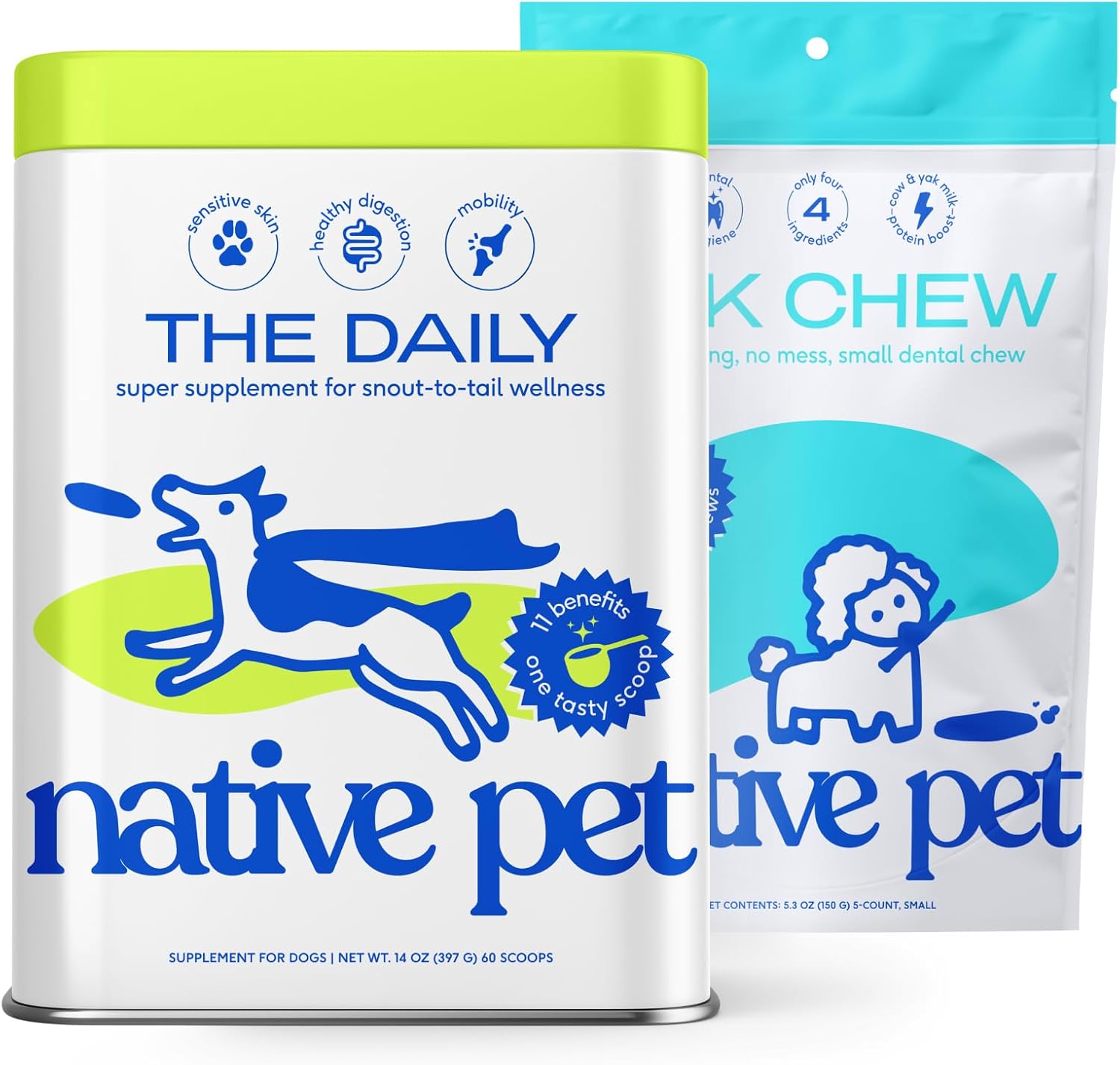


For more expert pet care tips and advice, check out our dedicated Dog Nutrition guides to keep your companions healthy and happy.




