

Introduction
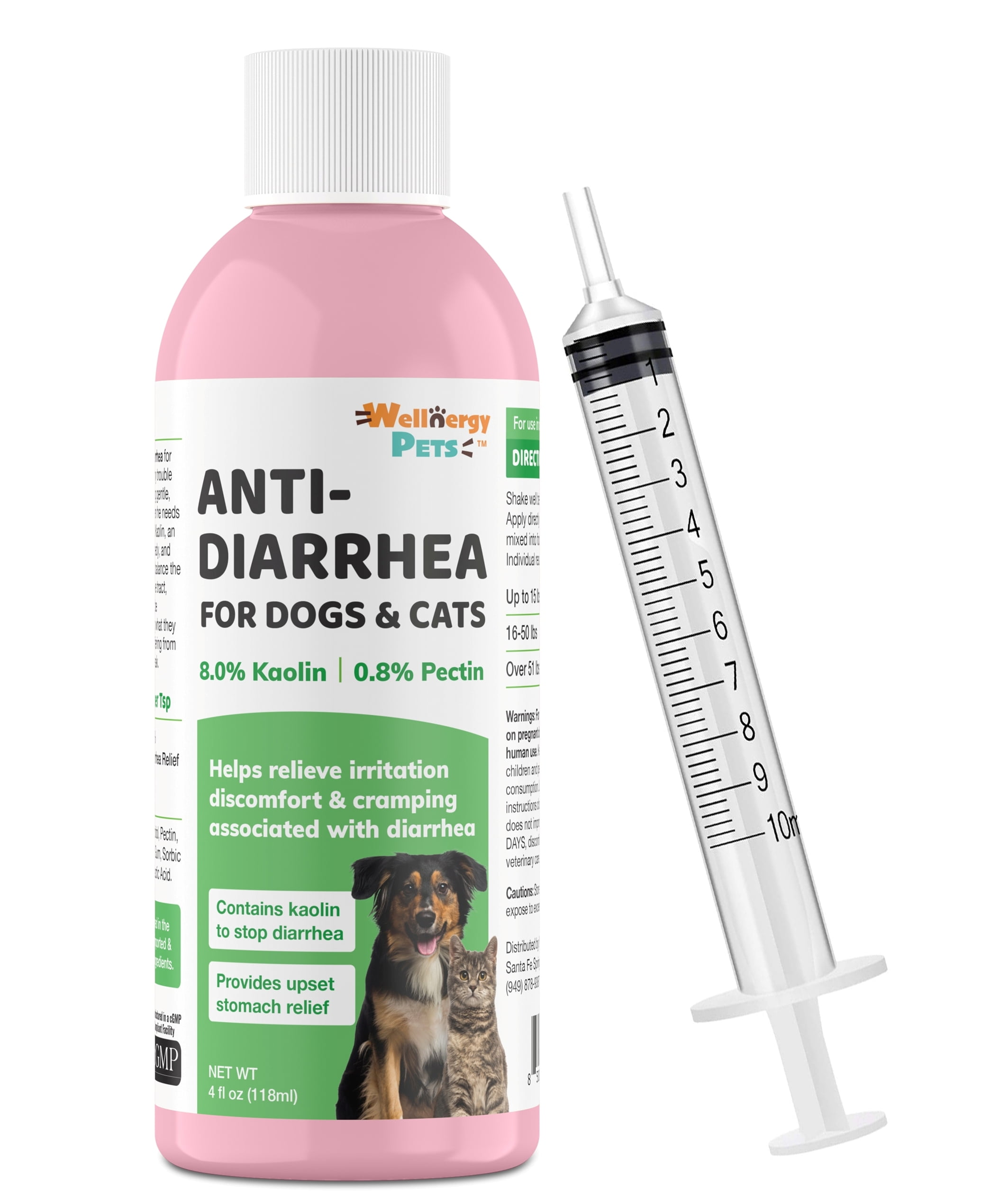
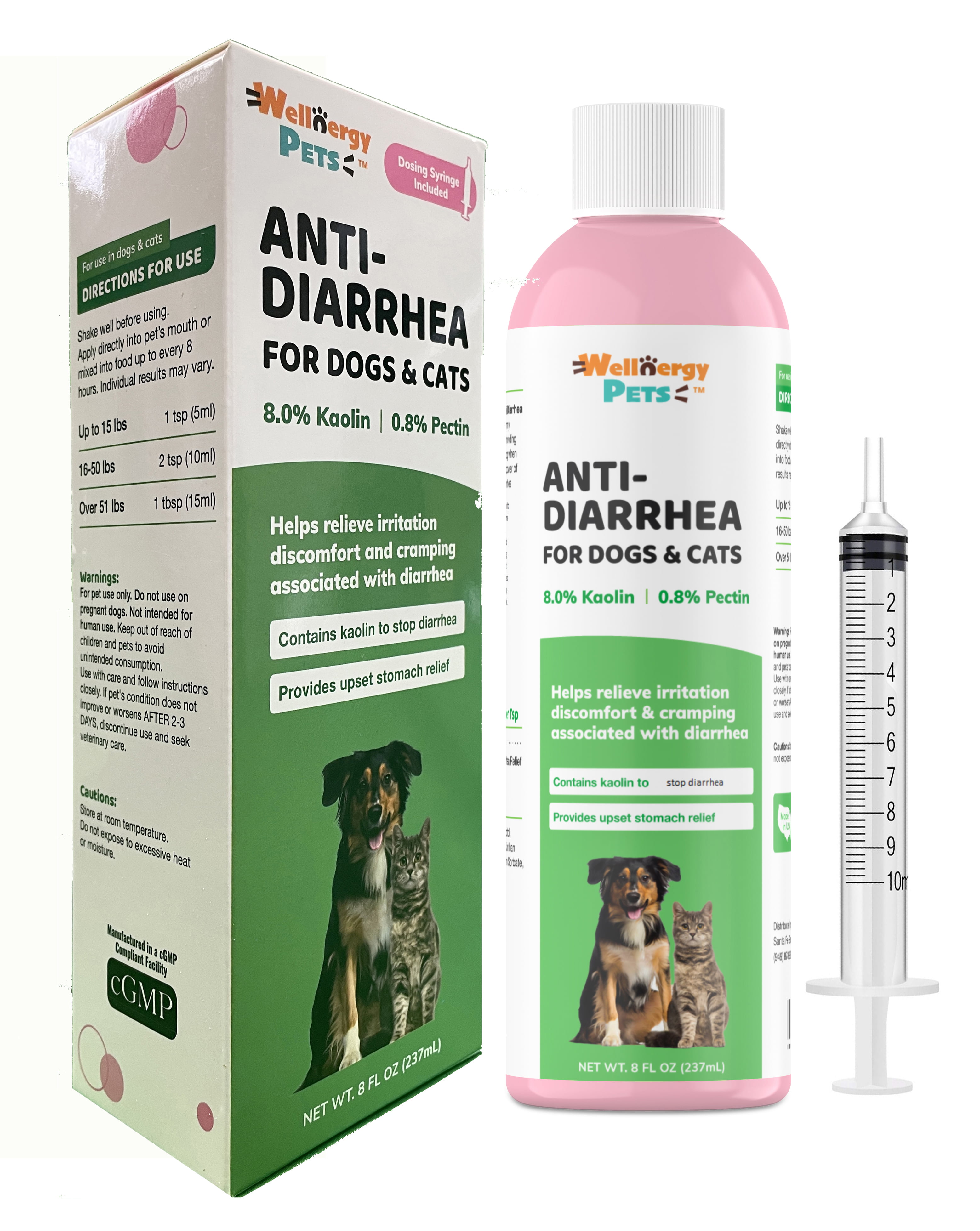
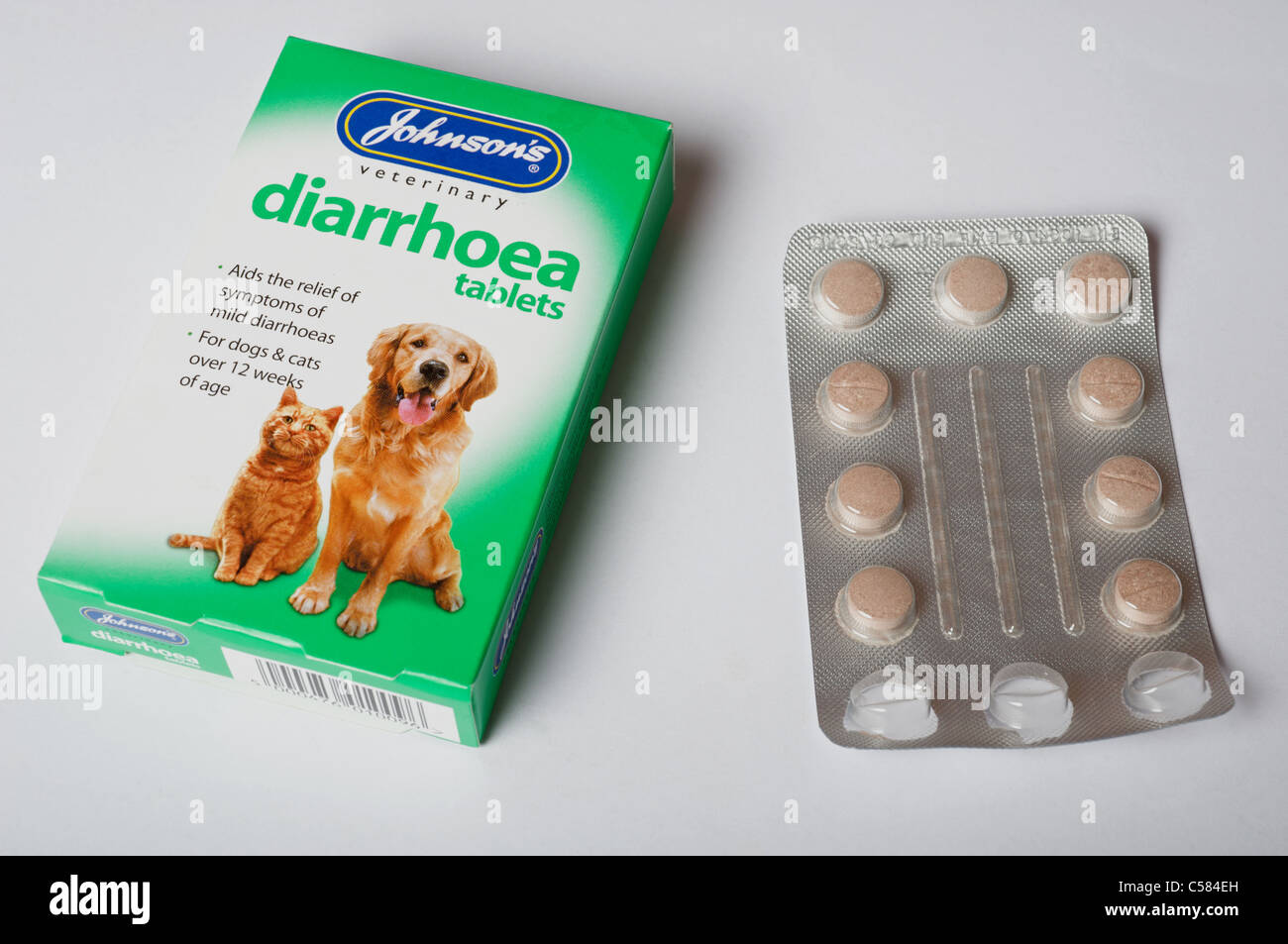
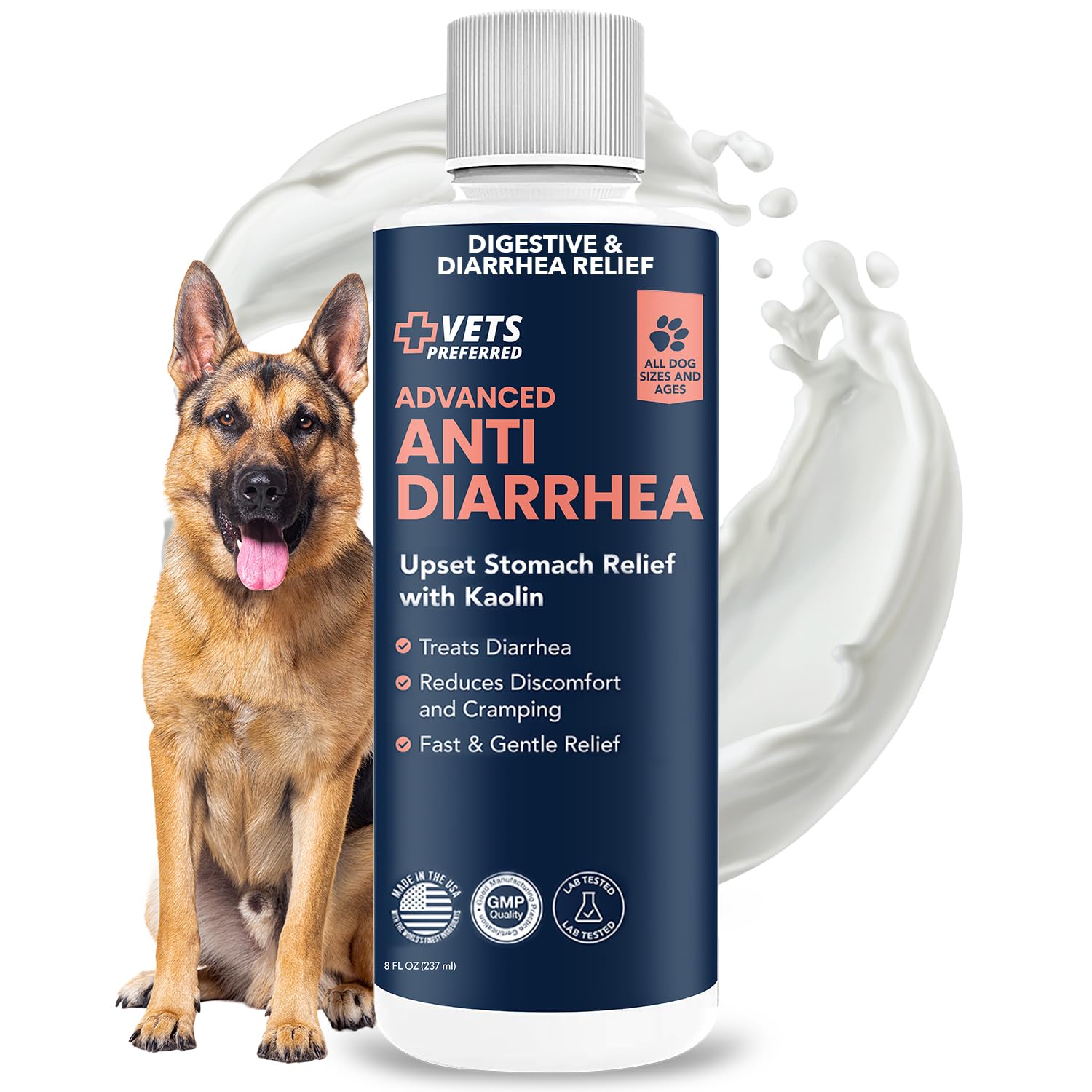
Understanding effective management for canine digestive upsets is a crucial aspect of responsible pet ownership. The term “dog diarrhea medicine” encompasses a range of pharmaceutical and supportive treatments designed to alleviate symptoms, address underlying causes, and restore gut health in dogs experiencing loose stools. Diarrhea, characterized by frequent, loose, or watery bowel movements, is a common ailment that can range from a minor, self-resolving issue to a symptom of a more serious underlying condition. Recognising when and how these medicines can be appropriately used is vital for providing comfort to a canine companion and safeguarding its overall well-being. Proper knowledge in this area helps pet owners make informed decisions, ensuring prompt and suitable care for their dogs, thereby contributing significantly to a dog’s health and quality of life.
💡 Pet Care Key Takeaways:
- Core Focus: Practical health, nutrition, and wellness guidelines for Dog Diarrhea Medicine.
- Target Scope: Pet owners, animal caregivers, and veterinary support staff.
- Best Recommendation: Maintain consistent daily routines and consult an accredited veterinarian before introducing major diet or medical changes.
Common Causes and Key Factors
Numerous factors can contribute to a dog developing diarrhea, necessitating a potential need for dog diarrhea medicine. Dietary indiscretion is a prevalent cause, often resulting from a dog consuming inappropriate foods, garbage, or foreign objects. Abrupt changes in diet, such as switching food brands too quickly, can also upset the delicate balance of the canine digestive system. Stress and anxiety, stemming from environmental changes, separation anxiety, or new routines, are recognized triggers for gastrointestinal upset. For more related activities, check out our Signs Of A Deaf Dog Behavior Problems And Solutions.
Infections play a significant role, including bacterial infections like Salmonella or E. coli, viral infections such as parvovirus or distemper, and parasitic infestations like roundworms, hookworms, whipworms, or Giardia. Food allergies or sensitivities, where a dog’s immune system reacts adversely to certain ingredients, can manifest as chronic diarrhea. More serious underlying medical conditions, including inflammatory bowel disease (IBD), pancreatic insufficiency, kidney disease, liver disease, or certain types of cancers, may also present with diarrhea as a primary symptom. Additionally, exposure to toxins or certain medications can induce gastrointestinal distress. Identifying these key factors is the first step toward determining the most appropriate course of action, including the judicious use of dog diarrhea medicine.
Signs and Symptoms to Observe
Recognizing the specific signs and symptoms accompanying dog diarrhea is paramount for determining its severity and potential need for intervention. The most obvious indicator is a change in stool consistency, ranging from soft and poorly formed to entirely liquid. An increased frequency of defecation, sometimes accompanied by straining, is also a common observation.
Careful inspection of the stool may reveal the presence of blood, which can appear as bright red streaks (indicating fresh blood from the lower gastrointestinal tract) or a dark, tarry consistency (suggesting digested blood from the upper gastrointestinal tract). Mucus in the stool is another symptom, often indicative of inflammation in the colon. Beyond the stool itself, a dog with diarrhea may exhibit other concerning signs such as vomiting, lethargy, decreased appetite, abdominal pain or discomfort (manifested by a hunched posture or reluctance to be touched), and signs of dehydration like sunken eyes, dry gums, or reduced skin elasticity. Puppies and senior dogs are particularly vulnerable to the severe effects of dehydration. The combination and severity of these symptoms help guide decisions regarding home care versus professional veterinary consultation for dog diarrhea medicine.
Practical Solutions and Management Strategies
Initial management of mild, acute diarrhea often begins with supportive home care before considering specific dog diarrhea medicine. A common first step involves a short fasting period, typically 12-24 hours, to allow the digestive tract to rest. This should always be supervised, especially for puppies, small breeds, or dogs with pre-existing conditions. Following a fast, a bland diet consisting of easily digestible foods, such as plain boiled chicken (skinless, boneless) and white rice, or boiled lean ground beef and pasta, is often recommended. Small, frequent meals are provided until stool consistency improves, after which the dog’s regular diet is gradually reintroduced over several days.
Ensuring constant access to fresh water is critical to prevent dehydration. Probiotic supplements, designed to introduce beneficial bacteria to the gut, can support digestive health and aid in recovery. In cases where stress is a factor, creating a calm and stable environment can be beneficial. For more persistent or severe cases, or when a veterinarian has diagnosed a specific cause, dog diarrhea medicine may be prescribed. This can include anti-parasitic medications for infestations, antibiotics for bacterial infections, anti-inflammatory drugs for conditions like IBD, or specific motility modifiers to slow down intestinal movement. Veterinarians may also prescribe electrolyte solutions or other supportive therapies to manage dehydration and nutrient loss.
When Professional Help May Be Needed
While many instances of canine diarrhea resolve with simple home care, certain signs and circumstances warrant immediate veterinary attention to properly assess the situation and determine if specific dog diarrhea medicine is required. A professional consultation is highly recommended if diarrhea persists for more than 24-48 hours, despite attempts at bland diet or fasting. The presence of blood (either bright red or dark and tarry) or excessive mucus in the stool is a serious indicator that necessitates prompt examination.
If diarrhea is accompanied by other concerning symptoms such as repeated vomiting, significant lethargy, weakness, loss of appetite, or noticeable signs of dehydration, veterinary intervention is crucial. Puppies, senior dogs, or dogs with known chronic health conditions are more susceptible to severe complications from diarrhea and should be seen by a veterinarian sooner rather than later. Any suspicion of toxin ingestion or the consumption of a foreign object also demands immediate professional assessment. In these situations, a veterinarian can conduct appropriate diagnostics, accurately diagnose the underlying cause, and prescribe the most effective dog diarrhea medicine or treatment plan.
Conclusion
Understanding “dog diarrhea medicine” involves a comprehensive approach to canine digestive health, from identifying common causes and recognizing key symptoms to implementing effective management strategies. While many mild cases of diarrhea can often be managed at home with supportive care, it is imperative for pet owners to remain vigilant and recognize when veterinary professional help is needed. The appropriate use of dog diarrhea medicine, ranging from simple probiotics to targeted prescription medications, plays a vital role in restoring gut health and alleviating discomfort. Proactive observation, prompt action, and a collaborative relationship with a veterinarian ensure that dogs receive the best possible care, safeguarding their well-being and supporting a long, healthy life. Prioritizing canine digestive health remains a cornerstone of responsible and compassionate pet ownership.
Pet Care & Wellness Overview Table
| Life Stage | Daily Activity Level | Key Nutrition / Care Focus |
|---|---|---|
| Puppy / Kitten | High (frequent short bursts) | High-protein growth diet & early socialization |
| Adult Companion | Moderate (30–60 mins daily) | Balanced maintenance nutrition & dental hygiene |
| Senior Pets | Low to Gentle (mindful walks) | Joint support (Glucosamine) & routine vet checks |
Images References


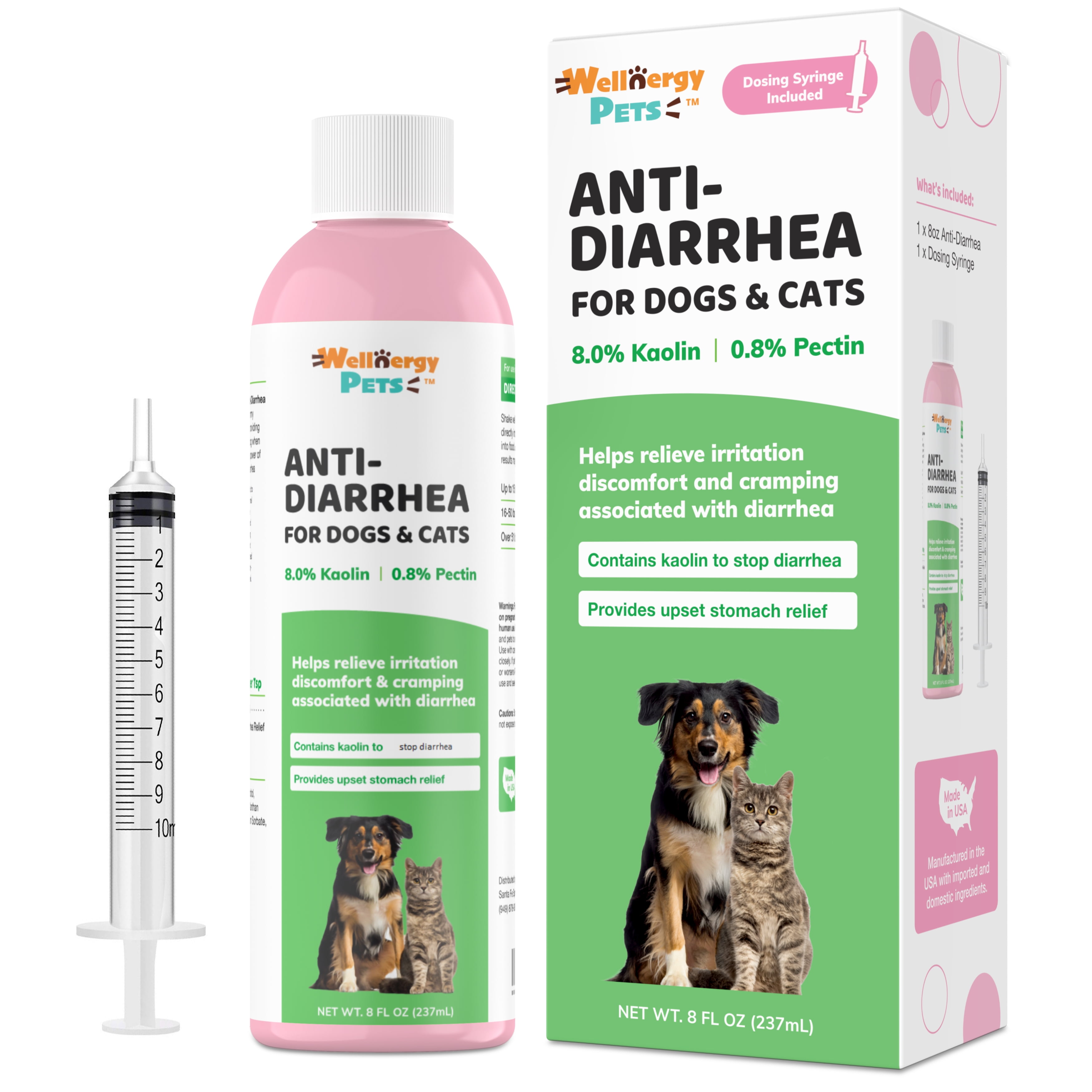

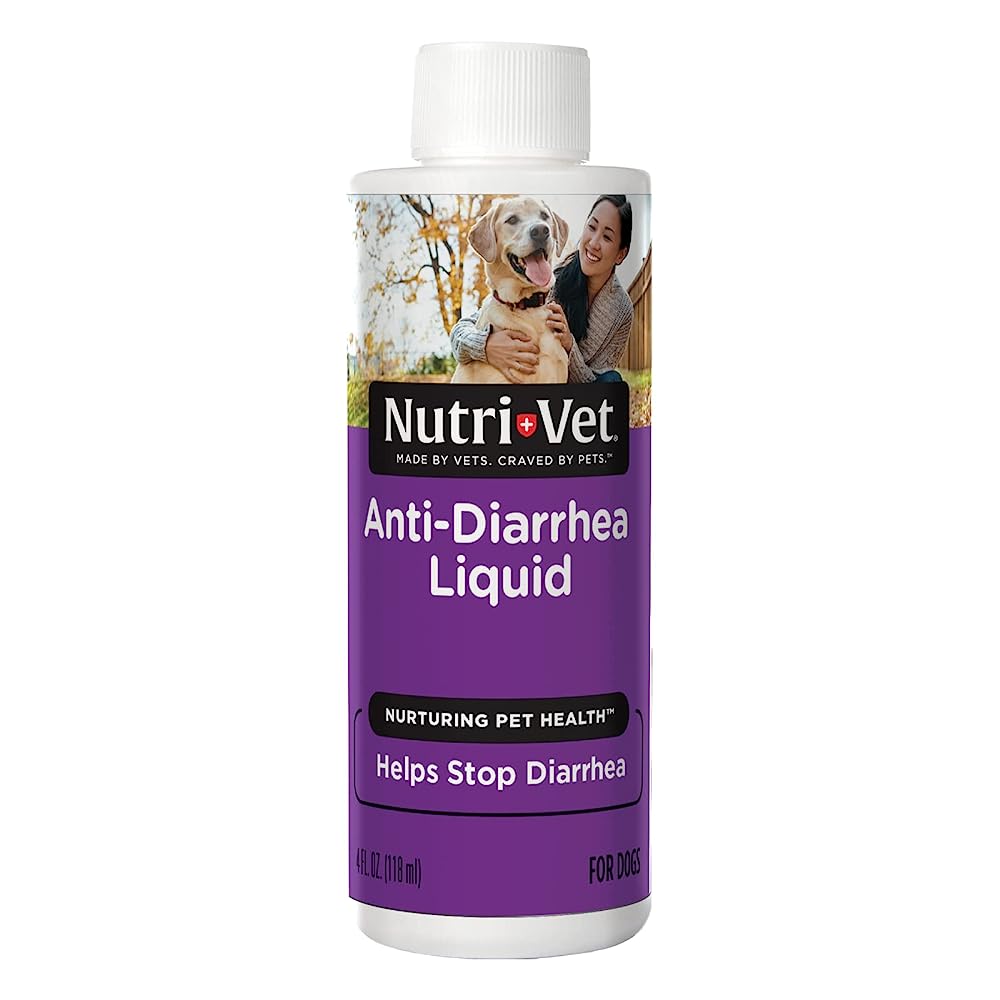
For more expert pet care tips and advice, check out our dedicated Dog Health guides to keep your companions healthy and happy.




