

Introduction
Diarrhea in dogs is a common and often distressing gastrointestinal issue characterized by loose, watery stools. For dog owners, understanding effective dog diarrhea treatment is paramount to ensuring their canine companions’ comfort and well-being. This condition can range from a minor, transient upset to a symptom of a more serious underlying health problem. Recognizing when and why diarrhea occurs, and how to appropriately respond, empowers owners to provide timely care, alleviate discomfort, and potentially prevent escalation of the issue. A thorough grasp of this topic contributes significantly to a dogs overall health management and quality of life, fostering a healthier and happier coexistence.
💡 Pet Care Key Takeaways:
- Core Focus: Practical health, nutrition, and wellness guidelines for Dog Diarrhea Treatment.
- Target Scope: Pet owners, animal caregivers, and veterinary support staff.
- Best Recommendation: Maintain consistent daily routines and consult an accredited veterinarian before introducing major diet or medical changes.
Common Causes and Key Factors
Various factors can trigger diarrhea in dogs, encompassing a spectrum from benign to more concerning causes. Dietary indiscretion is frequently cited, occurring when a dog consumes inappropriate items such as table scraps, spoiled food, or non-food objects. Sudden changes in diet, even to a high-quality new food, can also upset a dog’s sensitive digestive system. For more related activities, check out our Signs Of A Deaf Dog Behavior Problems And Solutions.
Internal parasites, including roundworms, hookworms, whipworms, giardia, and coccidia, are significant culprits, particularly in puppies or dogs with compromised immune systems. Bacterial infections like Salmonella or Clostridium, and viral infections such as parvovirus or canine distemper, also present with severe gastrointestinal symptoms.
Food allergies or sensitivities can lead to chronic or intermittent diarrhea, with certain protein sources or grains often being the trigger. Stress and anxiety, stemming from environmental changes, separation anxiety, or fear, can also manifest physically as digestive upset. Furthermore, certain medications, toxin ingestion, inflammatory bowel disease, kidney or liver disease, and pancreatic issues are underlying medical conditions that can cause persistent diarrhea.
Signs and Symptoms to Observe
Recognizing the specific signs and symptoms accompanying diarrhea is crucial for determining the appropriate course of action. The most obvious indicator is changes in stool consistency, ranging from soft and poorly formed to entirely liquid. Increased frequency of defecation is also a common observation.
Other accompanying symptoms might include vomiting, which, when combined with diarrhea, can rapidly lead to dehydration. A dog might exhibit lethargy, a decreased energy level, or a noticeable loss of appetite. Abdominal pain, indicated by a hunched posture, sensitivity to touch around the belly, or restless pacing, suggests discomfort.
The appearance of blood or mucus in the stool is a more serious symptom requiring prompt attention. Fresh, red blood (hematochezia) suggests lower gastrointestinal bleeding, while dark, tarry stools (melena) indicate bleeding higher up in the digestive tract. Fever or unusual behavioral changes, such as hiding or increased irritability, should also raise concern. These signs can vary depending on the dog’s age, breed, and the severity or underlying cause of the diarrhea.
Practical Solutions and Management Strategies
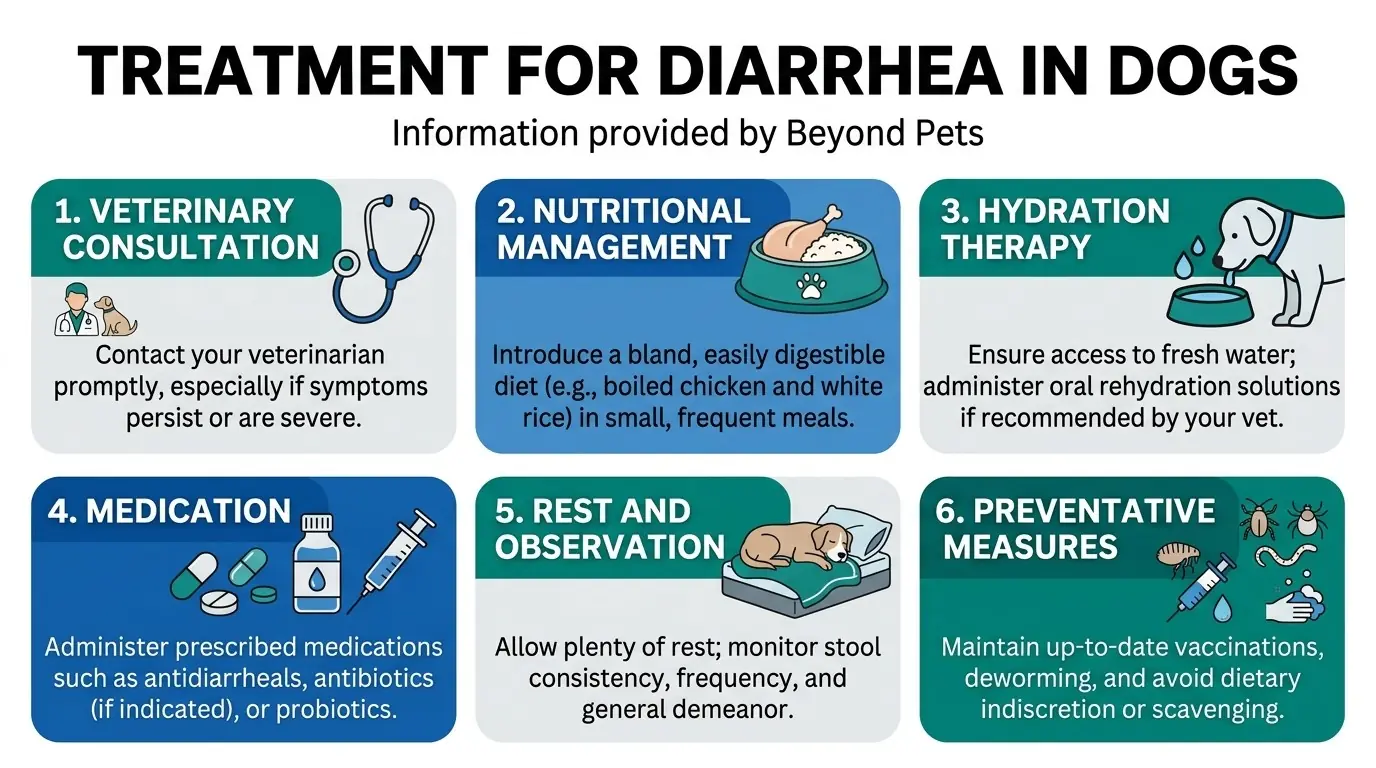
Initial management of uncomplicated dog diarrhea often involves several practical strategies focused on resting the digestive system and promoting recovery. A common first step is a short fasting period of 12-24 hours for adult dogs to allow the gut to settle. During this time, constant access to fresh water is critical to prevent dehydration.
Following the fast, a bland diet can be introduced gradually. Boiled, plain white rice mixed with small amounts of boiled chicken breast (skinless and boneless), plain boiled potatoes, or low-fat cottage cheese are excellent options. Portions should be small and offered frequently throughout the day, slowly increasing the amount and reducing the frequency as stool consistency improves.
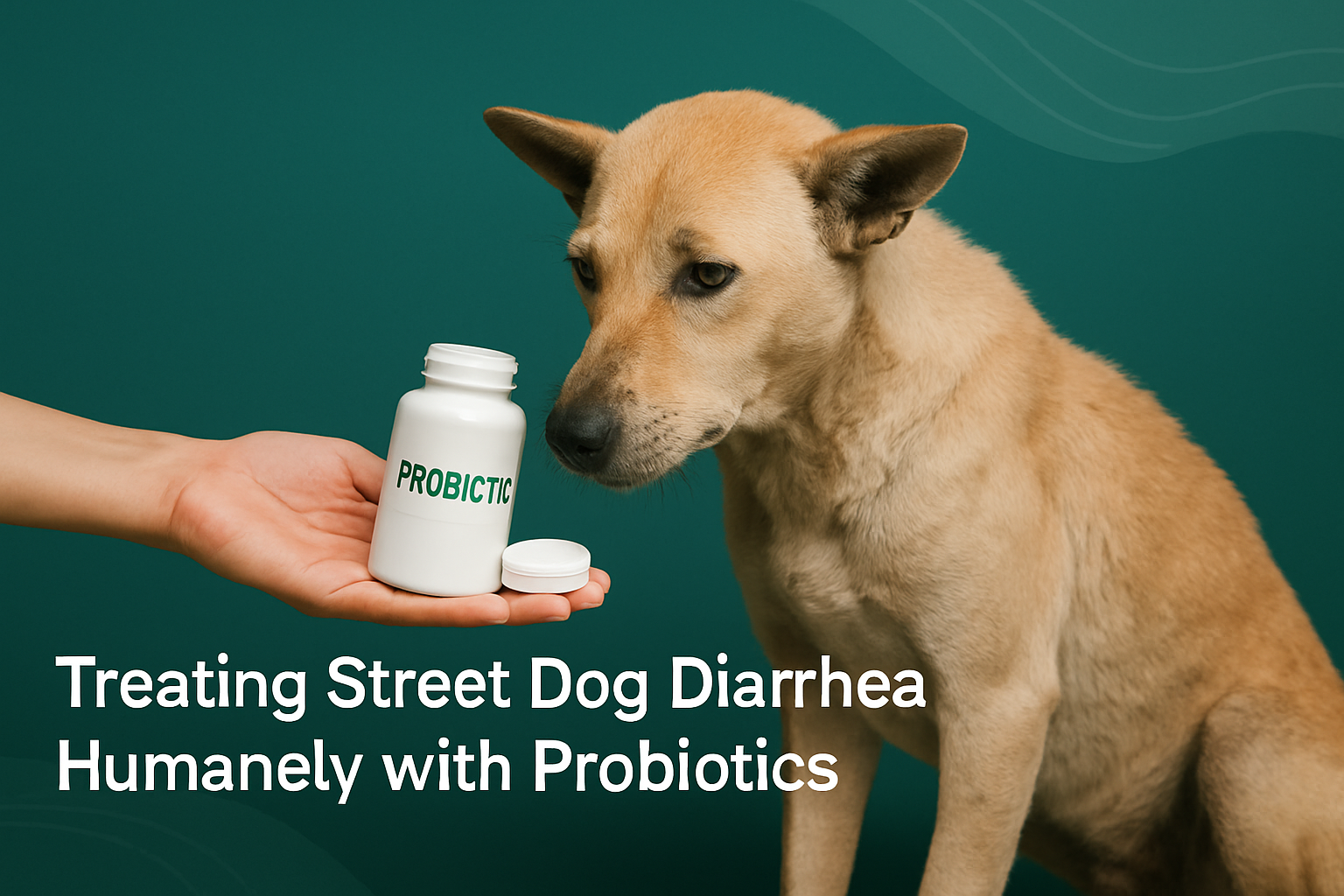
Probiotics formulated for dogs can be beneficial in restoring healthy gut flora, aiding digestion and strengthening the intestinal barrier. Specific fibers, such as psyllium, can also help firm up stools. Ensuring a quiet, stress-free environment and avoiding any new treats or foods during recovery are also important aspects of care. Monitoring water intake and stool consistency throughout this process is essential.
When Professional Help May Be Needed
While many cases of dog diarrhea resolve with home care, certain situations necessitate immediate veterinary consultation. Professional help is advised if diarrhea persists for more than 24-48 hours, despite home management efforts. Severe or explosive diarrhea, especially if accompanied by repeated vomiting, warrants prompt attention due to the risk of rapid dehydration.
The presence of blood (either bright red or tarry black) or a large amount of mucus in the stool is a serious symptom that requires immediate veterinary assessment. Additionally, if a dog exhibits signs of significant lethargy, weakness, severe abdominal pain, a fever, or a noticeable decrease in appetite, a veterinarian should be contacted without delay. Puppies, senior dogs, and those with pre-existing health conditions are more vulnerable to the effects of diarrhea and should be seen by a professional quickly if symptoms develop. Prompt intervention can often prevent more severe complications and ensure an accurate diagnosis for targeted treatment.
Conclusion
Understanding dog diarrhea treatment involves a combination of keen observation, informed decision-making, and timely intervention. While many instances of mild, acute diarrhea can be effectively managed at home with supportive care, recognizing the signs that indicate a need for professional veterinary assistance is paramount. Prioritizing dietary management, ensuring adequate hydration, and being prepared to seek expert advice when symptoms escalate are key responsibilities for every dog owner. By staying informed and proactive, individuals can significantly contribute to their dog’s digestive health and overall well-being, fostering a life of comfort and vitality.
Pet Care & Wellness Overview Table
| Life Stage | Daily Activity Level | Key Nutrition / Care Focus |
|---|---|---|
| Puppy / Kitten | High (frequent short bursts) | High-protein growth diet & early socialization |
| Adult Companion | Moderate (30–60 mins daily) | Balanced maintenance nutrition & dental hygiene |
| Senior Pets | Low to Gentle (mindful walks) | Joint support (Glucosamine) & routine vet checks |
Images References



For more expert pet care tips and advice, check out our dedicated Dog Health guides to keep your companions healthy and happy.


