

Introduction
Understanding how to maintain optimal vitality in canine companions is a priority for many dog owners. The concept of dog energy supplements refers to a range of nutritional products designed to support a dog’s stamina, endurance, and overall vigor. These supplements are often considered when a dog exhibits signs of low energy, fatigue, or needs an extra boost due to specific life stages or demanding activities. Recognizing the role these products play can be crucial for enhancing a dogs physical performance, aiding in recovery, or simply supporting general health, ultimately contributing to improved well-being and an enhanced quality of life.
💡 Pet Care Key Takeaways:
- Core Focus: Practical health, nutrition, and wellness guidelines for Dog Energy Supplements.
- Target Scope: Pet owners, animal caregivers, and veterinary support staff.
- Best Recommendation: Maintain consistent daily routines and consult an accredited veterinarian before introducing major diet or medical changes.
Common Causes and Key Factors
Several factors can influence a dogs energy levels, prompting consideration of dog energy supplements. Age is a primary determinant, with senior dogs often experiencing a natural decline in vitality and younger, highly active dogs requiring sustained energy for their demanding lifestyles. Certain breeds, particularly working dogs or those predisposed to high activity levels, may also benefit from nutritional support to meet their inherent energy needs. For more related activities, check out our Natural Balance Puppy Food Quantity Chart.
Underlying health conditions, such as metabolic imbalances, chronic illnesses, or recovery from surgery, can also lead to decreased energy. In these instances, a veterinarian may recommend specific nutritional interventions. Furthermore, nutritional gaps in a dog’s regular diet, even a high-quality one, might sometimes contribute to suboptimal energy levels. Factors like stress, changes in environment, or a lack of adequate exercise can also manifest as perceived low energy, though in such cases, supplements alone may not be the primary solution.
Signs and Symptoms to Observe
Observable signs indicating a dog might benefit from energy support or a veterinary check-up include various behavioral and physical changes. Lethargy is a common indicator, characterized by prolonged periods of inactivity, excessive sleeping, or a general lack of enthusiasm for usual activities like walks or playtime. A dog might show a decreased interest in previously engaging toys or interactions.
Changes in stamina, such as tiring quickly during exercise or taking longer to recover after physical exertion, can also be telling. Reluctance to engage in activities it once enjoyed, a noticeable decrease in overall alertness, or even subtle shifts in appetite can signal a dip in energy levels. These signs can vary significantly based on the dog’s age, breed, and typical activity level, making careful observation of individual patterns essential.
Practical Solutions and Management Strategies
When considering dog energy supplements, it is important to understand their typical composition and intended benefits. Many such supplements contain a blend of ingredients aimed at supporting cellular energy production, muscle function, and overall metabolic health. Common components include B vitamins, which play a vital role in converting food into energy; L-carnitine, an amino acid crucial for fat metabolism and energy generation; and medium-chain triglycerides (MCTs), which provide a readily available energy source.
Other beneficial ingredients might include omega-3 fatty acids, known for their anti-inflammatory properties and support for overall health, which can indirectly contribute to better energy levels. Antioxidants, such as vitamins C and E, help combat oxidative stress, which can impact vitality. Some formulations also incorporate adaptogenic herbs or probiotics to support overall well-being and gut health, both of which are intrinsically linked to a dog’s energy.
Before introducing any supplement, a foundational approach involves ensuring a balanced, high-quality diet appropriate for the dog’s age, breed, and activity level. Adequate hydration and a consistent exercise routine are also paramount. Once these basics are covered, specific dog energy supplements can be introduced under professional guidance to address targeted needs, providing support for endurance, recovery, or general vitality. It is crucial to select reputable brands that provide clear ingredient lists and dosage instructions, tailored to a dog’s weight and condition.
When Professional Help May Be Needed
While dog energy supplements can play a supportive role in a dog’s diet, they are not a substitute for veterinary care. Any persistent or sudden decrease in a dog’s energy levels warrants a professional veterinary consultation. Lethargy or chronic fatigue can be symptoms of various underlying medical conditions, ranging from thyroid issues and heart disease to infections, anemia, or even certain cancers.
A veterinarian can perform a thorough examination, conduct necessary diagnostic tests, and accurately determine the root cause of a dog’s low energy. Professional guidance is also essential before starting any new supplement regimen, as some ingredients may interact with medications or be contraindicated for specific health conditions. A vet can provide personalized recommendations, ensuring any chosen supplement is safe, appropriate, and effective for the individual dog’s needs, rather than merely masking a more serious health issue.
Conclusion
Dog energy supplements represent a valuable category of products designed to support canine vitality and overall well-being. From addressing age-related declines to boosting performance in active dogs or aiding recovery, these supplements can play a beneficial role when used judiciously. The importance of observing a dogs behavior for signs of low energy, understanding the potential underlying causes, and exploring appropriate nutritional support cannot be overstated. However, the cornerstone of responsible pet care remains professional veterinary consultation, ensuring that any perceived energy deficits are properly diagnosed and that any supplementary interventions are safe and tailored to the dogs specific health profile. Prioritizing a comprehensive approach to health and nutrition empowers dog owners to foster vibrant, energetic lives for their cherished companions.
Pet Care & Wellness Overview Table
| Life Stage | Daily Activity Level | Key Nutrition / Care Focus |
|---|---|---|
| Puppy / Kitten | High (frequent short bursts) | High-protein growth diet & early socialization |
| Adult Companion | Moderate (30–60 mins daily) | Balanced maintenance nutrition & dental hygiene |
| Senior Pets | Low to Gentle (mindful walks) | Joint support (Glucosamine) & routine vet checks |
Images References

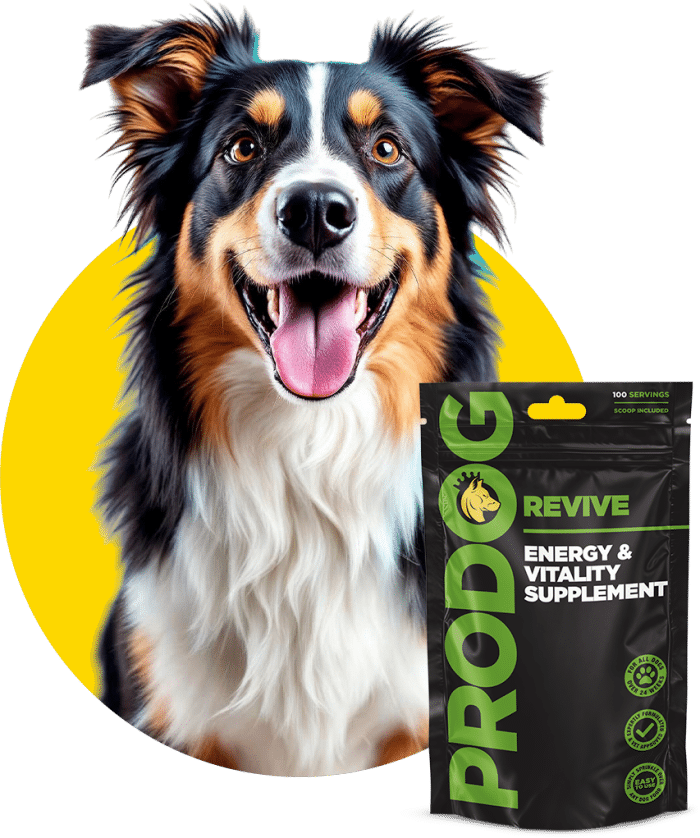


For more expert pet care tips and advice, check out our dedicated Dog Nutrition guides to keep your companions healthy and happy.




