

Introduction
The well-being of a canine companion is a paramount concern for dedicated pet owners. Among the various health considerations, issues affecting a dog’s eyes can be particularly distressing. A dog eye irritation remedy becomes a crucial topic when discomfort or visible symptoms arise, impacting a dog’s comfort and daily activities. Eye irritation in dogs is a common problem that can stem from a multitude of sources, ranging from environmental factors to more serious underlying health conditions. Understanding the causes, recognizing the signs, and knowing appropriate remedies are essential steps in maintaining a dog’s optical health and ensuring a higher quality of life. Prompt and informed action can often prevent minor irritations from escalating into more significant issues, safeguarding a dog’s vision and overall happiness.
💡 Pet Care Key Takeaways:
- Core Focus: Practical health, nutrition, and wellness guidelines for Dog Eye Irritation Remedy.
- Target Scope: Pet owners, animal caregivers, and veterinary support staff.
- Best Recommendation: Maintain consistent daily routines and consult an accredited veterinarian before introducing major diet or medical changes.
Common Causes and Key Factors
Various factors can contribute to dog eye irritation, making it important to identify the potential source for effective intervention. Environmental irritants are a frequent culprit; dust, pollen, grass seeds, smoke, and household chemicals can easily enter a dog’s eyes during walks or play. Certain breeds with prominent or bulging eyes, such as Pugs and Bulldogs, are naturally more susceptible due to their eye structure, which offers less protection. Allergic reactions, much like in humans, can manifest as red, itchy, or watery eyes in dogs, triggered by seasonal allergens or ingredients in food. Foreign objects, even tiny ones like an eyelash or a speck of dirt, can cause significant discomfort and irritation if lodged in the eye. Additionally, some common canine health conditions, such as dry eye (keratoconjunctivitis sicca), entropion (inward-rolling eyelids), or ectropion (outward-rolling eyelids), can lead to chronic irritation. Bacterial or viral infections, though less common initially, can also develop if an existing irritation is left unaddressed. For more related activities, check out our Signs Of A Deaf Dog Behavior Problems And Solutions.
Signs and Symptoms to Observe
Recognizing the signs and symptoms of dog eye irritation is fundamental for timely intervention. A dog experiencing eye discomfort will often exhibit observable behaviors and physical changes. Persistent pawing or rubbing at the face and eyes is a clear indicator of irritation. Increased blinking or squinting, especially in bright light, suggests pain or sensitivity. Redness in the white part of the eye or around the eyelids is a common symptom, often accompanied by swelling. Discharge from the eye can vary in consistency and color; clear, watery discharge might indicate allergies or a foreign body, while thick, yellow, or greenish discharge often points to an infection. Other signs include tear staining on the fur beneath the eyes, particularly noticeable in light-colored breeds, and a noticeable change in the eye’s appearance, such as cloudiness or a duller look. Variations in these signs may depend on the dog’s breed, age, and the severity of the irritation.
Practical Solutions and Management Strategies
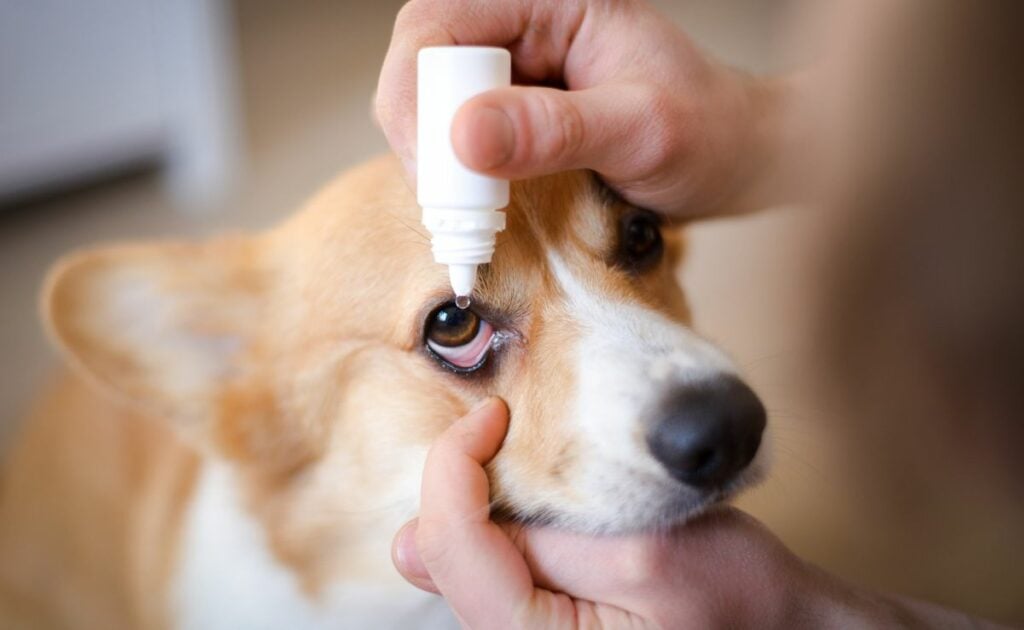
When a dog eye irritation remedy is sought, several practical solutions can be considered for minor issues. Gentle eye cleaning with a sterile saline solution, specifically formulated for dogs, can help flush out irritants and remove discharge. A clean, soft cloth dampened with warm water can be used to carefully wipe away crust or debris from around the eye. It is crucial to use a separate cloth for each eye to prevent potential cross-contamination. Maintaining a dog’s hygiene, including regular grooming to trim hair away from the eyes, can prevent hairs from poking or irritating the ocular surface. Limiting exposure to known allergens or irritants, such as dust during vacuuming or strong chemical fumes, can also prove beneficial. For dogs prone to environmental irritations, protective eyewear designed for canines might be considered during outdoor activities. Ensuring a clean living environment and regularly cleaning bedding can also reduce exposure to potential irritants.
When Professional Help May Be Needed
While some mild eye irritations can be managed at home, it is imperative to recognize when a professional veterinary assessment is required. If symptoms persist for more than 24-48 hours despite home care, or if they worsen, a veterinary consultation is essential. Signs such as severe pain, reluctance to open the eye, significant swelling, changes in eye color, or thick, discolored discharge strongly indicate the need for immediate professional attention. A veterinarian can accurately diagnose the underlying cause of the irritation, which might involve a comprehensive eye examination, specific diagnostic tests, or even referral to a veterinary ophthalmologist. Conditions like corneal ulcers, glaucoma, or severe infections require specific medical treatments, which might include prescription eye drops, oral medications, or in some cases, surgical intervention. Delaying professional treatment for serious eye conditions can lead to permanent damage or vision loss.
Conclusion
Understanding and addressing dog eye irritation is a vital aspect of responsible pet ownership. From recognizing subtle signs of discomfort to implementing appropriate home remedies or seeking timely veterinary care, proactive engagement ensures the best possible outcome for a dog’s ocular health. Regular observation, maintaining environmental cleanliness, and understanding a dog’s unique predispositions are key pillars in preventing and managing eye irritations. While a gentle cleaning might suffice for a minor irritant, persistent or severe symptoms warrant professional evaluation. By remaining vigilant and informed about a dog eye irritation remedy, pet owners can significantly contribute to their canine companion’s comfort, health, and overall quality of life, affirming the commitment to their beloved pet’s well-being.
Pet Care & Wellness Overview Table
| Life Stage | Daily Activity Level | Key Nutrition / Care Focus |
|---|---|---|
| Puppy / Kitten | High (frequent short bursts) | High-protein growth diet & early socialization |
| Adult Companion | Moderate (30–60 mins daily) | Balanced maintenance nutrition & dental hygiene |
| Senior Pets | Low to Gentle (mindful walks) | Joint support (Glucosamine) & routine vet checks |
Images References


For more expert pet care tips and advice, check out our dedicated Dog Health guides to keep your companions healthy and happy.




