

Introduction
Ensuring a dog maintains an ideal weight is fundamental to its overall health and longevity. For some canines, however, gaining weight can be a significant challenge. This is where the topic of dog fattening supplements becomes relevant. These products are specially formulated nutritional aids designed to help dogs gain weight safely and effectively, typically by increasing caloric intake or improving nutrient absorption. The consideration of such supplements often arises when a dog is underweight due to a high metabolism, recovery from illness, insufficient appetite, or conditions that hinder nutrient absorption. Understanding the appropriate use and potential benefits of dog fattening supplements is crucial for pet owners seeking to improve a dog’s well-being, restore muscle mass, and support a healthy, active lifestyle. A responsible approach to these supplements involves a thorough understanding of a dog’s specific needs and, critically, veterinary guidance.
💡 Pet Care Key Takeaways:
- Core Focus: Practical health, nutrition, and wellness guidelines for Dog Fattening Supplements.
- Target Scope: Pet owners, animal caregivers, and veterinary support staff.
- Best Recommendation: Maintain consistent daily routines and consult an accredited veterinarian before introducing major diet or medical changes.
Common Causes and Key Factors
A dog being underweight can stem from various underlying factors, making the consideration of dog fattening supplements a nuanced decision. One common cause is an insufficient caloric intake relative to the dog’s energy expenditure. Highly active breeds or working dogs may burn more calories than they consume through their regular diet, leading to a lean body condition. Another significant factor can be a naturally high metabolism, where the dog processes food quickly, making weight gain difficult even with adequate food portions. For more related activities, check out our Purina One Xxl 10Kg Feeding Guide 20Kg Dog.
Health issues frequently contribute to underweight conditions. Parasitic infections can deplete nutrients, preventing a dog from gaining weight. Chronic illnesses, dental problems, or conditions affecting digestion and nutrient absorption, such as inflammatory bowel disease or exocrine pancreatic insufficiency, can also lead to malnourishment and weight loss. Stress or anxiety, particularly in rescue dogs or those in new environments, can suppress appetite, further complicating weight management. Recovery from surgery or a severe illness often leaves a dog with reduced body mass and a need for concentrated nutrition to regain strength. In these situations, dog fattening supplements are considered to bridge nutritional gaps and provide an easily digestible source of calories and vital nutrients. Factors such as a dog’s age, breed, current health status, and activity level all play a crucial role in determining the most appropriate approach to weight gain and the suitability of any supplement.
Signs and Symptoms to Observe
Recognizing the signs that a dog may benefit from weight gain is the first step in addressing the issue. The most evident indicator of an underweight dog is the visual prominence of its bones. Ribs, hip bones, and vertebrae may be clearly visible or easily felt with minimal fat cover. A lack of discernible waistline and a noticeable abdominal tuck can also suggest an underweight condition. Beyond these physical cues, a dog’s overall body condition score, typically assessed on a 1-to-9 scale (with 4 or 5 being ideal), provides a standardized measure.
Beyond visual assessment, observable symptoms can include a dull, dry, or sparse coat, indicating potential nutritional deficiencies. Energy levels may be lower than expected for the dog’s breed and age, manifesting as lethargy or a reduced willingness to play and exercise. Some underweight dogs may exhibit a poor appetite, making it challenging to increase their caloric intake through regular food alone. Conversely, some may eat readily but fail to gain weight, suggesting a high metabolism or an issue with nutrient absorption. Consistent weight loss despite an apparently adequate diet or a general failure to thrive should also prompt careful observation. These signs may vary based on a dog’s breed, age, and individual health status, necessitating a thorough evaluation to determine the underlying cause and the most appropriate intervention.
Practical Solutions and Management Strategies
Addressing an underweight dog’s needs requires a multi-faceted approach, with dietary modifications as the cornerstone. The first step involves ensuring the dog receives a high-quality, calorie-dense dog food appropriate for its life stage and activity level. Increasing meal frequency or portion sizes, always gradually, can help boost caloric intake. Incorporating easily digestible, calorie-rich additions to regular meals, such as cooked lean meat, scrambled eggs, or plain pumpkin, can also be beneficial, but these additions should always be introduced cautiously and in moderation.
When diet alone proves insufficient, dog fattening supplements can serve as valuable tools. These supplements come in various forms, each offering different benefits. High-calorie pastes and gels provide concentrated energy in a small volume, often appealing to picky eaters. Digestible fats, such as specific omega fatty acid blends or coconut oil, can be added to food to increase caloric density and support skin and coat health. Protein powders are sometimes used to aid in muscle mass development, particularly for dogs recovering from muscle wasting conditions. Digestive enzymes can improve nutrient absorption for dogs with pancreatic insufficiency or other malabsorption issues, while probiotics support gut health, which is vital for nutrient assimilation.
The introduction of any supplement should be gradual to avoid digestive upset. Careful attention to product instructions and recommended dosages is imperative. Monitoring a dog’s response to the supplement, including appetite, stool quality, and energy levels, helps determine its effectiveness and suitability. Beyond dietary adjustments and supplements, maintaining a consistent feeding schedule, providing a calm eating environment, and ensuring appropriate exercise tailored to the dog’s current energy levels also contribute to overall health and responsible weight gain.
When Professional Help May Be Needed
While dog fattening supplements can be useful, their use should always be considered within a comprehensive health plan. It is strongly recommended that a veterinary consultation precede the introduction of any dog fattening supplements. A veterinarian can accurately diagnose the root cause of a dog’s underweight condition, ruling out underlying medical issues such as parasites, dental disease, thyroid problems, or other chronic illnesses that require specific treatments beyond nutritional supplementation.
Professional guidance is particularly crucial if a dog experiences sudden or unexplained weight loss, exhibits other symptoms of illness, or fails to gain weight despite appropriate dietary changes. A veterinarian can provide tailored recommendations regarding the most suitable type of supplement, its correct dosage, and the duration of use. They can also advise on a safe and effective weight gain trajectory, ensuring the dog gains weight gradually and healthily, rather than rapidly gaining an unhealthy amount of fat. Regular follow-up appointments allow for monitoring of progress, adjustments to the treatment plan, and early detection of any adverse reactions to supplements. Prioritizing professional veterinary advice ensures that any strategy to help a dog gain weight is both safe and effective, contributing positively to long-term well-being.
Conclusion
Successfully managing a dog’s weight, particularly when a dog is underweight, involves a thoughtful and informed approach. Dog fattening supplements represent one potential tool within a broader strategy to help canines achieve and maintain a healthy body condition. Understanding the common causes of underweight, recognizing observable signs, and implementing practical dietary and lifestyle adjustments are all critical steps. The judicious use of supplements, when appropriate, can significantly contribute to a dog’s recovery, muscle development, and overall vitality. However, these supplements are not a substitute for a balanced diet and, crucially, should always be introduced under the guidance of a veterinary professional. Responsible pet ownership centers on awareness, consistent observation, and proactive care, ensuring that every dog has the best possible chance to thrive at a healthy weight.
Pet Care & Wellness Overview Table
| Life Stage | Daily Activity Level | Key Nutrition / Care Focus |
|---|---|---|
| Puppy / Kitten | High (frequent short bursts) | High-protein growth diet & early socialization |
| Adult Companion | Moderate (30–60 mins daily) | Balanced maintenance nutrition & dental hygiene |
| Senior Pets | Low to Gentle (mindful walks) | Joint support (Glucosamine) & routine vet checks |
Images References


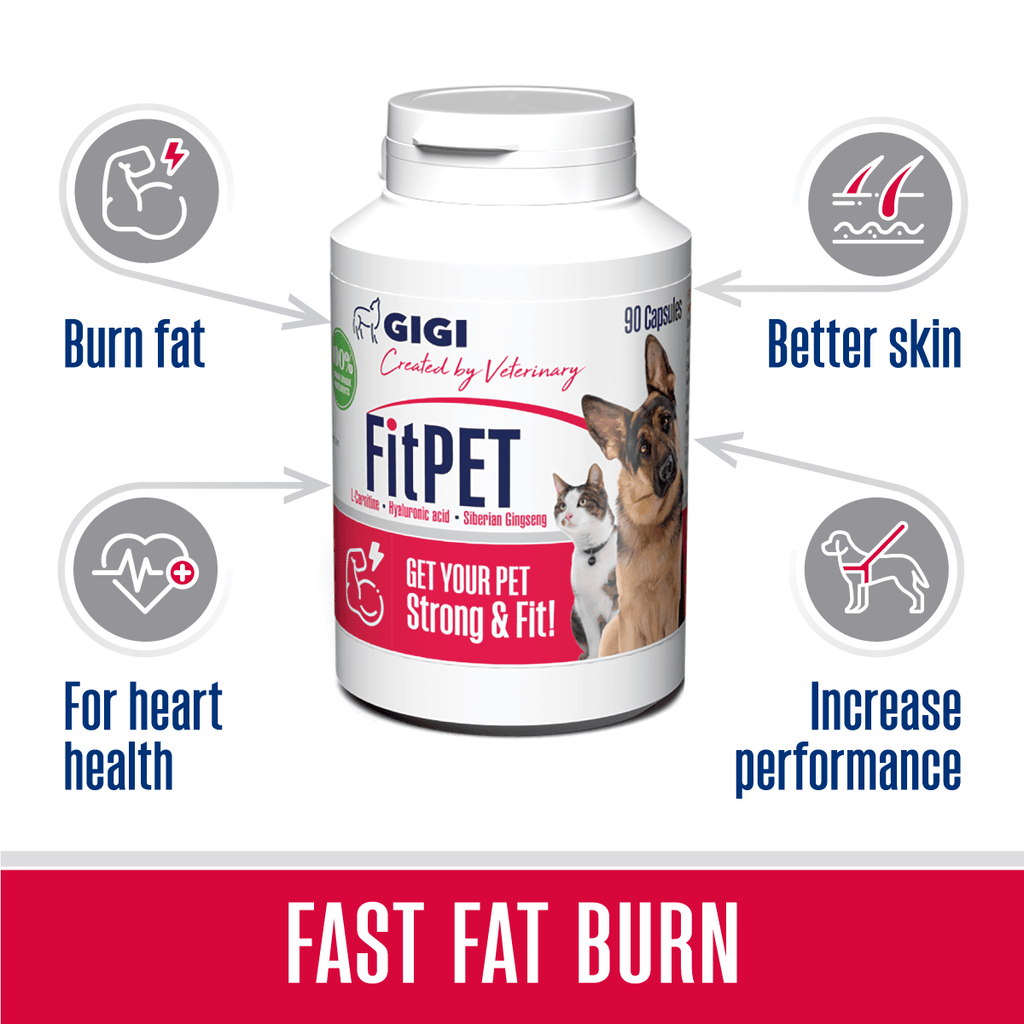


For more expert pet care tips and advice, check out our dedicated Dog Nutrition guides to keep your companions healthy and happy.




