

Introduction
The presence of occasional flatulence in dogs is a natural physiological process. However, when instances become frequent, excessive, or particularly offensive, it can signal discomfort for the canine and present an unpleasant challenge for household members. Seeking a comprehensive dog flatulence remedy involves understanding the underlying causes and implementing effective strategies to alleviate this common issue. Addressing canine gas goes beyond simply managing an odor; it often contributes significantly to a dog’s overall digestive health, comfort, and general well-being, fostering a more harmonious living environment for all.
💡 Pet Care Key Takeaways:
- Core Focus: Practical health, nutrition, and wellness guidelines for Dog Flatulence Remedy.
- Target Scope: Pet owners, animal caregivers, and veterinary support staff.
- Best Recommendation: Maintain consistent daily routines and consult an accredited veterinarian before introducing major diet or medical changes.
Common Causes and Key Factors
Understanding the root causes of dog flatulence is the initial step toward finding an effective remedy. Several factors, primarily related to diet and digestion, contribute to gas production. For more related activities, check out our Natural Remedies For Fluid Retention In Dogs Australia.
One significant contributor is dietary composition. Foods high in fermentable carbohydrates, such as certain legumes, cruciferous vegetables (broccoli, cabbage), and soy, can produce excessive gas during digestion. Similarly, low-quality commercial dog foods often contain fillers, artificial ingredients, and by-products that are difficult for a dog’s digestive system to process efficiently.
Eating habits also play a crucial role. Dogs that eat too quickly tend to ingest a significant amount of air along with their food, a condition known as aerophagia, which directly leads to increased flatulence. Sudden changes in diet can also disrupt the gut microbiome, leading to temporary digestive upset and gas.
Furthermore, food intolerances or allergies can manifest as excessive gas, often accompanied by other symptoms like skin irritation or diarrhea. Dogs might be sensitive to common ingredients such as dairy, wheat, or specific proteins. Scavenging or consuming spoiled food can introduce harmful bacteria or indigestible material, resulting in severe gastrointestinal upset and gas.
Underlying gastrointestinal conditions represent another category of causes. Issues such as Inflammatory Bowel Disease (IBD), Exocrine Pancreatic Insufficiency (EPI), Small Intestinal Bacterial Overgrowth (SIBO), or intestinal parasites can severely impair digestion and lead to chronic flatulence. Certain breeds, particularly brachycephalic (short-nosed) dogs like Bulldogs and Pugs, are naturally more prone to swallowing air due to their facial structure, making them more susceptible to flatulence. Lack of regular exercise can also slow down digestive transit, contributing to gas buildup.
Signs and Symptoms to Observe
Recognizing the specific signs and symptoms associated with dog flatulence allows owners to accurately assess the situation and determine the most appropriate remedy. While occasional, mild gas is normal, persistent or severe indicators warrant closer attention.
The most obvious sign is the emission of gas, which can range from barely noticeable to extremely pungent and frequent. The odor’s intensity and persistence can often provide clues about the underlying dietary or digestive issues.
Beyond the smell, changes in abdominal appearance or behavior are important. A dog experiencing significant gas may display a distended or bloated abdomen, appearing uncomfortable. This discomfort can lead to restlessness, difficulty finding a comfortable resting position, or subtle signs of pain such as whining, arching the back, or reluctance to be touched on the abdomen.
Other digestive upset symptoms often accompany flatulence. These include changes in stool consistency or frequency, such as diarrhea, constipation, or stools that appear greasy or contain mucus. A decrease in appetite or lethargy can also indicate more serious underlying digestive distress. Some dogs may engage in excessive licking around their anal area or abdomen in an attempt to alleviate discomfort. Observing the presence of these additional symptoms helps differentiate between a simple dietary indiscretion and a more significant health concern requiring a specific dog flatulence remedy.
Practical Solutions and Management Strategies
Implementing practical solutions and management strategies forms the core of any effective dog flatulence remedy. Many approaches focus on dietary adjustments and lifestyle modifications.
Dietary management is often the most impactful strategy. Transitioning to a high-quality, easily digestible dog food with limited, identifiable ingredients can significantly reduce gas. Look for foods that list a specific meat source as the first ingredient and avoid excessive fillers, artificial colors, or preservatives. When introducing new food, a gradual transition over 7-10 days minimizes digestive upset. Identifying and avoiding specific ingredients that trigger gas, such as dairy products, certain legumes, or high amounts of cruciferous vegetables, is also crucial.
To address aerophagia, slowing down meal consumption is highly effective. Specialized slow-feeder bowls or dispensing food in a puzzle toy can prevent rapid ingestion of food and air. Feeding smaller, more frequent meals throughout the day instead of one or two large ones can also aid digestion.
Regular exercise is beneficial for digestive health. Physical activity helps to stimulate gut motility, aiding in the proper movement of food and gas through the digestive tract. Ensuring consistent access to fresh, clean water also supports healthy digestion and nutrient absorption.
For some dogs, probiotic supplements can help rebalance the gut microbiome and improve digestive efficiency, thereby reducing gas. However, consulting with a veterinarian before introducing any new supplements is advisable to ensure their suitability and correct dosage. Additionally, regular deworming and parasite control, as recommended by a veterinary professional, can eliminate common causes of gastrointestinal distress that lead to flatulence. Providing appropriate chew toys and preventing scavenging can also limit the ingestion of indigestible items or spoiled food.
When Professional Help May Be Needed
While many cases of dog flatulence can be managed with home remedies and dietary adjustments, certain situations warrant the attention of a veterinary professional. Recognizing these signs is crucial for ensuring a dogs continued health and well-being.
A veterinary consultation is strongly recommended if flatulence is persistent, severe, or worsening despite the implementation of common remedies. This indicates that the underlying cause may be more complex than a simple dietary issue.
Furthermore, if flatulence is accompanied by additional concerning symptoms, professional evaluation is essential. These symptoms include vomiting, diarrhea (especially if bloody or prolonged), significant loss of appetite, noticeable weight loss, lethargy, or signs of abdominal pain such as whining, restlessness, or a distended, hard abdomen. These combined indicators can point towards serious gastrointestinal conditions like Inflammatory Bowel Disease (IBD), Exocrine Pancreatic Insufficiency (EPI), Small Intestinal Bacterial Overgrowth (SIBO), or even foreign body ingestion.
A sudden onset of severe flatulence in an older dog, or any dog without a previous history of the issue, should also prompt a veterinary visit. Such changes can sometimes be indicative of new medical conditions or a reaction to a new medication. A veterinarian can conduct a thorough examination, including diagnostic tests such as blood work, fecal analysis, or imaging, to accurately diagnose the cause and prescribe a targeted dog flatulence remedy. This ensures that any underlying health issues are identified and treated appropriately, rather than merely masking the symptoms.
Conclusion
Dog flatulence, while a common and sometimes humorous aspect of pet ownership, warrants careful attention when it becomes excessive or problematic. Understanding the various causes, from dietary indiscretions to underlying health conditions, is fundamental to identifying an effective dog flatulence remedy. Through careful observation of symptoms and proactive implementation of practical solutions, many cases of canine gas can be successfully managed.
Prioritizing a high-quality, digestible diet, encouraging proper eating habits, ensuring regular exercise, and maintaining consistent hydration are often the first and most impactful steps. However, owners must also remain vigilant for signs that indicate a more serious issue, recognizing when professional veterinary intervention is necessary. Timely consultation with a veterinarian ensures that any significant health concerns are addressed, leading to improved digestive comfort and an enhanced quality of life for the canine companion. Consistent awareness and dedicated care contribute significantly to the overall health and happiness of dogs, fostering a more pleasant environment for everyone.
Pet Care & Wellness Overview Table
| Life Stage | Daily Activity Level | Key Nutrition / Care Focus |
|---|---|---|
| Puppy / Kitten | High (frequent short bursts) | High-protein growth diet & early socialization |
| Adult Companion | Moderate (30–60 mins daily) | Balanced maintenance nutrition & dental hygiene |
| Senior Pets | Low to Gentle (mindful walks) | Joint support (Glucosamine) & routine vet checks |
Images References


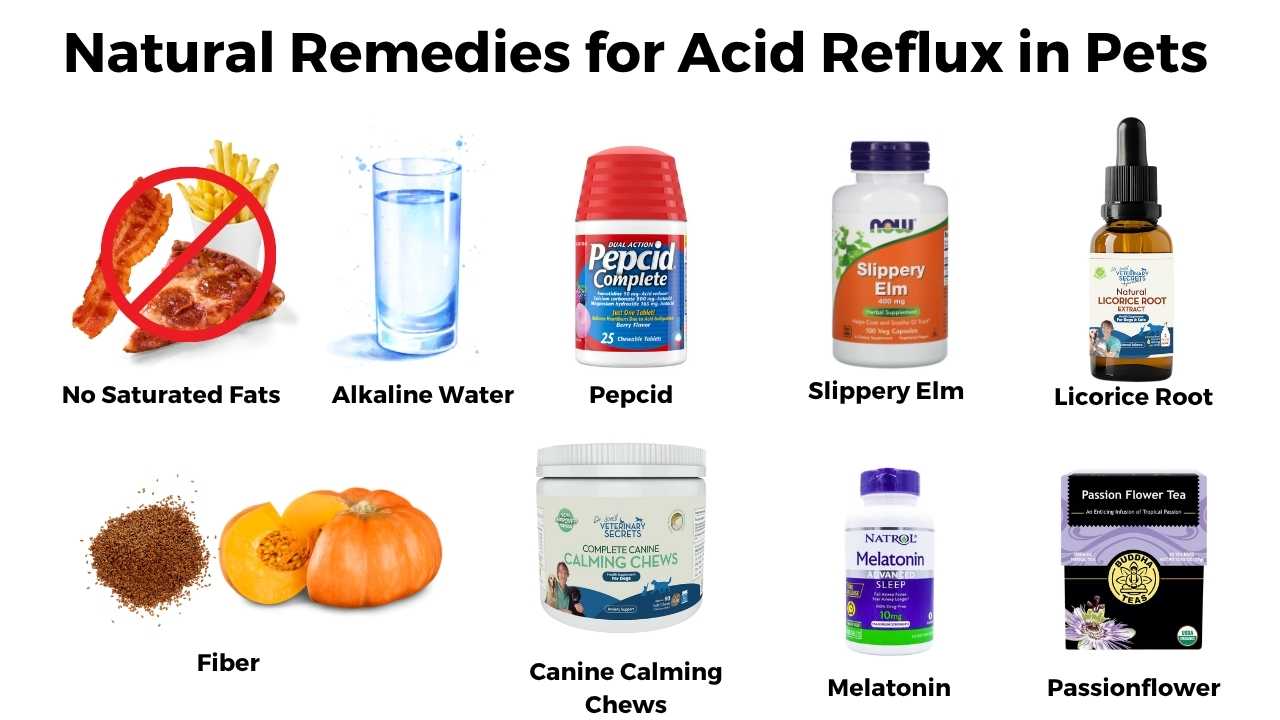


For more expert pet care tips and advice, check out our dedicated Dog Health guides to keep your companions healthy and happy.


