

Introduction
The diet provided to canine companions plays a pivotal role in their overall health, vitality, and longevity. Within the realm of commercial dog foods and the broader spectrum of canine nutrition, the terms “dog food additives” and “supplements” frequently arise. Additives refer to substances intentionally added to food to achieve a specific technical or sensory effect, such as preservation, coloring, or flavoring. Supplements, conversely, are typically concentrated forms of nutrients or other substances intended to complement a dog’s existing diet, often to address potential deficiencies, support specific bodily functions, or manage health conditions. Understanding these components is crucial for dog owners, as informed choices directly impact a dogs nutritional intake, behavior, and long-term well-being. This knowledge empowers owners to make discerning decisions about what goes into their dog’s bowl, ultimately contributing to a higher quality of life for their beloved animal.
💡 Pet Care Key Takeaways:
- Core Focus: Practical health, nutrition, and wellness guidelines for Dog Food Additives And Supplements.
- Target Scope: Pet owners, animal caregivers, and veterinary support staff.
- Best Recommendation: Maintain consistent daily routines and consult an accredited veterinarian before introducing major diet or medical changes.
Common Causes and Key Factors
The inclusion of various substances in dog food stems from a range of purposes, from ensuring product safety and palatability to enhancing nutritional value. Dog food additives serve several key functions. Preservatives, for instance, are essential for preventing spoilage, maintaining freshness, and extending shelf life; these can be natural, like tocopherols (Vitamin E), or synthetic. Antioxidants are often added to protect fats from oxidation, which can lead to rancidity and nutrient degradation, while also supporting cellular health within the dog’s body. Colorants and flavorants are sometimes incorporated to make food more appealing, often to the human purchaser, though their direct nutritional benefit to the dog is generally minimal. Binders and emulsifiers contribute to the food’s texture and consistency, ensuring a uniform product. For more related activities, check out our “Fortiflora” And “Gut Health”.
Supplements, on the other hand, typically address more targeted nutritional or health needs. A primary reason for supplementation is to fill potential nutritional gaps in a dog’s base diet, especially if the food is not complete and balanced or if a dog has specific dietary restrictions. Different life stages, such as puppyhood, senior years, or pregnancy, often present unique nutritional demands that standard food might not fully meet, prompting the use of specialized supplements. Specific health concerns, including joint pain, skin conditions, digestive issues, or compromised immune function, frequently benefit from targeted supplemental support. Furthermore, certain dog breeds are predisposed to particular health conditions, making proactive supplementation a consideration. Ultimately, the quality and formulation of a dog’s primary food can influence the perceived necessity of additional supplements, highlighting the importance of a high-quality foundational diet.
Signs and Symptoms to Observe
Careful observation of a dog’s physical condition and behavior can provide valuable insights into the efficacy or adverse effects of food additives and supplements. When beneficial additives or appropriate supplements are integrated into a dog’s diet, positive changes are often evident. These can include a noticeably shinier, healthier coat with reduced shedding, improved digestion manifested by regular and well-formed stools, increased energy levels, and enhanced mobility, particularly in older dogs receiving joint support. A stronger immune response, leading to fewer minor infections or quicker recovery, can also be a positive indicator.
Conversely, adverse reactions to certain additives or inappropriate supplementation can manifest in various ways. Digestive upset is common, presenting as vomiting, diarrhea, excessive gas, or changes in appetite. Skin issues such as itching, rashes, hot spots, or dull coat quality may suggest sensitivities. Behavioral changes, including hyperactivity, unusual lethargy, or increased anxiety, can sometimes be linked to dietary components. More severe reactions, though less common, can include allergic responses like facial swelling or difficulty breathing, requiring immediate attention. Unexplained weight gain or loss, or interactions with existing medications, are also important signs to monitor, indicating that a review of dietary components, including additives and supplements, may be necessary.
Practical Solutions and Management Strategies
Effective management of a dog’s diet, including additives and supplements, begins with informed decision-making. A fundamental strategy involves meticulously understanding food labels. Decoding ingredient lists, identifying common additives (both beneficial and potentially concerning), and recognizing nutritional content are essential skills for any dog owner. Prioritizing high-quality commercial dog foods that feature whole ingredients and minimize artificial additives is generally recommended.
Identifying a dog’s specific needs is another crucial step. This requires assessing factors such as age, breed-specific requirements, activity level, and any existing health conditions. When considering supplements, thorough research into specific ingredients, recommended dosages, and the reputation of the brand is paramount. Introducing any new food or supplement gradually allows for careful monitoring of a dog’s response, helping to identify potential adverse reactions early. Maintaining a dietary journal can be highly beneficial, documenting changes in food, new supplements, and any observed effects on the dog’s health or behavior, providing a clear record for review. For dogs with complex needs, dietary rotation, under professional guidance, can sometimes offer varied nutritional benefits.
When Professional Help May Be Needed
While many dietary adjustments can be managed by attentive dog owners, certain situations warrant professional veterinary consultation. Persistent symptoms such as chronic vomiting, diarrhea, unexplained lethargy, or unresolved skin problems are clear indicators that veterinary intervention is necessary to rule out underlying health issues and to evaluate dietary contributions. Any suspected allergic reactions, especially those involving facial swelling, hives, or breathing difficulties, demand immediate veterinary attention.
Before initiating any new supplements, particularly for dogs with pre-existing health conditions or those currently on medication, it is responsible practice to consult a veterinarian. This prevents potential adverse interactions and ensures the supplement is appropriate for the dog’s specific health profile. Suspected dietary deficiencies or excesses, which can lead to long-term health problems, also require professional assessment. If behavioral changes are noticed and a dietary link is suspected after ruling out other causes, veterinary advice can help explore nutritional solutions. For complex dietary challenges or to develop a tailored nutritional plan for specific health management or life stages, consulting with a veterinary nutritionist can provide specialized guidance and expertise.
Conclusion
Understanding dog food additives and supplements is an essential aspect of responsible dog ownership, profoundly influencing a dog’s health and vitality. Additives serve diverse purposes, from preservation to palatability, while supplements target specific nutritional gaps or health requirements. Awareness of what these substances are, why they are used, and how they can affect a dog is key to making informed dietary choices. Diligent observation of a dog’s physical condition and behavior provides invaluable feedback on dietary efficacy. While thoughtful label reading and careful selection of high-quality foods form the foundation of canine nutrition, strategic supplementation, guided by specific needs, can further optimize well-being. Ultimately, a proactive approach, characterized by consistent care, informed decision-making, and timely professional consultation, ensures that a dog receives the optimal nutrition needed to thrive throughout its life.
Pet Care & Wellness Overview Table
| Life Stage | Daily Activity Level | Key Nutrition / Care Focus |
|---|---|---|
| Puppy / Kitten | High (frequent short bursts) | High-protein growth diet & early socialization |
| Adult Companion | Moderate (30–60 mins daily) | Balanced maintenance nutrition & dental hygiene |
| Senior Pets | Low to Gentle (mindful walks) | Joint support (Glucosamine) & routine vet checks |
Images References

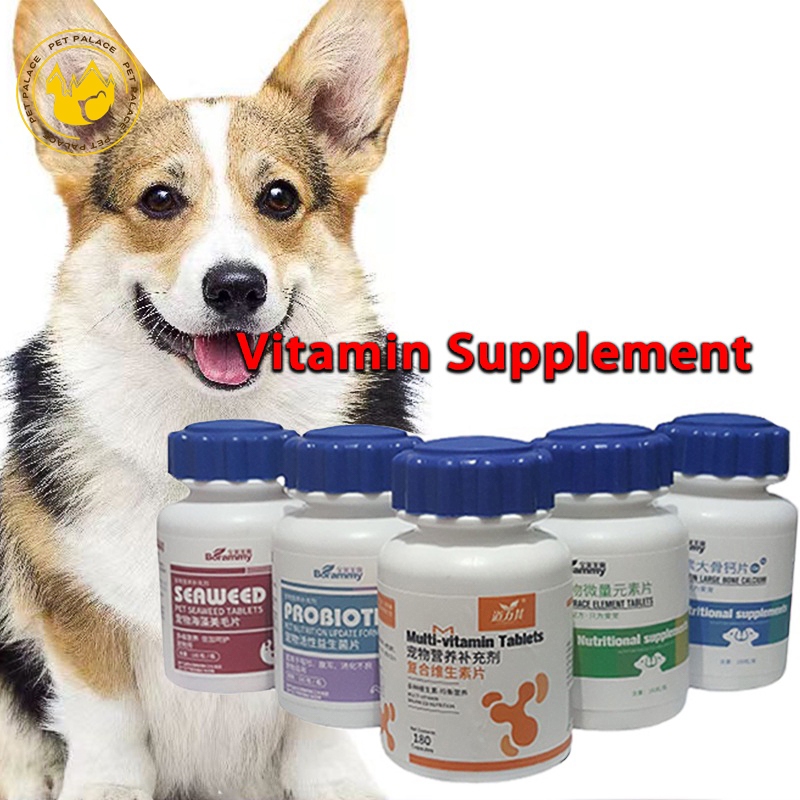




For more expert pet care tips and advice, check out our dedicated Dog Nutrition guides to keep your companions healthy and happy.




