

Introduction
Understanding the phrase “dog food complete and balanced” is fundamental for any dog owner committed to their pet’s long-term health and vitality. This specific terminology, often found on pet food packaging, signifies that the food provides all the essential nutrientsin the correct proportionsthat a dog needs for its particular life stage. It is not merely a marketing slogan but a guarantee of nutritional adequacy. Many common health issues, subtle behavioral changes, or a general lack of vigor in dogs can often be traced back to dietary deficiencies or imbalances. By grasping the true meaning and implications of a complete and balanced diet, individuals can make informed choices that profoundly improve a dogs physical well-being, support optimal behavior, and enhance overall quality of life.
💡 Pet Care Key Takeaways:
- Core Focus: Practical health, nutrition, and wellness guidelines for Dog Food Complete And Balanced.
- Target Scope: Pet owners, animal caregivers, and veterinary support staff.
- Best Recommendation: Maintain consistent daily routines and consult an accredited veterinarian before introducing major diet or medical changes.
Common Causes and Key Factors
The concept of a “complete and balanced” dog food is rooted in scientific nutritional standards, primarily those set by the Association of American Feed Control Officials (AAFCO) in many English-speaking countries. A dog food achieves this status when it has been formulated to meet or exceed these established nutrient profiles for a specific life stage, such as growth (puppies), adult maintenance, gestation/lactation, or all life stages. Products that claim to be complete and balanced must adhere to rigorous testing or formulation guidelines to ensure they provide appropriate levels of proteins, fats, carbohydrates, vitamins, and minerals. For more related activities, check out our Pitbullnutrition.
Factors contributing to a diet that is not complete and balanced often include the feeding of homemade diets without proper veterinary nutritionist guidance. While well-intentioned, these diets frequently lack crucial micronutrients or contain incorrect ratios of macronutrients, leading to long-term health problems. Similarly, an over-reliance on treats or table scraps, which are not designed to be nutritionally complete, can displace essential nutrients from the dog’s primary diet. Misinterpreting pet food labels, particularly failing to identify the AAFCO statement or choosing foods not formulated for a dog’s specific age or physiological state, also contributes to nutritional inadequacies. Furthermore, some marketing claims might suggest premium quality without truly meeting complete and balanced standards, necessitating careful label scrutiny.
Signs and Symptoms to Observe
Observing a dog for signs that may indicate a nutritionally imbalanced diet is a critical aspect of responsible pet ownership. Physical indicators can manifest in various ways. A dull, dry, or brittle coat, excessive shedding, or skin irritation may suggest deficiencies in essential fatty acids or certain vitamins. Lethargy, a lack of energy, or reduced stamina during exercise often point to insufficient caloric intake or a lack of specific B vitamins. Weight issues, ranging from being underweight with prominent ribs to obesity, can stem from improper caloric density or nutrient utilization.
Digestive upset, such as chronic diarrhea, constipation, or frequent vomiting, can be symptomatic of an inappropriate fiber content or ingredients that are difficult for the dog to digest. Poor muscle mass development in growing puppies or muscle wasting in adult and senior dogs might indicate inadequate protein intake. Beyond physical signs, behavioral changes can also emerge. A dog might exhibit irritability, a diminished capacity for training focus, or even picathe consumption of non-food itemspotentially signaling underlying nutritional deficiencies. These signs can vary depending on a dogs age; puppies with inadequate nutrition may display stunted growth, while seniors might experience accelerated cognitive decline or joint issues.
Practical Solutions and Management Strategies
Ensuring a dog receives a complete and balanced diet begins with informed choices about its primary food source. The most crucial step involves carefully reading pet food labels for an explicit AAFCO statement confirming that the food is formulated to meet the nutritional levels established for a specific life stage (e.g., “for growth,” “for adult maintenance,” or “for all life stages”). This statement serves as an assurance of nutritional adequacy.
Regular consultation with a veterinarian is also highly recommended. A veterinary professional can offer guidance on appropriate food choices tailored to a dog’s age, breed, activity level, and any existing health conditions. It is essential to select foods specifically designed for a dog’s current life stage, as the nutritional requirements of a growing puppy differ significantly from those of a sedentary senior dog. Avoiding casual supplementation with vitamins or minerals is also important; while intended to help, over-supplementation can be just as detrimental as deficiencies, potentially leading to toxicities. For individuals considering a homemade diet, it is imperative to work with a board-certified veterinary nutritionist who can formulate a recipe that is truly complete and balanced, ensuring all essential nutrients are provided in the correct amounts. When transitioning a dog to a new food, a gradual approach over several days helps prevent digestive upset. Finally, ensuring constant access to fresh, clean water is paramount, as proper hydration works synergistically with a balanced diet to support overall health.
When Professional Help May Be Needed
While many dietary adjustments can be managed by a vigilant owner, certain situations warrant the expertise of a veterinary professional. If a dog exhibits persistent health issues despite consistent feeding of a complete and balanced commercial diet, veterinary consultation is crucial. This includes ongoing digestive problems, chronic skin and coat issues, unexplained weight loss or gain, or unusual behavioral changes that do not resolve with basic dietary reviews.
Suspected nutritional deficiencies or excesses often require diagnostic tests, such as blood work or specialized panels, which can only be ordered and interpreted by a veterinarian. For dogs with specific medical conditions like kidney disease, pancreatitis, allergies, or diabetes, a veterinarian will likely recommend or prescribe therapeutic diets that are precisely formulated to support their health without exacerbating their condition. In complex cases, especially when considering homemade diets for dogs with multiple health concerns, consulting with a board-certified veterinary nutritionist becomes invaluable. These specialists possess advanced knowledge in animal nutrition and can formulate highly specific, balanced diets that meet unique individual needs.
Conclusion
The foundation of a dog’s health, vitality, and even its behavior lies significantly in the quality of its diet. Understanding the concept of “dog food complete and balanced” is not merely about selecting a brand, but about making informed choices that fulfill a dog’s intricate nutritional requirements. The AAFCO statement on pet food labels serves as a crucial guide, assuring that the food provides all necessary nutrients for a dog’s specific life stage. Consistent observation of a dog’s physical condition and behavior, combined with regular veterinary guidance, empowers owners to proactively address any potential dietary concerns. Prioritizing a complete and balanced diet is one of the most impactful ways to support a dog’s long-term health, ensuring a happy, energetic, and thriving companion for years to come.
Pet Care & Wellness Overview Table
| Life Stage | Daily Activity Level | Key Nutrition / Care Focus |
|---|---|---|
| Puppy / Kitten | High (frequent short bursts) | High-protein growth diet & early socialization |
| Adult Companion | Moderate (30–60 mins daily) | Balanced maintenance nutrition & dental hygiene |
| Senior Pets | Low to Gentle (mindful walks) | Joint support (Glucosamine) & routine vet checks |
Images References



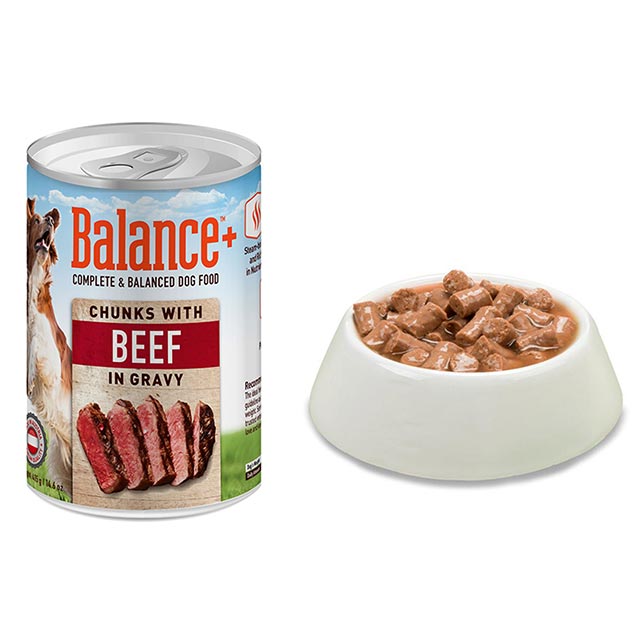





For more expert pet care tips and advice, check out our dedicated Dog Nutrition guides to keep your companions healthy and happy.




