
Introduction
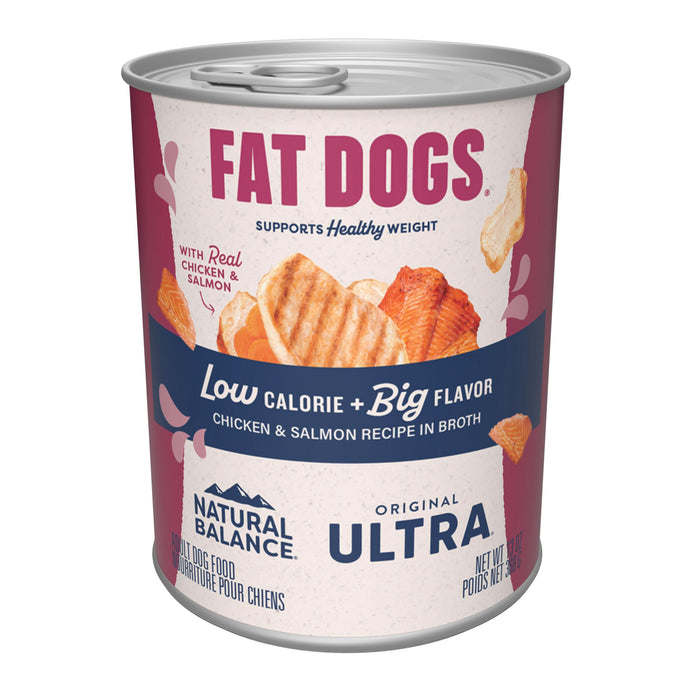
Canine obesity is a significant health concern affecting a substantial portion of the global dog population. Addressing this issue often requires a multi-faceted approach, with a specialized diet playing a pivotal role. The concept of “dog food for fat dogs” refers to nutritionally formulated diets specifically designed to help overweight or obese dogs achieve and maintain a healthy weight. These diets are not merely smaller portions of regular food but are carefully balanced to provide essential nutrients while controlling calorie intake. Understanding the importance of this specialized nutrition is crucial for dog owners, as a proper dietary regimen can dramatically improve a dog’s physical health, increase its energy levels, reduce the risk of secondary health complications, and ultimately enhance its overall quality of life and longevity. This dietary adjustment becomes particularly relevant when a dog’s weight begins to impact its mobility, vitality, and general well-being.
💡 Pet Care Key Takeaways:
- Core Focus: Practical health, nutrition, and wellness guidelines for Dog Food For Fat Dogs.
- Target Scope: Pet owners, animal caregivers, and veterinary support staff.
- Best Recommendation: Maintain consistent daily routines and consult an accredited veterinarian before introducing major diet or medical changes.
Common Causes and Key Factors
The development of excess weight in dogs is typically a result of an imbalance between calorie intake and energy expenditure. Several factors contribute to this condition, making the need for appropriate “dog food for fat dogs” a common requirement. For more related activities, check out our Pitbullnutrition.
A primary cause is dietary imbalance, often characterized by overfeeding regular maintenance diets, providing excessive high-calorie treats, or supplementing meals with human food scraps. Many standard dog foods are formulated for active dogs, and if a dog’s activity level does not match the calorie density of its food, weight gain is inevitable.
Insufficient physical activity is another major contributor. Sedentary lifestyles, whether due to owner habits, limited space, or a dog’s age or health constraints, mean fewer calories are burned, leading to an accumulation of fat reserves. The specific needs for exercise vary greatly by breed and individual temperament.
Genetic predisposition and breed factors also play a role. Certain breeds, such as Labrador Retrievers, Beagles, Dachshunds, and Shetland Sheepdogs, are inherently more prone to weight gain due to genetic influences on metabolism and appetite. Similarly, individual dogs within any breed can have a naturally slower metabolism.
Age is a significant factor, as a dog’s metabolic rate naturally slows with maturity. Senior dogs often require fewer calories to maintain weight, even if their activity levels remain relatively consistent.
Lastly, medical conditions such as hypothyroidism (underactive thyroid) or Cushing’s disease (overproduction of cortisol) can cause weight gain despite controlled eating habits. While less common, neutering or spaying can also lead to a slight reduction in metabolic rate, necessitating a minor adjustment in calorie intake.
Signs and Symptoms to Observe
Recognizing the signs that a dog may benefit from “dog food for fat dogs” is the first step toward effective weight management. Observational skills are key for dog owners.
The most obvious indicator is visible weight gain. This manifests as an inability to easily feel the dog’s ribs without applying significant pressure, a lack of a discernible waistline when viewed from above, and a sagging or distended abdomen. The body shape may appear more rounded rather than tucked.
Reduced activity and stamina are common behavioral symptoms. An overweight dog might be less enthusiastic about walks or play, tire more quickly during exercise, or show reluctance to jump, climb stairs, or engage in activities it once enjoyed. This can be more pronounced in older dogs or those with pre-existing joint issues.
Difficulty breathing can also be observed, especially after mild exertion. Excessive panting or labored breathing indicates the extra weight is straining the cardiovascular and respiratory systems.
Joint pain or stiffness often becomes evident. The added stress on joints and ligaments can exacerbate conditions like arthritis or hip dysplasia, leading to limping, difficulty getting up, or a hesitant gait.
Other subtle signs include grooming difficulties, where a dog struggles to reach certain areas to clean itself, or changes in coat quality. While often related to diet overall, these can also be indirect indicators of compromised health due to obesity. Owners might also notice an increased tendency to beg for food or a constant preoccupation with food if feeding habits have reinforced such behaviors.
Practical Solutions and Management Strategies
Addressing canine obesity effectively requires a commitment to practical solutions and consistent management strategies, with specialized “dog food for fat dogs” at the core of the plan.
The cornerstone of weight management is dietary modification. This involves transitioning the dog to a veterinary-prescribed or commercially available weight management, “light,” or reduced-calorie formula. These diets are typically lower in fat and calories, higher in fiber to promote satiety, and enriched with L-carnitine to support fat metabolism. It is crucial to measure food portions precisely, often based on the dog’s ideal target weight rather than its current weight. Using a kitchen scale for accuracy can be highly beneficial. Meal timing should be consistent, often divided into two or three smaller meals per day, rather than free-feeding.
Controlling treats and human food is equally important. Many commercial treats are high in calories; low-calorie options like plain green beans, carrot sticks, or specialized diet treats can be used sparingly. Completely eliminating human food scraps from the diet is often necessary to avoid unintended calorie intake. Puzzle feeders or slow-feeder bowls can help extend mealtime, promoting satiety and mental stimulation.
Increased physical activity must complement dietary changes. Exercise plans should be introduced gradually, starting with shorter, less strenuous activities and progressively increasing duration and intensity as the dog’s fitness improves. Daily walks, structured play sessions, swimming, or even supervised off-leash play in secure areas can be effective. The type and amount of exercise should be appropriate for the dog’s breed, age, and current physical condition, with careful consideration for any pre-existing joint issues. Consistency in the exercise routine is paramount for calorie expenditure and muscle maintenance.
Finally, involving the entire household in the weight management plan ensures consistency. Everyone who interacts with the dog must understand the new feeding regimen and the importance of not providing extra treats or food. Regular weigh-ins, typically bi-weekly or monthly, help monitor progress and allow for adjustments to the diet or exercise plan as needed.
When Professional Help May Be Needed
While many cases of canine obesity can be managed with dedicated home care, there are specific situations where professional veterinary consultation becomes essential. Seeking expert advice ensures the dog receives the most appropriate and safe treatment plan.
Professional help is strongly recommended if weight gain occurs despite diligent efforts to control diet and increase exercise. This could indicate an underlying medical condition that requires veterinary diagnosis and treatment, such as hypothyroidism or Cushing’s disease, which cannot be managed solely through dietary adjustments.
If associated health issues manifest or worsen, such as severe lameness, extreme lethargy, chronic panting, or significant changes in water intake or urination, immediate veterinary attention is warranted. These symptoms could be direct complications of obesity or signs of a co-occurring illness.
Owners who find themselves struggling to create or adhere to an effective weight management plan can greatly benefit from professional guidance. A veterinarian can provide precise recommendations for “dog food for fat dogs,” calculate exact calorie requirements based on the dog’s ideal body weight, and help devise a safe and sustainable exercise regimen. They can also offer support and strategies for managing behavioral aspects related to food.
Furthermore, obtaining an initial body condition assessment from a veterinarian is invaluable. They can accurately determine the degree of overweight or obesity, set realistic weight loss goals, and monitor progress effectively. This professional oversight helps ensure that the weight loss process is healthy, gradual, and avoids potential nutritional deficiencies.
Conclusion
Managing canine obesity is a critical aspect of responsible dog ownership, with “dog food for fat dogs” serving as a cornerstone of intervention. The prevalence of overweight and obese dogs underscores the importance of awareness, consistent care, and a proactive approach to pet nutrition. By understanding the common causes of weight gain, recognizing the subtle and overt signs, and implementing practical strategies such as transitioning to specialized diets and increasing physical activity, owners can significantly impact their dog’s health trajectory. When home efforts prove challenging or when underlying health concerns are suspected, seeking professional veterinary guidance is crucial for developing a safe and effective weight management plan. Ultimately, a commitment to a healthy diet and lifestyle not only extends a dog’s lifespan but also enhances its vitality, mobility, and overall happiness, allowing for a more fulfilling companionship.
Pet Care & Wellness Overview Table
| Life Stage | Daily Activity Level | Key Nutrition / Care Focus |
|---|---|---|
| Puppy / Kitten | High (frequent short bursts) | High-protein growth diet & early socialization |
| Adult Companion | Moderate (30–60 mins daily) | Balanced maintenance nutrition & dental hygiene |
| Senior Pets | Low to Gentle (mindful walks) | Joint support (Glucosamine) & routine vet checks |
Images References

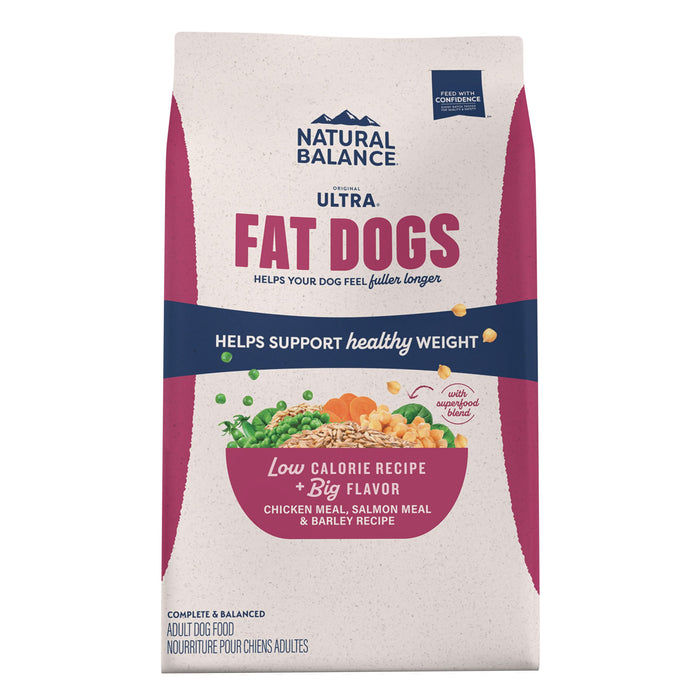





For more expert pet care tips and advice, check out our dedicated Dog Nutrition guides to keep your companions healthy and happy.




