Introduction
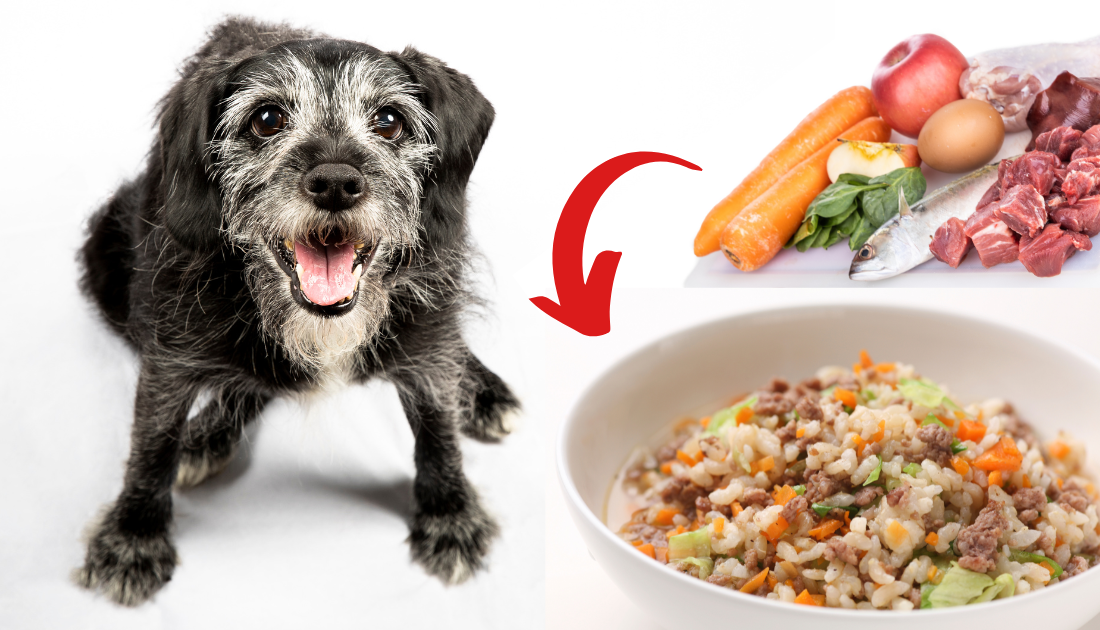
As beloved canine companions age, their nutritional needs undergo significant changes. Understanding “dog food for old dogs” is not merely about selecting a bag labeled “senior formula”; it involves a crucial shift in dietary philosophy to support a dog’s golden years. Just like humans, older dogs experience physiological changes that impact metabolism, joint health, cognitive function, and organ efficiency. Providing appropriate nutrition for senior dogs can dramatically influence their comfort, vitality, and overall quality of life. This article explores the specific considerations for feeding older dogs, offering insights into how tailored dietary choices can help mitigate age-related issues and foster continued well-being. Recognizing when and why a dog’s diet needs adjustment is a fundamental step in ensuring a healthy and happy senior life. Explore more in our Dog Nutrition collection.
💡 Pet Care Key Takeaways:
- Core Focus: Practical health, nutrition, and wellness guidelines for Dog Food For Old Dogs.
- Target Scope: Pet owners, animal caregivers, and veterinary support staff.
- Best Recommendation: Maintain consistent daily routines and consult an accredited veterinarian before introducing major diet or medical changes.
Common Causes and Key Factors
The necessity for specialized dog food for old dogs stems from several physiological changes associated with aging. A primary factor is a general slowdown in metabolism, which often leads to reduced energy requirements. If calorie intake is not adjusted, senior dogs can easily become overweight or obese, exacerbating joint problems and increasing the risk of other health conditions. For more related activities, check out our Purina One Xxl 10Kg Feeding Guide 20Kg Dog.
Another critical aspect is the decline in muscle mass, known as sarcopenia, which necessitates sufficient levels of high-quality protein to help maintain lean body mass without overtaxing the kidneys. Dental health also frequently deteriorates in older dogs, with worn teeth, gum disease, or missing teeth making it difficult to chew harder kibble. Discover more free resources across our collection library.
Joint health is a pervasive concern, as arthritis and other degenerative conditions become more common. Diets enriched with omega-3 fatty acids, glucosamine, and chondroitin can provide anti-inflammatory support and promote cartilage health. Furthermore, the efficiency of the digestive system can decrease, leading to potential issues with nutrient absorption or increased sensitivity, making digestible ingredients and sometimes higher fiber beneficial.
Organ function, particularly kidney and heart health, often warrants consideration. Senior diets may feature controlled levels of phosphorus and sodium to support these vital organs. Cognitive decline, mirroring human Alzheimer’s, can also occur, making antioxidants and medium-chain triglycerides (MCTs) valuable for brain health. Each of these age-related changes contributes to the specific nutritional profile required for dog food for old dogs.
Signs and Symptoms to Observe
Recognizing when a dog’s diet needs to change begins with careful observation of their physical condition and behavior. One of the most common indicators is a change in body weight; unexplained weight gain despite consistent feeding can signal a slowed metabolism, while significant weight loss could suggest malabsorption or an underlying health issue.
Appetite changes are also telling. A decreased interest in food or a sudden pickiness can indicate dental pain, digestive upset, or even a systemic illness. Conversely, an increased appetite paired with weight loss might suggest conditions like diabetes. Digestive issues such as chronic vomiting, diarrhea, or constipation are clear signs that the current diet may not be suitable.
The condition of the coat and skin can also deteriorate, becoming dull, dry, or flaky, which can be a sign of inadequate nutrient absorption or a lack of essential fatty acids. A noticeable decrease in energy levels, increased lethargy, reluctance to play, or difficulty getting up and moving indicate potential joint pain or generalized discomfort, suggesting the need for joint-supporting nutrients.
Subtle behavioral shifts, such as increased confusion, anxiety, or altered sleep-wake cycles, might point to cognitive decline, which certain dietary components can help address. Increased thirst or urination are also important symptoms that warrant veterinary attention and potential dietary adjustments. Observing these signs allows owners to proactively adjust their dog’s diet to meet evolving needs.
Practical Solutions and Management Strategies
Transitioning a senior dog to a new diet requires a gradual approach. A slow introduction over seven to ten days, mixing increasing amounts of the new food with decreasing amounts of the old, helps prevent digestive upset. The most crucial step involves selecting a high-quality “dog food for old dogs” specifically formulated for senior canines. These formulas typically feature controlled calorie levels, higher fiber, moderate protein, and often include beneficial supplements like glucosamine, chondroitin, and omega-3 fatty acids.
Portion control is vital. Even with a senior-specific food, precise measurements and adjustments based on a dog’s activity level and ideal body condition score prevent both obesity and malnourishment. Dividing the daily food allowance into smaller, more frequent meals can also aid digestion and nutrient absorption, especially for dogs with sensitive stomachs or those prone to bloat.
For senior dogs with dental issues or reduced appetite, enhancing palatability can be beneficial. Mixing kibble with warm water, adding a small amount of low-sodium broth, or incorporating high-quality wet food can make meals more appealing and easier to consume. Ensuring constant access to fresh, clean water is also paramount, as hydration supports all bodily functions.
Consultation with a veterinarian regarding specific supplements, such as probiotics for gut health, antioxidants for cognitive support, or additional joint supplements, can further optimize a senior dog’s diet. Regular weight checks and body condition scoring, ideally monthly, help ensure the chosen strategy remains appropriate as the dog continues to age.
When Professional Help May Be Needed
While adjusting “dog food for old dogs” can address many age-related changes, certain signs and symptoms necessitate immediate professional veterinary consultation. Persistent and unexplained weight changes, whether gain or loss, should always be evaluated by a veterinarian, as these can indicate underlying metabolic disorders, organ disease, or even cancer.
Chronic digestive issues, such as ongoing vomiting, diarrhea, or severe constipation that do not resolve with simple dietary adjustments, warrant a veterinary examination to rule out more serious gastrointestinal conditions or food intolerances. Any sudden or significant change in appetite or thirst, including complete food refusal or excessive water consumption, requires prompt medical attention.
Observable signs of pain or discomfort, such as persistent limping, difficulty standing up, vocalization during movement, or reluctance to engage in usual activities, indicate a need for a professional diagnosis and pain management strategy, which may include therapeutic diets. Behavioral shifts like disorientation, increased anxiety, or aggression that are not linked to obvious environmental triggers also merit veterinary assessment for potential cognitive dysfunction or other medical issues.
Finally, dogs with known pre-existing health conditions such as diabetes, kidney disease, heart disease, or liver conditions often require prescription veterinary diets that are specifically formulated to manage their illness. In these cases, any dietary change must be made under strict veterinary guidance to ensure it supports, rather than compromises, their health.
Conclusion
The journey through a dog’s senior years is a special one, and providing the right “dog food for old dogs” plays an indispensable role in ensuring those years are as comfortable and healthy as possible. Recognizing the unique nutritional demands that arise with age from slowing metabolism and joint challenges to cognitive changes and organ function considerations empowers owners to make informed dietary choices. Regular observation of a dog’s physical condition and behavior is key to identifying when a dietary transition is necessary. By selecting appropriate senior formulas, implementing careful feeding strategies, and collaborating closely with veterinary professionals, owners can significantly enhance their senior dog’s vitality and overall well-being. This proactive approach to nutrition not only supports physical health but also contributes to a richer, more fulfilling life for aging canine companions on petsanimalsworld.com.
Pet Care & Wellness Overview Table
| Life Stage | Daily Activity Level | Key Nutrition / Care Focus |
|---|---|---|
| Puppy / Kitten | High (frequent short bursts) | High-protein growth diet & early socialization |
| Adult Companion | Moderate (30–60 mins daily) | Balanced maintenance nutrition & dental hygiene |
| Senior Pets | Low to Gentle (mindful walks) | Joint support (Glucosamine) & routine vet checks |
Images References