

Introduction
Maintaining optimal health for a canine companion involves careful attention to various aspects of their well-being, with nutrition playing a paramount role. Among the specialized dietary considerations, selecting appropriate dog food for urinary health stands out as a critical area for many owners. This particular category of canine nutrition focuses on supporting the intricate systems responsible for urine production and elimination, helping to prevent or manage common conditions that can significantly impact a dog’s comfort and vitality. Urinary issues, such as bladder stones, crystals, or infections, can arise from various factors, including diet. Understanding the specific formulations and benefits of dog food designed for urinary health provides a proactive approach to enhancing a dog’s quality of life and preventing discomfort.
💡 Pet Care Key Takeaways:
- Core Focus: Practical health, nutrition, and wellness guidelines for Dog Food For Urinary Health.
- Target Scope: Pet owners, animal caregivers, and veterinary support staff.
- Best Recommendation: Maintain consistent daily routines and consult an accredited veterinarian before introducing major diet or medical changes.
Common Causes and Key Factors
Several factors contribute to the development of urinary health issues in dogs, many of which can be influenced or exacerbated by diet. One primary cause involves the formation of urinary crystals or stones, which can develop when certain minerals in the urine become too concentrated. These minerals often include magnesium, ammonium, phosphate (forming struvite stones), or calcium oxalate. The pH level of a dog’s urine is also a significant determinant; highly alkaline urine can promote struvite stone formation, while acidic urine may encourage calcium oxalate stones. Insufficient water intake can lead to concentrated urine, increasing the risk of crystal precipitation. Beyond dietary composition, other elements such as bacterial infections of the urinary tract can predispose dogs to complications. Genetic predispositions in certain breeds, obesity, and even stress can also contribute to the onset or recurrence of urinary problems. For instance, breeds like Miniature Schnauzers, Shih Tzus, and Dalmatians are more prone to specific types of bladder stones. Addressing these underlying factors, often through a tailored approach that includes specialized dog food for urinary health, is essential for effective management. For more related activities, check out our Natural Remedies For Fluid Retention In Dogs Australia.
Signs and Symptoms to Observe
Early recognition of urinary issues is crucial for prompt intervention and improved outcomes. Dog owners should remain vigilant for a range of observable signs and behavioral indicators. Common symptoms include increased frequency of urination, often accompanied by straining or difficulty passing urine. Dogs may also exhibit house-soiling accidents, even if previously house-trained, or begin licking their genital area excessively. Blood in the urine, known as hematuria, is a clear red flag and often indicates irritation or inflammation within the urinary tract. Other signs can be more subtle, such as a change in the color or odor of the urine, or general lethargy and loss of appetite. Some dogs may whimper or cry during urination, indicating pain or discomfort. The severity and manifestation of these signs can vary depending on the dog’s age, the specific condition (e.g., infection vs. stones), and the individual dog’s pain tolerance. Any persistent change in urination habits warrants careful observation and, ideally, a professional assessment.
Practical Solutions and Management Strategies
Managing and preventing urinary health issues often involves a multi-faceted approach, with dietary modifications at its core. Selecting a specialized dog food for urinary health is a primary strategy. These diets are typically formulated to address specific concerns:
- pH Modification: Many urinary diets are designed to alter the urine’s pH to either acidify it (to dissolve struvite stones and prevent their recurrence) or to make it slightly less acidic (to prevent calcium oxalate formation).
- Controlled Mineral Levels: These foods often contain restricted levels of minerals like magnesium, phosphorus, and calcium, which are precursors to stone formation.
- Increased Moisture Content: Wet dog food or adding water to kibble increases a dog’s overall fluid intake, leading to more dilute urine. Dilute urine helps to flush the urinary tract and reduces the concentration of stone-forming minerals.
- Added Ingredients: Some formulations include ingredients such as omega-3 fatty acids for anti-inflammatory benefits or specific antioxidants to support overall urinary tract health.
Beyond diet, ensuring constant access to fresh water is vital. Encouraging frequent potty breaks helps prevent urine from sitting in the bladder for extended periods, reducing the risk of bacterial growth and crystal formation. Maintaining a healthy weight also lessens the strain on various bodily systems, including the urinary tract. Consistency in feeding schedules and avoiding table scraps are additional practices that support a dog’s overall health and can contribute positively to urinary well-being.
When Professional Help May Be Needed
While dietary changes are a powerful tool in supporting urinary health, certain situations unequivocally call for professional veterinary intervention. Any observed blood in the urine, persistent straining to urinate, complete inability to urinate, or signs of severe pain require immediate veterinary attention. These symptoms could indicate a urinary obstruction, which is a life-threatening emergency. Furthermore, without a proper diagnosis, attempting to treat urinary issues solely through diet can be ineffective or even detrimental. Different types of urinary stones require different dietary approaches; feeding the wrong specialized food could exacerbate a problem rather than solve it. A veterinarian can perform diagnostic tests such as urinalysis, urine culture, X-rays, or ultrasound to accurately identify the cause of the urinary issue. Based on these findings, a veterinarian can recommend the most appropriate course of action, which may include specific prescription dog food for urinary health, medication, or in some cases, surgical removal of stones. Regular veterinary check-ups are also crucial for monitoring urinary health, especially for dogs with a history of recurrent issues.
Conclusion
The importance of a specialized dog food for urinary health cannot be overstated when it comes to safeguarding a dog’s comfort and longevity. Proactive dietary management, coupled with attentive observation and timely professional consultation, forms the cornerstone of preventing and managing common canine urinary conditions. Understanding the interplay between nutrition, hydration, and overall well-being empowers dog owners to make informed choices that contribute significantly to their pet’s health. By remaining vigilant for any changes in urination patterns and collaborating closely with veterinary professionals, owners can ensure their beloved companions enjoy a healthier, happier life, free from the discomfort of urinary tract issues.
Pet Care & Wellness Overview Table
| Life Stage | Daily Activity Level | Key Nutrition / Care Focus |
|---|---|---|
| Puppy / Kitten | High (frequent short bursts) | High-protein growth diet & early socialization |
| Adult Companion | Moderate (30–60 mins daily) | Balanced maintenance nutrition & dental hygiene |
| Senior Pets | Low to Gentle (mindful walks) | Joint support (Glucosamine) & routine vet checks |
Images References


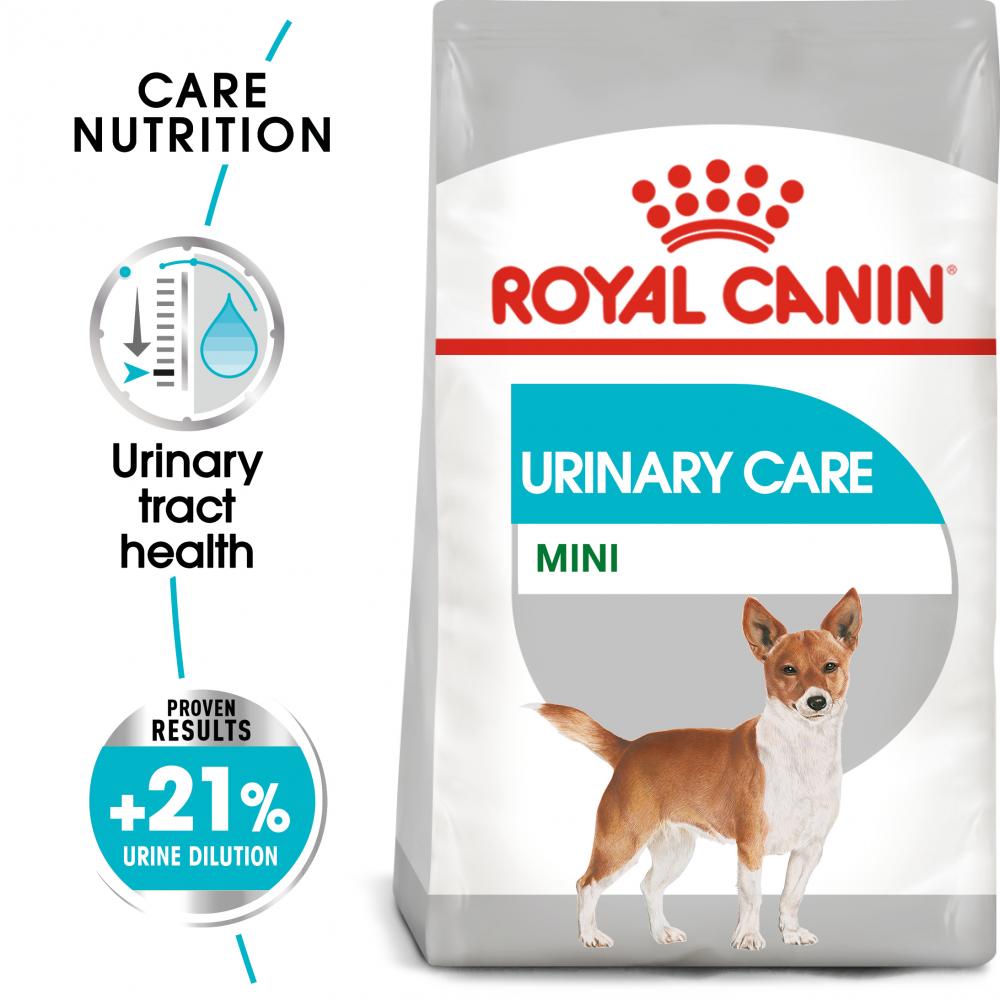

For more expert pet care tips and advice, check out our dedicated Dog Health guides to keep your companions healthy and happy.


