
Introduction
Understanding the specific nutritional requirements for canine weight management is a critical aspect of responsible dog ownership. The term “dog food for weight loss” refers to specially formulated dietary products designed to help overweight or obese dogs safely and effectively shed excess pounds. This category of pet food is developed with precise caloric content, balanced macronutrient profiles, and often increased fiber to promote satiety, all while ensuring adequate nutrient intake. Addressing a dog’s weight issues through appropriate diet is paramount because canine obesity is a prevalent health concern, frequently leading to a myriad of serious health complications, including diabetes, arthritis, heart disease, and a shortened lifespan. By providing the correct nutritional foundation, owners can significantly improve a dogs mobility, energy levels, and overall quality of life, fostering a healthier and happier companion.
💡 Pet Care Key Takeaways:
- Core Focus: Practical health, nutrition, and wellness guidelines for Dog Food For Weight Loss.
- Target Scope: Pet owners, animal caregivers, and veterinary support staff.
- Best Recommendation: Maintain consistent daily routines and consult an accredited veterinarian before introducing major diet or medical changes.
Common Causes and Key Factors
Numerous factors contribute to a dog developing excess weight, often necessitating a specialized diet. The primary cause is an imbalance between caloric intake and expenditure; simply put, a dog consumes more calories than it burns. This often stems from overfeeding, where portions exceed the dog’s actual needs, or from the frequent provision of high-calorie treats and human food scraps. For more related activities, check out our Ol Roy Ingredients List.
Lifestyle factors also play a significant role. A lack of consistent physical activity, such as insufficient daily walks or play, means fewer calories are utilized. Certain breeds are genetically predisposed to weight gain, while older dogs naturally have slower metabolisms and require fewer calories, making them more susceptible to weight gain if their diet is not adjusted. Furthermore, spaying or neutering can alter a dog’s metabolism, increasing the propensity for weight gain.
Underlying medical conditions, though less common, can also contribute to weight gain. Hypothyroidism, which results in a slow metabolism, or Cushing’s disease, an endocrine disorder, can lead to weight gain despite normal food intake. Regular veterinary check-ups can help identify and manage these potential health issues.
Signs and Symptoms to Observe
Recognizing the signs of excess weight in a dog is the first step toward intervention. Observable physical indicators often include difficulty feeling a dog’s ribs without applying significant pressure, a lack of a visible waistline when viewed from above, and a sagging abdomen. When observing a dog from the side, a clear abdominal tuck should be present; its absence suggests excess weight.
Behavioral changes can also signal a dog is carrying too much weight. A reduction in activity level, such as less enthusiasm for walks or play, increased lethargy, or difficulty with movements like jumping, climbing stairs, or getting up after resting, are common. Dogs may also exhibit increased panting with minimal exertion or show signs of discomfort during physical activity. These signs can vary based on the dog’s age and breed; for instance, an older dog might naturally be less active, but a sudden or significant decrease in mobility should prompt concern. Early observation and intervention are crucial for preventing more severe health problems associated with obesity.
Practical Solutions and Management Strategies
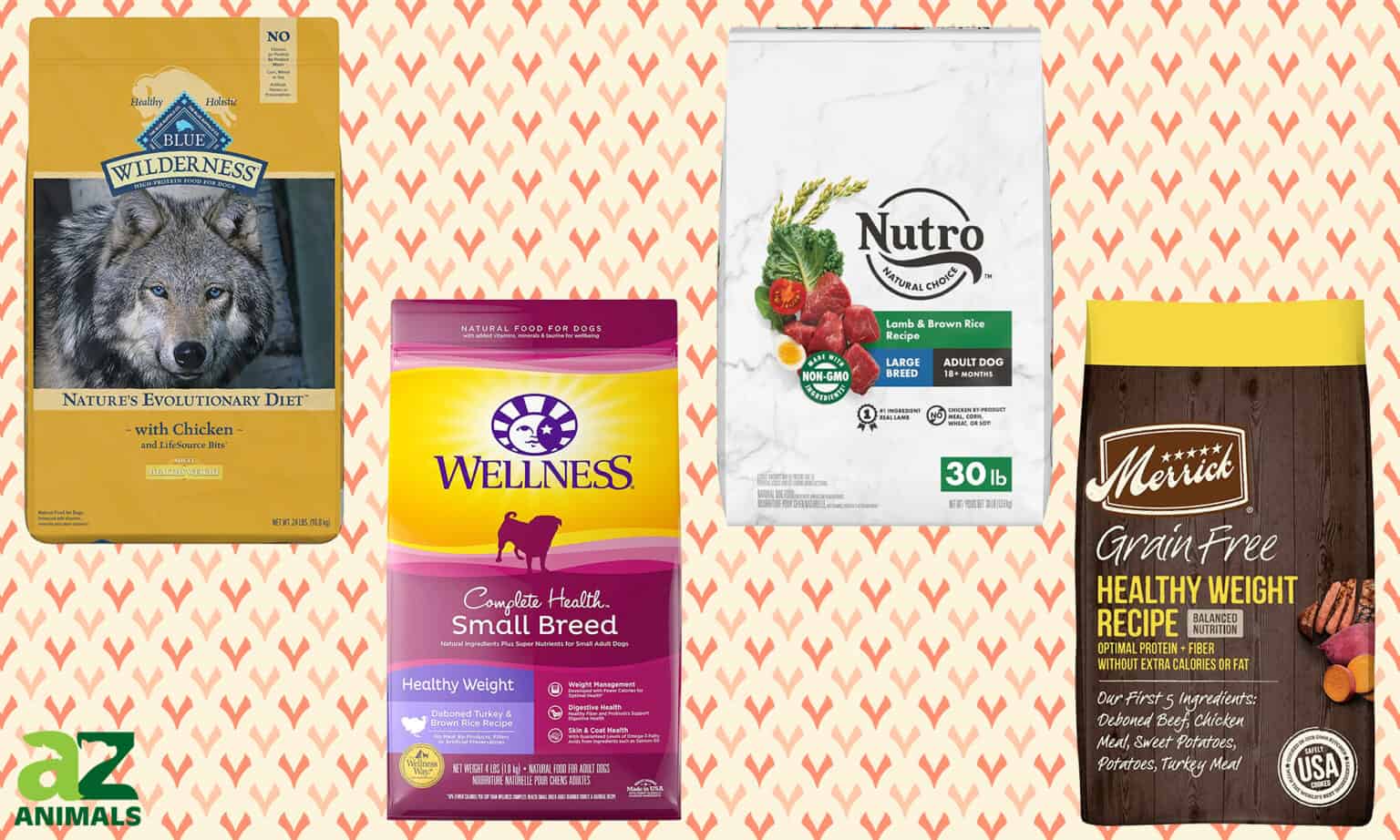
Effectively managing a dog’s weight requires a multi-faceted approach centered on appropriate nutrition and increased physical activity. The cornerstone of this strategy often involves transitioning to a specialized dog food for weight loss. These diets are typically formulated with reduced caloric density, higher fiber content to promote satiety, and an optimal balance of protein to maintain muscle mass while fat is lost. A gradual transition over 7-10 days to the new food prevents digestive upset.
Accurate portion control is paramount. Always measure food precisely according to the recommendations on the dog food packaging or, ideally, a veterinarian’s specific guidance. Avoid free-feeding, where food is left out all day, as this encourages overconsumption. Instead, implement scheduled meal times, typically two meals a day, which allows for better management of intake. Substituting high-calorie treats with healthy, low-calorie alternatives, such as specific vegetables (e.g., carrots, green beans), can significantly reduce extra calorie intake. Complete elimination of human food scraps is also essential for success.
Alongside dietary changes, a consistent exercise regimen is vital. This should be introduced gradually, increasing in intensity and duration as the dog’s fitness improves. Daily walks, engaging play sessions, and interactive toys provide both physical activity and mental stimulation. The type and amount of exercise should be tailored to the dog’s breed, age, and current health status. Regular weigh-ins, typically every 1-2 weeks, help monitor progress and allow for adjustments to the diet or exercise plan as needed. Consistency and patience are key for achieving sustainable weight loss and maintaining a healthy body condition.
When Professional Help May Be Needed
While many cases of canine weight management can be addressed with diligent owner effort, there are specific situations where professional veterinary consultation or specialized support becomes essential. Before initiating any significant dietary changes or weight loss program, a visit to the veterinarian is strongly recommended. This allows for a thorough health assessment to rule out any underlying medical conditions that might be contributing to weight gain, such as hypothyroidism or Cushing’s disease, or that could complicate a weight loss effort.
A veterinarian can also provide an accurate assessment of a dog’s ideal body weight and help formulate a personalized diet and exercise plan tailored to its specific needs, breed, age, and lifestyle. If a dog is not losing weight despite consistent efforts with a chosen diet and exercise routine, or if it experiences any adverse reactions during the weight loss process, professional guidance is crucial. For dogs with severe obesity or complex health conditions, a veterinarian might refer to a board-certified veterinary nutritionist for an even more specialized approach to dietary management. Seeking professional advice ensures the weight loss journey is safe, effective, and addresses all aspects of the dog’s health.
Conclusion
The thoughtful selection and consistent application of dog food for weight loss, combined with a well-structured exercise plan, form the bedrock of successful canine weight management. Understanding the nutritional needs of an overweight dog, diligently monitoring food intake, and gradually increasing physical activity are critical steps toward fostering a healthier life. Canine obesity is a preventable and treatable condition, and proactive intervention significantly reduces the risk of numerous associated health complications, enhancing a dogs vitality and longevity. By remaining vigilant, observing behavioral and physical changes, and engaging with veterinary professionals when necessary, dog owners demonstrate a profound commitment to their companion’s welfare. Prioritizing proper nutrition and a healthy lifestyle empowers dogs to live their fullest, happiest lives, enriching the bond shared with their human families.
Pet Care & Wellness Overview Table
| Life Stage | Daily Activity Level | Key Nutrition / Care Focus |
|---|---|---|
| Puppy / Kitten | High (frequent short bursts) | High-protein growth diet & early socialization |
| Adult Companion | Moderate (30–60 mins daily) | Balanced maintenance nutrition & dental hygiene |
| Senior Pets | Low to Gentle (mindful walks) | Joint support (Glucosamine) & routine vet checks |
Images References




For more expert pet care tips and advice, check out our dedicated Dog Nutrition guides to keep your companions healthy and happy.




