

Introduction
Achieving and maintaining a “dog food healthy weight” stands as a cornerstone of canine well-being, directly impacting a dog’s longevity, vitality, and overall quality of life. This phrase encapsulates the vital role nutrition plays in preventing the myriad health issues associated with inappropriate body weight, whether it be obesity or malnourishment. Understanding how to select and administer dog food to support a healthy weight is paramount for responsible pet ownership. Weight management often becomes a concern due to factors such as overfeeding, insufficient exercise, or the consumption of diets not tailored to a dogs specific needs. A dog at its ideal weight typically exhibits greater energy, reduced risk of chronic diseases, and a more comfortable existence, making informed dietary choices an essential aspect of responsible dog care.
💡 Pet Care Key Takeaways:
- Core Focus: Practical health, nutrition, and wellness guidelines for Dog Food Healthy Weight.
- Target Scope: Pet owners, animal caregivers, and veterinary support staff.
- Best Recommendation: Maintain consistent daily routines and consult an accredited veterinarian before introducing major diet or medical changes.
Common Causes and Key Factors
Several factors contribute to a dogs inability to maintain a healthy weight, primarily revolving around dietary practices and activity levels. One significant cause is the miscalculation of food portions; many owners inadvertently overfeed their dogs, often by not accurately measuring kibble or by offering excessive treats. The caloric density of certain dog foods also plays a role, as formulas designed for highly active dogs may contain too many calories for a sedentary companion. For more related activities, check out our Pitbullnutrition.
Beyond food quantity, the type of dog food offered can be a contributing factor. Diets high in carbohydrates or fats, without adequate protein and fiber, can lead to weight gain. Similarly, a lack of sufficient physical activity is a major contributor to unhealthy weight. Dogs require regular exercise tailored to their breed, age, and energy levels to burn calories and maintain muscle mass. Genetic predispositions also exist, with certain breeds showing a greater propensity for weight gain due to slower metabolisms. Environmental factors, such as easy access to human food scraps or multiple pets being fed from the same bowl without supervision, can also lead to an imbalanced caloric intake.
Signs and Symptoms to Observe
Recognizing the signs that a dog’s weight may be unhealthy is crucial for early intervention. A dog at a healthy weight typically has an easily palpable rib cage without visible fat covering it, a discernible waistline when viewed from above, and an abdominal tuck when viewed from the side. Deviations from these physical characteristics serve as primary indicators.
An overweight dog may exhibit a difficulty feeling the ribs, a broad or absent waistline, and a sagging abdomen. Behavioral changes are also common, including reduced stamina, reluctance to play or go for walks, increased lethargy, and heavy panting after minimal exertion. Conversely, an underweight dog will show very prominent ribs, hip bones, and vertebrae with little to no muscle mass. Such a dog may also appear lethargic or develop a dull coat. Owners should regularly assess their dog’s Body Condition Score (BCS) through visual inspection and gentle palpation to monitor these subtle but important shifts.
Practical Solutions and Management Strategies
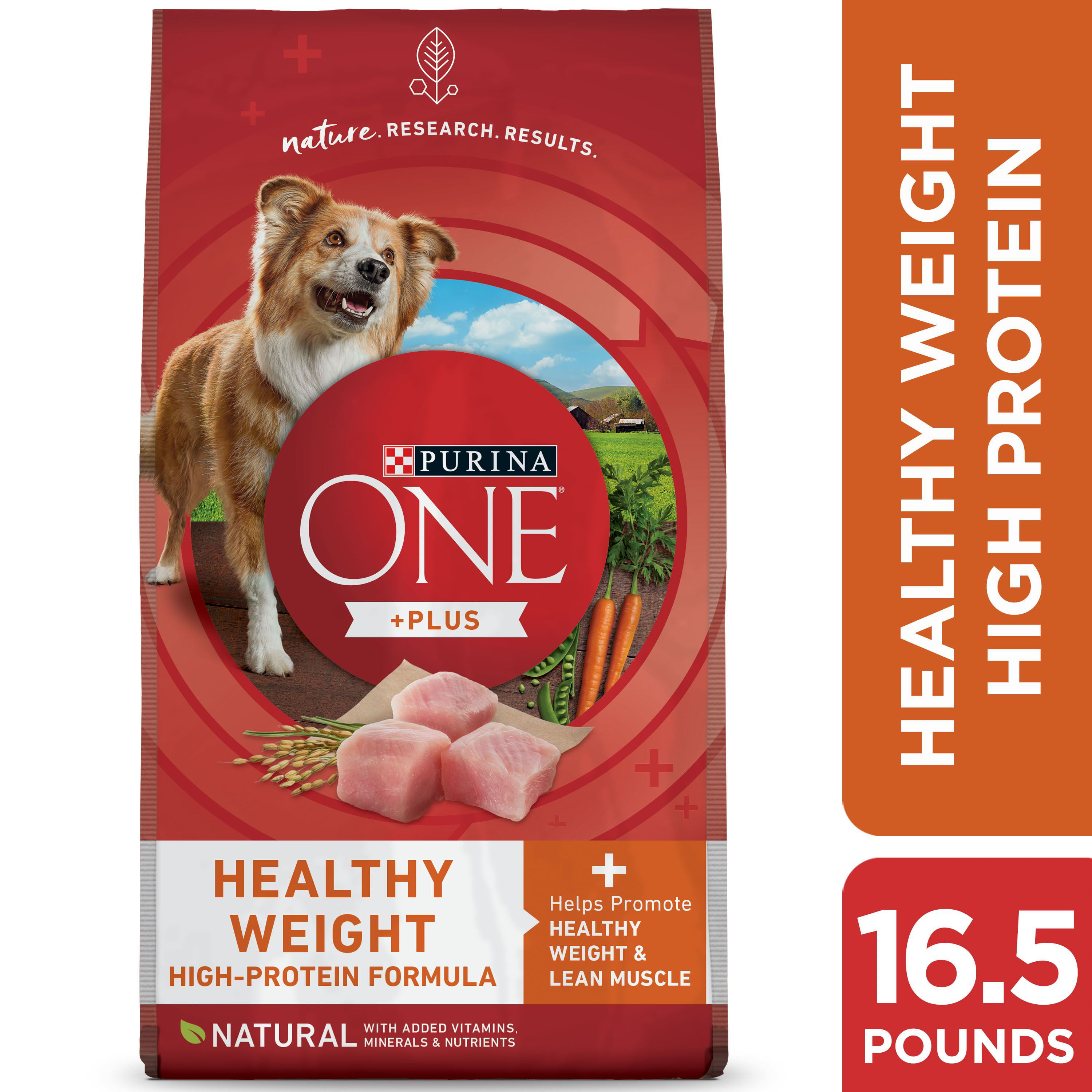
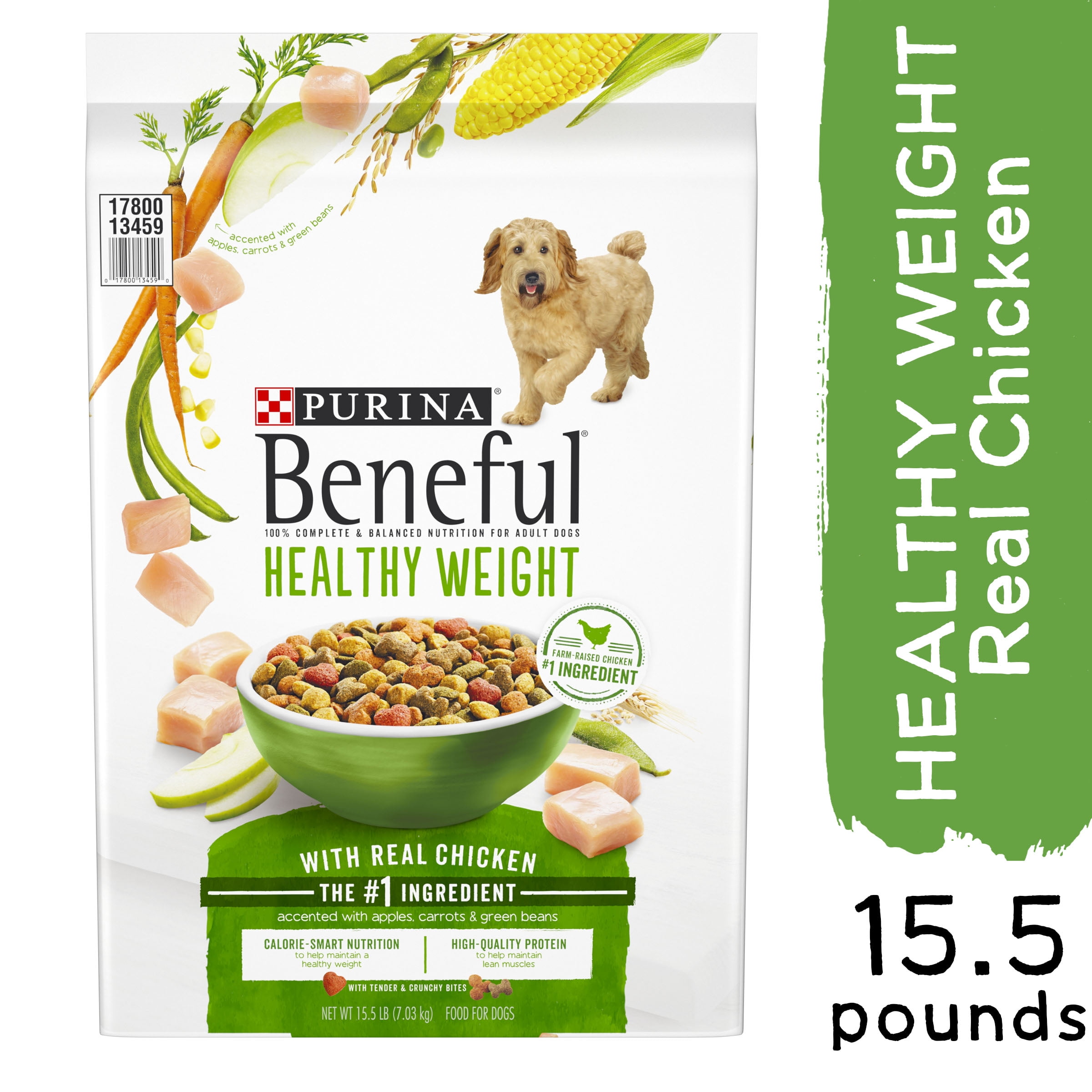
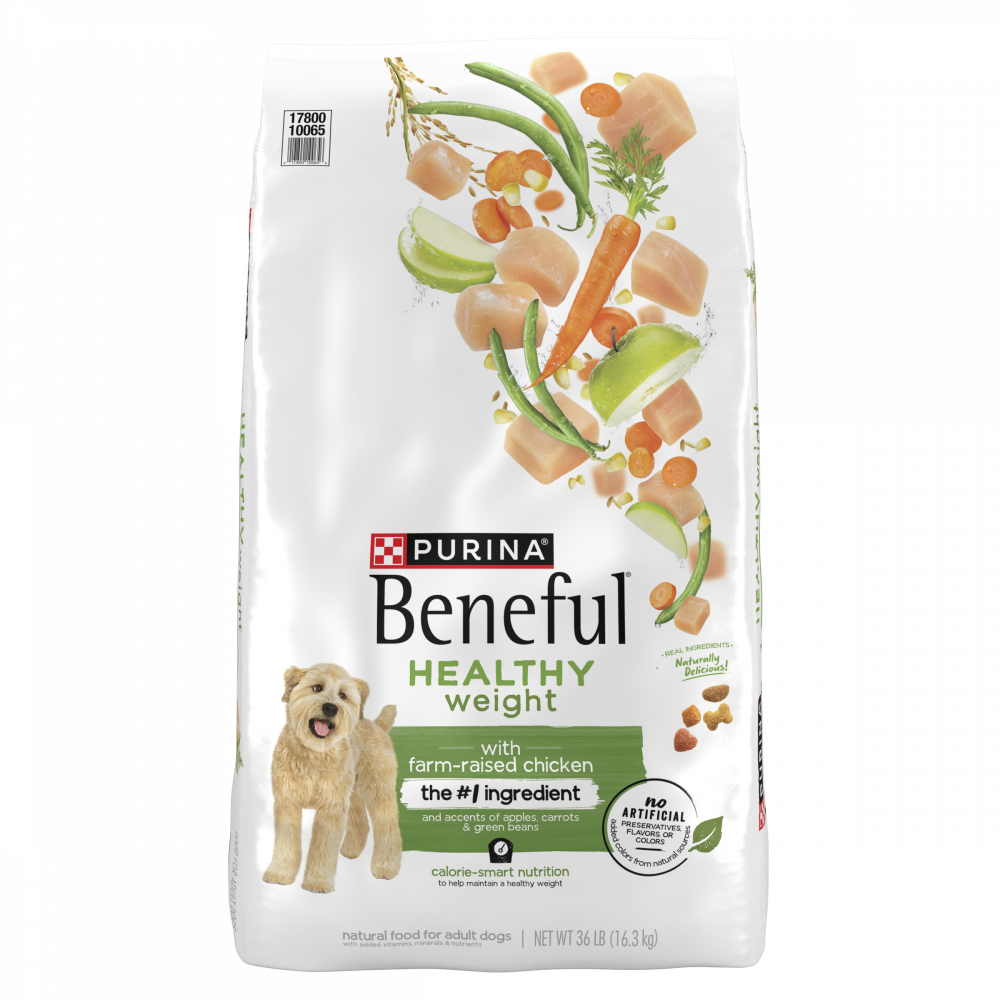
Addressing “dog food healthy weight” concerns involves a multi-faceted approach focusing on diet, exercise, and consistent monitoring. The first step involves selecting a dog food specifically formulated for weight management, often labeled as “light,” “healthy weight,” or “senior” formulas. These typically feature reduced calorie content, increased fiber to promote satiety, and an appropriate balance of protein to maintain muscle mass.
Accurate portion control is essential. Rather than simply estimating, owners should use a measuring cup to ensure the exact amount recommended by the food manufacturer or a veterinarian is provided. Breaking daily food allowances into two or more smaller meals can also aid digestion and satiety. High-calorie treats should be minimized or replaced with healthier alternatives like small pieces of carrot or green bean.
Beyond diet, increasing physical activity is critical. Establishing a consistent daily exercise routine that matches the dog’s breed and age requirements can significantly impact weight. This might include daily walks, interactive play sessions, or participation in dog sports. Environmental enrichment, such as using slow feeder bowls or puzzle toys, can also extend meal times and provide mental stimulation, reducing the likelihood of overeating due to boredom. Regular weigh-ins and Body Condition Score assessments at home help track progress and allow for timely adjustments to the management plan.
When Professional Help May Be Needed
While many weight management strategies can be implemented at home, there are situations where professional veterinary consultation becomes indispensable. If a dog’s weight issue persists despite diligent efforts to adjust diet and exercise, or if there is a sudden, unexplained change in weight, a veterinary visit is strongly advised. Such instances could indicate an underlying medical condition, such as hypothyroidism, Cushing’s disease, or metabolic disorders, which require specific medical treatment.
Veterinarians can conduct thorough examinations, perform diagnostic tests, and offer tailored advice based on a dog’s individual health profile. They can also provide a precise Body Condition Score, recommend specific prescription diets, or refer to a veterinary nutritionist for a highly customized feeding plan. For dogs with severe obesity or those exhibiting extreme reluctance to exercise, a professional may also suggest a safe and structured exercise regimen to prevent injury. Seeking professional guidance ensures that any weight management plan is safe, effective, and addresses all aspects of a dog’s health.
Conclusion
Prioritizing “dog food healthy weight” is a fundamental responsibility for dog owners, profoundly influencing a canine companion’s overall health and happiness. The strategic selection of appropriate dog food, coupled with precise portion control and a commitment to regular physical activity, forms the bedrock of effective weight management. Consistent observation of a dog’s physical condition and behavioral patterns allows for early detection of potential weight imbalances, enabling timely intervention. Through proactive care, a balanced diet, and an active lifestyle, dogs can maintain their ideal weight, leading to a vibrant life filled with energy and reduced health risks. This holistic approach ensures dogs thrive, living their best lives as cherished members of their families.
Pet Care & Wellness Overview Table
| Life Stage | Daily Activity Level | Key Nutrition / Care Focus |
|---|---|---|
| Puppy / Kitten | High (frequent short bursts) | High-protein growth diet & early socialization |
| Adult Companion | Moderate (30–60 mins daily) | Balanced maintenance nutrition & dental hygiene |
| Senior Pets | Low to Gentle (mindful walks) | Joint support (Glucosamine) & routine vet checks |
Images References




For more expert pet care tips and advice, check out our dedicated Dog Nutrition guides to keep your companions healthy and happy.




