
Introduction
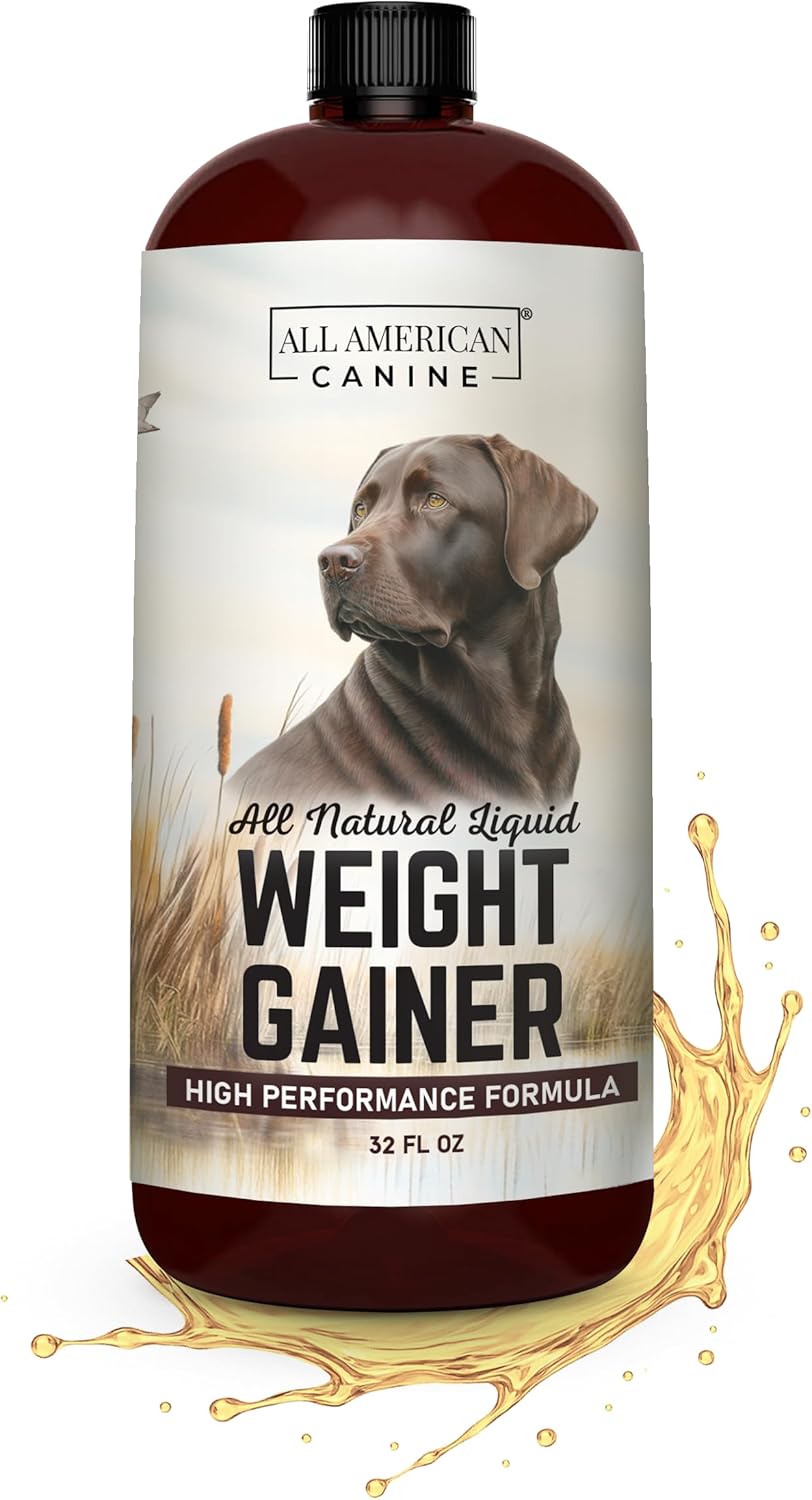
Ensuring a dog maintains a healthy weight is a cornerstone of responsible pet ownership. While obesity often receives significant attention, some canine companions face the opposite challenge: being underweight. For dogs struggling to gain or maintain an optimal body condition, a specialized approach to nutrition often becomes necessary. This is where the concept of a dog food supplement for weight gain enters the discussion. These supplements are specifically formulated to provide additional calories, nutrients, and sometimes appetite stimulants or digestive aids, helping dogs achieve a healthier weight. Understanding the role of these supplements, when they are appropriate, and how to use them safely can significantly improve a dogs energy levels, immune function, muscle mass, and overall quality of life, transforming a lean, listless pet into a vibrant, healthy one.
💡 Pet Care Key Takeaways:
- Core Focus: Practical health, nutrition, and wellness guidelines for Dog Food Supplement For Weight Gain.
- Target Scope: Pet owners, animal caregivers, and veterinary support staff.
- Best Recommendation: Maintain consistent daily routines and consult an accredited veterinarian before introducing major diet or medical changes.
Common Causes and Key Factors
Numerous factors can contribute to a dog being underweight, making a thorough understanding crucial before considering any intervention. Medical conditions represent a significant category, including intestinal parasites, dental issues, gastrointestinal diseases (such as inflammatory bowel disease), metabolic disorders, or chronic illnesses like kidney or heart disease. These conditions can impede nutrient absorption, increase caloric demands, or simply reduce appetite. For more related activities, check out our “Fortiflora” And “Gut Health”.
Beyond health issues, insufficient caloric intake is a primary cause. This can stem from feeding an inappropriate diet that lacks sufficient calories or nutrients for a dog’s life stage and activity level. Some dogs are simply picky eaters, while others may face competition for food in multi-pet households, leading to inadequate consumption. High metabolism is another key factor, particularly in certain breeds like sighthounds or highly active working dogs, where their energy expenditure consistently outpaces their intake from regular meals. Age can also play a role, with growing puppies requiring vast amounts of energy and senior dogs sometimes experiencing reduced appetite or impaired nutrient absorption. Environmental stress or changes in routine can also suppress a dog’s appetite, further complicating weight management.
Signs and Symptoms to Observe
Identifying an underweight dog involves careful observation of physical attributes and behavioral changes. The most obvious visual cue is the prominence of bones: ribs, spine, and hip bones are easily visible and palpable with little to no fat covering. The flanks may appear sunken, and there may be a noticeable tuck in the abdomen. A helpful tool for assessment is the Body Condition Score (BCS), typically a scale from 1 to 9 (or 1 to 5). A score of 1 or 2 (on a 5-point scale) or 1 to 3 (on a 9-point scale) generally indicates an underweight condition.
Beyond physical appearance, behavioral indicators can provide additional insight. An underweight dog may exhibit lower energy levels, appear lethargic, or show reduced enthusiasm for play and exercise. The coat condition might also deteriorate, becoming dull, dry, or brittle, reflecting poor nutrient intake. Muscle wasting, particularly over the hindquarters and along the spine, is another concerning symptom. Despite increased hunger or consuming regular meals, consistent weight loss or failure to gain weight over time should prompt concern. Monitoring stool quality can also be informative, as poor digestion or malabsorption can manifest in unusual stool consistency or frequency, further contributing to weight issues.
Practical Solutions and Management Strategies
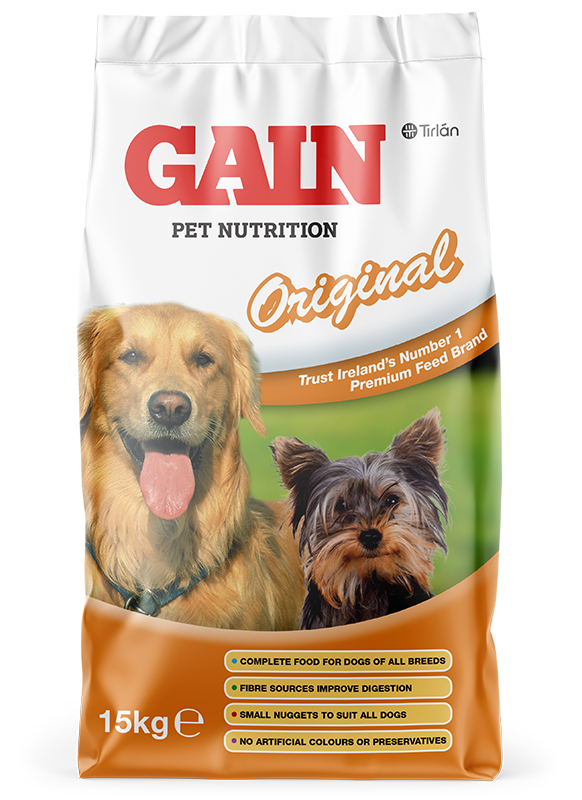
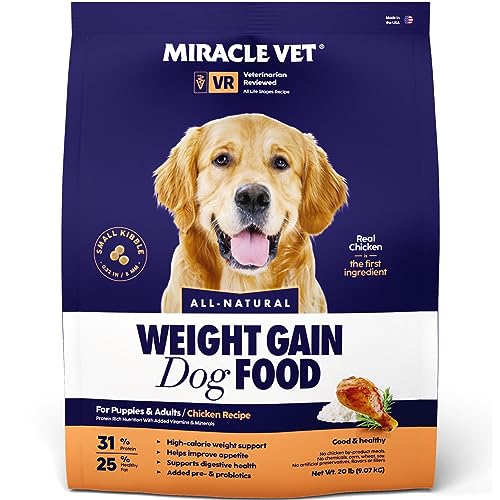
Addressing an underweight condition in a dog requires a systematic approach, always commencing with a veterinary consultation to rule out underlying medical issues. Once health concerns have been excluded or addressed, dietary modifications form the foundation of any weight gain strategy. The initial step involves optimizing the base diet, often by transitioning to a high-quality, calorie-dense dog food specifically formulated for active dogs, puppies, or those needing to gain weight. Increasing feeding frequency, offering smaller, more frequent meals throughout the day, can also help some dogs consume more calories without overwhelming their digestive system.
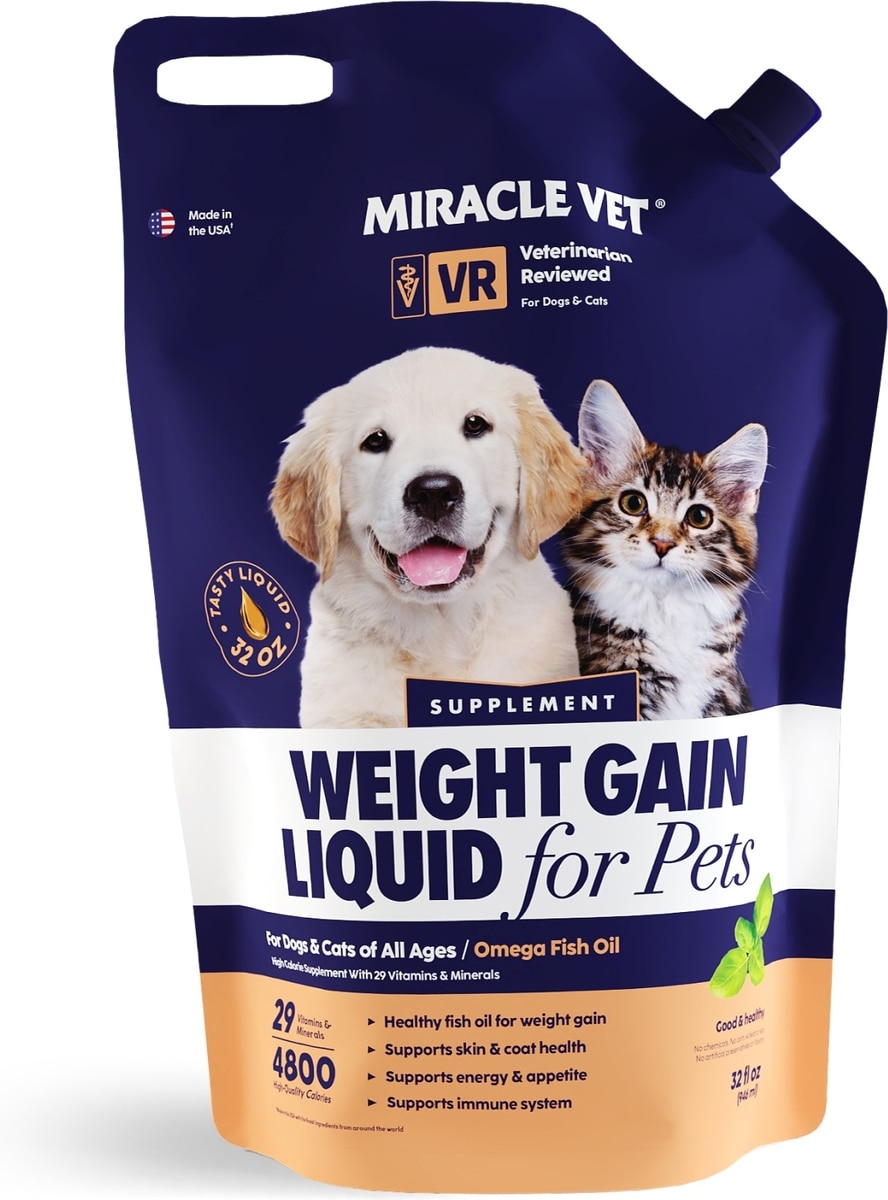
When diet alone proves insufficient, a dog food supplement for weight gain can be a valuable addition. These supplements come in various forms and serve different purposes. High-calorie pastes or gels offer a concentrated energy boost, often appealing to picky eaters. Digestive enzyme supplements can improve nutrient absorption, particularly beneficial for dogs with gastrointestinal sensitivities. Probiotic supplements support gut health, which in turn enhances digestion and nutrient utilization. Essential fatty acid supplements, such as Omega-3s and Omega-6s, contribute healthy calories and support skin and coat health. For building lean muscle mass, specific protein or calorie powders, sometimes fortified with amino acids, are available. The selection of a supplement should be carefully considered, tailored to the dogs individual needs, and ideally made in consultation with a veterinarian or a certified pet nutritionist. When introducing any supplement, a gradual approach is advisable to prevent digestive upset, and adherence to dosage instructions is paramount. Regular monitoring of the dogs weight, body condition, and overall health is essential to assess the effectiveness of the strategy and make necessary adjustments.
When Professional Help May Be Needed
While dietary adjustments and targeted supplementation can be highly effective, there are clear instances when professional veterinary intervention becomes indispensable. Persistent weight loss or the inability to gain weight, despite diligent efforts with increased food intake and supplements, signals a deeper underlying issue that necessitates a veterinary examination. This is especially true if the dog exhibits additional concerning symptoms such as vomiting, diarrhea, chronic lethargy, unusual changes in appetite or thirst, or any signs of pain or discomfort. These indicators strongly suggest an undiagnosed medical condition that requires professional diagnosis and treatment, which a supplement alone cannot address.
Furthermore, a veterinarian’s guidance is crucial before introducing any weight gain supplement. Self-diagnosing and administering supplements without professional advice can mask serious health problems, delaying appropriate treatment. A veterinarian can perform diagnostic tests to identify the root cause of the weight loss and recommend the most suitable and safest supplements, along with appropriate dosages. They can also help develop a comprehensive nutritional and care plan tailored to the dog’s specific health status, breed, age, and activity level, ensuring a responsible and effective path towards optimal health.
Conclusion
Addressing an underweight condition in a dog is a critical aspect of their health and well-being. From medical complications to insufficient caloric intake, the causes are diverse, highlighting the importance of thorough investigation. Recognizing the subtle signs of an underweight dog through careful observation and body condition scoring is the first step toward intervention. While optimizing the base diet is paramount, targeted dog food supplements for weight gain offer valuable support by providing additional calories and nutrients, improving digestion, or stimulating appetite when used appropriately. The most crucial takeaway, however, remains the importance of veterinary consultation. Professional guidance ensures that any underlying health issues are identified and treated, and that any dietary changes or supplements are introduced safely and effectively. Through awareness, consistent observation, and a partnership with veterinary professionals, dog owners can help their cherished companions achieve and maintain a healthy weight, contributing significantly to their vibrancy and longevity.
Pet Care & Wellness Overview Table
| Life Stage | Daily Activity Level | Key Nutrition / Care Focus |
|---|---|---|
| Puppy / Kitten | High (frequent short bursts) | High-protein growth diet & early socialization |
| Adult Companion | Moderate (30–60 mins daily) | Balanced maintenance nutrition & dental hygiene |
| Senior Pets | Low to Gentle (mindful walks) | Joint support (Glucosamine) & routine vet checks |
Images References





For more expert pet care tips and advice, check out our dedicated Dog Nutrition guides to keep your companions healthy and happy.




