
Introduction
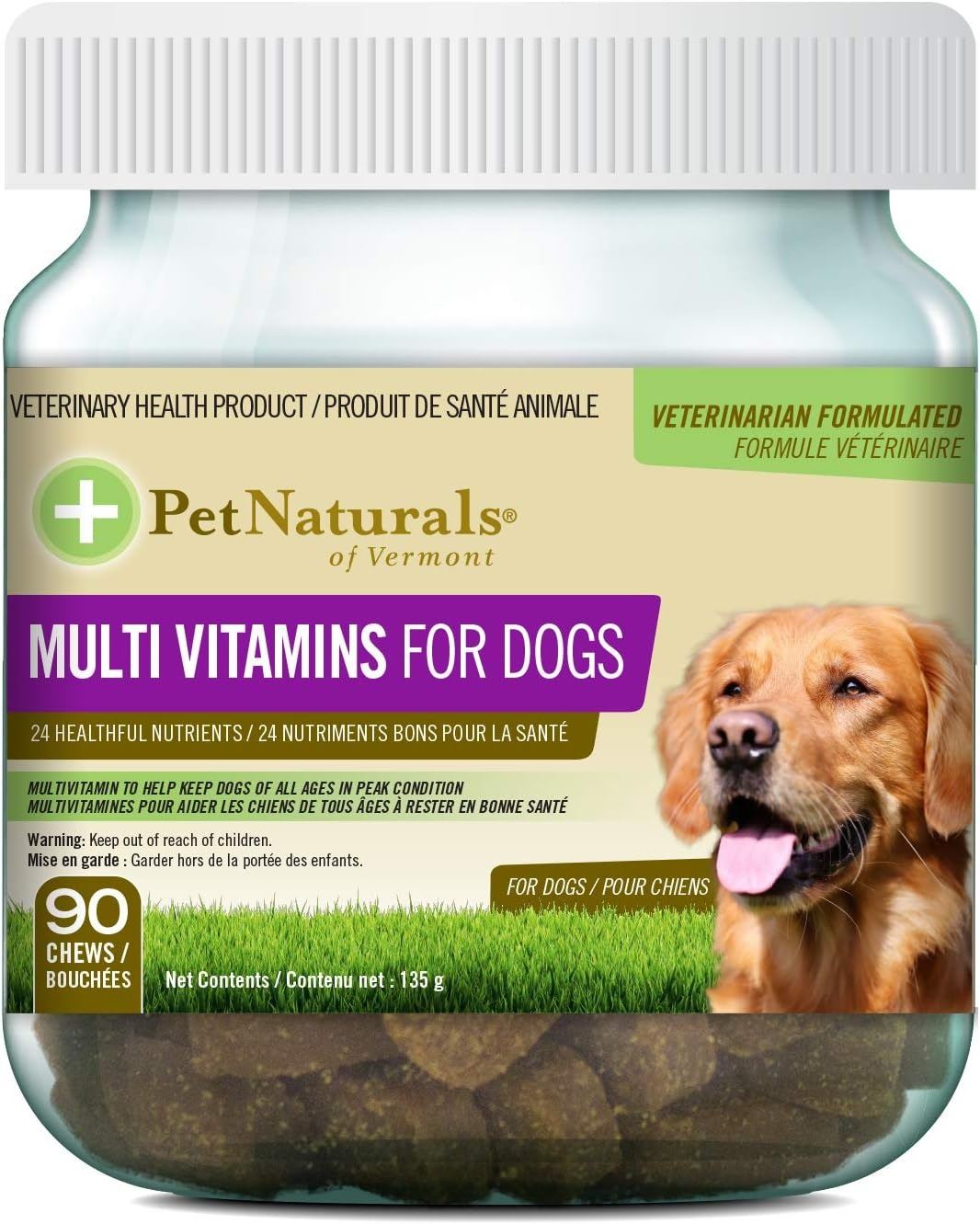
The topic of dog food vitamins is fundamental to understanding canine nutrition and overall well-being. These essential micronutrients, vital for countless bodily functions, are a cornerstone of a healthy diet for dogs. Vitamins in dog food play a crucial role in maintaining everything from a robust immune system and healthy skin and coat to proper bone development and efficient energy metabolism. Without adequate levels, a dogs health can suffer significantly. This issue commonly arises when dogs are fed imbalanced diets, whether from poorly formulated commercial foods or homemade meals lacking professional guidance. Understanding the specific roles of various vitamins and ensuring a dog receives the appropriate balance through its diet can profoundly improve its physical health, energy levels, and overall quality of life.
💡 Pet Care Key Takeaways:
- Core Focus: Practical health, nutrition, and wellness guidelines for Dog Food Vitamins.
- Target Scope: Pet owners, animal caregivers, and veterinary support staff.
- Best Recommendation: Maintain consistent daily routines and consult an accredited veterinarian before introducing major diet or medical changes.
Common Causes and Key Factors
Several key factors influence a dog’s vitamin intake and can lead to imbalances. The primary cause often stems from the dog’s daily diet. High-quality commercial dog foods are typically formulated to be complete and balanced, meeting the nutritional requirements established by bodies like the Association of American Feed Control Officials (AAFCO). However, not all commercial foods are created equal, and some may use lower-quality ingredients or processing methods that reduce vitamin bioavailability. For more related activities, check out our Ol Roy Ingredients List.
For dogs on homemade or raw diets, ensuring a full spectrum of vitamins is a significant challenge. Without expert formulation by a veterinary nutritionist, such diets are highly prone to deficiencies or, less commonly, excesses. Cooking methods can also degrade heat-sensitive vitamins, further complicating homemade meal preparation.
A dog’s life stage also dictates its vitamin needs. Puppies require specific nutrients for growth and development, adult dogs need maintenance, and senior dogs may have different requirements due to aging bodies or existing health conditions. Highly active or working dogs also have increased metabolic demands that can influence vitamin needs.
Underlying health conditions, such as gastrointestinal diseases, can impair nutrient absorption, even if the diet itself is balanced. Certain medications can also interfere with vitamin utilization. Additionally, prolonged storage or improper handling of dog food can lead to the degradation of vitamins over time, reducing their potency before consumption.
Signs and Symptoms to Observe
Observing a dog’s physical condition and behavior can provide crucial clues regarding its vitamin status. Signs of vitamin deficiency often manifest gradually and can be subtle. For instance, a dull, dry, or flaky coat, chronic skin issues, and poor wound healing can indicate deficiencies in vitamins A, E, or certain B vitamins.
Lethargy, weakness, and a general lack of energy are common indicators of insufficient B vitamins, which are critical for energy metabolism. Poor appetite or weight loss without another clear cause can also signal nutritional imbalances. Dogs with vitamin D deficiencies, often seen in conjunction with calcium and phosphorus imbalances, might exhibit lameness, bone deformities, or stunted growth in puppies.
Impaired immune function, leading to frequent infections or slow recovery from illness, can be linked to inadequate intake of immune-supporting vitamins like C and E. In severe cases, neurological symptoms, such as muscle tremors or coordination problems, can arise from severe B vitamin deficiencies.
While less common with commercial diets, vitamin excesses, typically from inappropriate supplementation, also present risks. For example, excessive vitamin A can lead to bone pain, lethargy, and anorexia. Vitamin D toxicity is particularly dangerous, causing kidney damage and calcification of soft tissues. Any persistent or unusual symptoms warrant veterinary attention to determine the underlying cause.
Practical Solutions and Management Strategies
Ensuring a dog receives the correct balance of vitamins primarily revolves around providing a nutritionally complete and balanced diet. The most straightforward strategy involves feeding a high-quality commercial dog food that explicitly states it meets AAFCO nutritional standards for the dog’s specific life stage (e.g., “complete and balanced for adult maintenance” or “for all life stages”). Reputable brands often conduct feeding trials to validate their claims.
For dog owners considering homemade diets, consultation with a board-certified veterinary nutritionist is paramount. These professionals can formulate precise recipes tailored to an individual dog’s needs, ensuring all essential vitamins and minerals are present in appropriate amounts. Attempting to create a balanced homemade diet without expert guidance significantly increases the risk of nutritional deficiencies or excesses.
Supplementation should never be undertaken without professional veterinary advice. While tempting to “boost” a dog’s health with added vitamins, indiscriminate supplementation can disrupt the delicate balance of nutrients, potentially leading to harmful excesses. A veterinarian can assess a dog’s specific needs through physical examination and, if necessary, blood tests, recommending supplements only when a diagnosed deficiency or a specific health condition warrants it.
Proper storage of dog food is also critical to preserving its vitamin content. Food should be kept in an airtight container in a cool, dry place, away from direct sunlight, to minimize nutrient degradation. Adhering to “best by” dates on packaging ensures optimal freshness and nutritional value. Regular veterinary check-ups allow for ongoing monitoring of a dog’s health and provide opportunities to discuss dietary concerns.
When Professional Help May Be Needed
Professional veterinary consultation becomes essential in several scenarios related to dog food vitamins. If a dog exhibits persistent or worsening signs of potential vitamin deficiency or excess, such as chronic skin issues, unexplained lethargy, significant changes in appetite or weight, or unusual behavioral shifts, a visit to the veterinarian is crucial. These symptoms could indicate a nutritional imbalance or an underlying medical condition affecting nutrient absorption or metabolism.
Seeking veterinary guidance is also indispensable when contemplating any form of dietary change or supplementation. This includes transitioning to a homemade diet, introducing new supplements, or adjusting the diet for specific life stages or health challenges. A veterinarian can offer evidence-based recommendations, perform diagnostic tests to identify specific deficiencies, and help develop a safe and effective nutritional plan.
Furthermore, dogs with chronic illnesses, allergies, or those recovering from surgery may have unique vitamin requirements that necessitate expert dietary management. A veterinarian or a board-certified veterinary nutritionist can provide tailored advice to support these dogs’ recovery and ongoing health. Professional input ensures that any dietary adjustments are beneficial and do not inadvertently exacerbate existing conditions or create new problems.
Conclusion
Understanding the vital role of dog food vitamins is fundamental to responsible pet ownership. These essential micronutrients underpin a dog’s health, influencing everything from its energy levels and immune response to the integrity of its skin and bones. Ensuring a dog receives a complete and balanced diet, whether through a high-quality commercial formulation or a professionally guided homemade plan, is paramount for their long-term well-being. Diligent observation of a dog’s physical condition and behavior for any changes can provide early indicators of nutritional imbalances. Ultimately, making informed dietary choices and seeking timely professional veterinary advice, especially when considering supplements or encountering persistent health concerns, ensures dogs lead vibrant, healthy lives.
Pet Care & Wellness Overview Table
| Life Stage | Daily Activity Level | Key Nutrition / Care Focus |
|---|---|---|
| Puppy / Kitten | High (frequent short bursts) | High-protein growth diet & early socialization |
| Adult Companion | Moderate (30–60 mins daily) | Balanced maintenance nutrition & dental hygiene |
| Senior Pets | Low to Gentle (mindful walks) | Joint support (Glucosamine) & routine vet checks |
Images References


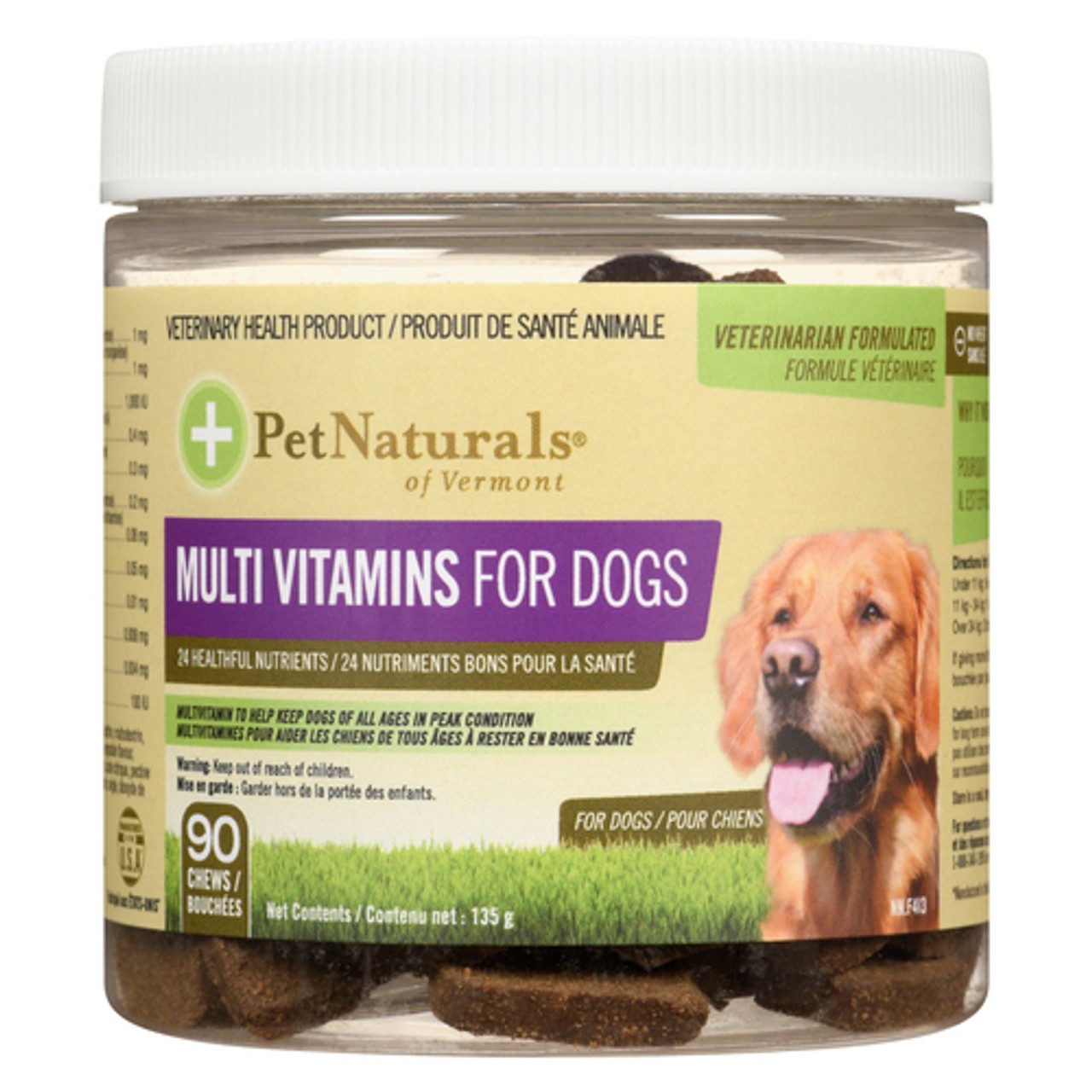



For more expert pet care tips and advice, check out our dedicated Dog Nutrition guides to keep your companions healthy and happy.




