
Introduction
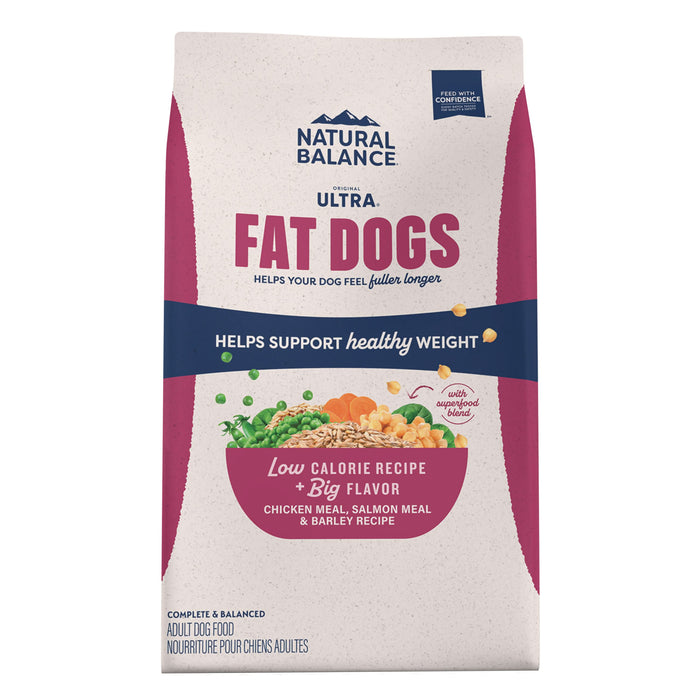
Understanding the nutritional composition of a dog’s diet is fundamental to maintaining optimal health and well-being. Among the various macronutrients, fat plays a crucial role, and the concept of “dog food with high fat content” warrants careful consideration. High-fat dog food refers to formulations where fat constitutes a significant percentage of the caloric intake, often exceeding typical maintenance diets. This type of food is not universally suitable for all dogs but serves specific dietary purposes. It becomes particularly relevant for owners of highly active dogs, working breeds, underweight canines needing to gain mass, or those with certain medical conditions that benefit from a concentrated energy source. A thorough understanding of high-fat dog food allows for informed dietary choices, directly contributing to a dogs energy levels, coat health, digestive function, and overall quality of life by ensuring nutritional needs are met appropriately.
💡 Pet Care Key Takeaways:
- Core Focus: Practical health, nutrition, and wellness guidelines for Dog Food With High Fat Content.
- Target Scope: Pet owners, animal caregivers, and veterinary support staff.
- Best Recommendation: Maintain consistent daily routines and consult an accredited veterinarian before introducing major diet or medical changes.
Common Causes and Key Factors
The decision to feed a dog food with high fat content typically stems from specific physiological needs or health goals. One primary reason is the requirement for a concentrated energy source. Active dogs, such as sporting breeds, working dogs, or those engaged in demanding physical activities, burn a substantial number of calories and benefit from the readily available energy that fat provides. Fat contains more than twice the calories per gram compared to protein or carbohydrates, making it an efficient fuel for endurance and sustained effort. For more related activities, check out our Ol Roy Ingredients List.
Another key factor is weight management for underweight dogs. Canines struggling to maintain a healthy weight due to high metabolism, recovery from illness, or insufficient calorie intake can significantly benefit from the increased caloric density of high-fat foods, promoting healthy weight gain. Furthermore, dietary fat is essential for the absorption of fat-soluble vitamins (A, D, E, K) and provides essential fatty acids, such as Omega-3 and Omega-6. These are crucial for maintaining healthy skin, a lustrous coat, and supporting immune and cognitive function. Certain medical conditions, like some forms of kidney disease or specific gastrointestinal disorders, may also necessitate a diet rich in healthy fats, often under veterinary guidance, to manage symptoms or provide specialized nutrition. Conversely, inappropriate feeding of high-fat food to a sedentary dog can lead to obesity and related health issues.
Signs and Symptoms to Observe
When a dog is consuming food with a high fat content, several signs and symptoms may become apparent, indicating either a beneficial outcome or a potential problem. If the high-fat diet is appropriate for the dog’s needs, positive indicators often include sustained energy levels without hyperactivity, a notably shiny and healthy coat, and resilient skin. For underweight dogs, a gradual and steady increase in body weight to a healthy range is a key positive sign. Digestion should remain regular and firm, without signs of discomfort.
However, if a dog’s diet contains excessive fat for its activity level or individual metabolism, or if the fat source is poorly digested, negative symptoms can emerge. Weight gain, leading to overweight or obesity, is a common and observable sign, often accompanied by reduced activity and lethargy. Digestive upset can manifest as diarrhea, vomiting, or greasy stools due to fat malabsorption. More severe signs include abdominal pain, a hunched posture, or reluctance to move, which could indicate pancreatitis a serious inflammation of the pancreas often triggered by high-fat meals. The appearance of these signs can vary significantly based on the dog’s age, breed predisposition (e.g., some small breeds are more prone to pancreatitis), and existing health conditions. Consistent monitoring of a dog’s physical condition and behavior is crucial for timely intervention.
Practical Solutions and Management Strategies
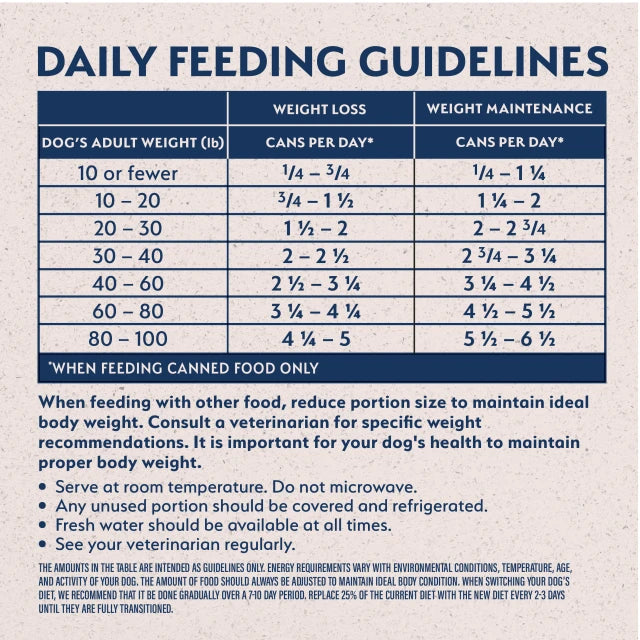
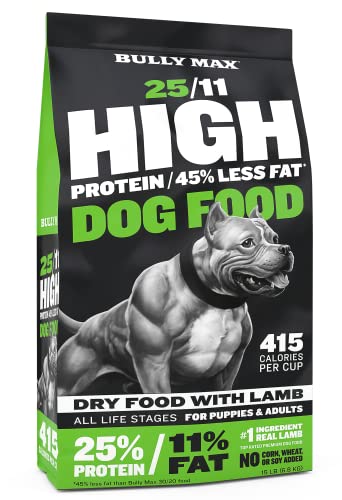
Managing a dog’s diet, especially when considering high fat content, requires careful planning and observation. For dogs that genuinely benefit from a higher fat diet, such as highly active or underweight canines, selecting a commercially available food specifically formulated for performance, working, or puppy growth often provides the necessary fat levels. It is important to review the guaranteed analysis on the food packaging, looking for fat percentages and sources. Prioritizing foods with easily digestible animal fats and beneficial omega fatty acids can enhance absorption and utilization. Portion control is paramount, even with high-energy foods, to prevent overfeeding and ensure weight goals are met steadily.
If a dog is experiencing adverse effects from a diet too rich in fat, adjustments are necessary. A gradual transition to a lower-fat food is crucial to avoid further digestive upset. This involves slowly mixing increasing proportions of the new food with decreasing amounts of the old food over several days to a week. Reducing or eliminating high-fat treats and table scraps is also vital. For dogs prone to weight gain, increasing physical activity through regular walks, playtime, and structured exercise can help balance caloric intake with expenditure. Always ensuring access to fresh water supports overall digestion and metabolic function. Understanding the specific caloric density and fat percentage of different dog foods empowers owners to make informed choices that align with their dog’s energy needs and health status.
When Professional Help May Be Needed
While many dietary adjustments can be made at home with careful observation, certain situations warrant immediate professional veterinary consultation. Persistent digestive issues such as chronic vomiting, diarrhea, or greasy stools, particularly if accompanied by lethargy, loss of appetite, or abdominal pain, demand veterinary attention. These symptoms can indicate serious conditions like pancreatitis, which requires prompt medical intervention.
Unexplained or rapid changes in a dogs weight, whether significant gain or loss despite dietary adjustments, also signals the need for a professional evaluation. If a dog is failing to thrive on a high-fat diet meant for weight gain or activity, or if a dog continues to gain excessive weight on a seemingly appropriate diet, an underlying medical condition could be at play. Furthermore, for dogs with pre-existing health conditions like diabetes, kidney disease, or certain liver issues, tailored nutritional advice from a veterinarian or a board-certified veterinary nutritionist is essential to ensure the diet supports their specific medical needs without exacerbating problems. Professional guidance provides accurate diagnosis, customized dietary recommendations, and ongoing management to safeguard a dog’s health.
Conclusion
The role of “dog food with high fat content” in canine nutrition is multifaceted, offering significant benefits for certain dogs while posing risks if not managed appropriately. Understanding a dog’s individual energy requirements, activity level, life stage, and health status is paramount when considering such a diet. Fat provides vital energy, supports healthy skin and coat, and aids in vitamin absorption, making it an indispensable component of a balanced diet. However, moderation and careful selection are key, as excessive fat can lead to issues ranging from obesity to serious digestive ailments like pancreatitis. Consistent observation of a dog’s physical condition and behavior, coupled with informed dietary choices, forms the cornerstone of proactive pet care. By recognizing the signs of both appropriate and inappropriate fat intake, and knowing when to seek professional veterinary guidance, owners can ensure their beloved companions receive the precise nutrition needed to thrive, promoting a long, healthy, and vibrant life.
Pet Care & Wellness Overview Table
| Life Stage | Daily Activity Level | Key Nutrition / Care Focus |
|---|---|---|
| Puppy / Kitten | High (frequent short bursts) | High-protein growth diet & early socialization |
| Adult Companion | Moderate (30–60 mins daily) | Balanced maintenance nutrition & dental hygiene |
| Senior Pets | Low to Gentle (mindful walks) | Joint support (Glucosamine) & routine vet checks |
Images References



For more expert pet care tips and advice, check out our dedicated Dog Nutrition guides to keep your companions healthy and happy.




