
Introduction
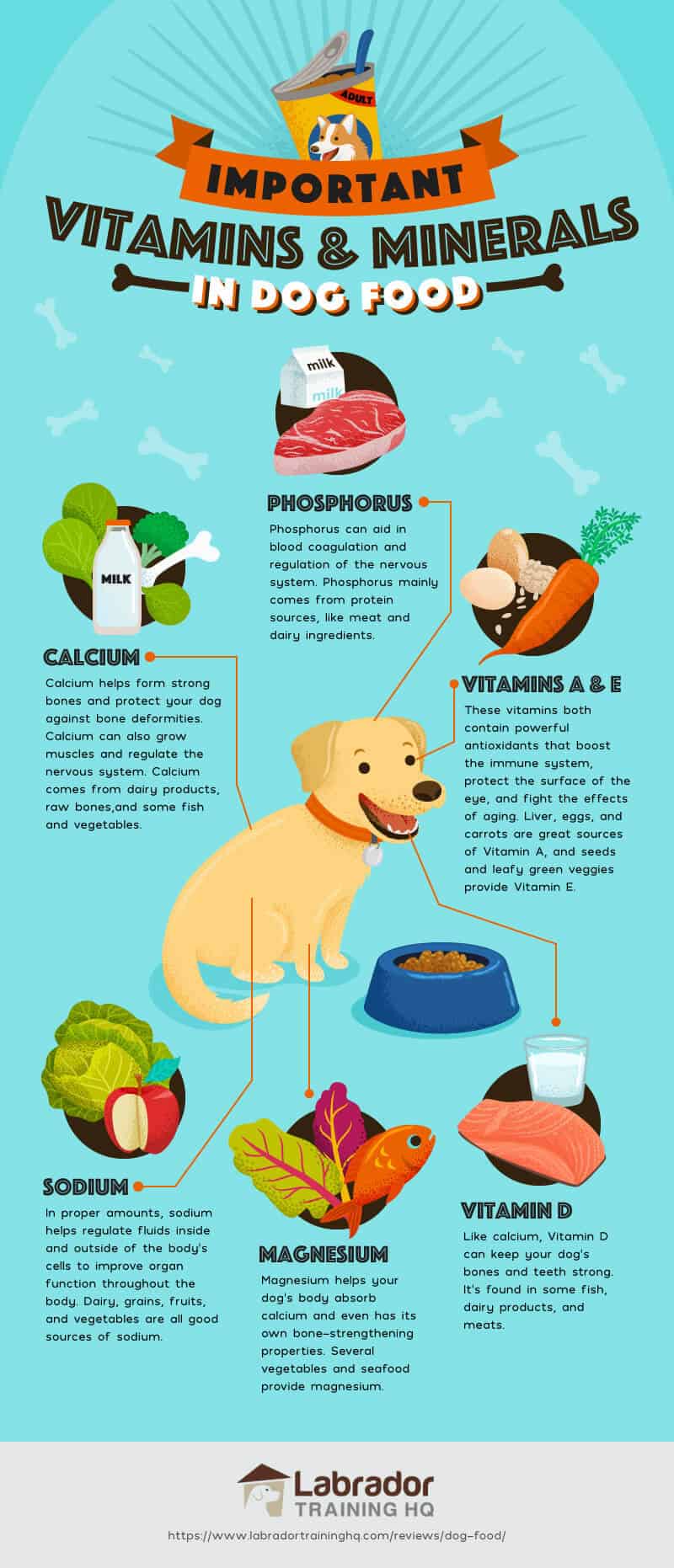
Understanding proper nutrition is fundamental to ensuring a dog’s long-term health and vitality. Central to canine well-being are essential dog minerals and vitamins, micronutrients that play indispensable roles in almost every bodily function. These vital components, though required in small quantities, are critical for everything from bone development and immune response to energy production and nerve function. A balanced intake of these nutrients is not merely beneficial; it is a cornerstone of preventative health care. Issues related to mineral and vitamin imbalances commonly arise from inadequate dietary choices, such as feeding low-quality commercial foods, improperly formulated homemade diets, or inappropriate supplementation. Recognizing the significance of these nutritional elements empowers dog owners to make informed decisions that profoundly impact a dogs physical health, behavioral stability, and overall quality of life.
💡 Pet Care Key Takeaways:
- Core Focus: Practical health, nutrition, and wellness guidelines for Dog Minerals And Vitamins.
- Target Scope: Pet owners, animal caregivers, and veterinary support staff.
- Best Recommendation: Maintain consistent daily routines and consult an accredited veterinarian before introducing major diet or medical changes.
Common Causes and Key Factors
Several key factors contribute to imbalances in dog minerals and vitamins, often leading to either deficiencies or excesses that can compromise canine health. The most prevalent cause is an unsuitable diet. Commercial dog foods that do not meet established nutritional standards, such as those set by AAFCO (Association of American Feed Control Officials) in North America or FEDIAF (European Pet Food Industry Federation) in Europe, may lack adequate amounts of essential nutrients. Similarly, homemade diets, while well-intentioned, frequently fail to provide a complete and balanced nutritional profile unless meticulously formulated by a veterinary nutritionist. For more related activities, check out our Pitbullnutrition.
A dog’s life stage also significantly influences its nutritional needs. Puppies require specific ratios of calcium and phosphorus for proper skeletal development, while senior dogs may need increased levels of certain antioxidants and joint-supporting minerals. Breed-specific predispositions can also play a role; for example, some large breeds are prone to skeletal issues if calcium intake is imbalanced during growth. Underlying health conditions, such as gastrointestinal diseases, kidney disease, or malabsorption disorders, can hinder a dog’s ability to absorb or utilize essential minerals and vitamins, even when present in the diet. Furthermore, inappropriate supplementation, often given without veterinary guidance, can lead to dangerous excesses of certain fat-soluble vitamins (A, D, E, K) or minerals, which can accumulate in the body and cause toxicity. Environmental factors, such as access to unusual items, can also contribute to mineral imbalances, particularly if a dog engages in pica.
Signs and Symptoms to Observe
Recognizing the signs of imbalances in dog minerals and vitamins is crucial for timely intervention. A dog’s physical appearance and behavior often provide the first clues.
Signs of Deficiency:
- Poor Coat and Skin: Dull, dry, brittle fur, excessive shedding, flaky skin, or recurring skin infections can indicate deficiencies in B vitamins, zinc, or essential fatty acids.
- Lethargy and Weakness: Persistent fatigue, decreased energy levels, or muscle weakness may point to insufficient iron, magnesium, or B vitamins.
- Skeletal and Dental Issues: Lameness, joint pain, abnormal bone development, or dental problems can result from imbalances in calcium, phosphorus, or vitamin D.
- Immune Compromise: Frequent infections or slow wound healing may suggest a lack of vitamins C, E, or zinc.
- Reproductive Problems: Infertility or poor litter health can be linked to various nutritional shortcomings.
- Pica: The compulsive eating of non-food items (e.g., dirt, rocks) sometimes indicates a mineral deficiency.
- Growth Stunting: Young dogs failing to grow at an expected rate may suffer from overall nutritional deficiencies.
Signs of Excess (Toxicity):
- Gastrointestinal Distress: Vomiting, diarrhea, or loss of appetite can be common with excesses of many vitamins and minerals.
- Skeletal Abnormalities: Too much calcium or vitamin D, particularly in growing puppies, can lead to skeletal malformations and pain.
- Organ Damage: High levels of certain fat-soluble vitamins (A, D) or minerals (zinc, copper, selenium) can be toxic to the liver, kidneys, or other organs, leading to serious health complications.
- Neurological Symptoms: Tremors, muscle weakness, or poor coordination can occasionally result from severe mineral excesses.
The severity and type of symptoms can vary significantly based on the specific nutrient involved, the degree of imbalance, and the individual dog’s age, breed, and overall health status. Consistent observation of a dog’s general condition and behavior is paramount.
Practical Solutions and Management Strategies
Effective management of dog minerals and vitamins involves a thoughtful approach to nutrition and health monitoring. The primary strategy involves providing a high-quality, complete, and balanced commercial dog food. Such diets are scientifically formulated to meet a dog’s nutritional requirements for its specific life stage (e.g., puppy, adult, senior) and are usually fortified with the correct proportions of essential minerals and vitamins. It is advisable to choose foods that meet the nutritional standards set by reputable regulatory bodies.
For owners considering homemade diets, consultation with a board-certified veterinary nutritionist is essential. These diets must be precisely formulated and often require specific supplementation to ensure they are nutritionally complete and balanced, preventing both deficiencies and excesses. Transitioning to a new food should be done gradually over several days to avoid digestive upset.
Supplementation should only be introduced under veterinary guidance. While multivitamin and mineral supplements are widely available, indiscriminate use can be detrimental, especially with fat-soluble vitamins and certain minerals that can build up to toxic levels. A veterinarian can assess a dog’s individual needs, conduct dietary analyses, and recommend appropriate supplements if a deficiency is identified or if a dog has specific health challenges. Regularly monitoring a dogs appetite, weight, and energy levels, along with routine veterinary check-ups, forms a proactive approach to maintaining optimal nutritional health. Ensuring that dog food and supplements are stored properly, away from extreme temperatures and moisture, helps preserve their nutritional integrity.
When Professional Help May Be Needed
While diligent home care and appropriate feeding are foundational, certain situations warrant immediate professional veterinary consultation regarding dog minerals and vitamins. If a dog displays persistent or severe signs suggestive of a nutritional imbalancesuch as chronic lethargy, unexplained lameness, recurring skin issues, or gastrointestinal distressa thorough veterinary examination is crucial. These symptoms could indicate a serious deficiency, a toxic excess, or an underlying medical condition impacting nutrient absorption or metabolism.
Veterinary professionals can conduct diagnostic tests, including blood work and urine analysis, to assess a dog’s mineral and vitamin status. They can also analyze a dog’s current diet and provide expert recommendations for dietary adjustments or appropriate supplementation. Owners planning to feed a homemade diet, or those currently doing so, should always seek professional nutritional advice to ensure the diet is complete and balanced. Similarly, if a dog has pre-existing health conditions, such as kidney disease, liver disease, or chronic gastrointestinal issues, its nutritional requirements may be altered, necessitating specialized dietary management under veterinary supervision. Starting any new supplement regimen should always be preceded by a consultation with a veterinarian to prevent potential harm.
Conclusion
The intricate balance of dog minerals and vitamins forms the bedrock of a dog’s health, influencing everything from physical resilience to behavioral stability. Understanding the profound impact these micronutrients have on canine physiology empowers dog owners to make informed dietary choices and observe their companions with greater insight. Providing a nutritionally complete and balanced diet is the most effective way to ensure a dog receives the necessary vitamins and minerals, safeguarding against both deficiencies and harmful excesses. Vigilance for any changes in a dogs appearance or behavior, coupled with prompt veterinary consultation for persistent concerns or before making significant dietary changes, is paramount. By prioritizing optimal nutrition and proactive health management, dog owners contribute significantly to their beloved companions’ opportunity for a long, vibrant, and happy life.
Pet Care & Wellness Overview Table
| Life Stage | Daily Activity Level | Key Nutrition / Care Focus |
|---|---|---|
| Puppy / Kitten | High (frequent short bursts) | High-protein growth diet & early socialization |
| Adult Companion | Moderate (30–60 mins daily) | Balanced maintenance nutrition & dental hygiene |
| Senior Pets | Low to Gentle (mindful walks) | Joint support (Glucosamine) & routine vet checks |
Images References




For more expert pet care tips and advice, check out our dedicated Dog Nutrition guides to keep your companions healthy and happy.




