

Introduction
Optimizing the health and well-being of a canine companion often involves a multifaceted approach, with nutrition forming a critical foundation. While a high-quality, complete, and balanced dog food serves as the primary dietary cornerstone, there are instances where additional support may be beneficial. This is where dog nutrition supplements enter the picture. These products are designed to complement a dog’s diet by providing concentrated doses of vitamins, minerals, fatty acids, probiotics, or other beneficial compounds that might be lacking or required in higher amounts for specific health needs. Understanding the role of these supplements can empower dog owners to make informed decisions that contribute to their dogs vitality, longevity, and overall quality of life.
💡 Pet Care Key Takeaways:
- Core Focus: Practical health, nutrition, and wellness guidelines for Dog Nutrition Supplements.
- Target Scope: Pet owners, animal caregivers, and veterinary support staff.
- Best Recommendation: Maintain consistent daily routines and consult an accredited veterinarian before introducing major diet or medical changes.
Common Causes and Key Factors
Several factors can indicate a potential need for dog nutrition supplements. One primary consideration involves the inherent limitations of even commercial pet foods. Despite being formulated to be complete and balanced, factors like ingredient sourcing, processing methods, and individual absorption rates can sometimes lead to subtle nutritional gaps. Furthermore, a dog’s life stage significantly influences nutritional requirements; growing puppies often benefit from bone and joint support, while senior dogs may require assistance with cognitive function, joint mobility, or digestive health. For more related activities, check out our Purina One Xxl 10Kg Feeding Guide 20Kg Dog.
Specific health conditions frequently necessitate targeted supplementation. Dogs experiencing joint stiffness, dry skin, dull coats, digestive upset, or compromised immune function can often find relief and improvement through appropriate supplements. Breed-specific predispositions to certain health issues, such as hip dysplasia in large breeds or skin allergies in others, can also prompt a proactive approach to supplementation. Highly active dogs, including working dogs or athletes, might require extra support for muscle recovery and joint health, while those recovering from illness or surgery could benefit from immune-boosting or healing-supportive nutrients. Environmental stressors or periods of high anxiety might also be mitigated with calming supplements.
Signs and Symptoms to Observe
Observing a dogs physical condition and behavior provides valuable clues regarding its nutritional status and potential need for dog nutrition supplements. A dull, dry coat, excessive shedding beyond seasonal changes, flaky skin, or persistent itching can indicate a deficiency in essential fatty acids or other skin-supportive nutrients. Changes in mobility, such as stiffness after rest, reluctance to jump or climb stairs, limping, or a general decrease in activity levels, are common indicators of joint discomfort, particularly in older dogs or larger breeds.
Digestive issues, including chronic loose stools, constipation, excessive gas, or frequent vomiting not attributable to acute illness, suggest an imbalance in gut flora that could be addressed with probiotics or digestive enzymes. Behavioral shifts like lethargy, decreased enthusiasm for play, increased anxiety, or signs of cognitive declinesuch as disorientation, changes in sleep patterns, or forgetting learned commandscan also point towards underlying nutritional needs. Additionally, a dog experiencing frequent infections, slow wound healing, or a generally weak immune response might benefit from immune-modulating nutrients. Persistent pickiness or changes in appetite, alongside other symptoms, should also be noted.
Practical Solutions and Management Strategies
When considering dog nutrition supplements, a foundational principle involves ensuring the dog is consuming a high-quality, complete, and balanced diet. Supplements are intended to complement, not replace, a wholesome food source. Once the diet is optimized, selecting appropriate supplements requires careful consideration.
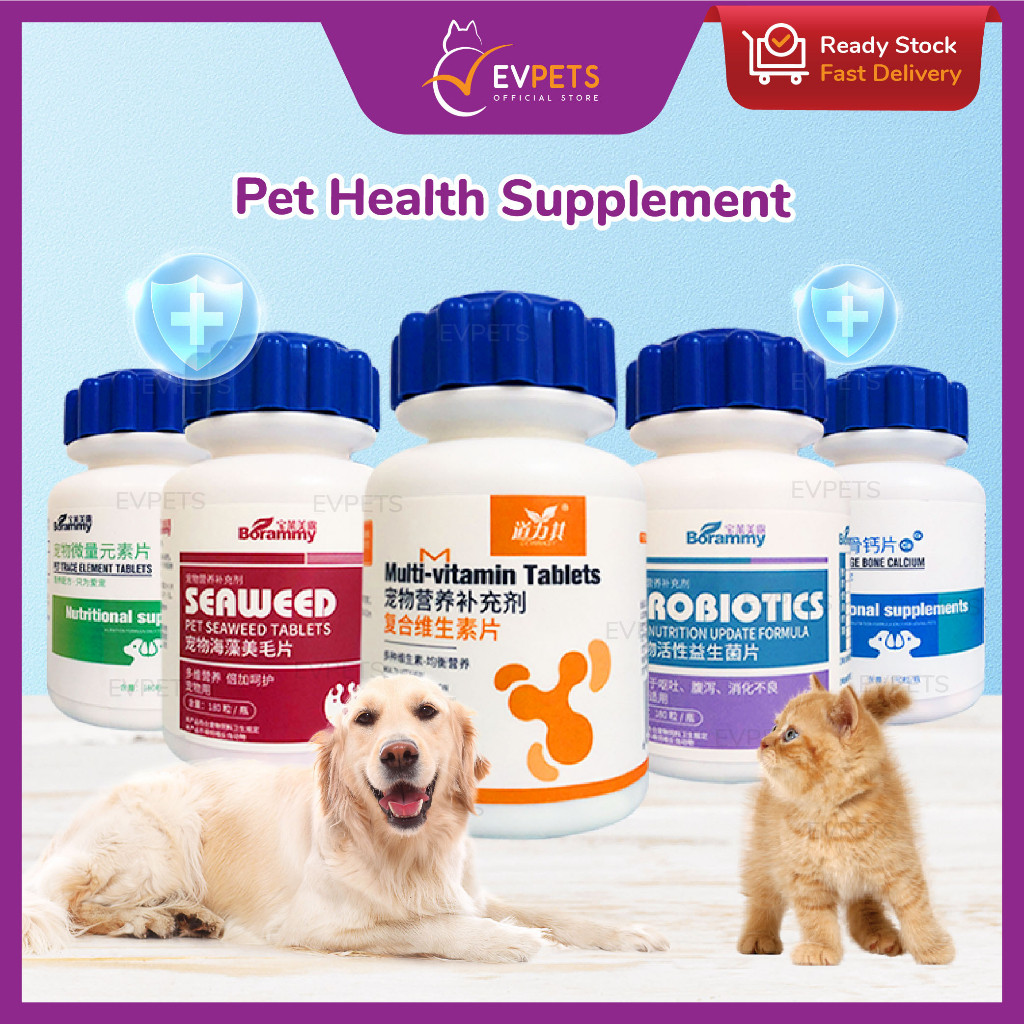
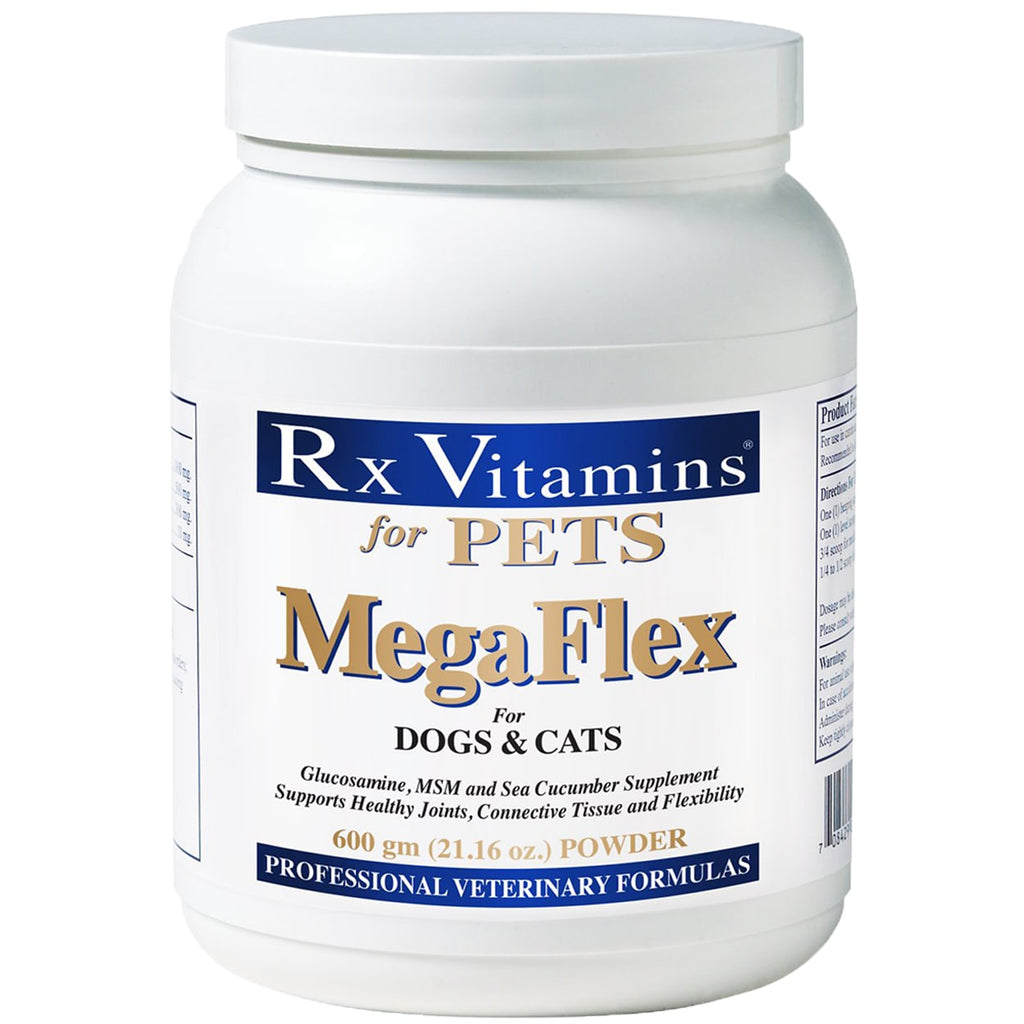
Common categories of dog nutrition supplements include joint support formulations, often containing glucosamine, chondroitin, and MSM, which can help maintain cartilage health and reduce inflammation. Omega-3 fatty acids, typically derived from fish oil, are highly beneficial for skin and coat health, joint mobility, cardiovascular function, and cognitive development. Probiotics and prebiotics are excellent for promoting a healthy gut microbiome, which is crucial for digestion, nutrient absorption, and immune function.
Multivitamin formulations are sometimes considered to address broad nutritional gaps, though targeted supplements are often more effective for specific concerns. Calming supplements, incorporating ingredients like L-theanine or tryptophan, can assist dogs experiencing anxiety or stress. For senior dogs, cognitive support supplements containing antioxidants, SAMe, or medium-chain triglycerides can help maintain brain health.
When choosing supplements, priority should be given to reputable brands that provide transparent ingredient lists, clear dosage instructions, and ideally, third-party testing for purity and potency. Veterinary approval or recommendation is always a crucial step before introducing any new supplement. Administration typically involves mixing the supplement with food, and consistency is key to observing potential benefits. A holistic approach that integrates appropriate supplementation with a balanced diet, regular exercise, and consistent veterinary check-ups offers the most comprehensive path to optimal canine health.
When Professional Help May Be Needed
While dog nutrition supplements can play a valuable role in canine health, determining their necessity and selecting the right products often requires professional guidance. It is highly advisable to consult a veterinarian before initiating any supplement regimen. A veterinarian can accurately assess a dog’s overall health, diagnose underlying conditions that may be mimicking nutritional deficiencies, and recommend specific supplements and dosages tailored to the individual dog’s needs, age, breed, and existing health conditions.
Professional help is especially crucial if a dog exhibits persistent or worsening symptoms despite dietary adjustments, or if there is a sudden onset of new health concerns. A veterinarian can also advise on potential interactions between supplements and any medications a dog may be receiving. Furthermore, if a dog displays adverse reactions after starting a supplement, such as vomiting, diarrhea, or lethargy, immediate veterinary consultation is imperative to ensure its safety and adjust the treatment plan accordingly. This responsible approach ensures that supplementation genuinely contributes to a dog’s well-being rather than causing unintended issues.
Conclusion
The thoughtful integration of dog nutrition supplements into a canine’s health regimen can be a powerful tool for enhancing vitality and addressing specific health challenges. These products offer a way to bridge nutritional gaps, support physiological functions, and promote overall wellness when used appropriately. Success hinges upon an informed approach, beginning with a high-quality diet and extending to careful observation of a dog’s health and behavior. The importance of consulting with a veterinarian before introducing any new supplement cannot be overstated, as professional guidance ensures safety, efficacy, and suitability for individual needs. By embracing awareness, consistent care, and expert advice, dog owners can make confident decisions that contribute significantly to their beloved companion’s long and healthy life.
Pet Care & Wellness Overview Table
| Life Stage | Daily Activity Level | Key Nutrition / Care Focus |
|---|---|---|
| Puppy / Kitten | High (frequent short bursts) | High-protein growth diet & early socialization |
| Adult Companion | Moderate (30–60 mins daily) | Balanced maintenance nutrition & dental hygiene |
| Senior Pets | Low to Gentle (mindful walks) | Joint support (Glucosamine) & routine vet checks |
Images References



For more expert pet care tips and advice, check out our dedicated Dog Nutrition guides to keep your companions healthy and happy.




