

Introduction
Effective dog skin care represents a fundamental aspect of canine well-being, focusing on the maintenance and protection of a dog’s largest organ its skin. This proactive approach encompasses a range of practices designed to preserve the skin’s integrity, ensure a healthy coat, and prevent common dermatological issues. Understanding the nuances of dog skin care is crucial for owners because the skin acts as a vital barrier against environmental threats, reflecting a dog’s overall health. When skin care is neglected, or underlying issues are left unaddressed, dogs can experience discomfort, pain, and a diminished quality of life. Common skin problems can arise from various factors, including environmental irritants, parasitic infestations, allergies, or nutritional deficiencies. By gaining insight into proper skin care, owners can implement preventative measures, identify early signs of trouble, and significantly contribute to their dog’s comfort and long-term health.
💡 Pet Care Key Takeaways:
- Core Focus: Practical health, nutrition, and wellness guidelines for Dog Skin Care.
- Target Scope: Pet owners, animal caregivers, and veterinary support staff.
- Best Recommendation: Maintain consistent daily routines and consult an accredited veterinarian before introducing major diet or medical changes.
Common Causes and Key Factors
Maintaining optimal dog skin care requires an understanding of the diverse factors that can compromise skin health. Several key elements frequently contribute to dermatological issues in dogs. For more related activities, check out our Doggy Day Care Upper West Side.
Allergies are a primary culprit. Dogs can suffer from environmental allergies (atopy), reacting to pollen, dust mites, or molds, leading to itchy skin. Food allergies, often triggered by specific protein sources, can also manifest as skin irritation. Flea Allergy Dermatitis (FAD), a severe allergic reaction to flea saliva, is another common cause of intense itching and skin damage.
Parasites pose a significant threat. Fleas, ticks, and various mites (such as Sarcoptes mites causing scabies, or Demodex mites) can cause severe irritation, hair loss, and secondary skin infections. Regular parasite prevention is therefore integral to effective dog skin care.
Infections, both bacterial (pyoderma) and fungal (ringworm, yeast dermatitis), frequently arise when the skin’s natural barrier is compromised or when moisture is trapped. These can result in redness, pustules, scabs, and unpleasant odors.
Nutritional deficiencies play a vital role. A diet lacking essential fatty acids (omega-3 and omega-6), vitamins, or minerals can lead to dry, flaky skin, a dull coat, and increased susceptibility to other skin problems.
Environmental conditions also impact skin health. Excessive dryness can lead to flaky skin, while high humidity can foster yeast and bacterial growth. Exposure to harsh chemicals, irritants, or even unsuitable grooming products can strip natural oils and cause irritation.
Finally, breed predispositions and hormonal imbalances (like hypothyroidism or Cushing’s disease) can make certain dogs more vulnerable to specific skin conditions, necessitating tailored dog skin care strategies.
Signs and Symptoms to Observe
Vigilant observation of a dogs skin and coat is paramount for effective dog skin care. Early detection of changes can prevent minor issues from escalating into more serious conditions. Owners should regularly inspect their dog for a variety of visual, tactile, and behavioral indicators.
Visual signs often include redness or inflammation of the skin, excessive dandruff or dry, flaky patches, or conversely, an unusually greasy or oily coat. Scabs, crusts, pustules, or bumps on the skin’s surface are clear indicators of potential problems. Hair loss, or alopecia, appearing in patches or thinning globally, warrants attention. Changes in coat texture, such as dullness, brittleness, or matting, also suggest underlying issues.
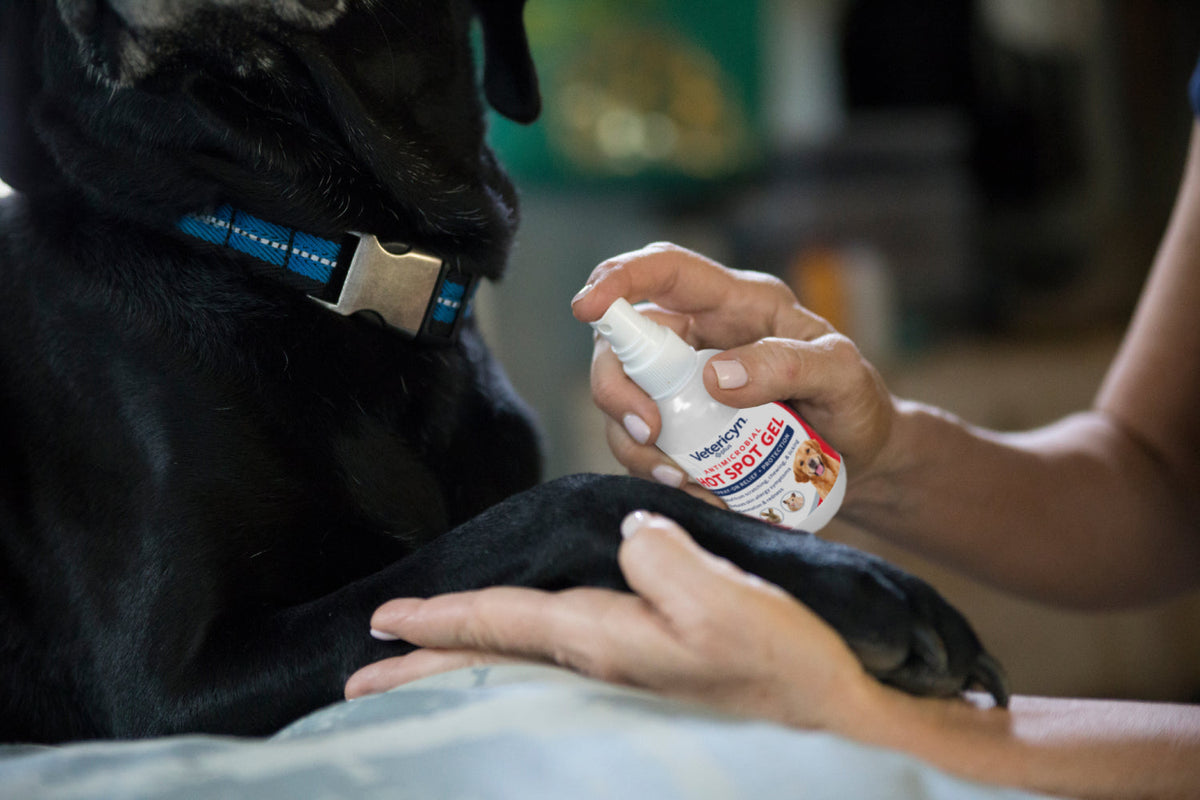
Tactile observations during petting or grooming can reveal hot spots (red, moist, irritated lesions), unusual lumps or masses, and areas of thickened or hardened skin. A persistent, unpleasant odor emanating from the skin, ears, or paws often signals a bacterial or yeast infection.
Behavioral indicators are often the most noticeable signs of skin discomfort. Persistent scratching, licking, or chewing, especially directed at the paws, flanks, tail base, or ears, indicates irritation. Dogs might also rub excessively against furniture or carpets. Restlessness, difficulty sleeping, or changes in appetite can occur if the itching or pain is severe. These behaviors often intensify with the severity of the skin condition.
It is important to note that these signs can vary. Puppies might exhibit different sensitivities than older dogs, and certain breeds, such as those with skin folds or dense coats, may show symptoms in unique ways, requiring specific attention to their dog skin care needs.
Practical Solutions and Management Strategies
Implementing practical strategies is central to effective dog skin care, helping to prevent issues and manage existing conditions. A multi-faceted approach often yields the best results.
Regular Grooming forms the cornerstone of good skin care. Daily or weekly brushing, depending on coat type, helps distribute natural oils, remove loose hair and dirt, and stimulate circulation. Bathing with appropriate shampoos hypoallergenic, medicated if recommended by a veterinarian, or specifically formulated for sensitive skin is crucial. The frequency of bathing should align with the dogs breed, activity level, and skin condition, ensuring not to over-bathe, which can strip essential oils. Thorough drying, especially for long-haired or thick-coated breeds, prevents moisture buildup that can lead to skin infections.
Dietary Management significantly impacts skin health. Feeding a high-quality, balanced diet rich in omega-3 and omega-6 fatty acids supports a healthy skin barrier and a lustrous coat. Supplements like fish oil can be beneficial, but their use should be discussed with a veterinarian. Identifying and avoiding known food allergens is critical for dogs with dietary sensitivities.
Consistent Parasite Control is non-negotiable. Regular use of veterinarian-approved flea, tick, and mite prevention products is essential to prevent infestations that can trigger severe skin reactions.
Environmental Control plays a role in dog skin care. Regular cleaning of bedding, vacuuming carpets, and maintaining a dust-free home environment can reduce exposure to allergens. In dry climates, using a humidifier can alleviate dry, flaky skin. Limiting exposure to known irritants, such as harsh cleaning chemicals or certain plants, is also advisable.
For breeds with skin folds (e.g., Bulldogs, Pugs), daily cleaning and drying of these folds with a soft cloth and a gentle antiseptic wipe can prevent moisture accumulation and bacterial or yeast infections.
Finally, stress reduction can indirectly support skin health, as stress can exacerbate certain dermatological conditions. Maintaining a calm and predictable environment contributes to overall canine well-being. Always introduce new topical treatments, such as balms or soothing sprays, after veterinary consultation to ensure suitability and safety.
When Professional Help May Be Needed
While many aspects of dog skin care can be managed at home, recognizing when professional veterinary intervention is necessary is crucial for a dog’s health and comfort. Certain signs and symptoms indicate that a home-care approach may not be sufficient and that a veterinarian’s expertise is required.
Professional help should be sought if scratching, licking, or chewing becomes persistent, intense, or is not relieved by initial home care efforts. The rapid spread or worsening of a skin condition, such as increasing redness, the development of open sores, pus, or a strong, foul odor, are urgent reasons for a veterinary visit.
The presence of visible parasites, such as multiple fleas, engorged ticks, or suspicions of mites, necessitates professional diagnosis and treatment. Additionally, any skin problem accompanied by systemic signs, such as changes in appetite, lethargy, fever, or vomiting, indicates a more serious underlying issue that requires immediate attention.
Recurrent skin problems, where issues resolve only to return frequently, suggest an underlying cause that has not been adequately addressed. Conditions like suspected allergies, chronic ear infections, or hair loss require specific diagnostic tests that only a veterinarian can perform. These might include skin scrapings, fungal cultures, biopsies, or blood tests to identify hormonal imbalances or food sensitivities. A veterinarian can also prescribe appropriate medicated shampoos, antibiotics, antifungals, or allergy medications that are not available over-the-counter. Responsible dog skin care involves knowing when to seek expert guidance to ensure proper diagnosis and effective treatment for persistent or severe dermatological issues.
Conclusion
Comprehensive dog skin care is an indispensable component of responsible pet ownership, serving as a cornerstone for canine health and comfort. This article has highlighted the critical importance of a proactive approach to maintaining the skin’s health, from understanding common causes of dermatological issues to implementing practical management strategies. Vigilant observation of a dog’s skin and coat, coupled with an awareness of behavioral changes, empowers owners to identify potential problems early.
Implementing regular grooming routines, ensuring a balanced diet, maintaining consistent parasite control, and managing environmental factors are all essential elements that contribute to a healthy skin barrier. Recognizing when a situation warrants professional veterinary consultation is equally vital, ensuring that complex or persistent conditions receive the expert diagnosis and treatment they require. Ultimately, consistent attention to dog skin care not only safeguards against discomfort and disease but also serves as a strong indicator of a dogs overall internal well-being. Through informed and dedicated care, owners can significantly enhance the quality of life for their beloved canine companions, fostering a happier and more comfortable existence.
Pet Care & Wellness Overview Table
| Life Stage | Daily Activity Level | Key Nutrition / Care Focus |
|---|---|---|
| Puppy / Kitten | High (frequent short bursts) | High-protein growth diet & early socialization |
| Adult Companion | Moderate (30–60 mins daily) | Balanced maintenance nutrition & dental hygiene |
| Senior Pets | Low to Gentle (mindful walks) | Joint support (Glucosamine) & routine vet checks |
Images References



For more expert pet care tips and advice, check out our dedicated Dog Care guides to keep your companions healthy and happy.


