

Introduction
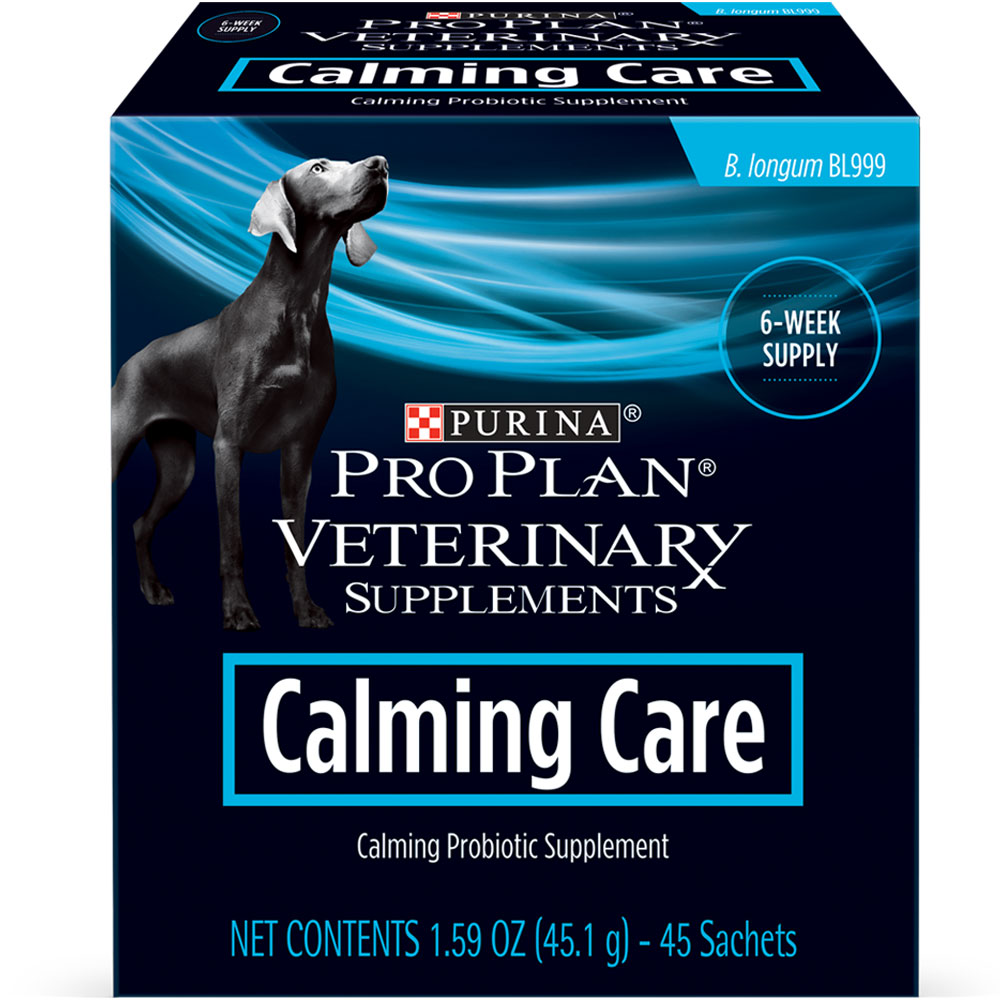
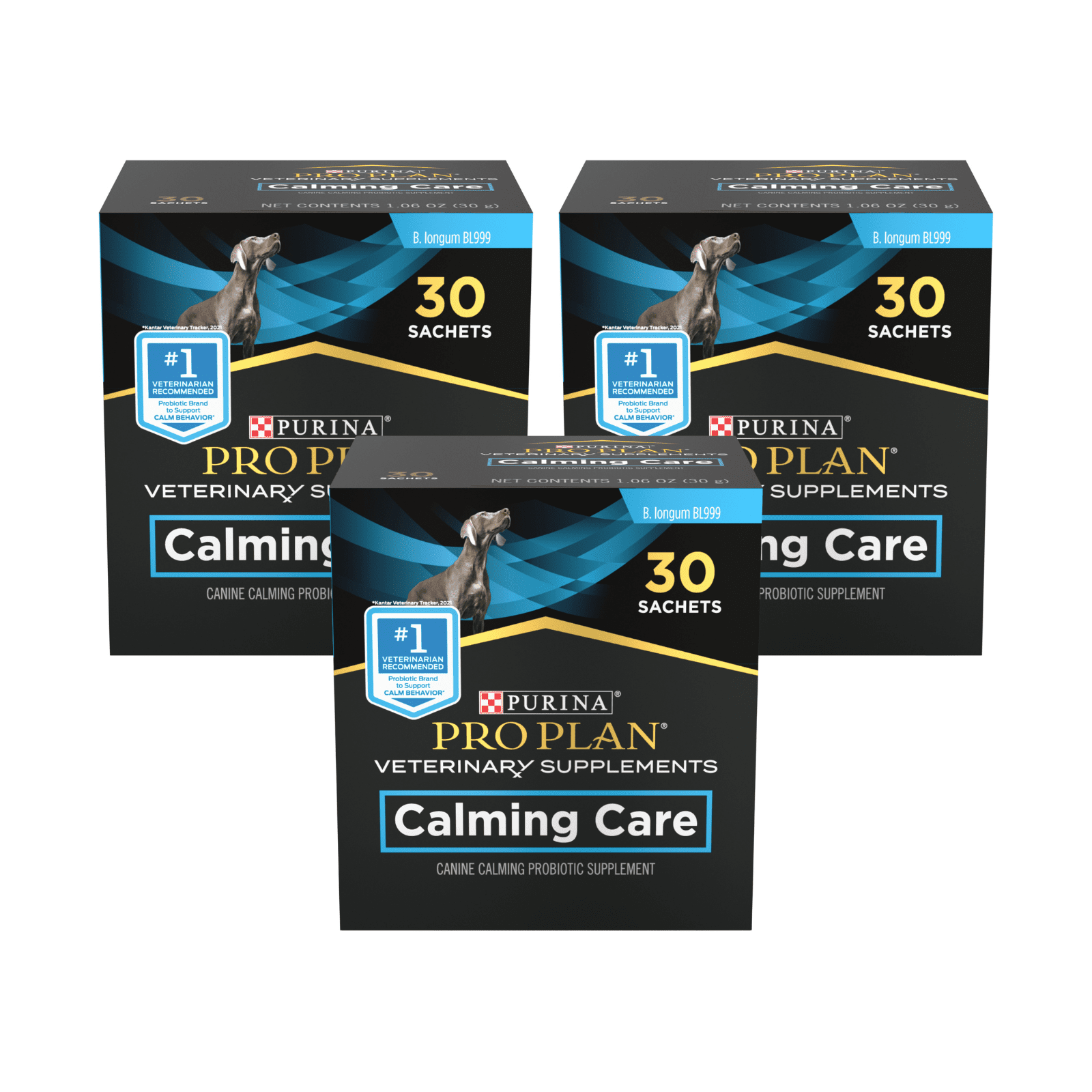
For many dog owners seeking to support their canine companions through stressful situations, supplements like Purina Pro Plan Calming Care have become a popular choice. This specific probiotic supplement, featuring Bifidobacterium longum (BL999), is designed to help dogs maintain calm behavior in the face of external stressors such as separation anxiety, new people, novel sounds, or changes in routine. While generally considered safe and beneficial when administered as directed, the possibility of a “purina calming care overdose” is a topic that merits thorough understanding.
In the context of a probiotic supplement, an “overdose” typically refers to ingesting an amount significantly exceeding the recommended daily dosage. Unlike certain medications, an overdose of a probiotic like Purina Calming Care is not usually associated with life-threatening toxicity. However, it can lead to uncomfortable gastrointestinal symptoms and certainly represents a waste of product. Understanding the potential causes, signs, and appropriate actions related to exceeding the recommended dosage helps pet owners ensure the safety and well-being of their dogs, optimizing the benefits of such supplements while avoiding unnecessary discomfort.
💡 Pet Care Key Takeaways:
- Core Focus: Practical health, nutrition, and wellness guidelines for Purina Calming Care Overdose.
- Target Scope: Pet owners, animal caregivers, and veterinary support staff.
- Best Recommendation: Maintain consistent daily routines and consult an accredited veterinarian before introducing major diet or medical changes.
Common Causes and Key Factors
An instance of purina calming care overdose often stems from a few common scenarios, highlighting the importance of diligent pet care and careful supplement management.
One of the primary causes is accidental ingestion. Dogs, with their keen sense of smell and inquisitive nature, are adept at locating and consuming items not intended for them. If a container of Purina Calming Care is left within reach, a dog may chew through it and consume multiple sachets, leading to an unplanned and excessive intake.
Another contributing factor can be misinterpretation of dosing instructions. While the product provides clear guidelines, some owners might mistakenly believe that “more is better” when trying to achieve a calming effect, inadvertently administering a higher dose than recommended for their dog’s weight or condition. Similarly, confusion can arise if multiple household members are responsible for giving supplements, leading to a dose being given more than once within a short period.
Furthermore, concurrent use of multiple supplements without veterinary consultation can sometimes contribute to an overall excessive intake of certain ingredients, even if the Calming Care product itself is dosed correctly. While this particular supplement is a probiotic, understanding interactions and total intake of various active ingredients is always important. Proper storage and careful adherence to instructions are crucial preventive measures against purina calming care overdose. For more related activities, check out our Doggy Day Care Yeovil.
Signs and Symptoms to Observe
When a dog has consumed an amount of Purina Calming Care exceeding the recommended dosage, the observed signs are primarily related to the gastrointestinal system. Probiotics introduce beneficial bacteria to the gut, and while generally helpful, an excessive amount can disrupt the delicate balance, leading to mild, temporary issues.
The most common symptoms of a purina calming care overdose include:
- Loose stools or diarrhea: This is often the most noticeable sign, as the gut attempts to process an unusually large influx of probiotic bacteria.
- Increased flatulence: An abundance of gut bacteria, even beneficial ones, can produce more gas.
- Mild stomach upset: Some dogs might exhibit signs of discomfort such as decreased appetite or mild vomiting, though this is less common than diarrhea.
- Transient lethargy: In some cases, a dog might appear a little less energetic than usual, potentially due to the mild gastrointestinal distress.
It is important to note that severe, life-threatening symptoms are highly unlikely with an overdose of Purina Calming Care due to its probiotic nature. These signs are typically mild, self-limiting, and resolve within 24-48 hours once the excessive intake stops. The severity of symptoms can sometimes vary depending on a dog’s individual sensitivity, age, and existing gut health, but they rarely escalate beyond gastrointestinal discomfort.
Practical Solutions and Management Strategies
Should a purina calming care overdose be suspected or confirmed, several practical steps can be taken to manage the situation and support the dog’s recovery. The primary goal is to alleviate discomfort and prevent further ingestion.
Immediately upon realizing an overdose has occurred, remove access to the supplement. Secure the remaining product out of reach to prevent any further accidental consumption. Following this, closely monitor the dog’s behavior and physical symptoms. Note the onset, type, and severity of any signs such as diarrhea, gas, or reduced appetite.
Ensuring adequate hydration is crucial, especially if the dog is experiencing diarrhea. Fresh water should be readily available at all times. For mild gastrointestinal upset, a temporary bland diet consisting of plain, boiled chicken and white rice (without seasonings) can help settle the stomach and firm up stools. This should be offered in smaller, more frequent meals for a day or two.
Once the symptoms have subsided and the dog is back to its normal self, if continued supplementation is desired, carefully review the dosing instructions on the Purina Calming Care packaging. Administer the correct, weight-appropriate dosage. To prevent future incidents, implement secure storage practices for all supplements and medications, ensuring they are kept in cabinets or containers that dogs cannot access. Clear communication among household members about supplement administration can also prevent accidental double-dosing.
When Professional Help May Be Needed
While an overdose of Purina Calming Care typically results in mild and self-limiting symptoms, there are specific circumstances where veterinary consultation becomes appropriate and highly recommended. Being proactive in these situations ensures the best possible outcome for the dog’s health.
Veterinary attention is warranted if the observed symptoms are severe or persistent. For instance, if diarrhea becomes profuse, contains blood, or does not resolve within 24-48 hours, a professional evaluation is necessary. Similarly, if the dog develops repeated vomiting, appears severely lethargic, or shows signs of dehydration (such as sunken eyes, dry gums, or skin tenting), immediate veterinary care should be sought. These symptoms, while unlikely to be solely caused by a probiotic overdose, could indicate a more serious underlying issue or a heightened individual sensitivity.
Dogs with pre-existing health conditions, particularly those involving the gastrointestinal tract, a compromised immune system, or those receiving other medications, should also be assessed by a veterinarian after an accidental overdose. Their systems might react differently, or there could be interactions to consider.
Finally, whenever a pet owner feels uncertain or anxious about a dog’s condition after an overdose, contacting a veterinarian or an emergency animal hospital is always the safest course of action. A veterinary professional can provide accurate guidance, rule out other potential problems, and offer appropriate supportive care to ensure a full recovery.
Conclusion
Understanding the implications of a “purina calming care overdose” is an important aspect of responsible dog ownership, even for supplements generally considered safe. While Purina Pro Plan Calming Care is a valuable tool for supporting canine well-being and managing stress, adhering to recommended dosages is paramount. Instances of overdose, typically caused by accidental ingestion or misinterpretation of instructions, primarily manifest as mild gastrointestinal upset like loose stools or increased flatulence.
Awareness of these potential signs allows pet owners to respond promptly and effectively, offering supportive care such as increased hydration and a temporary bland diet. More importantly, preventive measures like secure storage and diligent adherence to dosing guidelines significantly reduce the risk of such occurrences. Although severe health complications are rare with this specific probiotic, persistent or severe symptoms always warrant professional veterinary consultation. By prioritizing careful administration and informed observation, pet owners can continue to leverage the benefits of supplements like Purina Calming Care, contributing positively to their dog’s overall health and quality of life.
Pet Care & Wellness Overview Table
| Life Stage | Daily Activity Level | Key Nutrition / Care Focus |
|---|---|---|
| Puppy / Kitten | High (frequent short bursts) | High-protein growth diet & early socialization |
| Adult Companion | Moderate (30–60 mins daily) | Balanced maintenance nutrition & dental hygiene |
| Senior Pets | Low to Gentle (mindful walks) | Joint support (Glucosamine) & routine vet checks |
Images References






For more expert pet care tips and advice, check out our dedicated Dog Care guides to keep your companions healthy and happy.


