

Introduction
Dog tooth care represents a fundamental aspect of maintaining a canine companion’s overall health and quality of life. It encompasses the practices and precautions taken to ensure a dogs oral hygiene, preventing the accumulation of plaque and tartar that can lead to more severe dental diseases. Understanding the nuances of canine dental health is crucial for dog owners, as neglected oral care can result in pain, infection, and even systemic health issues affecting vital organs. This article explores the significance of proactive dog tooth care, offering insights into common problems and practical solutions to foster a lifetime of comfort and well-being for dogs. Effective dental care can significantly enhance a dogs health, comfort, and overall longevity, making it an indispensable part of responsible pet ownership.
💡 Pet Care Key Takeaways:
- Core Focus: Practical health, nutrition, and wellness guidelines for Dog Tooth Care.
- Target Scope: Pet owners, animal caregivers, and veterinary support staff.
- Best Recommendation: Maintain consistent daily routines and consult an accredited veterinarian before introducing major diet or medical changes.
Common Causes and Key Factors
Several factors contribute to the development of dental issues in dogs, necessitating diligent dog tooth care. The primary culprit is the accumulation of plaque, a sticky film of bacteria, food particles, and saliva that constantly forms on teeth. If plaque is not removed, it hardens into tartar (calculus) within a matter of days. Tartar is rough and porous, providing an ideal surface for more plaque to adhere, further exacerbating the problem. For more related activities, check out our Doggy Day Care Upper East Side.
Diet plays a significant role; soft, wet foods tend to stick to teeth more readily, potentially accelerating plaque formation. Dry kibble, especially those formulated for dental health, can offer some abrasive action that helps scrape away plaque. Genetic predispositions and breed-specific traits also influence dental health. Smaller breeds, for instance, often have crowded teeth, which can make them more susceptible to plaque buildup and periodontal disease. Age is another key factor, as older dogs naturally accumulate more plaque and tartar over time due to years of wear and tear and potentially less efficient immune responses. A lack of consistent home dental care, such as regular brushing, is perhaps the most significant contributing factor to poor oral health in dogs.
Signs and Symptoms to Observe
Vigilant observation of a dogs behavior and physical condition can help identify dental problems early. One of the most common and noticeable signs requiring attention is persistent bad breath, also known as halitosis. This is often an indicator of bacterial overgrowth in the mouth.
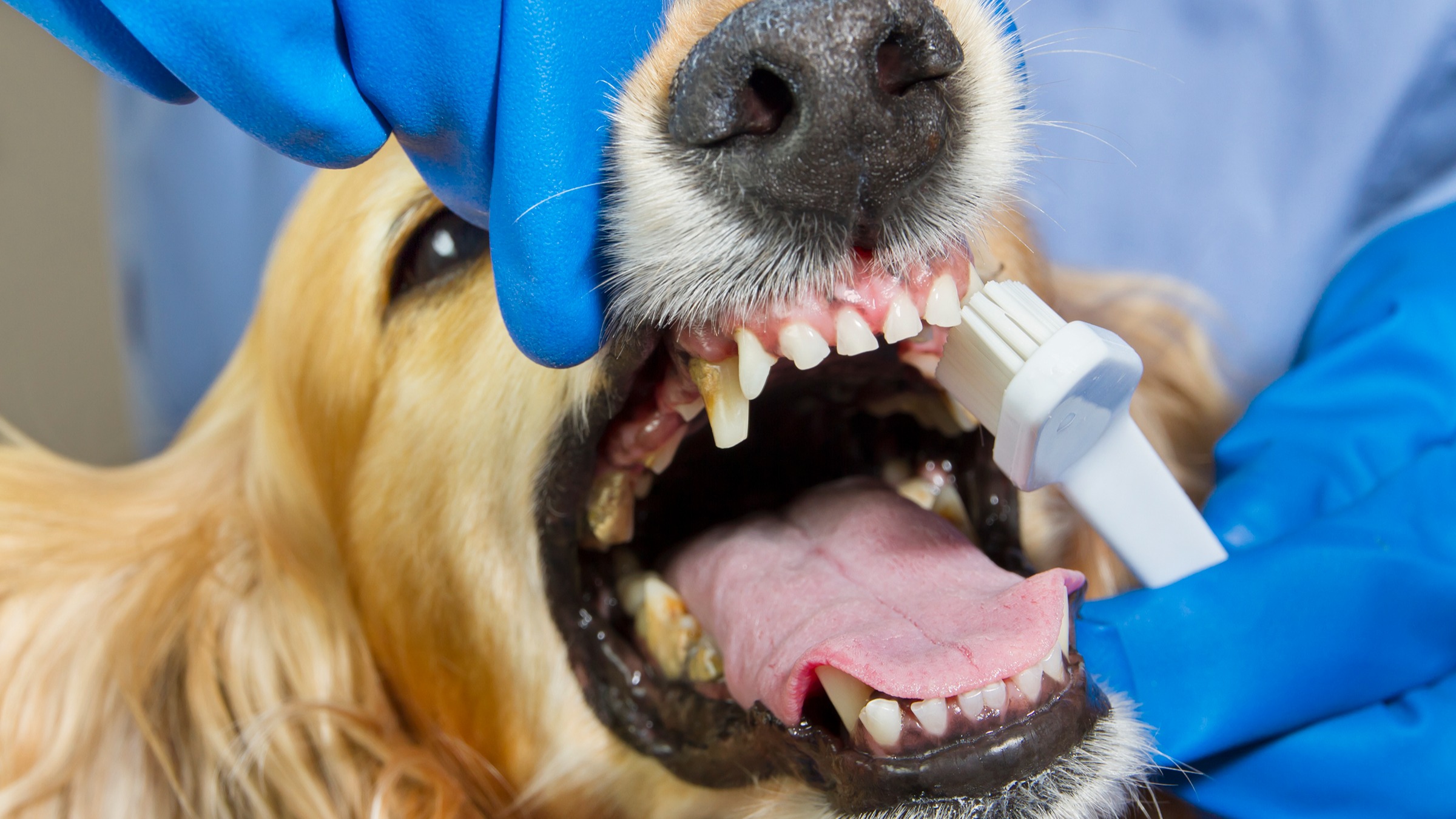
Visible signs include yellow or brown tartar buildup on the surface of the teeth, particularly along the gum line. Gums may appear red, swollen, or bleed easily, which are classic indicators of gingivitis, the initial stage of periodontal disease. A dog experiencing oral discomfort might show reluctance to chew hard food or toys, drop food while eating, or favor one side of the mouth. Pawing at the mouth or excessive drooling, sometimes mixed with blood, can also signal pain or irritation. In advanced stages, loose or missing teeth may be observed, and sometimes, facial swelling, particularly under an eye, can indicate a tooth root abscess. Behavioral changes, such as irritability, decreased playfulness, or a general reluctance to be touched around the face, can also stem from chronic dental pain. These signs can vary depending on the dog’s age, breed, and the severity of the dental condition.
Practical Solutions and Management Strategies
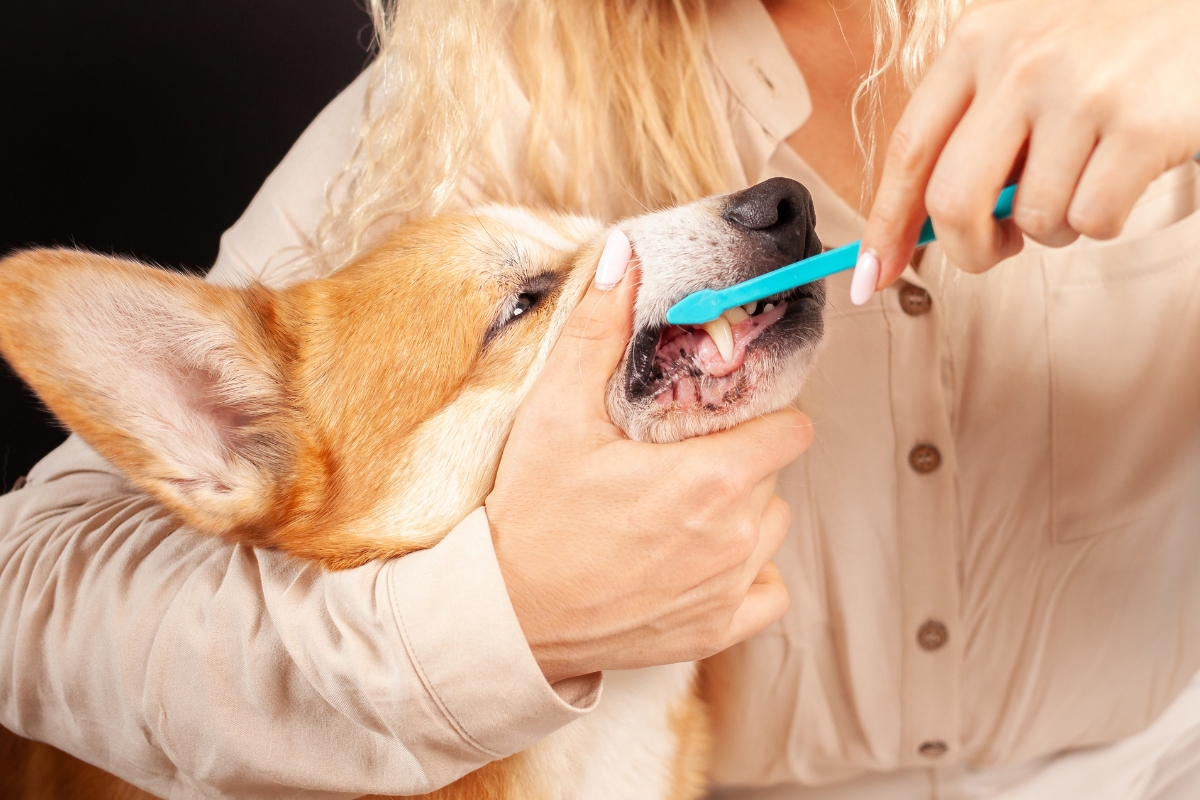
Effective dog tooth care involves a combination of consistent home practices and periodic professional intervention. The cornerstone of at-home dental care is regular tooth brushing. Introducing brushing gradually, using a dog-specific toothbrush and enzymatic toothpaste (never human toothpaste), can make the process more acceptable for dogs. Daily brushing is ideal, but even a few times a week can make a significant difference in preventing plaque accumulation.
Dental chews and toys, especially those approved by the Veterinary Oral Health Council (VOHC), can also aid in mechanical plaque removal through abrasive action as the dog chews. These products are designed to help reduce plaque and tartar buildup between brushings. Specific dental diets, formulated with larger kibble sizes or unique fiber structures, are another valuable tool. These diets encourage chewing and provide a scrubbing action that can help clean teeth. Water additives containing antiseptic properties can also contribute to reducing bacteria in the mouth and minimizing plaque formation. Incorporating these strategies into a daily routine can significantly improve a dog’s oral hygiene and contribute to overall health.
When Professional Help May Be Needed
While diligent home dog tooth care is essential, there are situations where professional veterinary intervention becomes necessary. If a dog exhibits severe bad breath, extensive tartar buildup, pronounced gingivitis with red or bleeding gums, or signs of pain such as difficulty eating or pawing at the mouth, a veterinary consultation is highly recommended. These symptoms often indicate advanced periodontal disease, which requires more than just home care.
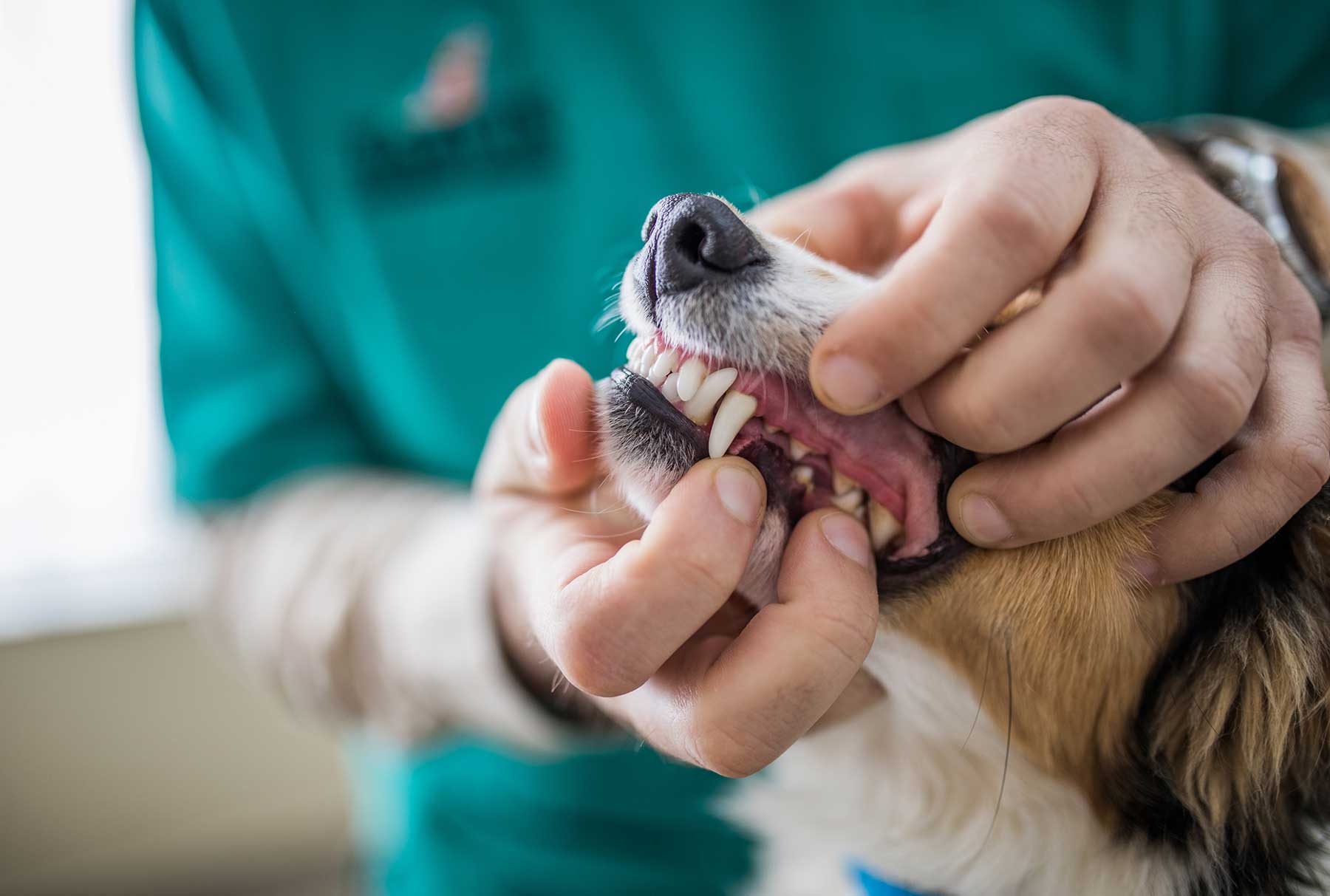
Veterinarians can perform a comprehensive oral examination, often under sedation, to accurately assess the extent of dental disease. Professional dental cleaning, which involves scaling above and below the gum line and polishing the teeth, is performed under general anesthesia to ensure thoroughness and minimize stress for the dog. In cases of severe infection, loose teeth, or abscesses, extractions may be necessary. Regular veterinary check-ups allow for early detection of dental problems, enabling timely intervention before conditions become critical, thereby preventing prolonged pain and potential systemic health complications.
Conclusion
Prioritizing dog tooth care is not merely about aesthetics; it is a critical component of a dog’s comprehensive health regimen. Consistent attention to oral hygiene helps prevent painful dental diseases, which can significantly impact a dog’s well-being and even affect vital organ function. Understanding the causes of dental issues, recognizing early signs, and implementing a combination of regular home care and professional veterinary oversight are key to maintaining optimal canine dental health. By embracing proactive dog tooth care, owners contribute significantly to their dogs comfort, happiness, and overall quality of life, ensuring many years of healthy smiles.
Pet Care & Wellness Overview Table
| Life Stage | Daily Activity Level | Key Nutrition / Care Focus |
|---|---|---|
| Puppy / Kitten | High (frequent short bursts) | High-protein growth diet & early socialization |
| Adult Companion | Moderate (30–60 mins daily) | Balanced maintenance nutrition & dental hygiene |
| Senior Pets | Low to Gentle (mindful walks) | Joint support (Glucosamine) & routine vet checks |
Images References





For more expert pet care tips and advice, check out our dedicated Dog Care guides to keep your companions healthy and happy.


