

Introduction
Ensuring the well-being of canine companions often involves safeguarding them against common external threats. Among these, fleas and ticks represent significant concerns for dog owners globally. Proactive parasite control is a cornerstone of responsible pet care, protecting dogs from discomfort, skin issues, and potentially serious diseases. “Frontline Pet” refers to a well-recognized brand of topical treatments specifically formulated to prevent and eliminate these pervasive parasites. Understanding the role of such preventative measures, and how to utilize them effectively, is crucial for maintaining a dog’s optimal health and quality of life throughout the year. The consistent application of trusted products like Frontline Pet forms a vital defense strategy, contributing significantly to a dog’s overall comfort and long-term vitality.
💡 Pet Care Key Takeaways:
- Core Focus: Practical health, nutrition, and wellness guidelines for Frontline Pet.
- Target Scope: Pet owners, animal caregivers, and veterinary support staff.
- Best Recommendation: Maintain consistent daily routines and consult an accredited veterinarian before introducing major diet or medical changes.
Common Causes and Key Factors
Fleas and ticks thrive in various environments, posing a constant challenge for dog owners. Fleas are tiny, wingless insects that feed on blood, causing intense itching and discomfort. They multiply rapidly, with a single female flea capable of laying dozens of eggs daily, quickly leading to infestations in homes and yards. Dogs can pick up fleas from other infested animals, outdoor environments, or even from eggs and larvae brought indoors on human clothing. Key factors influencing flea infestations include warm and humid climates, which accelerate their life cycle, and contact with other pets or wildlife. For more related activities, check out our Doggy Day Care Yeovil.
Ticks, conversely, are arachnids that latch onto animals to feed on blood. Their presence is particularly concerning due to their ability to transmit various pathogens, leading to serious illnesses such as Lyme disease, Ehrlichiosis, Anaplasmosis, and in some regions, paralysis tick toxicity. Dogs typically encounter ticks in grassy, wooded, or bushy areas, making outdoor activities a primary risk factor. The geographical location and seasonal changes significantly impact tick prevalence, with many areas experiencing peak tick activity during warmer months. Consistent preventative measures are therefore essential to mitigate these pervasive risks.
Signs and Symptoms to Observe
Identifying the early signs of flea or tick presence is critical for prompt intervention. For fleas, common indicators include persistent scratching, biting, or licking of the fur, especially around the tail base, groin, and neck. Close inspection of the coat may reveal tiny, dark specks known as “flea dirt” (flea feces), which turn reddish-brown when wet. In severe cases, dogs may develop flea allergy dermatitis, characterized by red, inflamed skin, hair loss, and scabs. Puppies and very small dogs can suffer from anemia due to significant blood loss from heavy infestations, appearing lethargic and having pale gums.
Regarding ticks, the most straightforward sign is the physical presence of a tick attached to the dog’s skin. These can vary in size from a poppy seed to a grape, depending on their species and feeding stage. Ticks often prefer secluded areas such as inside the ears, under the collar, in the armpits, or between the toes. Dogs might show localized irritation, excessive licking at the attachment site, or head shaking if a tick is in the ear. Symptoms of tick-borne diseases are more insidious and can include lethargy, loss of appetite, fever, lameness, joint pain, and changes in behavior, which can vary depending on the specific pathogen transmitted.
Practical Solutions and Management Strategies
Effective management of fleas and ticks relies heavily on consistent prevention, and products like Frontline Pet offer a reliable solution. These spot-on treatments are typically applied directly to a small area of the dog’s skin, usually between the shoulder blades, ensuring the medication is absorbed into the sebaceous glands and distributed across the skin and hair follicles. The active ingredients then work to kill fleas and ticks on contact or after ingestion when the parasites bite the treated dog.
For optimal protection, it is crucial to follow the product’s instructions regarding dosage and application frequency, which is typically once a month. Applying the product correctly means parting the fur to ensure direct skin contact, not just coating the hair. Consistent monthly application ensures continuous protection, breaking the flea life cycle and preventing ticks from establishing themselves. Beyond topical treatments, regular vacuuming of carpets, rugs, and furniture, and washing pet bedding in hot water, can significantly reduce the environmental flea burden. Checking a dog thoroughly for ticks after outdoor excursions, especially in high-risk areas, also forms an important part of a comprehensive parasite control strategy.
When Professional Help May Be Needed
While preventative treatments like Frontline Pet are highly effective, there are specific situations where professional veterinary consultation becomes necessary. If a dog continues to experience persistent flea or tick infestations despite consistent and correct application of preventative products, a veterinarian can help identify potential underlying issues, discuss alternative treatment options, or rule out incorrect application techniques.
Furthermore, if a dog displays signs of severe allergic reactions to flea bites, such as widespread skin irritation, excessive itching, or secondary skin infections, immediate veterinary attention is advised. Crucially, any symptoms indicative of a tick-borne illnesssuch as sudden lameness, lethargy, fever, appetite loss, or neurological changeswarrant an urgent visit to the veterinarian for diagnosis and appropriate treatment. A veterinary professional can provide tailored advice for puppies, senior dogs, or dogs with pre-existing health conditions, ensuring the chosen parasite control strategy is safe and effective for the individual animal.
Conclusion
Proactive flea and tick control is a non-negotiable aspect of responsible dog ownership, profoundly impacting a dog’s health, comfort, and overall well-being. Understanding the threats posed by these parasites and consistently implementing preventative measures with trusted products like Frontline Pet are key to maintaining a healthy and happy canine companion. Regular observation for signs of infestation or illness, coupled with diligent application of preventative treatments, creates a strong defense against external parasites and the diseases they can transmit. By prioritizing awareness, consistent care, and professional guidance when needed, dog owners empower themselves to provide the best possible protection, ensuring their beloved pets can thrive in a safe and comfortable environment.
Pet Care & Wellness Overview Table
| Life Stage | Daily Activity Level | Key Nutrition / Care Focus |
|---|---|---|
| Puppy / Kitten | High (frequent short bursts) | High-protein growth diet & early socialization |
| Adult Companion | Moderate (30–60 mins daily) | Balanced maintenance nutrition & dental hygiene |
| Senior Pets | Low to Gentle (mindful walks) | Joint support (Glucosamine) & routine vet checks |
Images References


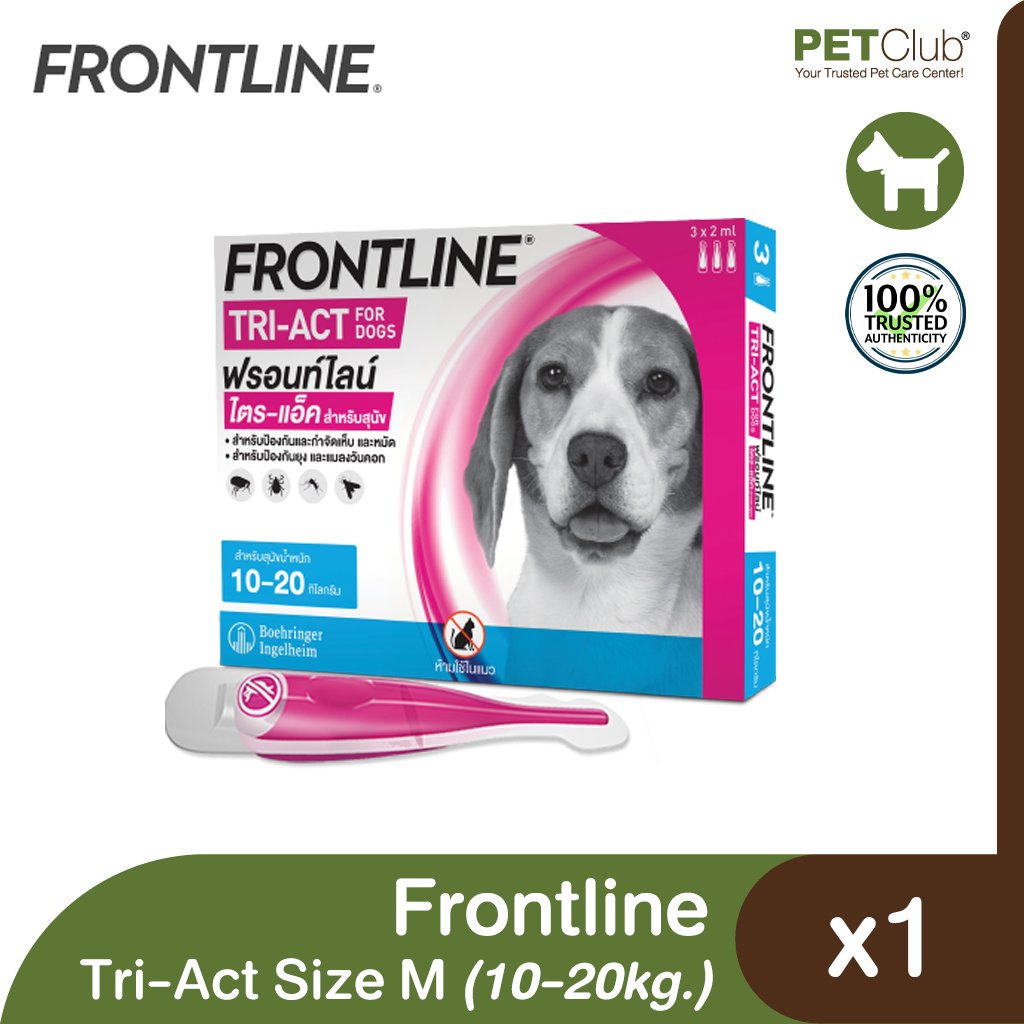
For more expert pet care tips and advice, check out our dedicated Dog Care guides to keep your companions healthy and happy.


