Introduction
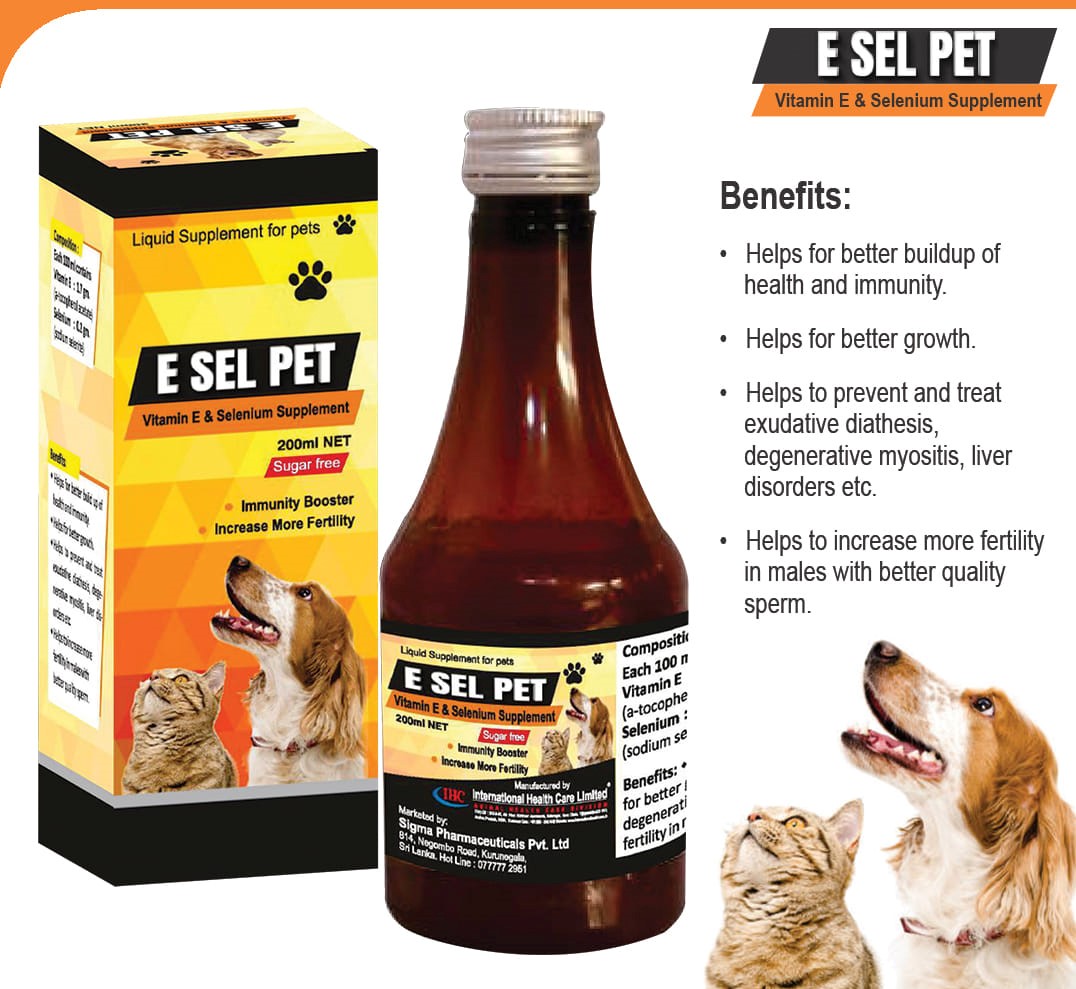
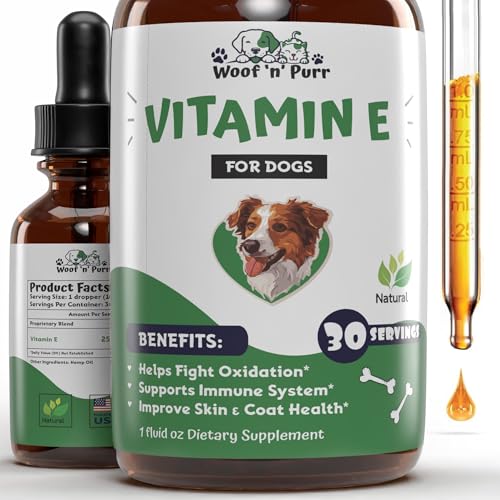
Dog vitamin e represents a crucial fat-soluble antioxidant essential for canine health, playing a vital role in protecting cellular integrity throughout a dog’s body. Understanding the importance of this specific nutrient is fundamental for dog owners seeking to optimize their companion’s well-being. This powerful antioxidant helps to combat oxidative stress, which can contribute to various health issues if left unchecked. A proper balance of vitamin E contributes significantly to maintaining a robust immune system, healthy skin and coat, and optimal muscle and neurological function. Recognizing its significance provides dog owners with valuable insights into supporting their dog’s overall vitality and preventing potential health challenges. Explore more in our Dog Nutrition collection.
💡 Pet Care Key Takeaways:
- Core Focus: Practical health, nutrition, and wellness guidelines for Dog Vitamin E.
- Target Scope: Pet owners, animal caregivers, and veterinary support staff.
- Best Recommendation: Maintain consistent daily routines and consult an accredited veterinarian before introducing major diet or medical changes.
Common Causes and Key Factors
Adequate levels of dog vitamin e are typically supplied through a well-balanced diet; however, several factors can contribute to insufficient intake or increased demand. One primary cause of potential deficiency involves diets composed of low-quality commercial dog foods that may lack sufficient natural vitamin E or contain ingredients that degrade its effectiveness. Processed foods, particularly those with high levels of polyunsaturated fatty acids, can deplete a dogs vitamin E reserves as the vitamin is used to protect these fats from oxidation. Malabsorption issues stemming from gastrointestinal diseases or pancreatic conditions can also prevent a dog from properly absorbing dietary vitamin E, even when present in the food. Additionally, certain physiological states, such as periods of intense exercise, stress, or chronic illness, increase the body’s need for antioxidants, thereby elevating the demand for vitamin E and potentially leading to a functional deficiency. For more related activities, check out our “Fortiflora” And “Gut Health”.
Signs and Symptoms to Observe
Observing signs indicative of a potential dog vitamin e deficiency requires careful attention to a dogs overall health and behavior. Early indicators can be subtle, but as a deficiency progresses, more pronounced symptoms may appear. Neurological issues often manifest as muscle weakness, incoordination (ataxia), or a general reluctance to move, particularly in the hind limbs. Affected dogs might exhibit tremors or difficulty maintaining balance. Skin and coat problems, such as a dull, dry coat, flaky skin, or increased susceptibility to skin infections, can also suggest an imbalance. A compromised immune system may lead to more frequent infections or slower recovery from illnesses. In some cases, reproductive problems, including reduced fertility, have been linked to inadequate vitamin E levels. These signs can vary depending on a dogs age, breed, and existing health conditions, making consistent observation crucial for timely intervention. Discover more free resources across our collection library.
Practical Solutions and Management Strategies
Ensuring optimal dog vitamin e levels often begins with thoughtful dietary management. Providing a high-quality commercial dog food that is complete and balanced, formulated with natural sources of vitamin E, forms the cornerstone of prevention. For dogs requiring additional support, incorporating specific natural food sources rich in vitamin E can be beneficial. These include certain vegetable oils (such as sunflower or wheat germ oil, used sparingly and under guidance), leafy green vegetables, and some seeds. When considering supplementation, it is paramount to consult with a veterinarian, as excessive amounts of fat-soluble vitamins can accumulate in the body and lead to toxicity. A veterinarian can recommend appropriate dosages and forms of vitamin E supplements, often prioritizing natural forms (d-alpha-tocopherol) over synthetic versions (dl-alpha-tocopherol) due to better bioavailability. Proper food storage, preventing exposure to air and light, helps preserve vitamin E content in commercial diets and supplements.
When Professional Help May Be Needed
While maintaining a balanced diet is fundamental, there are specific situations where professional veterinary intervention regarding dog vitamin e becomes indispensable. If a dog exhibits any of the previously described signs of deficiency, such as persistent muscle weakness, neurological symptoms, or chronic skin issues, immediate veterinary consultation is warranted. A veterinarian can conduct diagnostic tests to assess vitamin E levels, rule out other underlying conditions, and determine the most appropriate course of action. Professional guidance is also crucial before initiating any vitamin E supplementation, as the correct dosage is vital for safety and efficacy. Dogs with existing chronic diseases, malabsorption disorders, or those on specific medications may require tailored nutritional plans developed in collaboration with a veterinary professional to prevent complications and ensure balanced nutrient intake.
Conclusion
The role of dog vitamin e as a powerful antioxidant and essential nutrient underscores its importance in maintaining canine health and vitality. From supporting a robust immune system and healthy skin to safeguarding muscle and neurological functions, its impact is far-reaching. Dog owners are encouraged to prioritize a high-quality, balanced diet and remain vigilant in observing their dog for any subtle changes that might suggest a nutritional imbalance. Proactive dietary management and open communication with a veterinarian about any health concerns or potential supplementation needs ensure that dogs receive the optimal care required for a long, healthy, and happy life, truly embodying the educational mission of petsanimalsworld.com.
Pet Care & Wellness Overview Table
| Life Stage | Daily Activity Level | Key Nutrition / Care Focus |
|---|---|---|
| Puppy / Kitten | High (frequent short bursts) | High-protein growth diet & early socialization |
| Adult Companion | Moderate (30–60 mins daily) | Balanced maintenance nutrition & dental hygiene |
| Senior Pets | Low to Gentle (mindful walks) | Joint support (Glucosamine) & routine vet checks |
Images References