

Introduction
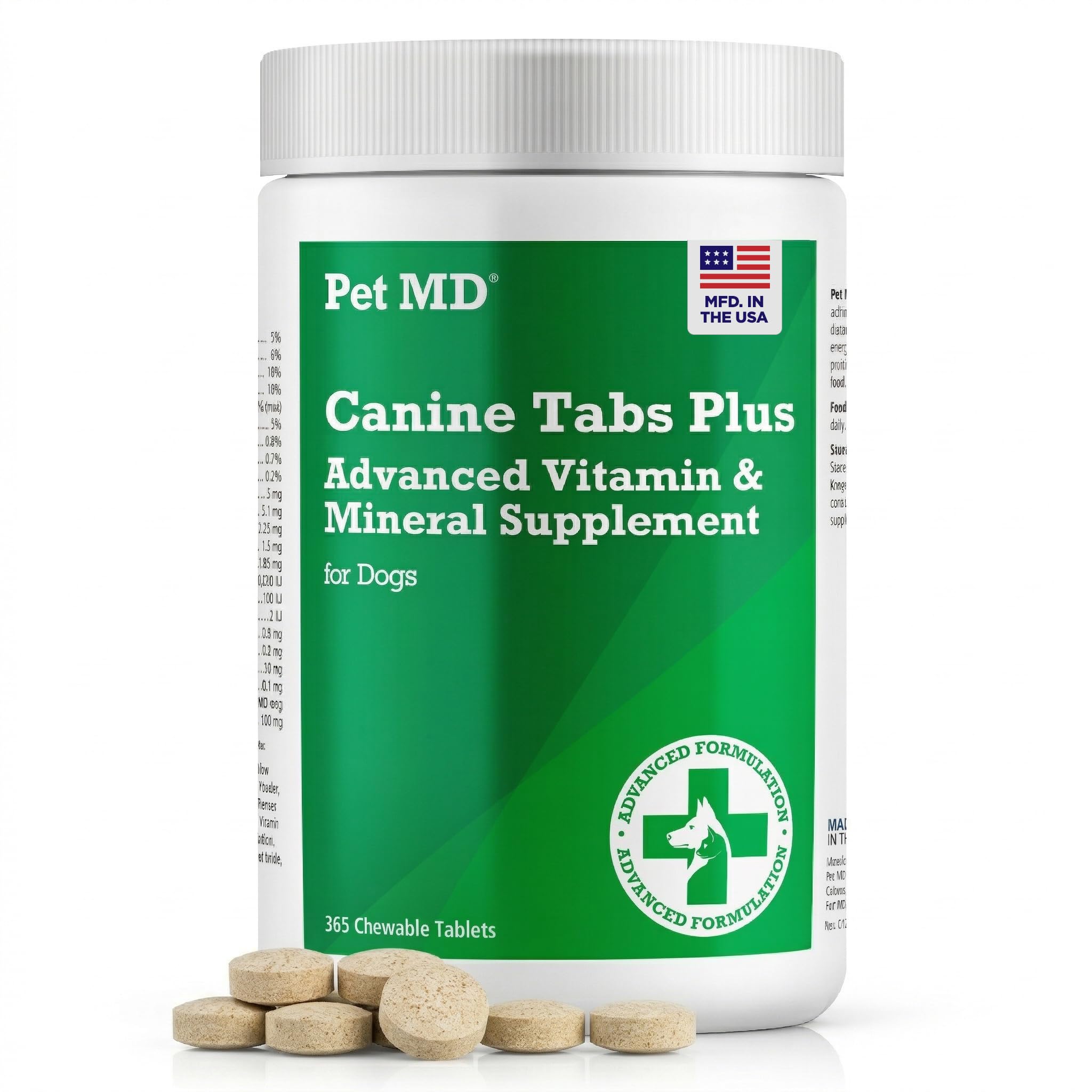
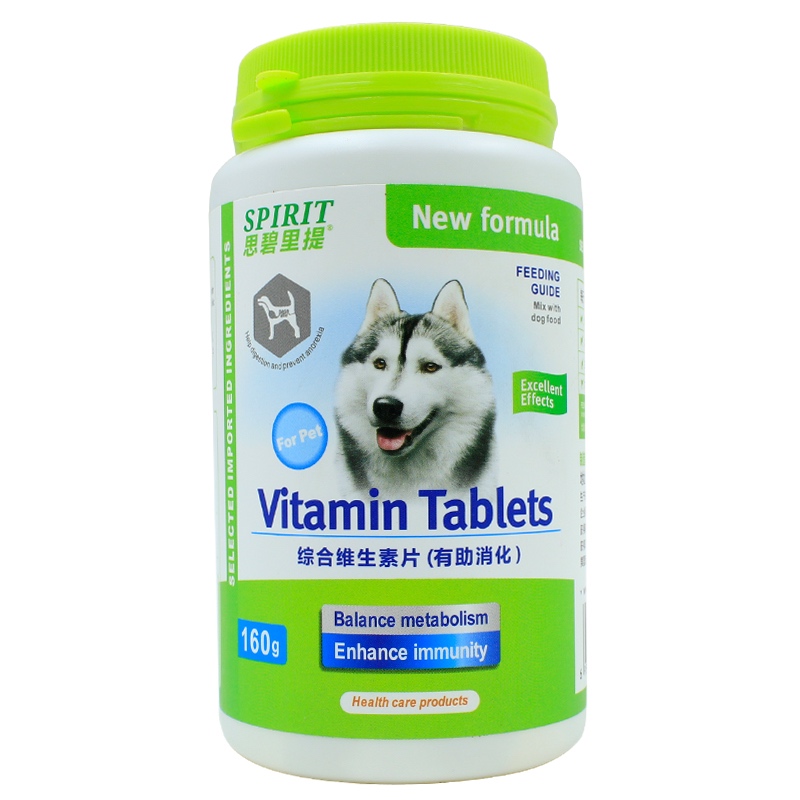
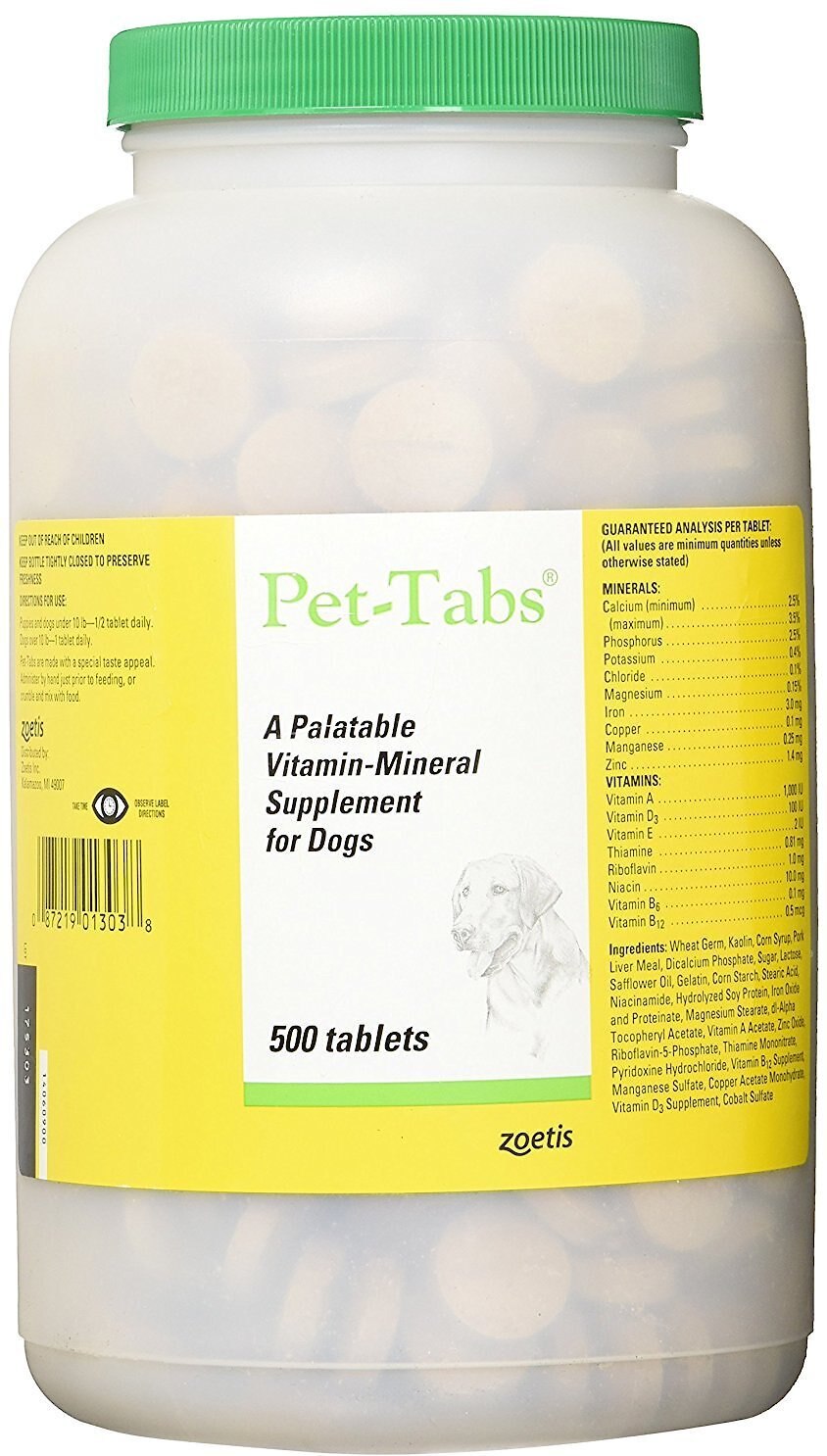
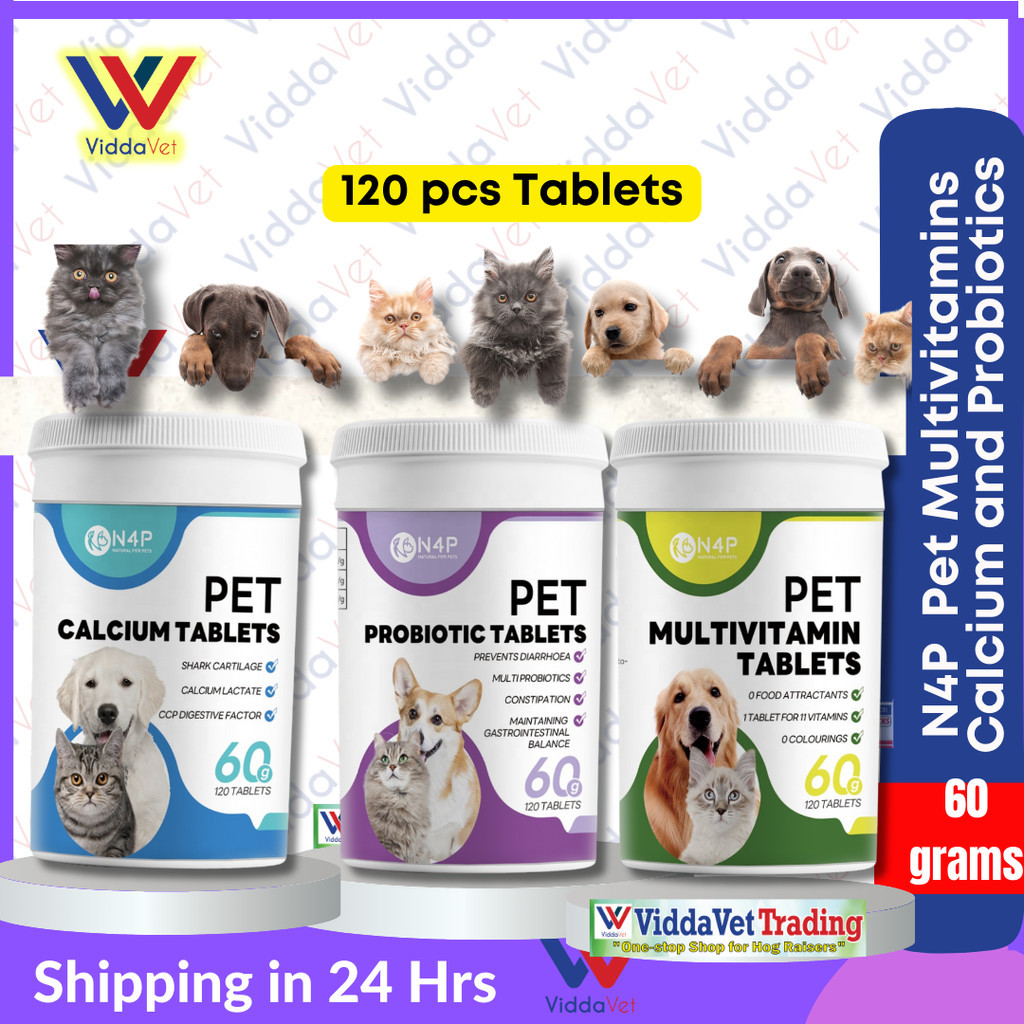
Maintaining a dog’s optimal health is a paramount concern for responsible pet owners. While a complete and balanced diet forms the cornerstone of canine nutrition, there are instances where supplementary support becomes a valuable consideration. Among these, dog vitamin tablets emerge as a popular option, designed to bridge potential nutritional gaps and bolster a dog’s overall well-being. These specialized supplements contain a range of essential vitamins and minerals, formulated to support various physiological functions from a healthy coat to robust immune system strength. Understanding the role, benefits, and proper application of dog vitamin tablets is crucial for making informed decisions that contribute significantly to a dogs vitality and longevity.
💡 Pet Care Key Takeaways:
- Core Focus: Practical health, nutrition, and wellness guidelines for Dog Vitamin Tablets.
- Target Scope: Pet owners, animal caregivers, and veterinary support staff.
- Best Recommendation: Maintain consistent daily routines and consult an accredited veterinarian before introducing major diet or medical changes.
Common Causes and Key Factors
The decision to introduce dog vitamin tablets into a canine’s routine often stems from several key factors, each pointing to a potential need for nutritional enhancement. One primary reason is the consumption of a less-than-optimal diet. While commercial dog foods are generally designed to be complete, variations in quality, ingredient sourcing, and specific formulations can leave some diets lacking in particular micronutrients. Similarly, dogs fed homemade diets without expert veterinary nutritionist guidance are highly susceptible to deficiencies, as balancing all essential vitamins and minerals can be complex. For more related activities, check out our Pitbullnutrition.
Age also plays a significant role in a dog’s nutritional requirements. Growing puppies have unique demands for bone development and immune system maturation, while senior dogs may experience reduced nutrient absorption, increased inflammation, or specific joint health needs that a standard diet alone might not fully address. Furthermore, dogs with specific health conditions, such as chronic illnesses, skin allergies, or gastrointestinal issues, often benefit from targeted vitamin and mineral supplementation to aid recovery or manage symptoms. Highly active dogs, including working dogs and canine athletes, may also require additional nutritional support to cope with increased metabolic demands and aid muscle recovery. Even environmental stressors or seasonal changes can impact a dog’s health, occasionally necessitating supplementary vitamins to maintain resilience.
Signs and Symptoms to Observe
Observing a dogs physical condition and behavior can provide valuable clues regarding their nutritional status and potential need for dog vitamin tablets. A dull, dry, or excessively shedding coat, often accompanied by dry skin or dandruff, can indicate deficiencies in certain essential fatty acids or B vitamins. Lethargy, decreased stamina, or a noticeable reduction in energy levels might suggest a lack of vital energy-producing vitamins or minerals.
Other indicators include stiffness or discomfort, particularly in older dogs, which might point to a need for joint-supporting nutrients like Vitamin C and E, or specific minerals. A weakened immune response, characterized by frequent infections or slow recovery from illness, can signal a compromised immune system that could benefit from immune-boosting vitamins. Gastrointestinal upset, poor appetite, or even subtle behavioral changes might also be subtle manifestations of nutritional imbalances. It is important to note that these signs can also be indicative of underlying medical conditions, emphasizing the importance of veterinary consultation rather than self-diagnosis.
Practical Solutions and Management Strategies
When considering the use of dog vitamin tablets, a structured and informed approach is essential. The first and most crucial step involves a comprehensive consultation with a veterinarian. A veterinary professional can assess a dogs current diet, health status, and lifestyle to determine if a nutritional deficiency is likely and if supplementation is genuinely warranted. They can also recommend appropriate tests to pinpoint specific deficiencies, if necessary.
If supplementation is recommended, selecting the right product is key. Pet owners should prioritize reputable brands that conduct third-party testing, ensuring product quality, purity, and accurate ingredient labeling. The type of vitamin tablet should align with the dog’s specific needs, whether it is a multi-vitamin for general support, or targeted supplements for joint health, skin and coat, or immune function. Understanding the ingredients, dosage instructions, and potential interactions with existing medications is also vital. Administering dog vitamin tablets consistently as directed by the veterinarian or product label is important for efficacy. Many tablets are chewable and palatable, but for finicky eaters, hiding them in a favorite treat or food often proves successful. Continuous observation of the dog’s response to the supplement is also part of effective management, noting any improvements or adverse reactions.
When Professional Help May Be Needed
While dog vitamin tablets can be a beneficial addition to a dog’s health regimen, they are not a substitute for professional veterinary care. Professional help is absolutely necessary if a dog exhibits any persistent or concerning symptoms of illness or deficiency. Before initiating any new supplement, particularly if a dog has pre-existing health conditions or is on medication, a veterinarian should always be consulted to prevent potential adverse interactions or overdosing.
If a dog develops any unusual reactions after starting a vitamin tablet, such as digestive upset, allergic reactions, or changes in behavior, immediate veterinary attention is required. A veterinarian can also offer invaluable guidance on proper diet formulation, especially for dogs on homemade diets, ensuring all nutritional needs are met without the risks of imbalances or over-supplementation. Seeking professional advice ensures that decisions regarding a dogs nutritional support are based on sound medical judgment, optimizing health outcomes responsibly.
Conclusion
Dog vitamin tablets represent a valuable tool in the comprehensive care of canine companions, offering a way to support overall health and address specific nutritional needs. Their judicious use, however, hinges on informed decision-making and a strong partnership with a veterinary professional. By understanding the potential reasons for supplementation, recognizing signs of possible deficiencies, and adopting a responsible approach to product selection and administration, pet owners can significantly contribute to their dog’s vitality. Prioritizing a complete and balanced diet, combined with expert guidance on supplementation, ensures that every dog receives the tailored nutritional support required for a long, healthy, and happy life.
Pet Care & Wellness Overview Table
| Life Stage | Daily Activity Level | Key Nutrition / Care Focus |
|---|---|---|
| Puppy / Kitten | High (frequent short bursts) | High-protein growth diet & early socialization |
| Adult Companion | Moderate (30–60 mins daily) | Balanced maintenance nutrition & dental hygiene |
| Senior Pets | Low to Gentle (mindful walks) | Joint support (Glucosamine) & routine vet checks |
Images References





For more expert pet care tips and advice, check out our dedicated Dog Nutrition guides to keep your companions healthy and happy.




