

Introduction
The topic of dog vitamins and minerals is fundamental to understanding canine health and well-being. These essential nutrients are microscopic powerhouses, playing critical roles in nearly every bodily function, from bone development and immune response to energy production and nerve function. A dog’s ability to thrive, maintain a vibrant coat, possess strong bones, and exhibit consistent energy levels is intricately linked to the presence of an optimal balance of these dietary components. While many commercial dog foods are formulated to be nutritionally complete, various factors can lead to an imbalance, prompting owners to consider the adequacy of their dog’s vitamin and mineral intake. Understanding this crucial aspect of canine nutrition empowers owners to make informed decisions that can significantly enhance a dogs overall health, vitality, and quality of life.
💡 Pet Care Key Takeaways:
- Core Focus: Practical health, nutrition, and wellness guidelines for Dog Vitamins And Minerals.
- Target Scope: Pet owners, animal caregivers, and veterinary support staff.
- Best Recommendation: Maintain consistent daily routines and consult an accredited veterinarian before introducing major diet or medical changes.
Common Causes and Key Factors
Several key factors contribute to potential deficiencies or imbalances in dog vitamins and minerals. A primary cause often stems from dietary choices. While premium commercial dog foods typically offer a complete and balanced nutritional profile, lower-quality foods may lack sufficient quantities of vital nutrients or contain ingredients with poor bioavailability. Another significant factor is the trend towards homemade or raw diets. Without expert veterinary nutritional guidance, these diets frequently lack a comprehensive range of essential vitamins and minerals, leading to imbalances that can manifest over time. For more related activities, check out our Natural Balance Puppy Food Quantity Chart.
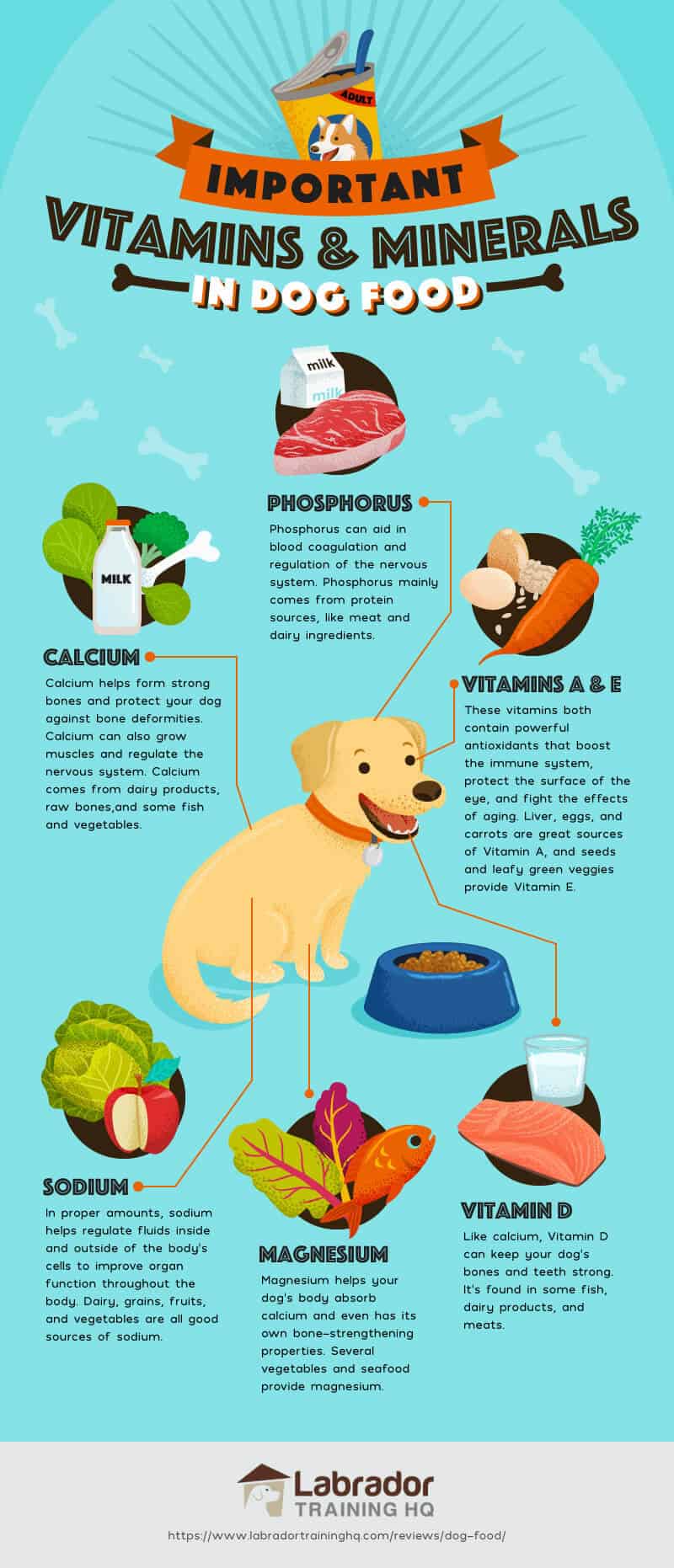
A dog’s life stage also presents varying nutritional demands. Growing puppies require specific ratios of calcium and phosphorus for proper bone development, while pregnant or lactating dogs have significantly increased needs for a wide array of nutrients to support both their own health and the development of their offspring. Senior dogs often experience decreased nutrient absorption efficiency and may benefit from targeted nutritional support due to aging organs and reduced activity levels. Furthermore, certain health conditions, such as gastrointestinal diseases, can impair a dog’s ability to absorb nutrients effectively, even if they are present in the diet. Chronic illnesses or medications can also influence nutrient metabolism and requirements, making a precise balance of dog vitamins and minerals critical for recovery and ongoing management.
Signs and Symptoms to Observe
Recognizing the signs of vitamin or mineral imbalances in dogs requires diligent observation, as symptoms can often be subtle and non-specific. One common indicator is a deterioration in coat and skin health. A dull, dry, or brittle coat, excessive shedding, or persistent skin irritation and flakiness can suggest deficiencies in essential fatty acids, B vitamins, or certain minerals like zinc. Changes in energy levels are another telling sign; lethargy, reduced enthusiasm for play, or prolonged periods of inactivity may point towards insufficient energy-producing nutrients, such as B vitamins or iron.
Digestive upset, including chronic diarrhea, constipation, or recurrent vomiting, can sometimes be linked to nutrient absorption issues or the lack of specific minerals that support gut health. Impaired immune function, characterized by frequent infections, slow wound healing, or a general susceptibility to illness, can also signal a deficiency in vitamins like C and E, or minerals such as selenium and zinc. More severe or prolonged imbalances might manifest as skeletal problems, such as lameness, joint pain, or abnormal bone development, particularly in growing puppies, due to improper calcium and phosphorus ratios or a lack of vitamin D. Behavioral changes, such as irritability, anxiety, or unusual vocalization, while often attributed to other causes, can occasionally be secondary to the discomfort or systemic issues arising from nutritional deficiencies. The presentation of these signs can vary significantly depending on the dog’s age, breed, and the specific nutrient involved, highlighting the importance of comprehensive assessment.
Practical Solutions and Management Strategies
Effective management of dog vitamins and minerals begins with ensuring a high-quality, balanced diet. For most dogs, a premium commercial dog food that is labeled as “complete and balanced” and formulated to meet the nutritional levels established by the Association of American Feed Control Officials (AAFCO) is generally sufficient. These diets are carefully crafted to provide all essential nutrients in appropriate ratios for a dog’s specific life stage.
For owners who prefer homemade diets, it is paramount to consult with a board-certified veterinary nutritionist. Creating a nutritionally complete homemade diet is complex and requires precise calculations of macro and micronutrients, which is difficult to achieve without professional expertise. Randomly combining ingredients often leads to significant deficiencies or excesses that can harm a dog’s health. When considering supplements, it is crucial to approach this with caution. While some dogs, such as large breeds prone to joint issues, might benefit from targeted supplements like glucosamine, or dogs with dry skin might benefit from omega-3 fatty acids, these should always be introduced under veterinary guidance. Over-supplementation can be just as detrimental as deficiency, potentially leading to toxicities of fat-soluble vitamins (A, D, E, K) or certain minerals. Regular health monitoring, including routine veterinary check-ups and diagnostic tests, provides opportunities to assess a dog’s nutritional status and make informed adjustments to their dietary regimen.
When Professional Help May Be Needed
While diligent observation and a balanced diet form the cornerstone of canine nutrition, there are clear situations when professional veterinary intervention becomes essential. If a dog exhibits persistent or worsening symptoms despite careful dietary management, a veterinary consultation is warranted. Symptoms such as chronic lethargy, severe coat issues, ongoing digestive problems, or noticeable lameness require a professional diagnosis to rule out underlying medical conditions or to confirm nutritional imbalances.
Furthermore, any decision to introduce dietary supplements should always be preceded by a discussion with a veterinarian. A professional can assess a dog’s individual needs based on age, breed, lifestyle, and existing health conditions, recommending appropriate supplements or advising against unnecessary additions. This prevents potential harm from over-supplementation or interactions with existing medications. For dogs on homemade diets or those with specific health conditions requiring a customized nutritional plan, collaboration with a veterinary nutritionist is indispensable. These experts can formulate a precise diet tailored to the dog’s unique requirements, ensuring all essential dog vitamins and minerals are provided in optimal amounts. Regular veterinary check-ups serve as a proactive measure, allowing for early detection of potential issues before they become severe.
Conclusion
The role of dog vitamins and minerals in maintaining canine health cannot be overstated. These vital nutrients are the building blocks for a robust immune system, strong bones, healthy skin and coat, optimal energy levels, and overall vitality. Ensuring a dog receives an appropriate balance is fundamental to their well-being. Owners are encouraged to prioritize high-quality, complete, and balanced diets, remain vigilant for any signs of nutritional imbalance, and approach supplementation with careful consideration and professional guidance. Proactive engagement with veterinary professionals for dietary planning and health monitoring represents the most responsible approach to canine nutrition. Through informed decisions and consistent care, owners can significantly contribute to their dog’s long-term health and happiness, allowing them to enjoy a full and active life.
Pet Care & Wellness Overview Table
| Life Stage | Daily Activity Level | Key Nutrition / Care Focus |
|---|---|---|
| Puppy / Kitten | High (frequent short bursts) | High-protein growth diet & early socialization |
| Adult Companion | Moderate (30–60 mins daily) | Balanced maintenance nutrition & dental hygiene |
| Senior Pets | Low to Gentle (mindful walks) | Joint support (Glucosamine) & routine vet checks |
Images References






For more expert pet care tips and advice, check out our dedicated Dog Nutrition guides to keep your companions healthy and happy.




