

Introduction
The topic of dog vitamins and supplements often sparks considerable discussion among pet owners. Essentially, these products are nutritional aids designed to complement a dog’s regular diet, providing additional vitamins, minerals, and other beneficial compounds. While a high-quality commercial dog food is formulated to be nutritionally complete and balanced, there are specific circumstances where a dog might benefit from extra support. Understanding when and why to consider these additions is crucial for maintaining a dog’s optimal health and well-being. This knowledge empowers owners to make informed decisions, potentially enhancing their dog’s vitality, improving specific health conditions, and contributing to a longer, healthier life.
💡 Pet Care Key Takeaways:
- Core Focus: Practical health, nutrition, and wellness guidelines for Dog Vitamins And Supplements.
- Target Scope: Pet owners, animal caregivers, and veterinary support staff.
- Best Recommendation: Maintain consistent daily routines and consult an accredited veterinarian before introducing major diet or medical changes.
Common Causes and Key Factors
Several factors can influence a dog’s need for vitamins and supplements, ranging from dietary considerations to life stage and specific health challenges. One primary reason relates to potential dietary deficiencies. Although modern commercial dog foods are generally well-balanced, a dog consuming a homemade diet might lack essential nutrients if the meals are not meticulously formulated by a veterinary nutritionist. Poor quality commercial foods, though less common, can also contribute to nutrient gaps. For more related activities, check out our Ol Roy Ingredients List.
A dog’s life stage also plays a significant role. Puppies, undergoing rapid growth, may benefit from specific nutrient support for bone and muscle development. Senior dogs often require supplements to support joint health, cognitive function, and declining immune systems. Pregnant or nursing dogs experience increased nutritional demands to support themselves and their litter.
Furthermore, certain health conditions or predispositions can necessitate supplementation. Dogs suffering from osteoarthritis, skin allergies, or digestive issues might benefit from targeted supplements such as joint support, omega fatty acids, or probiotics. Breeds genetically predisposed to specific health problems, like hip dysplasia in large breeds or certain cardiac conditions, may also receive proactive supplementation. High activity levels, such as those seen in working dogs or canine athletes, can also increase the demand for nutrients that support energy, recovery, and joint integrity.
Signs and Symptoms to Observe
Observing a dog’s physical condition and behavior can provide clues that nutritional support might be beneficial. Changes in the coat and skin are often noticeable indicators. A dull, dry, flaky coat, excessive shedding, or persistent skin irritation might suggest a deficiency in essential fatty acids or certain vitamins.
Variations in energy levels are another key sign. Lethargy, a noticeable decrease in stamina during walks or play, or general weakness could point to a lack of B vitamins, iron, or other energy-supporting nutrients. For older dogs, stiffness, limping, difficulty rising, or reluctance to engage in usual physical activities may indicate a need for joint-supporting supplements.
Digestive upset, including chronic diarrhea, constipation, or inconsistent stool quality, might be linked to an imbalance in gut flora, making probiotics a potential consideration. Dogs with a weakened immune system might experience frequent infections, slow wound healing, or general susceptibility to illness, suggesting a need for immune-boosting vitamins and minerals. In some senior dogs, cognitive decline manifested by disorientation, changes in sleep patterns, or altered interactions can also be addressed with specific brain-supporting supplements. Any changes in appetite, such as becoming a picky eater or unexplained weight loss, warrant close attention.
Practical Solutions and Management Strategies
Implementing dog vitamins and supplements requires a thoughtful and informed approach. The foundational principle remains that a high-quality, balanced diet should always be the primary source of a dog’s nutrition; supplements are intended to complement, not replace, a sound dietary regimen.
Before introducing any supplement, consultation with a veterinarian is paramount. This ensures that any observed symptoms are not indicative of a more serious underlying health condition and helps in selecting appropriate, targeted supplements. A veterinarian can also provide guidance on correct dosages, which are crucial to prevent both under-dosing and potential toxicity.
Common categories of supplements include multivitamins, often recommended for dogs on homemade diets or those with general nutritional gaps. Joint supplements, containing ingredients like glucosamine, chondroitin, and MSM, are widely used for aging dogs, large breeds, and those with arthritis. Omega fatty acids, typically derived from fish oil, are excellent for promoting healthy skin and coat, supporting joint function, and benefiting cognitive health. Probiotics are valuable for digestive health, particularly after antibiotic use or during periods of stress, to maintain a balanced gut microbiome. Antioxidants, such as vitamins C and E, can support the immune system and combat oxidative stress.
When selecting dog vitamins and supplements, owners should prioritize products from reputable manufacturers. Look for evidence of third-party testing, clear ingredient lists, and appropriate certifications to ensure quality, purity, and potency. Following dosage instructions diligently is essential, as excessive amounts of some vitamins and minerals can be harmful. After starting a new supplement, it is important to observe the dog for any positive changes or adverse reactions, adjusting the approach as needed under veterinary supervision.
When Professional Help May Be Needed
While a proactive approach to a dog’s health is commendable, there are clear instances where professional veterinary consultation becomes indispensable regarding dog vitamins and supplements. Any new, unexplained, or worsening symptoms, such as persistent lethargy, ongoing digestive issues, sudden lameness, or significant changes in behavior, always warrant immediate veterinary attention. These signs could be indicative of serious medical conditions that require more than just supplemental support.
Furthermore, a veterinarian’s expertise is crucial before initiating any new supplement regimen. This is especially true for dogs with pre-existing health conditions, those on prescription medications, or breeds known for specific sensitivities. A veterinarian can accurately diagnose underlying deficiencies through blood tests or other diagnostics, ensuring that the chosen supplements are truly necessary and beneficial rather than superfluous or potentially harmful. They can also provide informed recommendations on the specific type, brand, and dosage of supplements tailored to an individual dog’s needs, considering potential interactions with medications or other supplements. If a dog experiences any adverse reactions to a supplement, such as vomiting, diarrhea, or allergic responses, discontinuing the product and seeking immediate veterinary advice is imperative.
Conclusion
The thoughtful integration of dog vitamins and supplements can play a valuable role in supporting a dog’s overall health and well-being. While a balanced and high-quality diet remains the cornerstone of canine nutrition, targeted supplements can address specific needs related to life stage, activity level, or existing health conditions. Key takeaways include the importance of keen observation for any signs suggesting nutritional gaps, understanding the various types of supplements available, and most critically, seeking professional veterinary guidance before introducing any new products. By combining informed decision-making with consistent care and regular veterinary oversight, owners can confidently navigate the world of dog nutrition, ultimately contributing to a vibrant, healthy, and happy life for their canine companions.
Pet Care & Wellness Overview Table
| Life Stage | Daily Activity Level | Key Nutrition / Care Focus |
|---|---|---|
| Puppy / Kitten | High (frequent short bursts) | High-protein growth diet & early socialization |
| Adult Companion | Moderate (30–60 mins daily) | Balanced maintenance nutrition & dental hygiene |
| Senior Pets | Low to Gentle (mindful walks) | Joint support (Glucosamine) & routine vet checks |
Images References




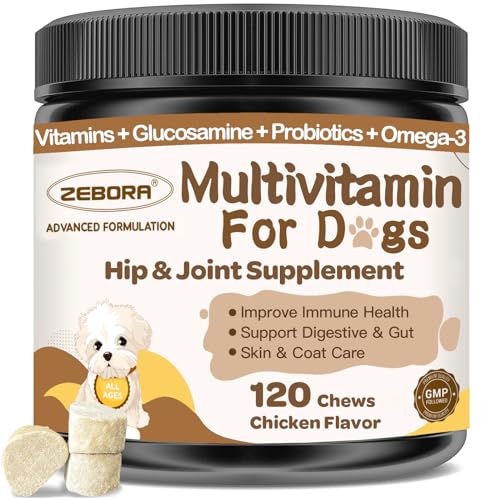


For more expert pet care tips and advice, check out our dedicated Dog Nutrition guides to keep your companions healthy and happy.




