

Understanding the Appeal of Group Play Environments
According to the American Kennel Club (AKC), socialization opportunities are vital for canine development, helping pets navigate novel environments and interactions with confidence. Modern lifestyles often present challenges for busy owners seeking to balance long work hours with canine exercise needs. Leaving a dog alone for extended periods can lead to boredom, destructive chewing, and vocalization. Group enrichment facilities provide a structured alternative where dogs can expend physical energy and interact with conspecifics, meaning members of the same species. Navigating these options successfully requires an understanding of what professional group care entails and how it impacts day-to-day canine well-being.
💡 Pet Care Key Takeaways:
- Core Focus: Practical health, nutrition, and wellness guidelines for Doggy Daycare Zion.
- Target Scope: Pet owners, animal caregivers, and veterinary support staff.
- Best Recommendation: Maintain consistent daily routines and consult an accredited veterinarian before introducing major diet or medical changes.
Defining Doggy Daycare Zion and Regional Facility Standards
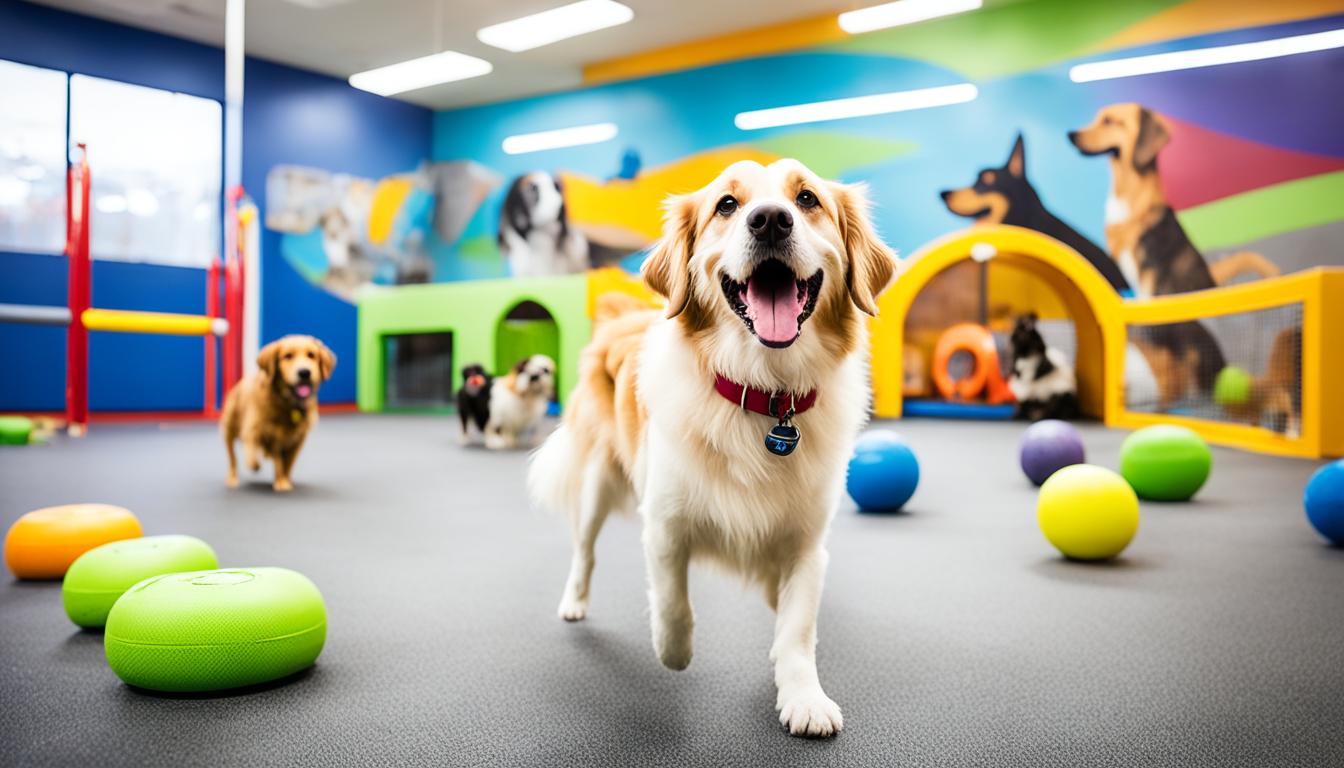
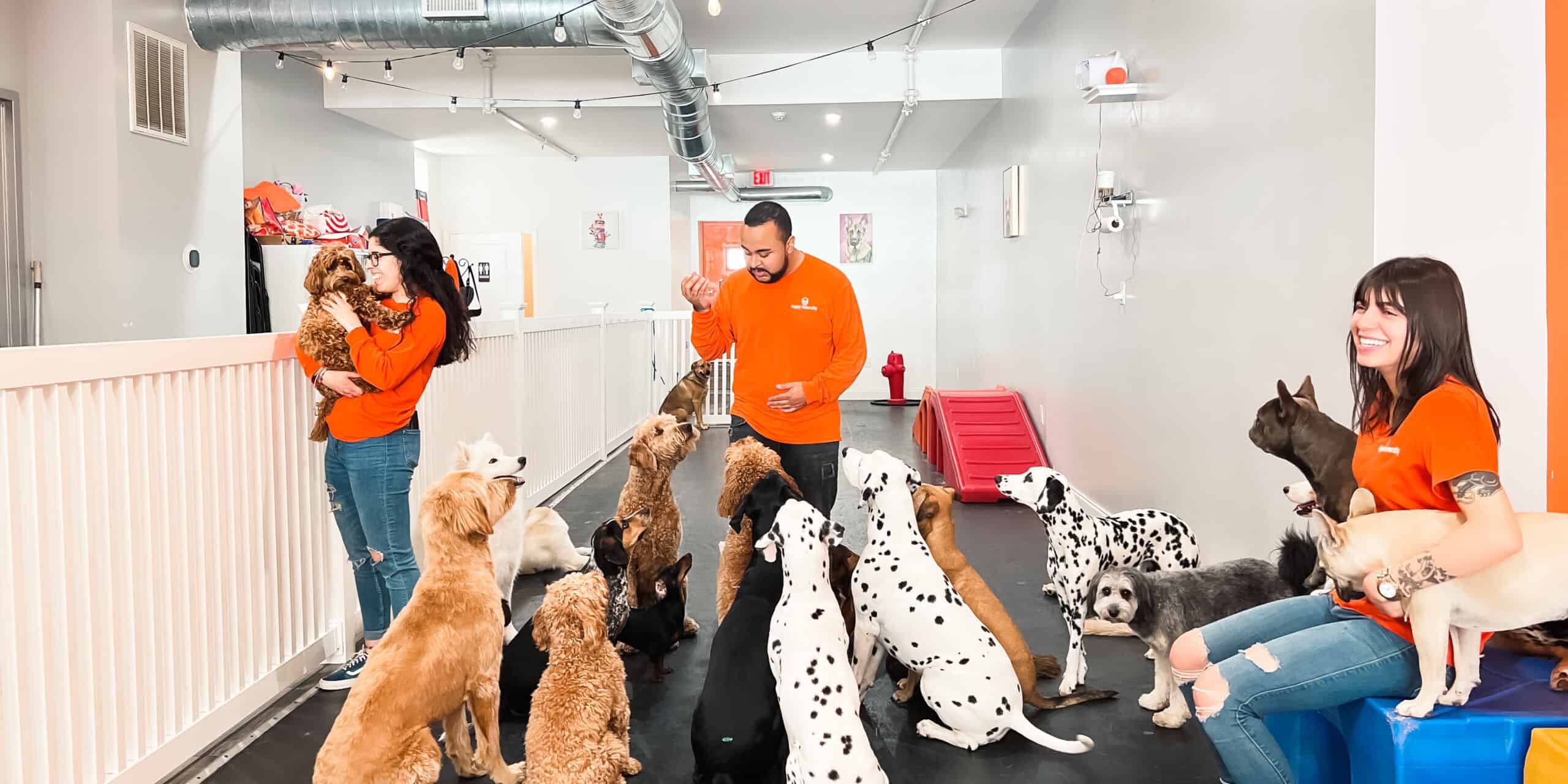
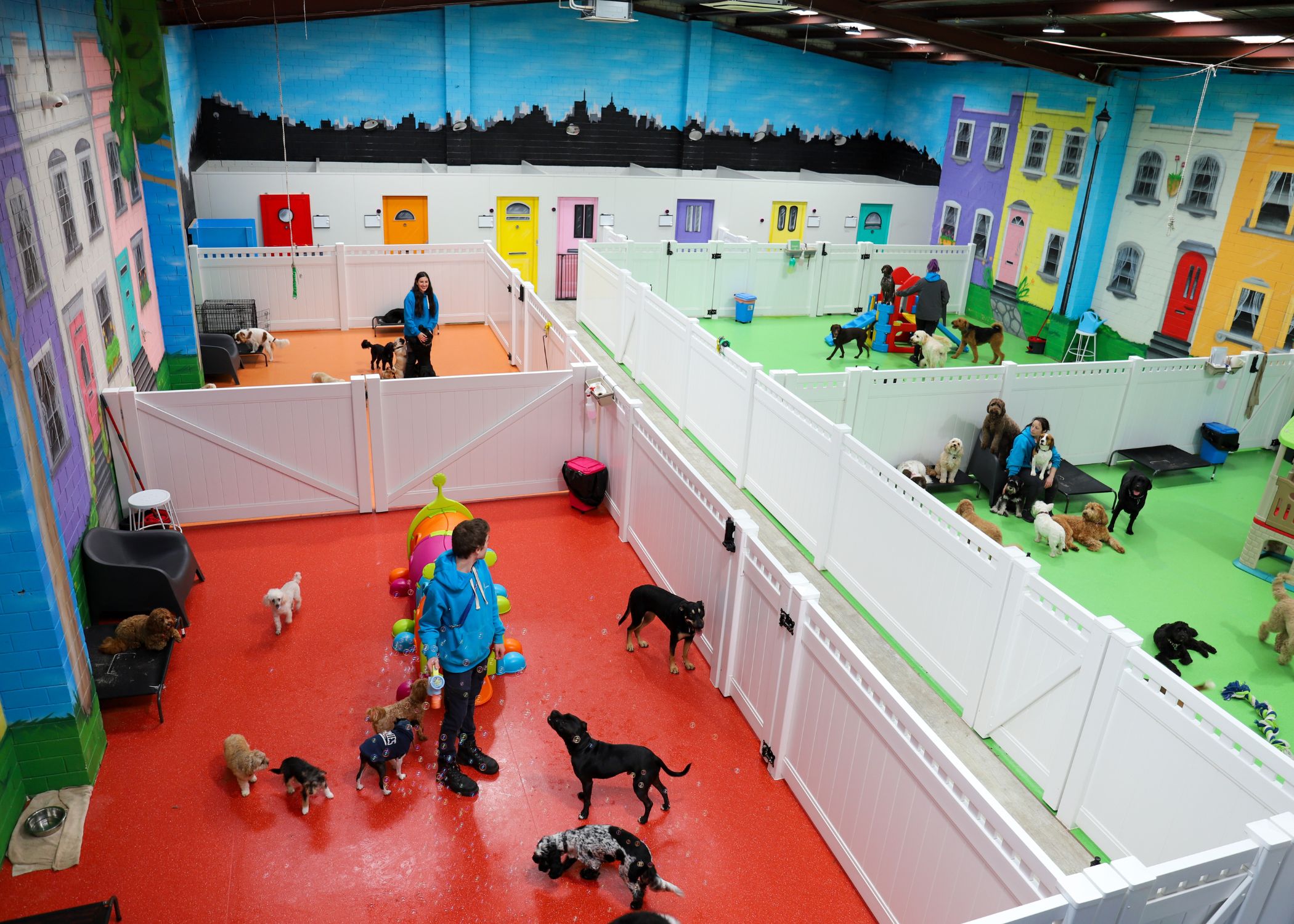
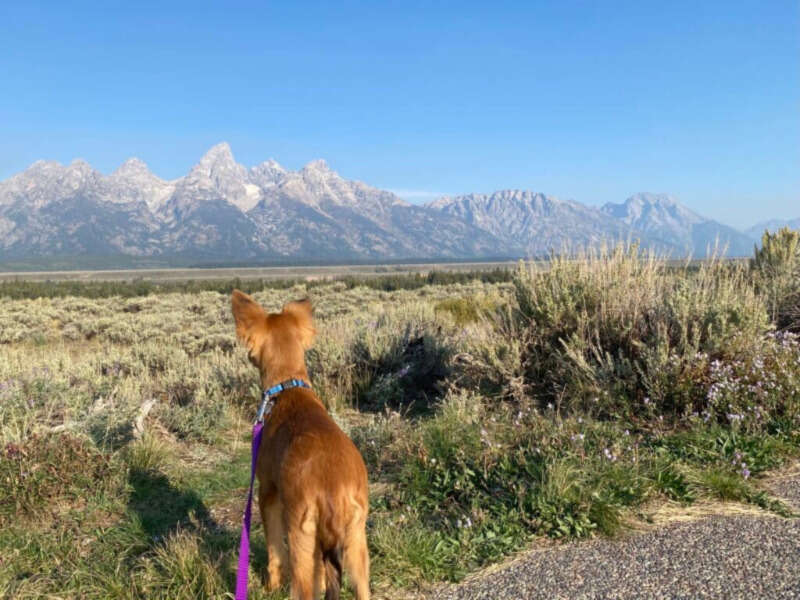
Doggy daycare zion refers to structured group supervision services situated near scenic regional landmarks or specific geographic locations, designed to keep pets safe, active, and engaged while owners are away. These facilities typically feature partitioned play yards, climate-controlled indoor rest areas, and trained attendants who monitor group dynamics. Unlike simple boarding kennels focused primarily on overnight housing, interactive play centers emphasize active engagement, mental stimulation, and supervised peer socialization. Quality establishments generally enforce strict screening protocols, verifying vaccination histories and assessing behavioral compatibility before granting admission to open play groups.
Evaluating the Physical and Behavioral Impacts of Group Play
Daily group participation influences a dog’s physical fitness, emotional state, and stress levels in distinct ways. Regular running, chasing, and wrestling build cardiovascular endurance and muscle tone, while sniffing and exploring satisfy innate curiosity. However, group environments can also introduce stressors such as overstimulation, sleep deprivation, and peer conflict. Dogs that spend eight hours in a high-arousal setting without adequate downtime may return home exhausted rather than content. Recognizing individual behavioral limits ensures that group activities support overall wellness without triggering chronic anxiety or physical fatigue.
Proper facility oversight and appropriate group sizing significantly reduce the incidence of preventable canine injuries during supervised group play. — American Kennel Club
Selecting and Managing the Right Facility Experience
Preparing a dog for a group environment involves gradual introductions and careful observation of individual comfort levels. Facility managers utilize temperament tests—short behavioral assessments conducted in controlled settings—to evaluate how a dog responds to new human handlers and unfamiliar peers. Owners should look for transparent operations that maintain low staff-to-dog ratios, clean sanitation practices, and enforced rest periods throughout the day. Monitoring how a dog reacts to the departure and arrival routine offers valuable insight into whether a specific environment promotes positive mental health.
Best Practices and Common Pitfalls in Group Facility Care
Maximizing the benefits of supervised care requires avoiding common mistakes such as assuming every dog naturally enjoys large play groups. Shyer or more independent dogs may experience chronic distress in chaotic environments, making smaller play groups or individual enrichment walks a more suitable choice. Maintaining consistent vaccination schedules against infectious respiratory pathogens, such as Bordetella and canine influenza, is mandatory for community health. Furthermore, owners should never skip the trial day, as this initial assessment helps staff gauge baseline stress and determine appropriate play group placements.
Preventative health protocols, including up-to-date vaccinations and parasite control, are essential requirements for group animal care facilities. — American Veterinary Medical Association
Pet Care & Wellness Overview Table
| Life Stage | Daily Activity Level | Key Nutrition / Care Focus |
|---|---|---|
| Puppy / Kitten | High (frequent short bursts) | High-protein growth diet & early socialization |
| Adult Companion | Moderate (30–60 mins daily) | Balanced maintenance nutrition & dental hygiene |
| Senior Pets | Low to Gentle (mindful walks) | Joint support (Glucosamine) & routine vet checks |
Images References


Breed, Age, and Temperament Considerations
Individual characteristics heavily dictate how well a dog adapts to shared spaces and group activities. High-energy working breeds and sociable retrievers often thrive in active environments, whereas brachycephalic breeds—dogs with shortened facial structures like Pugs and Bulldogs—require careful monitoring to prevent overheating during vigorous play. Age is another critical variable; adolescent dogs possess high stamina but lack impulse control, while senior dogs require gentle movement and quiet resting spaces away from rambunctious peers. Tailoring the environment to suit these intrinsic traits protects physical health and emotional stability.
When to Consult a Veterinary Professional or Behaviorist
Sudden changes in behavior, reluctance to enter the facility, or unexplained physical injuries warrant prompt professional evaluation. If a dog displays persistent fear, resource guarding, or stress-related reactivity following group exposure, consultation with a qualified professional listed under Dog Behavior or Dog Health is recommended. A veterinarian can rule out underlying medical discomfort contributing to behavioral shifts, while a certified behaviorist can design positive reinforcement strategies to address environmental anxieties without resorting to punitive methods.
Ensuring Balanced Canine Wellness
Choosing the right supervised environment requires balancing structured socialization with adequate rest, proper nutrition, and individualized care. Owners can explore additional guidance on Dog Care and Dog Training to support their pets across all stages of life. Visit PetsAnimalsWorld.com to discover more resources dedicated to keeping companion animals safe, healthy, and happy every single day.


