

Understanding the Unique Appeal of the Dosa Gae Mastiff Breed in Modern Households
Bringing a giant-breed guardian into a domestic setting requires a deep understanding of unique canine lineages, powerful instincts, and immense physical power. According to the American Kennel Club, large guard dog breeds require specialized socialization protocols from an early age to ensure safe integration into family environments. Recognizing the distinct background of these impressive animals helps caretakers bridge the gap between historic working purposes and contemporary companionship. Consequently, navigating the nuances of the dosa gae mastiff breed involves balancing profound affection with disciplined structure.
💡 Pet Care Key Takeaways:
- Core Focus: Practical health, nutrition, and wellness guidelines for Dosa Gae Mastiff Breed.
- Target Scope: Pet owners, animal caregivers, and veterinary support staff.
- Best Recommendation: Maintain consistent daily routines and consult an accredited veterinarian before introducing major diet or medical changes.
The Dosa Gae Mastiff Breed Represents a Rare and Powerful Korean Guardian
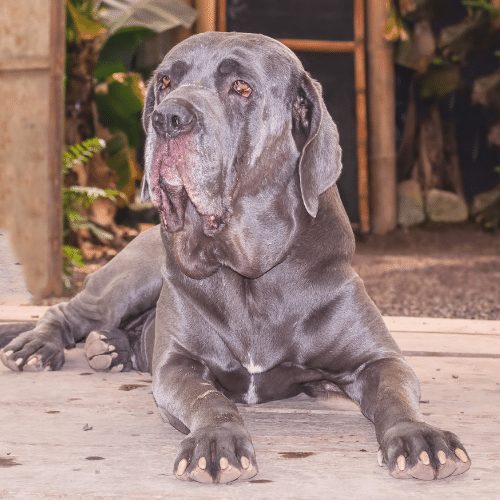
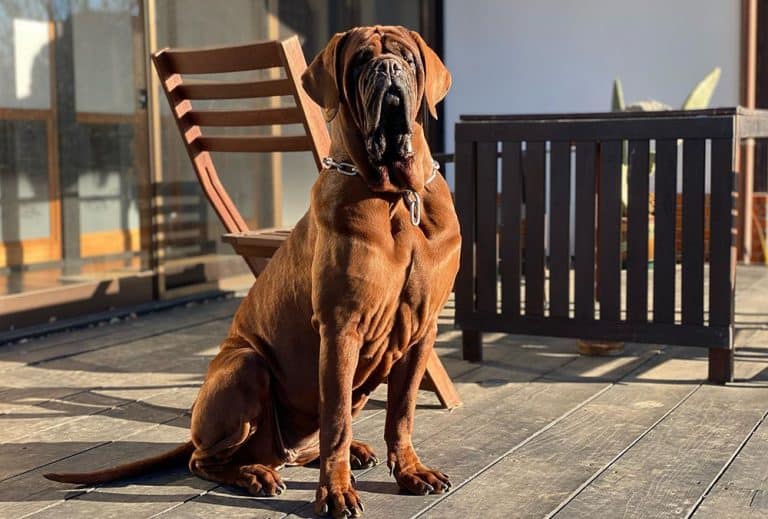
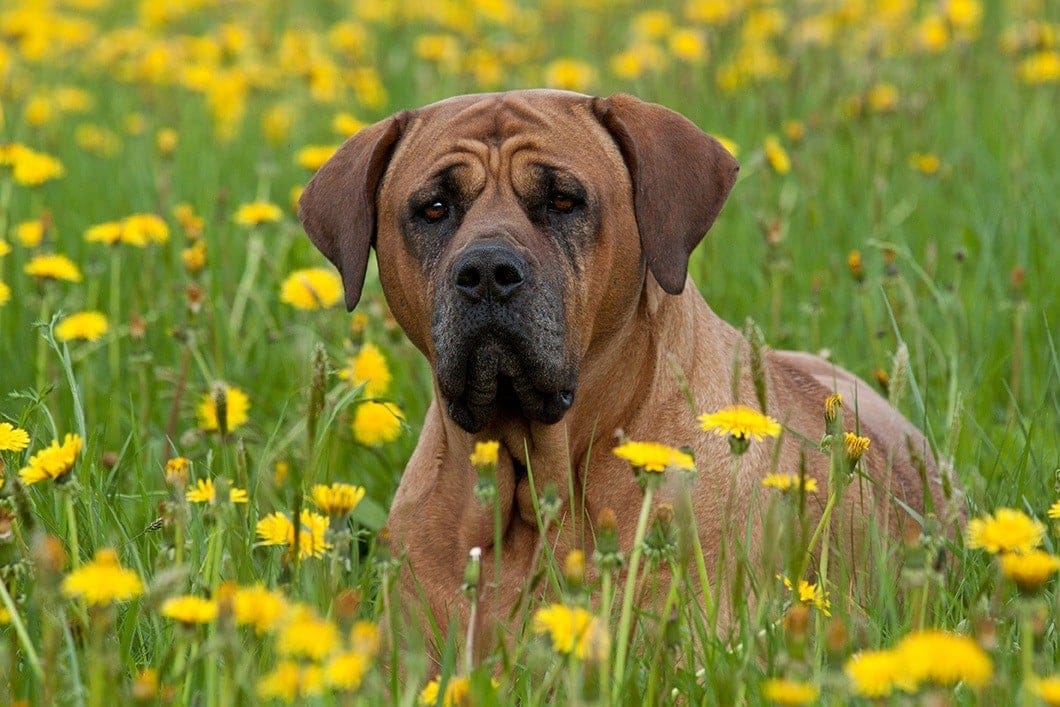
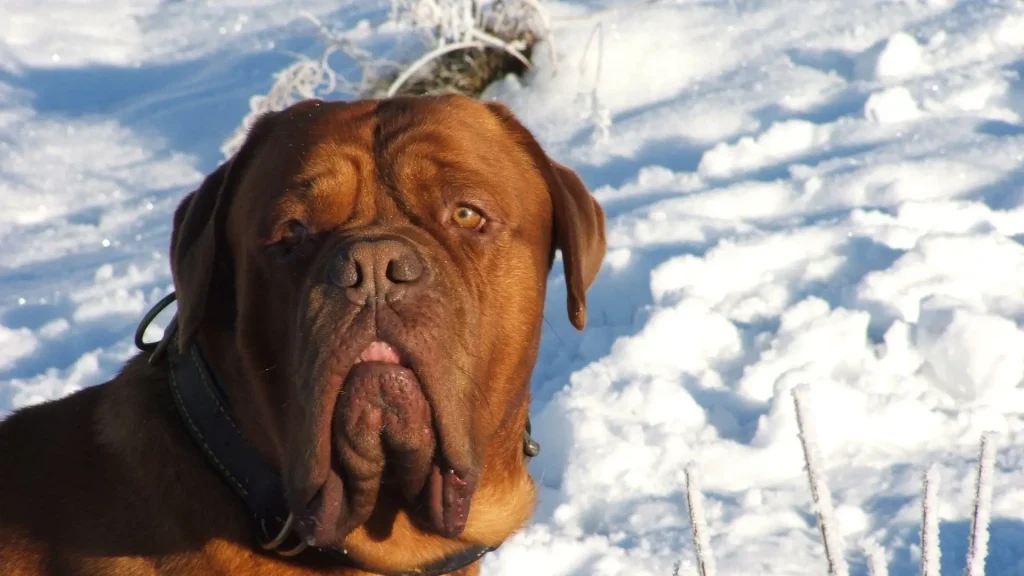
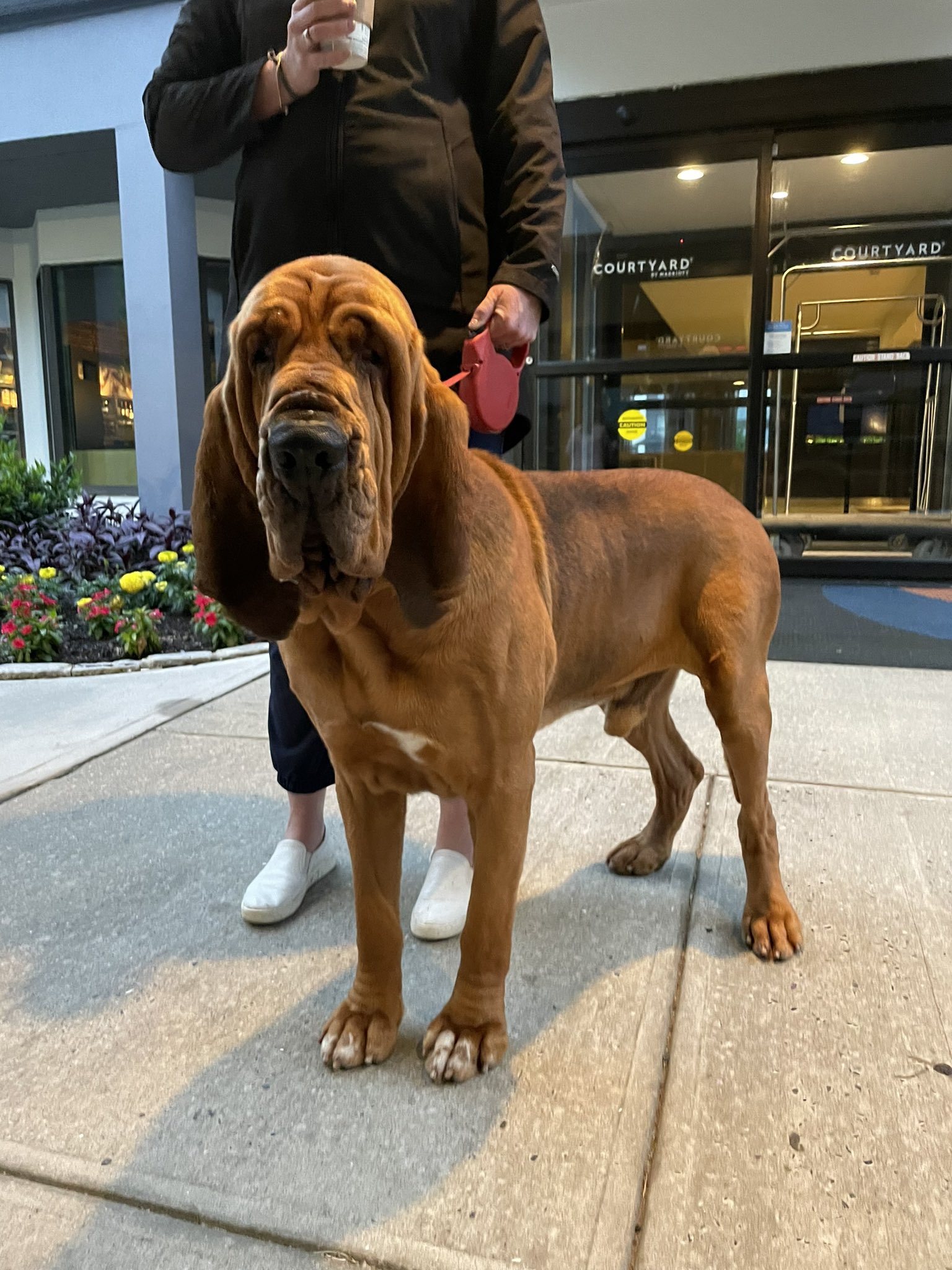
The dosa gae mastiff breed, officially known as the Korean Mastiff, is characterized by its exceptionally wrinkled skin, massive bone structure, and heavy, loose jowls. Originating in South Korea through selective breeding of native dogs with imported Western mastiffs, this colossal Molosser-type dog—referring to a category of solid, heavy-boned built dogs with short muzzles—was initially developed for property protection and traditional fighting sports. Despite that formidable heritage, modern specimens are celebrated for a surprisingly gentle, dignified demeanor toward family members. Standing tall with deep chests and broad skulls, these gentle giants command attention wherever they roam. For more related activities, check out our Malamute Dog Belgian.
Physical Impositions and Health Vulnerabilities Demand Vigilant Veterinary Oversight
Managing a canine of this scale requires an acute awareness of joint vulnerabilities, cardiac strain, and digestive disorders like gastric torsion. In clinical practice, large heavy-bodied canines frequently present with orthopedic challenges such as hip and elbow dysplasia, making early nutritional management and weight control essential components of lifelong health. Furthermore, the characteristic facial wrinkles demand regular hygienic cleaning to prevent moisture-trapping bacterial dermatitis in the folds. Because individual health parameters vary significantly based on growth rates and genetics, owners must confirm any preventative schedules directly with a qualified veterinarian.
Large and giant dog breeds face a significantly higher lifetime prevalence of musculoskeletal conditions like canine hip dysplasia due to rapid early bone growth and heavy biomechanical loading — American Veterinary Medical Association
Implementing Structured Socialization and Positive Reinforcement for Balanced Behavior
Guiding the temperament of a powerful guardian requires early, consistent exposure to novel environments, sounds, and unfamiliar visitors. Because protective instincts emerge naturally during maturity, forcing compliance through punitive methods creates severe reactivity risks in massive breeds. Instead, positive reinforcement training combined with clear, calm leadership establishes mutual trust and reliable household obedience. Regular mental stimulation prevents boredom-induced destructive behaviors, keeping these intelligent dogs emotionally stable and confident.
Essential Care Practices and Common Pitfalls to Avoid With Giant Guard Dogs
Preventing dangerous health crises involves avoiding vigorous exercise immediately before and after meals to minimize the risk of life-threatening bloat. Additionally, caretakers must never ignore early signs of joint stiffness or lethargy, as giant breeds often mask pain until conditions become advanced. Providing elevated feeding stations, orthopedic resting mats, and moderate daily conditioning helps preserve structural longevity. Establishing these protective routines safeguards the animal from preventable physical stress.
Canine bloat, or gastric dilatation-volvulus, represents a surgical emergency most frequently observed in deep-chested giant dog breeds following rapid ingestion of food or water — American Society for the Prevention of Cruelty to Animals
Pet Care & Wellness Overview Table
| Life Stage | Daily Activity Level | Key Nutrition / Care Focus |
|---|---|---|
| Puppy / Kitten | High (frequent short bursts) | High-protein growth diet & early socialization |
| Adult Companion | Moderate (30–60 mins daily) | Balanced maintenance nutrition & dental hygiene |
| Senior Pets | Low to Gentle (mindful walks) | Joint support (Glucosamine) & routine vet checks |
Images References

Lifespan, Exercise Requirements, and Temperament Considerations for Prospective Owners
Prospective owners must evaluate whether their living space, daily schedule, and physical strength match the demands of maintaining a giant companion. While these dogs exhibit a surprisingly low-energy profile indoors—often content to lounge for hours—they still require moderate, low-impact walks to maintain cardiovascular health. Due to their immense size and sensitivity to heat, strenuous workouts must be strictly avoided during warm weather months. Understanding these biological constraints ensures a harmonious coexistence between human and hound.
Knowing When to Consult a Veterinary Professional or Certified Behaviorist
Professional guidance becomes necessary whenever sudden behavioral shifts, persistent fear responses, or unexplained physical discomfort arise in a giant-breed dog. General education serves as a foundation, but it can never replace individual veterinary diagnosis or specialized behavioral intervention tailored to specific household dynamics. Consulting a certified animal behaviorist ensures that complex territorial traits are managed safely without compromising human-animal bonds.
Cultivating a Safe and Enriching Environment Through Informed Caregiving
Embracing the responsibilities of guardian ownership transforms a challenging undertaking into a deeply rewarding partnership built on mutual respect. Exploring comprehensive resources available on PetsAnimalsWorld.com empowers caretakers to make educated choices regarding Dog Health and daily Dog Care. Delving further into Dog Training fundamentals ensures every household maintains a secure, balanced environment for pets and people alike.




