

Introduction
The nutritional landscape for beloved canine companions often sparks considerable discussion among pet owners. While many high-quality dry dog foods aim to provide a complete and balanced diet, there are instances where a “dry dog food supplement” can play a crucial role in enhancing a dogs well-being. A dry dog food supplement refers to any additional nutritional product, often in powder, liquid, or chewable form, designed to complement a dog’s regular dry kibble diet. These supplements are not intended to replace a balanced diet but rather to address specific dietary gaps, support particular bodily functions, or alleviate health concerns that a standard commercial food might not fully cover. Understanding when and why these supplements might be beneficial, and how to use them responsibly, is essential for promoting optimal canine health and quality of life.
💡 Pet Care Key Takeaways:
- Core Focus: Practical health, nutrition, and wellness guidelines for Dry Dog Food Supplement.
- Target Scope: Pet owners, animal caregivers, and veterinary support staff.
- Best Recommendation: Maintain consistent daily routines and consult an accredited veterinarian before introducing major diet or medical changes.
Common Causes and Key Factors
Several factors contribute to a dog owner’s consideration of dry dog food supplements. One primary reason stems from the varying nutritional requirements across a dog’s life stages. Puppies often benefit from supplements supporting rapid growth and bone development, while senior dogs might require joint support, cognitive boosters, or nutrients to maintain muscle mass. For more related activities, check out our Natural Balance Puppy Food Quantity Chart.
Specific health conditions frequently necessitate targeted supplementation. For instance, dogs prone to allergies or skin irritations often benefit from omega fatty acids, which can improve coat quality and reduce inflammation. Similarly, canines experiencing digestive sensitivities may thrive with probiotics or digestive enzymes that aid nutrient absorption and maintain a healthy gut microbiome. Breeds genetically predisposed to certain conditions, such as hip dysplasia, might receive early intervention through joint-supporting supplements like glucosamine and chondroitin.
The quality and composition of the base dry food itself can also be a factor. While many dry foods are formulated to meet AAFCO standards, individual dogs may have unique needs that transcend these general guidelines. Environmental stressors, high activity levels in working or athletic dogs, or recovery from illness can also deplete nutrient reserves, making supplementation a valuable tool for comprehensive care.
Signs and Symptoms to Observe
Observing a dogs physical condition and behavior provides valuable clues that might indicate a need for supplemental support or a review of its current diet. Changes in coat quality are often noticeable; a dull, dry, flaky coat, or excessive shedding beyond seasonal norms, can suggest a deficiency in essential fatty acids. Similarly, persistent skin irritations, hot spots, or slow-healing wounds might point to underlying nutritional imbalances.
Digestive issues such as chronic loose stools, constipation, excessive gas, or frequent vomiting after meals can be indicators of poor nutrient absorption or an imbalanced gut flora, suggesting potential benefits from probiotics or digestive enzymes. A noticeable decrease in energy levels, increased lethargy, or a general lack of vitality could signal a broader nutritional deficiency or underlying health concern.
Mobility issues, including stiffness, difficulty getting up or down, reluctance to jump, or a noticeable limp, particularly in older dogs or larger breeds, often signal the need for joint support. Cognitive decline, manifesting as disorientation, altered sleep patterns, or changes in interaction, can also be a sign in senior dogs that may benefit from brain-supporting nutrients. Recognizing these signs early allows for timely intervention and improved quality of life.
Practical Solutions and Management Strategies
The judicious use of dry dog food supplements requires a structured approach, beginning with a thorough understanding of a dog’s specific needs. The initial and most crucial step involves consulting with a veterinarian. A professional can assess the dogs overall health, existing diet, and potential deficiencies, advising on the most appropriate type and dosage of supplement. This prevents unnecessary supplementation or potential interactions with existing medications.
Once a need is identified, selecting a high-quality supplement is paramount. Owners should seek reputable brands that demonstrate transparent ingredient sourcing, provide clear dosage instructions, and ideally have third-party testing for purity and potency. Common categories of supplements include omega fatty acids for skin and coat health, probiotics for digestive support, glucosamine and chondroitin for joint health, and multivitamins to address general nutritional gaps.
Proper administration involves adhering strictly to the recommended dosages. Over-supplementation can be as detrimental as a deficiency. Many supplements are designed to be mixed directly into dry kibble, either as a powder, liquid, or chewable tablet. Consistency in administration is key to observing potential benefits. Regular monitoring of the dogs responseobserving changes in symptoms, energy levels, or coat conditionallows for adjustments to the supplementation plan under veterinary guidance. Ensuring proper storage of supplements, typically in a cool, dry place away from direct sunlight, helps maintain their efficacy.
When Professional Help May Be Needed
While supplements can be a valuable tool in canine care, it is imperative to recognize when professional veterinary intervention is necessary. Any decision to introduce a dry dog food supplement should ideally follow a consultation with a veterinarian. This ensures that the supplement addresses a genuine need and does not interact adversely with any pre-existing health conditions or medications a dog may be receiving.
Professional guidance becomes even more critical if a dog exhibits severe or persistent symptoms despite dietary adjustments or initial supplementation. For instance, chronic lameness, severe digestive distress, unexplained weight loss or gain, or significant behavioral changes warrant immediate veterinary examination. These symptoms could indicate underlying medical conditions that require diagnosis and treatment beyond what supplements alone can provide.
Veterinarians can also offer specialized advice for dogs with unique dietary requirements, such as those with kidney disease, diabetes, or severe allergies, helping to formulate a comprehensive nutritional plan that includes appropriate supplements. When there is uncertainty about product quality, correct dosage, or the efficacy of a particular supplement, seeking professional veterinary input provides clarity and ensures responsible pet care.
Conclusion
Dry dog food supplements represent a valuable component in the holistic approach to canine nutrition and health. They offer a targeted means to bridge dietary gaps, support specific bodily functions, and address health concerns that may not be fully met by a standard dry kibble diet alone. The judicious selection and administration of these supplements, guided by careful observation of a dogs needs, can contribute significantly to its overall well-being. However, the cornerstone of successful supplementation remains professional veterinary consultation. By working collaboratively with a veterinarian, owners can ensure that any dry dog food supplement is appropriately chosen, safely administered, and genuinely beneficial, thereby enhancing a dogs health, vitality, and quality of life for years to come.
Pet Care & Wellness Overview Table
| Life Stage | Daily Activity Level | Key Nutrition / Care Focus |
|---|---|---|
| Puppy / Kitten | High (frequent short bursts) | High-protein growth diet & early socialization |
| Adult Companion | Moderate (30–60 mins daily) | Balanced maintenance nutrition & dental hygiene |
| Senior Pets | Low to Gentle (mindful walks) | Joint support (Glucosamine) & routine vet checks |
Images References


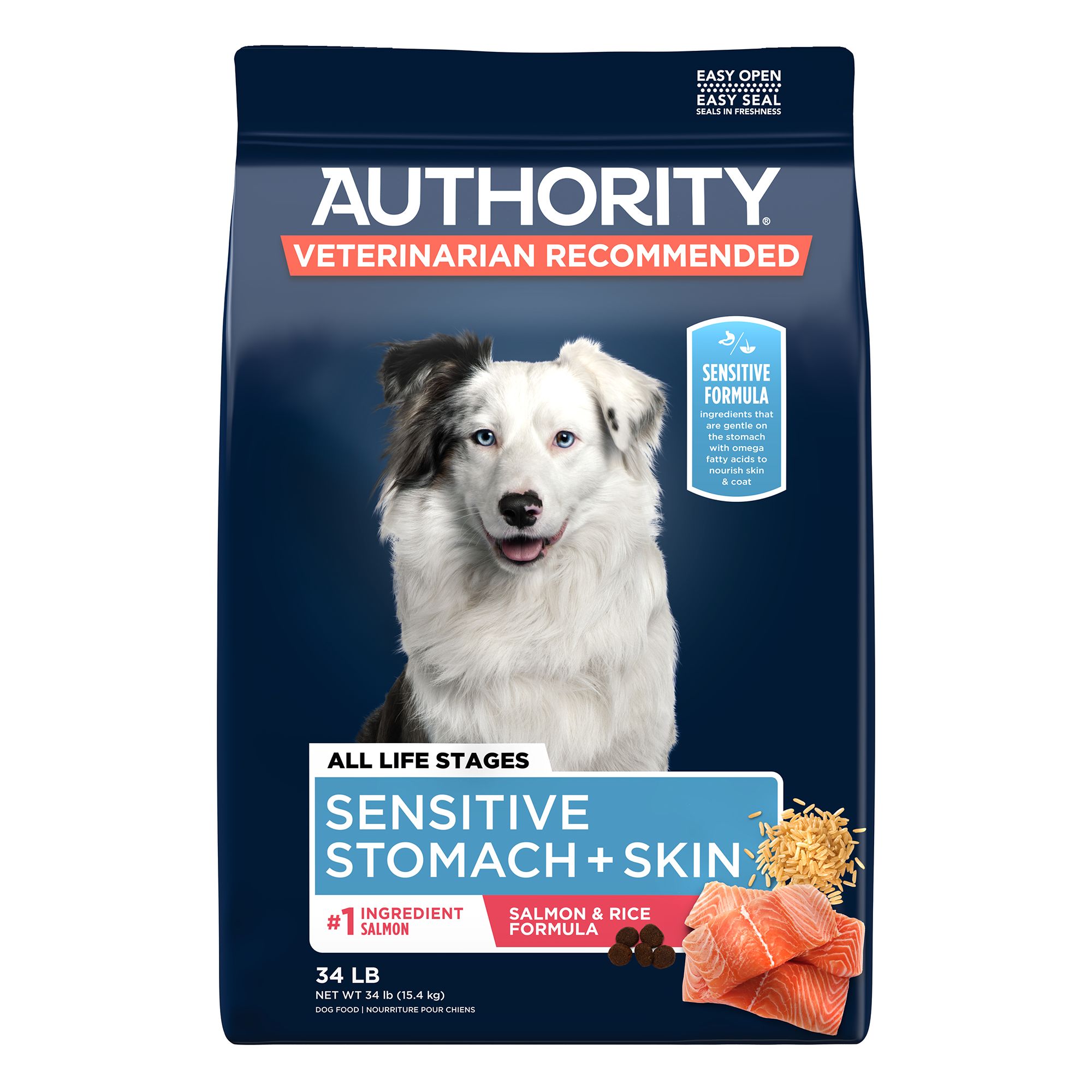


For more expert pet care tips and advice, check out our dedicated Dog Nutrition guides to keep your companions healthy and happy.




