

Introduction
As canine companions gracefully transition into their senior years, their nutritional needs and physical capabilities often undergo significant changes. Understanding the role of elderly dog supplements becomes paramount for owners dedicated to supporting their beloved pets through this life stage. These specialized nutritional additions are designed to address the common health challenges associated with aging, aiming to enhance vitality, comfort, and overall quality of life. The increasing longevity of dogs means more pets are living well into their golden years, making proactive care, including targeted supplementation, a key focus for responsible pet guardianship. Incorporating appropriate supplements can play a vital role in mitigating the effects of aging, thereby helping maintain a dog’s well-being and preserving their cherished companionship for as long as possible.
💡 Pet Care Key Takeaways:
- Core Focus: Practical health, nutrition, and wellness guidelines for Elderly Dog Supplements.
- Target Scope: Pet owners, animal caregivers, and veterinary support staff.
- Best Recommendation: Maintain consistent daily routines and consult an accredited veterinarian before introducing major diet or medical changes.
Common Causes and Key Factors
The necessity for elderly dog supplements stems from a range of natural physiological changes that occur as dogs age. One primary factor is the gradual degeneration of cartilage in joints, leading to conditions such as osteoarthritis. This wear and tear reduces mobility and causes discomfort, making joint support supplements highly beneficial. Another significant area of concern is cognitive decline, often referred to as canine cognitive dysfunction (CCD). This condition involves changes in the brain that can affect memory, learning, and awareness. For more related activities, check out our “Fortiflora” And “Gut Health”.
Furthermore, nutrient absorption can become less efficient in older dogs, meaning even a well-balanced diet might not provide all the necessary vitamins, minerals, and essential fatty acids. The immune system typically weakens with age, increasing susceptibility to infections and slower recovery times. Digestive function can also slow down, leading to issues such as constipation or poor nutrient assimilation. Finally, the skin and coat may lose their luster and elasticity, indicative of underlying nutritional deficiencies or systemic changes. These age-related transformations underscore the importance of targeted nutritional support to counteract the natural progression of aging.
Signs and Symptoms to Observe
Recognizing the signs that an elderly dog might benefit from supplements involves observant attention to behavioral and physical changes. Indicators of joint discomfort include stiffness, limping, difficulty getting up after rest, reluctance to jump or climb stairs, or a general decrease in activity levels. A dog may also show pain responses when touched in certain areas.
Cognitive decline can manifest through disorientation in familiar environments, altered sleep-wake cycles, reduced interaction with family members, house-soiling accidents, or increased anxiety. Changes in coat quality, such as dryness, dullness, excessive shedding, or skin flakes, can suggest deficiencies in essential fatty acids or other nutrients. Digestive issues may present as changes in stool consistency, appetite fluctuations, or unexplained weight loss despite adequate food intake. More subtle signs, such as a general lack of energy, reduced enthusiasm for walks, or frequent low-grade infections, could point to a weakened immune system or overall nutritional imbalance. Observing these varied signs can help owners understand their dog’s evolving needs and explore appropriate interventions.
Practical Solutions and Management Strategies
Implementing elderly dog supplements requires a structured approach, often focusing on specific areas of health. For joint support, supplements containing ingredients like glucosamine, chondroitin, and methylsulfonylmethane (MSM) are widely used. These compounds help maintain cartilage integrity and reduce inflammation, contributing to improved mobility and comfort. Omega-3 fatty acids, particularly EPA and DHA derived from fish oil, are also beneficial for their anti-inflammatory properties and overall joint health.
To support cognitive function, antioxidants such as vitamins E and C, alongside B vitamins, L-carnitine, and S-adenosylmethionine (SAM-e), can help protect brain cells and improve neurotransmitter function. Omega-3 fatty acids are also crucial for brain health. Digestive health can be improved with probiotics and prebiotics, which promote a balanced gut microbiome, aiding nutrient absorption and bowel regularity. For skin and coat health, omega-3 fatty acids, biotin, and zinc are often included in formulations designed to restore luster and reduce dryness. Immune system support can come from a blend of vitamins, minerals, and specific botanical extracts.
When introducing supplements, it is generally advisable to start with a lower dose and gradually increase to the recommended amount, monitoring the dog’s response. Consistency is key for optimal results. These supplements complement a balanced, age-appropriate diet, rather than replacing it, working synergistically to address the unique needs of an aging canine.
When Professional Help May Be Needed
While elderly dog supplements offer significant benefits, they are not a substitute for comprehensive veterinary care. It is crucial for dog owners to consult with a veterinarian before initiating any new supplement regimen. A veterinarian can accurately diagnose underlying health conditions that might be mistaken for age-related changes and can recommend the most appropriate supplements based on a dog’s specific health profile, existing medications, and potential interactions.
Professional help is especially needed if a dog’s symptoms worsen despite supplementation, if new concerning symptoms appear, or if there is no improvement after a reasonable trial period. Conditions such as severe lameness, profound cognitive decline, sudden weight loss, or persistent digestive issues warrant immediate veterinary attention, as these could indicate serious medical conditions requiring prescription medication, advanced diagnostics, or other specific treatments. A veterinarian can provide tailored advice, ensuring the safety and efficacy of any health management plan.
Conclusion
Embracing the senior years with a beloved canine companion involves a commitment to understanding and meeting their evolving needs. Elderly dog supplements represent a valuable component of a holistic approach to senior pet care, offering targeted support for common age-related challenges such as joint discomfort, cognitive decline, and weakened immunity. By carefully observing a dog’s behavior and physical condition, owners can make informed decisions regarding their pet’s health. The judicious introduction of appropriate supplements, always in consultation with a veterinarian, can significantly enhance a senior dog’s comfort, mobility, and overall quality of life. Proactive and attentive care ensures that these cherished family members can enjoy their golden years with dignity and vitality, maintaining their joyful presence in their households.
Pet Care & Wellness Overview Table
| Life Stage | Daily Activity Level | Key Nutrition / Care Focus |
|---|---|---|
| Puppy / Kitten | High (frequent short bursts) | High-protein growth diet & early socialization |
| Adult Companion | Moderate (30–60 mins daily) | Balanced maintenance nutrition & dental hygiene |
| Senior Pets | Low to Gentle (mindful walks) | Joint support (Glucosamine) & routine vet checks |
Images References
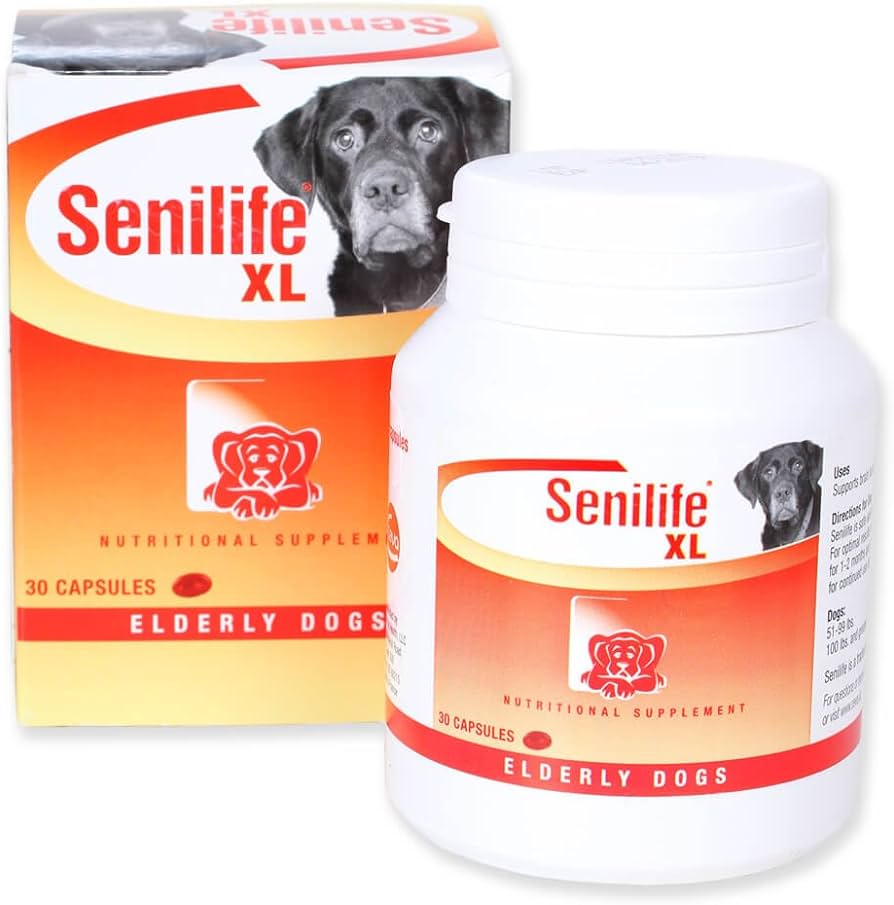


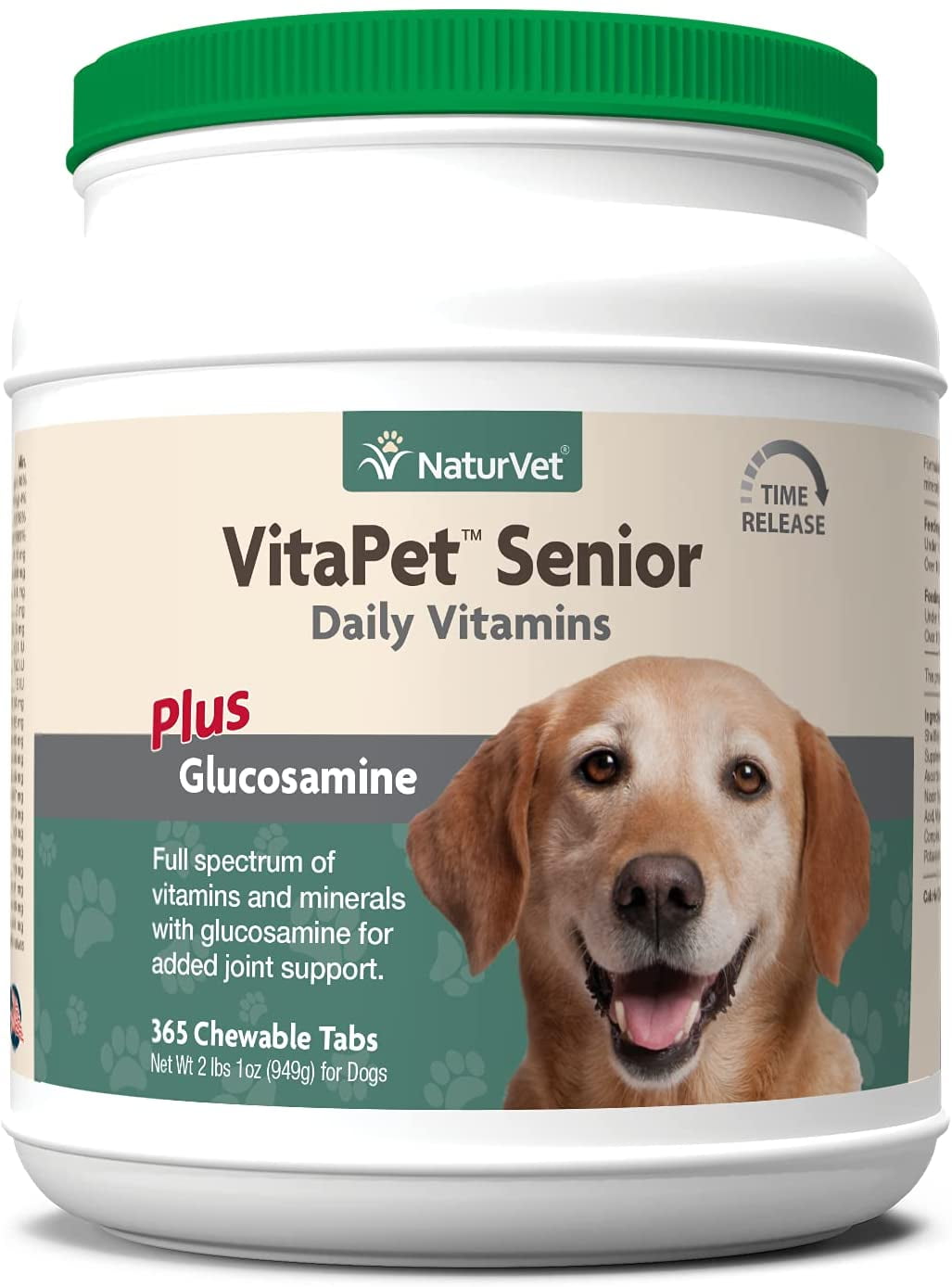


For more expert pet care tips and advice, check out our dedicated Dog Nutrition guides to keep your companions healthy and happy.




