

Introduction
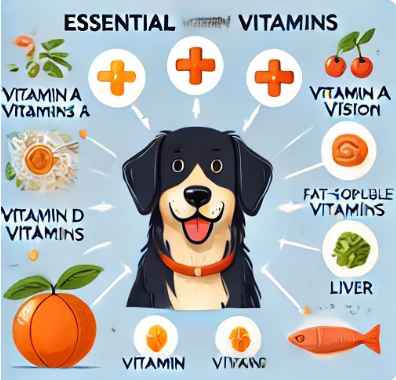
Understanding the role of essential vitamins for dogs is fundamental to ensuring their optimal health and well-being. These vital organic compounds are necessary for countless bodily functions, ranging from metabolism and growth to immune system support and proper vision. Unlike macronutrients such as fats, proteins, and carbohydrates, vitamins are only needed in small amounts; however, their absence or insufficiency can lead to significant health issues. Many dog owners encounter questions about their pet’s nutritional intake, particularly when considering homemade diets or observing subtle changes in their dog’s vitality. A comprehensive grasp of how essential vitamins contribute to canine health can empower individuals to make informed dietary choices, potentially enhancing a dogs overall quality of life and contributing positively to their behavior and general care.
💡 Pet Care Key Takeaways:
- Core Focus: Practical health, nutrition, and wellness guidelines for Essential Vitamins For Dogs.
- Target Scope: Pet owners, animal caregivers, and veterinary support staff.
- Best Recommendation: Maintain consistent daily routines and consult an accredited veterinarian before introducing major diet or medical changes.
Common Causes and Key Factors
Several factors can influence a dog’s vitamin status, potentially leading to deficiencies or, less commonly, excesses. The most prevalent cause of vitamin imbalance is an inappropriate diet. Many commercial dog foods are formulated to be nutritionally complete and balanced, adhering to standards set by organizations like the Association of American Feed Control Officials (AAFCO). However, low-quality foods, diets consisting predominantly of treats, or unbalanced homemade meals can fail to provide adequate levels of essential vitamins. For more related activities, check out our Ol Roy Ingredients List.
Underlying health conditions also play a significant role. Gastrointestinal diseases can impair a dogs ability to absorb vitamins from their food, even if the diet is otherwise sound. Certain medications may interfere with vitamin absorption or metabolism. Additionally, life stages and physiological demands influence vitamin requirements; growing puppies, pregnant or lactating females, and senior dogs often have increased needs for specific vitamins. Chronic stress or illness can also deplete the bodys vitamin reserves, necessitating careful dietary management. Conversely, indiscriminate supplementation with fat-soluble vitamins (A, D, E, K) can lead to toxicity, as these compounds are stored in the body rather than readily excreted.
Signs and Symptoms to Observe
Observing a dogs physical condition and behavior can provide crucial clues regarding their vitamin status. Symptoms of vitamin deficiencies or excesses are varied and depend largely on the specific vitamin involved, as well as the dog’s age, breed, and overall health.
General signs of a nutritional imbalance might include a dull or brittle coat, dry skin, lethargy, unexplained weight loss or gain, and changes in appetite. More specific indicators can point to particular vitamin issues. For instance, deficiencies in B vitamins might manifest as poor appetite, digestive upset, neurological issues such as tremors or weakness, and poor growth in puppies. Vitamin A deficiency can contribute to night blindness or skin problems, while excess vitamin A can lead to bone abnormalities and joint pain. Bone deformities, lameness, and muscle weakness could indicate an imbalance in Vitamin D. Poor wound healing, excessive bruising, or bleeding might suggest an issue with Vitamin K. Owners should pay close attention to persistent changes in their dogs health or behavior, as these could signal an underlying nutritional concern.
Practical Solutions and Management Strategies
Ensuring a dog receives the appropriate balance of essential vitamins primarily revolves around providing a high-quality, nutritionally complete diet. For most healthy dogs, this means feeding a premium commercial dog food specifically formulated for their life stage (e.g., puppy, adult, senior) and activity level. These diets are carefully balanced to meet all known nutritional requirements, including essential vitamins, and should bear an AAFCO statement of nutritional adequacy.
For dogs on homemade diets, or those with specific health concerns, a consultation with a veterinary nutritionist is crucial. Formulating a homemade diet that is nutritionally complete and balanced is complex and requires precise calculations to avoid both deficiencies and toxicities. Supplementation should only be considered under the guidance of a veterinarian. Indiscriminate use of supplements can be dangerous, particularly with fat-soluble vitamins which can accumulate to toxic levels.
Regular veterinary check-ups allow for professional assessment of a dog’s overall health and nutritional status. Proper storage of dog food and any supplements is also important; exposure to heat, light, and air can degrade vitamin potency over time. Adopting a proactive approach to diet and health monitoring significantly contributes to a dog’s long-term well-being.
When Professional Help May Be Needed
While many aspects of dog care can be managed at home, there are specific situations where professional veterinary input is indispensable when dealing with essential vitamins for dogs. Any time a dog exhibits persistent or severe symptoms suggestive of a vitamin deficiency or toxicity, immediate veterinary attention is warranted. These symptoms might include chronic digestive issues, unexplained lameness, severe lethargy, significant changes in coat quality, or neurological signs.
Professional guidance is also highly recommended before making significant dietary changes, especially when considering a homemade diet or introducing supplements. A veterinarian can assess a dogs individual needs based on their age, breed, activity level, and health history, ensuring any dietary modifications or additions are safe and beneficial. Dogs with chronic diseases affecting nutrient absorption, such as inflammatory bowel disease or pancreatic insufficiency, require tailored nutritional plans developed in consultation with a veterinary expert. Similarly, pregnant or lactating females, as well as rapidly growing puppies, have elevated nutritional demands that should be managed under professional supervision to prevent developmental issues.
Conclusion
Essential vitamins are indispensable for maintaining the health, vitality, and overall quality of life for dogs. They support a myriad of bodily functions, from bolstering the immune system to ensuring proper metabolism and growth. Understanding their importance and how to provide them through a balanced diet is a cornerstone of responsible pet ownership. While high-quality commercial dog foods generally meet these nutritional needs, careful observation of a dogs health and behavior remains vital. Owners are encouraged to consult with a veterinarian when considering dietary changes, implementing supplements, or if any signs of a vitamin imbalance are observed. Proactive nutritional management and professional guidance ensure that dogs receive precisely what they need to thrive, leading to a happier, healthier companionship.
Pet Care & Wellness Overview Table
| Life Stage | Daily Activity Level | Key Nutrition / Care Focus |
|---|---|---|
| Puppy / Kitten | High (frequent short bursts) | High-protein growth diet & early socialization |
| Adult Companion | Moderate (30–60 mins daily) | Balanced maintenance nutrition & dental hygiene |
| Senior Pets | Low to Gentle (mindful walks) | Joint support (Glucosamine) & routine vet checks |
Images References




For more expert pet care tips and advice, check out our dedicated Dog Nutrition guides to keep your companions healthy and happy.




