

Introduction
An exclusion diet for dogs represents a critical diagnostic tool utilized by veterinary professionals and dedicated pet owners to identify adverse food reactions, such as food allergies or sensitivities. This specialized dietary approach involves systematically removing potential allergenic ingredients from a dog’s diet and then carefully reintroducing them to pinpoint specific triggers. Understanding and implementing an exclusion diet is paramount when a dog exhibits persistent health issues that may be linked to what it consumes. Such issues commonly include chronic skin problems, recurrent ear infections, and various gastrointestinal disturbances like vomiting or diarrhea. By accurately identifying and eliminating problematic food components, an exclusion diet can significantly improve a dogs overall well-being, alleviate discomfort, and enhance its quality of life, transforming a perpetually uncomfortable pet into a much happier, healthier companion.
💡 Pet Care Key Takeaways:
- Core Focus: Practical health, nutrition, and wellness guidelines for Exclusion Diet For Dogs.
- Target Scope: Pet owners, animal caregivers, and veterinary support staff.
- Best Recommendation: Maintain consistent daily routines and consult an accredited veterinarian before introducing major diet or medical changes.
Common Causes and Key Factors
The primary impetus behind needing an exclusion diet stems from adverse food reactions (AFRs) in dogs. AFRs encompass both true food allergies, which involve an immune system response to a harmless food protein, and food sensitivities or intolerances, which do not involve the immune system but rather digestive upset or other non-allergic reactions. In both cases, the dog’s body reacts negatively to specific ingredients. For more related activities, check out our Pitbullnutrition.
The key factors involved are typically the protein sources within a dog’s diet. Contrary to popular belief, carbohydrates are less frequently the culprits. Common allergens often include proteins found in beef, chicken, dairy, wheat, soy, corn, and lamb. A dog can develop an adverse reaction to a food ingredient it has been consuming for years, rather than a novel one. This is because the immune system can become sensitized over time with repeated exposure. While any dog can develop an AFR, certain breeds may have a genetic predisposition, making them more susceptible to these dietary challenges. Environmental factors, such as gut microbiome imbalances, can sometimes exacerbate or contribute to the manifestation of these reactions, but the food ingredient itself remains the core trigger.
Signs and Symptoms to Observe
Recognizing the signs and symptoms indicative of an adverse food reaction is the first step toward considering an exclusion diet. The manifestations can vary widely but commonly fall into dermatological and gastrointestinal categories.
Dermatological signs include chronic itching (pruritus) that can affect the entire body, but is often concentrated around the ears, paws, armpits, and groin. This persistent itching can lead to secondary issues such as skin inflammation, redness, recurrent ear infections, paw licking or chewing, hot spots, and even hair loss due to excessive scratching or self-trauma. Some dogs may develop a greasy coat or an unusual odor.
Gastrointestinal symptoms frequently observed include chronic vomiting, diarrhea, consistently soft stools, excessive gas, and abdominal discomfort. In some cases, a dog might experience a decreased appetite or even weight loss if the digestive issues are severe and prolonged. Less common signs might include respiratory issues, though these are rare for food allergies, and behavioral changes resulting from chronic discomfort and irritation. The severity and specific presentation of these signs can vary depending on the dog’s age, breed, and the duration of exposure to the offending ingredient.
Practical Solutions and Management Strategies
Implementing an exclusion diet is a precise, multi-step process that requires strict adherence and patience. The ultimate goal is to remove all potential allergens and observe a resolution of symptoms, followed by careful reintroduction to pinpoint the exact trigger.
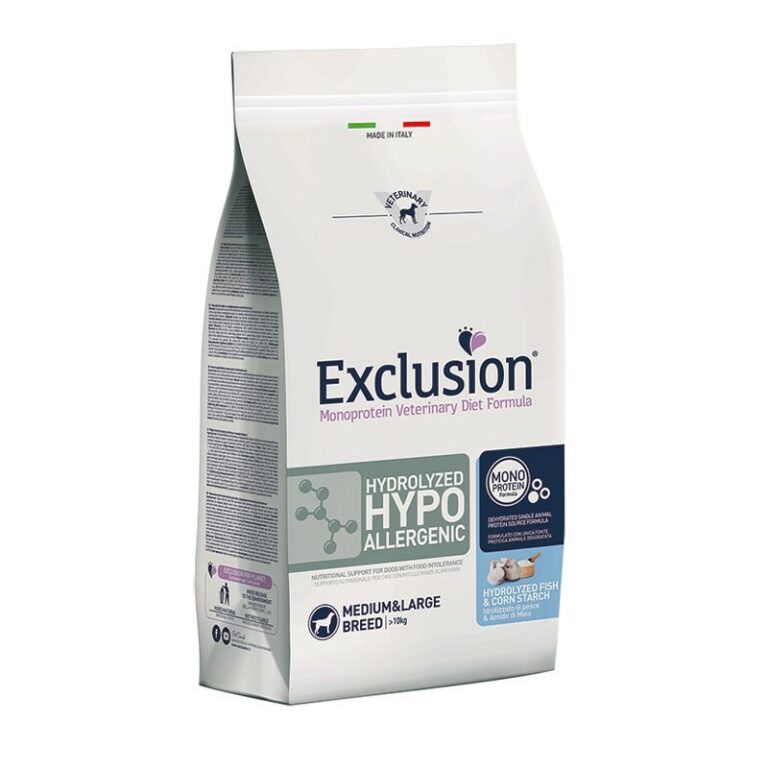
The initial and most crucial step involves a thorough consultation with a veterinarian. This ensures that other conditions with similar symptoms, such as parasitic infestations, environmental allergies, or bacterial infections, are ruled out before embarking on a diet trial. Once an exclusion diet is deemed appropriate, the veterinarian will guide the selection of a suitable diet. This typically involves either a novel protein diet, featuring a protein source the dog has never consumed before (e.g., venison, duck, rabbit, kangaroo), paired with a novel carbohydrate (e.g., sweet potato, peas, potato), or a hydrolyzed protein diet. Hydrolyzed proteins are broken down into such small molecules that the dog’s immune system cannot recognize them as allergens.
Strict adherence to the chosen diet is paramount for the entire trial period, which commonly lasts 8 to 12 weeks. During this time, the dog must consume absolutely nothing else. This means no treats, no table scraps, no flavored medications, no rawhides, and even no flavored toys or chews, as even trace amounts of allergens can sabotage the trial. Access to clean water is essential, but no other beverages should be offered.
Throughout the exclusion period, meticulous monitoring and record-keeping are vital. A detailed log of any symptoms, their severity, and their frequency should be maintained. If symptoms improve or resolve completely, it strongly suggests a food-related issue.
The next critical phase is the “challenge” or reintroduction phase. Once symptoms have resolved, old food ingredients are gradually reintroduced, one at a time, over a period of several days. If symptoms return after reintroducing a specific ingredient, that ingredient is identified as the allergen. This systematic reintroduction is key to confirming the diagnosis and identifying the specific culprits. Once the problematic ingredients are identified, a long-term maintenance diet can be formulated that is entirely free from these triggers, ensuring the dog’s continued health and comfort.
When Professional Help May Be Needed
While the concept of an exclusion diet seems straightforward, professional veterinary guidance is indispensable at every stage. A veterinarian’s expertise is crucial for accurately diagnosing the underlying issue, as many conditions can mimic food allergies. Ruling out other health problems is a vital first step, preventing unnecessary dietary restrictions or delayed treatment for another ailment.
Veterinary professionals can provide expert advice on selecting the most appropriate novel or hydrolyzed diet, considering the dog’s age, breed, existing health conditions, and previous dietary history. They can also ensure that the chosen diet is nutritionally complete and balanced for the dog’s specific life stage, preventing any deficiencies during the strict trial period.
Monitoring the dog’s progress during the exclusion phase and interpreting the results of the reintroduction phase can be complex. A veterinarian can help evaluate symptom resolution, guide the challenge process, and provide a clear plan for long-term dietary management. If symptoms do not improve, or if the dog’s health declines during the trial, immediate veterinary consultation is essential to reassess the situation and explore alternative diagnostic or treatment pathways. For complicated cases involving multiple severe symptoms or a dog with pre-existing conditions, a veterinary specialist, such as a board-certified veterinary dermatologist or internal medicine specialist, may be recommended for comprehensive evaluation and management.
Conclusion
An exclusion diet for dogs stands as an invaluable, gold-standard method for identifying and managing adverse food reactions that can significantly impact a dog’s health and happiness. This diagnostic journey, while demanding patience and rigorous attention to detail, offers a definitive pathway to understanding a dog’s dietary needs. Successful implementation requires strict adherence to a carefully selected diet and meticulous monitoring of symptoms. The collaborative effort between a pet owner and their veterinarian is fundamental to navigating this process effectively, ensuring the dog receives optimal nutritional support while identifying specific triggers. By embracing awareness, consistent observation, and professional veterinary partnership, owners can empower their dogs to live free from the discomfort of food sensitivities, leading to a profound improvement in their overall well-being and quality of life. Proactive health management and dedication to a dog’s dietary health are cornerstones of responsible pet ownership.
Pet Care & Wellness Overview Table
| Life Stage | Daily Activity Level | Key Nutrition / Care Focus |
|---|---|---|
| Puppy / Kitten | High (frequent short bursts) | High-protein growth diet & early socialization |
| Adult Companion | Moderate (30–60 mins daily) | Balanced maintenance nutrition & dental hygiene |
| Senior Pets | Low to Gentle (mindful walks) | Joint support (Glucosamine) & routine vet checks |
Images References





For more expert pet care tips and advice, check out our dedicated Dog Nutrition guides to keep your companions healthy and happy.




