
Introduction
Understanding the appropriate food for a constipated dog is a crucial aspect of canine care, directly impacting an animal’s comfort and digestive health. Constipation in dogs, characterized by infrequent, difficult, or painful passage of stool, is a common ailment that can cause significant distress. While various factors can contribute to this condition, dietary choices often play a pivotal role. Recognizing when a dog is experiencing digestive difficulty and knowing how to adjust its diet can prevent more serious health issues, ensuring smoother digestion and an improved quality of life. This guide explores the dietary considerations that can help manage and alleviate constipation, providing dog owners with the knowledge to make informed nutritional decisions.
💡 Pet Care Key Takeaways:
- Core Focus: Practical health, nutrition, and wellness guidelines for Food For Constipated Dog.
- Target Scope: Pet owners, animal caregivers, and veterinary support staff.
- Best Recommendation: Maintain consistent daily routines and consult an accredited veterinarian before introducing major diet or medical changes.
Common Causes and Key Factors
Several factors contribute to canine constipation, with dietary habits at the forefront. A primary culprit is insufficient fiber intake. A diet lacking in proper fiber content can lead to stools that are hard, dry, and difficult to pass. Conversely, an excessive amount of fiber introduced too quickly can also sometimes cause issues. Another significant factor is dehydration; dogs that do not consume enough water often produce hardened stools, regardless of their diet. For more related activities, check out our Sick Pug At Veterinarian.
Inappropriate food choices also contribute to the problem. Feeding a dog excessive amounts of bones, which are not always digestible, or certain human foods can lead to impaction or digestive blockages. Sudden changes in a dog’s diet without a gradual transition period can upset the digestive system, sometimes resulting in constipation or diarrhea. Furthermore, a diet high in fat can slow down intestinal motility, making stool passage more challenging. Older dogs or those with underlying health conditions may be more prone to constipation, and their dietary needs require particular attention.
Signs and Symptoms to Observe
Observing a dogs elimination habits provides vital clues about its digestive health. A dog experiencing constipation may exhibit several clear signs. The most apparent symptom is straining or crouching for an extended period without producing feces, or only passing very small, hard, dry stools. These stools might appear pebble-like or segmented.
Other indicators include a decrease in the frequency of bowel movements or a complete absence of defecation for more than two days. A constipated dog might also show signs of discomfort or pain during defecation, sometimes crying out. Beyond bowel movements, a dog’s general demeanor can change; lethargy, a loss of appetite, or even vomiting can occur in more severe cases. A distended or painful abdomen may also be noted upon gentle palpation. These signs can vary based on a dog’s age and breed, with puppies and senior dogs sometimes showing more pronounced or subtle symptoms, necessitating careful observation.
Practical Solutions and Management Strategies
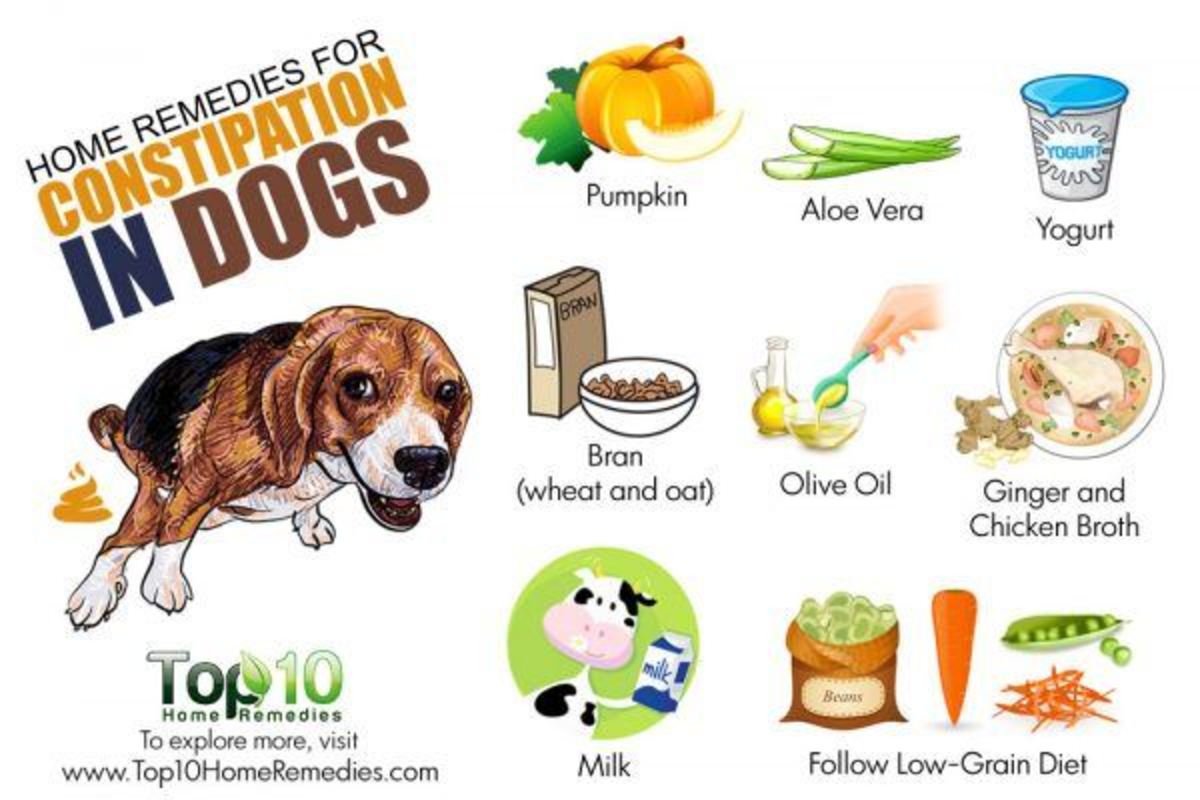
Managing constipation often begins with strategic adjustments to a dog’s diet. The focus for food for a constipated dog is typically on increasing fiber and ensuring adequate hydration. One of the most effective natural remedies is the addition of plain, canned pumpkin (not pie filling, which contains spices and sugar) to a dog’s regular food. Pumpkin is an excellent source of soluble fiber, which helps absorb water and soften stool. A teaspoon or two for small dogs, or a tablespoon or two for larger dogs, mixed into meals daily can be beneficial.
Other fiber-rich foods can also be introduced gradually, such as cooked sweet potato, green beans, or carrots. Psyllium husk, found in products like Metamucil (ensure it is plain and sugar-free), can also be added in small, measured amounts under veterinary guidance. Ensuring a dog has constant access to fresh, clean water is paramount. Adding water or broth (without onions or garlic) to dry kibble can significantly increase hydration and make food easier to digest.
Choosing a high-quality commercial dog food with a balanced fiber content is also important. Some premium dog foods are specifically formulated for digestive health and may contain prebiotics and probiotics, which support a healthy gut microbiome. Avoiding highly processed foods or an excessive amount of table scraps, especially fatty ones, helps maintain digestive regularity. Regular exercise also stimulates bowel movements, working in conjunction with dietary changes to promote healthy digestion.
When Professional Help May Be Needed
While dietary adjustments are often effective in managing mild cases of constipation, there are situations where professional veterinary intervention becomes necessary. If a dog’s constipation persists for more than 48 hours despite home remedies and dietary changes, or if the dog exhibits severe symptoms such as repeated vomiting, extreme lethargy, loss of appetite, or obvious signs of pain, immediate veterinary attention is warranted.
These symptoms could indicate a more serious underlying issue, such as an intestinal obstruction from ingesting a foreign object, a neurological problem, or an anatomical abnormality. Conditions like megacolon, prostate enlargement in male dogs, or certain medications can also contribute to chronic constipation. A veterinarian can accurately diagnose the cause through physical examination, X-rays, or other diagnostic tests and recommend appropriate treatments, which may include stool softeners, enemas, or in rare cases, surgical intervention. Seeking timely professional advice ensures the dog receives the most appropriate and effective care.
Conclusion
The thoughtful selection of food for a constipated dog plays a critical role in maintaining optimal digestive health and overall well-being. By understanding the causes, recognizing the symptoms, and implementing appropriate dietary and lifestyle modifications, dog owners can significantly alleviate and prevent episodes of constipation. Prioritizing a diet rich in appropriate fiber, coupled with consistent hydration, forms the cornerstone of effective management. Regular monitoring of a dogs elimination habits and general health is essential, allowing for early intervention. While many cases respond well to home care, awareness of when to seek professional veterinary assistance is crucial for ensuring a dog’s continued comfort and health. Proactive and informed care contributes immensely to a dogs quality of life.
Pet Care & Wellness Overview Table
| Life Stage | Daily Activity Level | Key Nutrition / Care Focus |
|---|---|---|
| Puppy / Kitten | High (frequent short bursts) | High-protein growth diet & early socialization |
| Adult Companion | Moderate (30–60 mins daily) | Balanced maintenance nutrition & dental hygiene |
| Senior Pets | Low to Gentle (mindful walks) | Joint support (Glucosamine) & routine vet checks |
Images References



For more expert pet care tips and advice, check out our dedicated Dog Health guides to keep your companions healthy and happy.


