

Introduction
Understanding dietary needs is paramount for canine companions facing specific health challenges. One significant concern that dog owners may encounter is renal failure, a progressive condition affecting the kidneys’ ability to filter waste products from the blood. When a dog receives a diagnosis of renal failure, adjustments to its diet become not merely beneficial but essential for managing the disease and enhancing the animal’s overall well-being. This specialized approach to nutrition, often referred to as “food for dogs with renal failure,” is a cornerstone of treatment. Recognizing the importance of this dietary intervention can empower owners to provide optimal care, potentially slowing the progression of the disease and significantly improving a dog’s quality of life. Such dietary modifications are typically introduced after a veterinary diagnosis, often in older dogs, though the condition can manifest at any age due to various underlying factors.
💡 Pet Care Key Takeaways:
- Core Focus: Practical health, nutrition, and wellness guidelines for Food For Dogs With Renal Failure.
- Target Scope: Pet owners, animal caregivers, and veterinary support staff.
- Best Recommendation: Maintain consistent daily routines and consult an accredited veterinarian before introducing major diet or medical changes.
Common Causes and Key Factors
Renal failure in dogs can stem from various causes, affecting the kidneys’ ability to perform their vital functions. Acute kidney injury, often triggered by toxins, infections, or trauma, can lead to sudden kidney dysfunction. More commonly, chronic renal failure develops gradually over time, influenced by factors such as advanced age, genetic predispositions in certain breeds, and underlying health conditions like dental disease, cancer, or heart disease. While the food itself does not cause renal failure, an inappropriate diet can significantly exacerbate the condition. Key nutritional factors become critical in managing the disease once diagnosed. These include careful regulation of phosphorus and protein levels, controlled sodium intake, and the inclusion of beneficial fatty acids. Understanding these elements is crucial for selecting or formulating appropriate “food for dogs with renal failure” to support kidney health. For more related activities, check out our Purina One Xxl 10Kg Feeding Guide 20Kg Dog.
Signs and Symptoms to Observe
Observing a dog’s behavior and physical condition is vital for early detection of potential health issues, including renal failure. Common signs that may indicate kidney dysfunction include increased thirst (polydipsia) and increased urination (polyuria), as the kidneys struggle to concentrate urine. Owners might also notice a decreased appetite, leading to weight loss and lethargy. Other indicators can include vomiting, diarrhea, and a noticeable change in breath odor, often described as a chemical or ammonia-like smell (uremic breath). A dull, poor-quality coat or sores in the mouth may also develop. The manifestation of these signs can vary depending on a dog’s age, breed, and the severity of the disease. Any combination of these symptoms warrants immediate veterinary attention, as early diagnosis and management, including the introduction of specific “food for dogs with renal failure,” can significantly impact the disease’s progression and a dog’s comfort.
Practical Solutions and Management Strategies
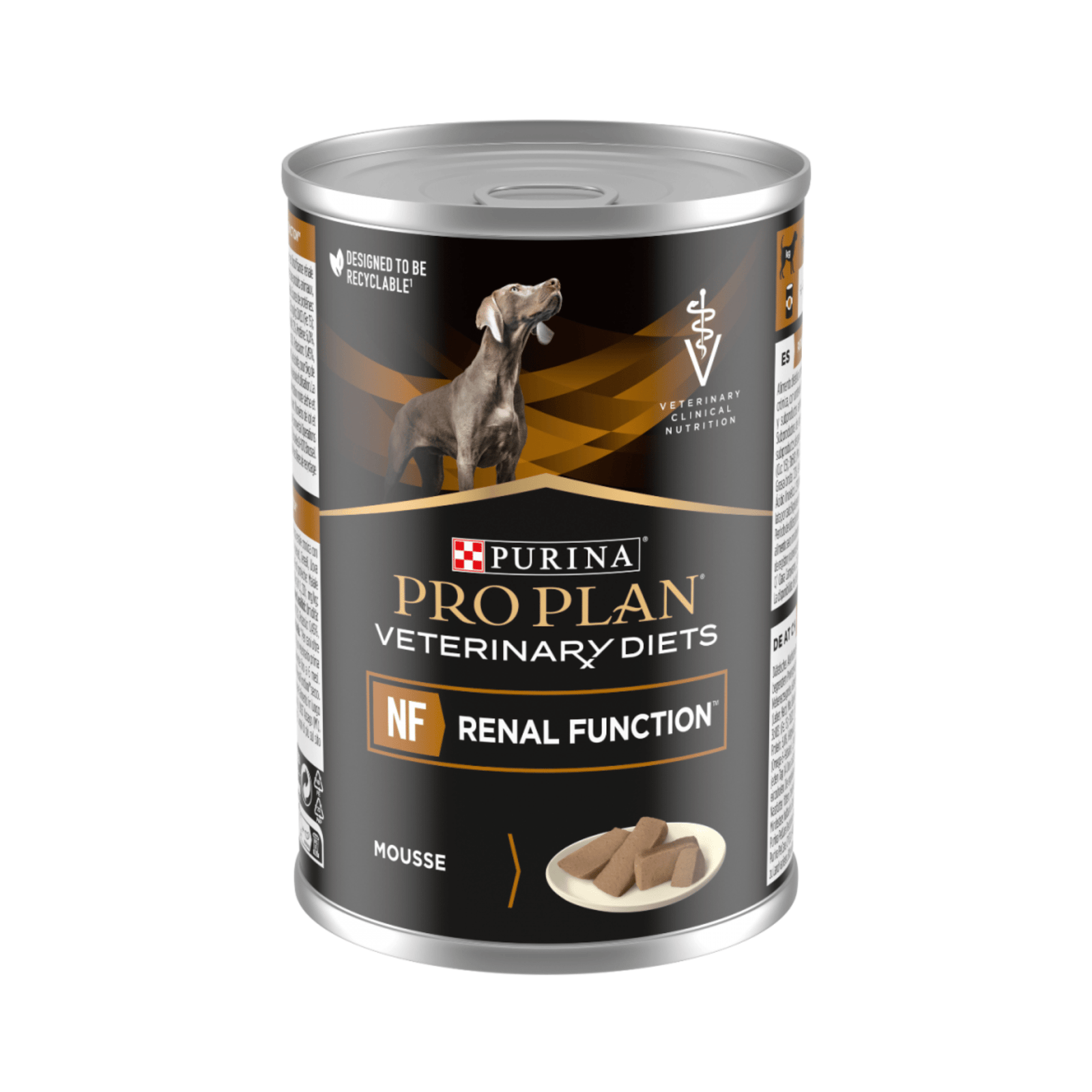
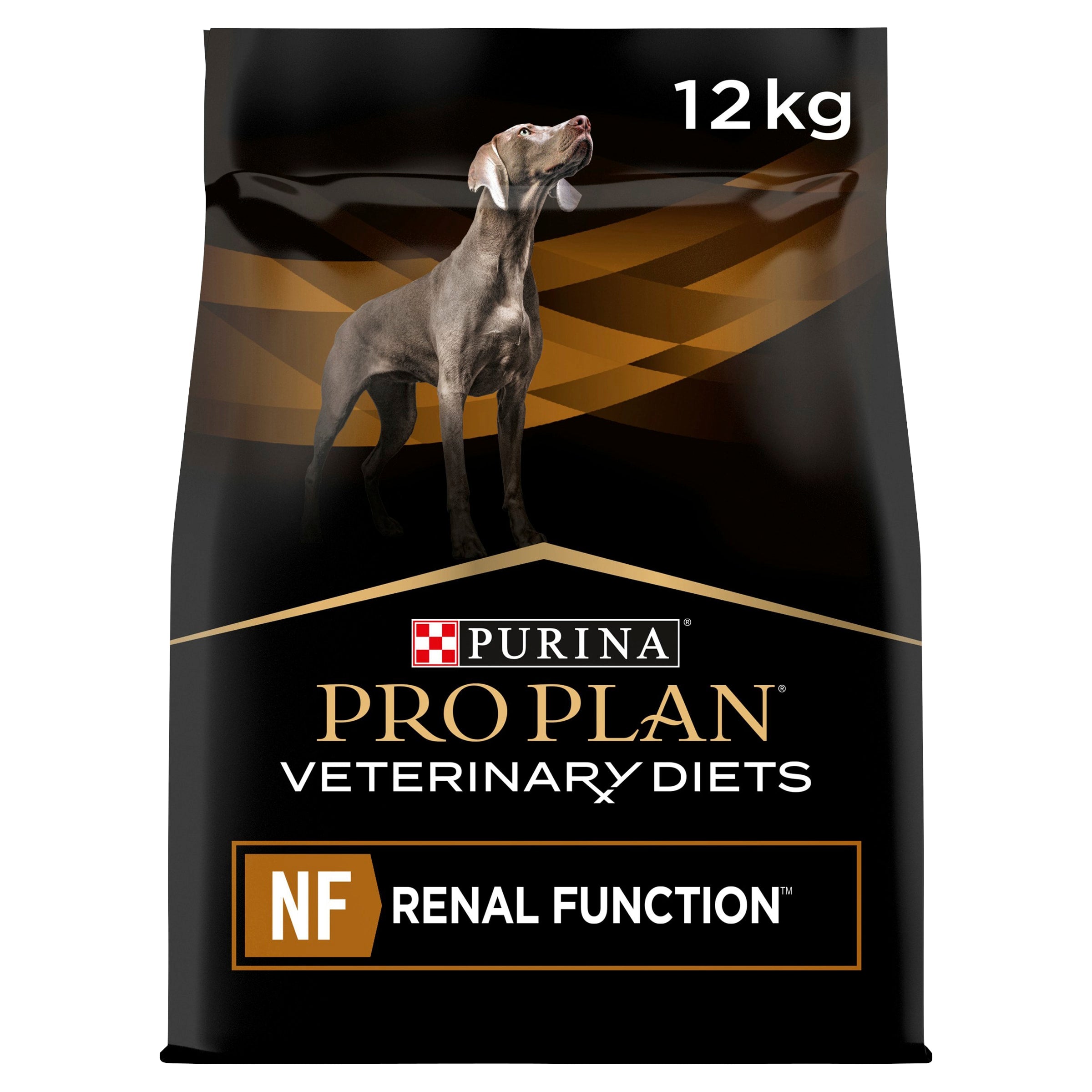
Managing renal failure primarily revolves around dietary adjustments, making the selection of “food for dogs with renal failure” a critical decision. Specialized renal diets are formulated to reduce the workload on the kidneys while providing complete and balanced nutrition. These diets typically feature:
- Reduced Phosphorus: Lowering phosphorus intake is crucial as diseased kidneys struggle to excrete it, leading to mineral imbalances.
- Controlled, High-Quality Protein: Protein levels are moderated to reduce the production of nitrogenous waste products, but the protein included is of high biological value to prevent muscle wasting.
- Lower Sodium: Restricted sodium helps manage blood pressure and fluid retention, both common issues in kidney disease.
- Increased Omega-3 Fatty Acids: These help reduce inflammation and may improve kidney blood flow.
- Added B Vitamins: Dogs with kidney disease often lose water-soluble B vitamins through increased urination.
- Increased Caloric Density: Some formulations are designed to be more calorie-dense to counteract decreased appetite and prevent weight loss.
Feeding strategies involve offering small, frequent meals to encourage intake and warming food to enhance its palatability. Ensuring constant access to fresh water is also vital for hydration. Transitioning to a new renal diet should be done gradually over several days to avoid digestive upset. Owners must also strictly avoid high-phosphorus treats, table scraps, and high-sodium human foods, as these can severely compromise kidney health. For dogs with very specific needs or owners considering homemade diets, consultation with a veterinary nutritionist is recommended to ensure nutritional adequacy and safety.
When Professional Help May Be Needed
The diagnosis and ongoing management of renal failure necessitate continuous veterinary oversight. The initial diagnosis of kidney disease relies on comprehensive blood and urine tests, which must be interpreted by a qualified veterinarian. Once renal failure is confirmed, prescription “food for dogs with renal failure” is typically recommended, and these specialized diets require a veterinarian’s authorization. Regular follow-up appointments, including blood work and urine tests, are crucial to monitor the disease’s progression and adjust the dietary plan as needed. A veterinary nutritionist can provide invaluable guidance for owners interested in preparing homemade renal diets, ensuring these are nutritionally complete and appropriate for the dog’s specific condition. Professional intervention is also essential for managing acute crises, such as severe dehydration, anorexia, or vomiting, which may require intravenous fluid therapy or other medical treatments. Collaboration with a veterinary team ensures the most effective and compassionate care for a dog with renal failure.
Conclusion
Navigating the challenges of canine renal failure requires informed decisions and a dedicated approach to care. The role of “food for dogs with renal failure” stands as a critical pillar in managing this progressive disease, offering a pathway to mitigate symptoms, slow disease advancement, and significantly enhance a dog’s comfort and longevity. Through a thoughtful selection of diet, careful monitoring of a dog’s health, and consistent partnership with veterinary professionals, owners can provide the best possible support for their beloved companions. Awareness of the specific dietary requirements, understanding the signs of the disease, and proactive management are not just beneficial but fundamental in ensuring a fulfilling life for dogs living with renal impairment.
Pet Care & Wellness Overview Table
| Life Stage | Daily Activity Level | Key Nutrition / Care Focus |
|---|---|---|
| Puppy / Kitten | High (frequent short bursts) | High-protein growth diet & early socialization |
| Adult Companion | Moderate (30–60 mins daily) | Balanced maintenance nutrition & dental hygiene |
| Senior Pets | Low to Gentle (mindful walks) | Joint support (Glucosamine) & routine vet checks |
Images References




For more expert pet care tips and advice, check out our dedicated Dog Nutrition guides to keep your companions healthy and happy.




