
Introduction
As canine companions transition into their golden years, a subtle yet significant shift often occurs in their nutritional requirements. The term “foods for senior dogs” encompasses specialized dietary formulations designed to cater to these evolving needs, a crucial aspect of maintaining a dog’s health and vitality during its later life stages. Typically, dogs are considered senior around 7-10 years of age, though this can vary by breed and size, with larger breeds often maturing faster. Understanding the importance of this dietary adjustment is paramount because proper nutrition plays a direct role in mitigating age-related health issues, supporting organ function, and enhancing overall comfort. Embracing a diet specifically tailored for a senior dog can profoundly impact its well-being, contribute to a more stable temperament, and ultimately improve its quality of life during what should be a comfortable and cherished period.
💡 Pet Care Key Takeaways:
- Core Focus: Practical health, nutrition, and wellness guidelines for Foods For Senior Dogs.
- Target Scope: Pet owners, animal caregivers, and veterinary support staff.
- Best Recommendation: Maintain consistent daily routines and consult an accredited veterinarian before introducing major diet or medical changes.
Common Causes and Key Factors
The necessity for specific foods for senior dogs stems from several physiological changes that accompany the aging process. As a dog ages, its metabolism tends to slow down, and activity levels often decrease, leading to a reduced caloric need. Simultaneously, the body’s ability to digest and absorb nutrients may become less efficient. For more related activities, check out our Natural Balance Puppy Food Quantity Chart.
Several key factors necessitate a change in diet:
- Metabolic Slowdown: Reduced energy expenditure means older dogs are more prone to weight gain if fed the same diet as their younger counterparts.
- Reduced Nutrient Absorption: The digestive system can become less effective, requiring foods with highly digestible ingredients and potentially higher concentrations of certain nutrients.
- Dental Health: Worn teeth, gum disease, or tooth loss can make chewing hard kibble painful or difficult, influencing food texture preferences.
- Joint Health: Osteoarthritis and other joint conditions become more prevalent, benefiting from ingredients that support cartilage and reduce inflammation.
- Organ Function Decline: Kidneys, heart, and liver may become less efficient, necessitating diets with carefully controlled levels of protein, phosphorus, and sodium.
- Immune System Weakening: An aging immune system benefits from antioxidants and specific vitamins to help combat cellular damage.
- Cognitive Changes: Some senior dogs experience cognitive dysfunction, which can be supported by specific fatty acids and antioxidants.
These interconnected biological changes underscore why a generic adult dog food may no longer be suitable for an aging canine.
Signs and Symptoms to Observe
Recognizing the signs that a dog might benefit from specialized foods for senior dogs involves careful observation of physical and behavioral changes. These indicators can vary depending on a dogs breed, size, and individual health status.
- Weight Fluctuations: Unexplained weight gain, often due to a slowed metabolism and continued high-calorie intake, or weight loss, potentially indicative of poor nutrient absorption, dental issues, or underlying health problems.
- Changes in Energy Levels: A noticeable decrease in activity, increased lethargy, or reluctance to engage in previously enjoyed walks or play sessions.
- Altered Coat Condition: A dull, dry, or brittle coat, excessive shedding, or skin flakiness, suggesting deficiencies in essential fatty acids or overall poor nutrition.
- Digestive Upsets: Increased incidence of constipation, diarrhea, vomiting, or excessive flatulence, pointing to a need for more digestible ingredients or increased fiber.
- Dental Discomfort: Dropping food, reluctance to eat hard kibble, excessive drooling, or pawing at the mouth, all signs of potential dental pain or disease.
- Mobility Issues: Stiffness after resting, difficulty standing up, struggling with stairs, or an altered gait, indicating joint pain that could benefit from specific dietary supplements.
- Decreased Appetite or Pickiness: A reduced interest in food, or suddenly becoming finicky, which could stem from dental pain, organ issues, or a general decline in sense of smell and taste.
- Increased Thirst or Urination: While not directly a food symptom, this can be an indicator of conditions like kidney disease or diabetes that require specific dietary management.
Observing these signs can prompt pet owners to consider a dietary adjustment tailored to the needs of an aging dog.
Practical Solutions and Management Strategies
Transitioning to specialized foods for senior dogs is a pivotal step in managing their health and comfort. These foods are specifically formulated to address the unique nutritional profile of aging canines.
Key strategies include:
-
Selecting a Senior-Specific Formula: Look for commercial dog foods labeled “senior” or “mature adult.” These diets typically feature:
- Reduced Calorie Content: To prevent obesity in less active dogs.
- High-Quality, Digestible Protein: To maintain muscle mass without overworking the kidneys.
- Moderate Fat Levels: Providing necessary energy and essential fatty acids for skin and coat health.
- Increased Fiber: To promote digestive health, aid in satiety, and manage weight.
- Joint Support Nutrients: Glucosamine and chondroitin for cartilage health; Omega-3 fatty acids (EPA and DHA) for anti-inflammatory effects and cognitive support.
- Antioxidants: Vitamins E and C, beta-carotene, and selenium to bolster the immune system and combat cellular damage.
- Adjusting Feeding Frequency and Portions: Splitting the daily food intake into smaller, more frequent meals can aid digestion and prevent stomach upset. Portions should be carefully measured according to the feeding guidelines on the chosen senior dog food, adjusting as needed to maintain an ideal body weight.
- Enhancing Palatability: If a senior dog exhibits a reduced appetite or dental issues, warming the food slightly, adding a small amount of low-sodium chicken or beef broth, or mixing in some quality wet food can make meals more appealing and easier to consume.
- Ensuring Adequate Hydration: Always provide access to fresh, clean water. Adding water to dry kibble can also increase water intake, which is especially important for kidney health.
- Monitoring Weight and Condition: Regularly weighing a senior dog and performing body condition scoring helps ensure the dietary changes are effective. Adjustments to food intake can be made based on these observations.
- Slow Transition: Any change in diet should be gradual, typically over 7-10 days, by mixing increasing amounts of the new food with decreasing amounts of the old food to prevent digestive upset.
Implementing these strategies can significantly improve a senior dog’s comfort and well-being.
When Professional Help May Be Needed
While adjusting foods for senior dogs is a proactive step in managing their health, there are specific instances when professional veterinary consultation becomes essential. Regular veterinary check-ups are always advisable for senior dogs, typically every six months, to monitor their overall health and detect age-related conditions early.
Veterinary guidance should be sought if:
- Significant or Unexplained Weight Changes: Persistent weight loss despite an adequate diet, or rapid weight gain, could indicate underlying medical conditions beyond simple caloric imbalance.
- Persistent Digestive Issues: Chronic vomiting, diarrhea, or constipation that does not resolve with a dietary change warrants investigation for gastrointestinal disease or organ dysfunction.
- Noticeable Pain or Mobility Issues: If a dog is visibly in pain, struggling with movement, or experiences sudden lameness, a veterinarian can diagnose conditions like advanced arthritis or neurological issues and recommend appropriate medical treatment alongside dietary support.
- Sudden Changes in Appetite or Thirst: A drastic decrease or increase in food intake, or excessive thirst and urination, can be symptoms of serious conditions such as kidney disease, diabetes, or hyperthyroidism.
- Difficulty Choosing a Diet for Complex Health Needs: For senior dogs with multiple existing health conditions (e.g., kidney disease, heart disease, diabetes), a veterinarian can recommend therapeutic diets specifically formulated to manage these complex needs safely and effectively.
- Behavioral Changes: Disorientation, increased anxiety, or changes in sleep-wake cycles could indicate cognitive dysfunction, which may benefit from specific dietary components and medical management.
A veterinarian can provide accurate diagnoses, tailored dietary recommendations, and a comprehensive care plan, ensuring the best possible outcome for an aging canine.
Conclusion
The thoughtful selection of foods for senior dogs represents a cornerstone of responsible pet ownership, directly influencing an aging dog’s health, happiness, and longevity. Recognizing that senior dogs possess distinct nutritional requirements, often diverging significantly from those of younger adults, is the first step towards providing optimal care. Proactive dietary management, combined with keen observation of physical and behavioral cues, empowers owners to adapt to their companion’s evolving needs. From ensuring adequate joint support and cognitive function to managing weight and promoting digestive health, the right nutrition can significantly alleviate common senior ailments. The journey through a dog’s senior years can be rich and rewarding when supported by appropriate care and a diet tailored to its specific life stage. Embracing this commitment to specialized feeding allows beloved canine friends to enjoy their later years with comfort, vitality, and continued companionship, truly enriching the bond shared.
Pet Care & Wellness Overview Table
| Life Stage | Daily Activity Level | Key Nutrition / Care Focus |
|---|---|---|
| Puppy / Kitten | High (frequent short bursts) | High-protein growth diet & early socialization |
| Adult Companion | Moderate (30–60 mins daily) | Balanced maintenance nutrition & dental hygiene |
| Senior Pets | Low to Gentle (mindful walks) | Joint support (Glucosamine) & routine vet checks |
Images References

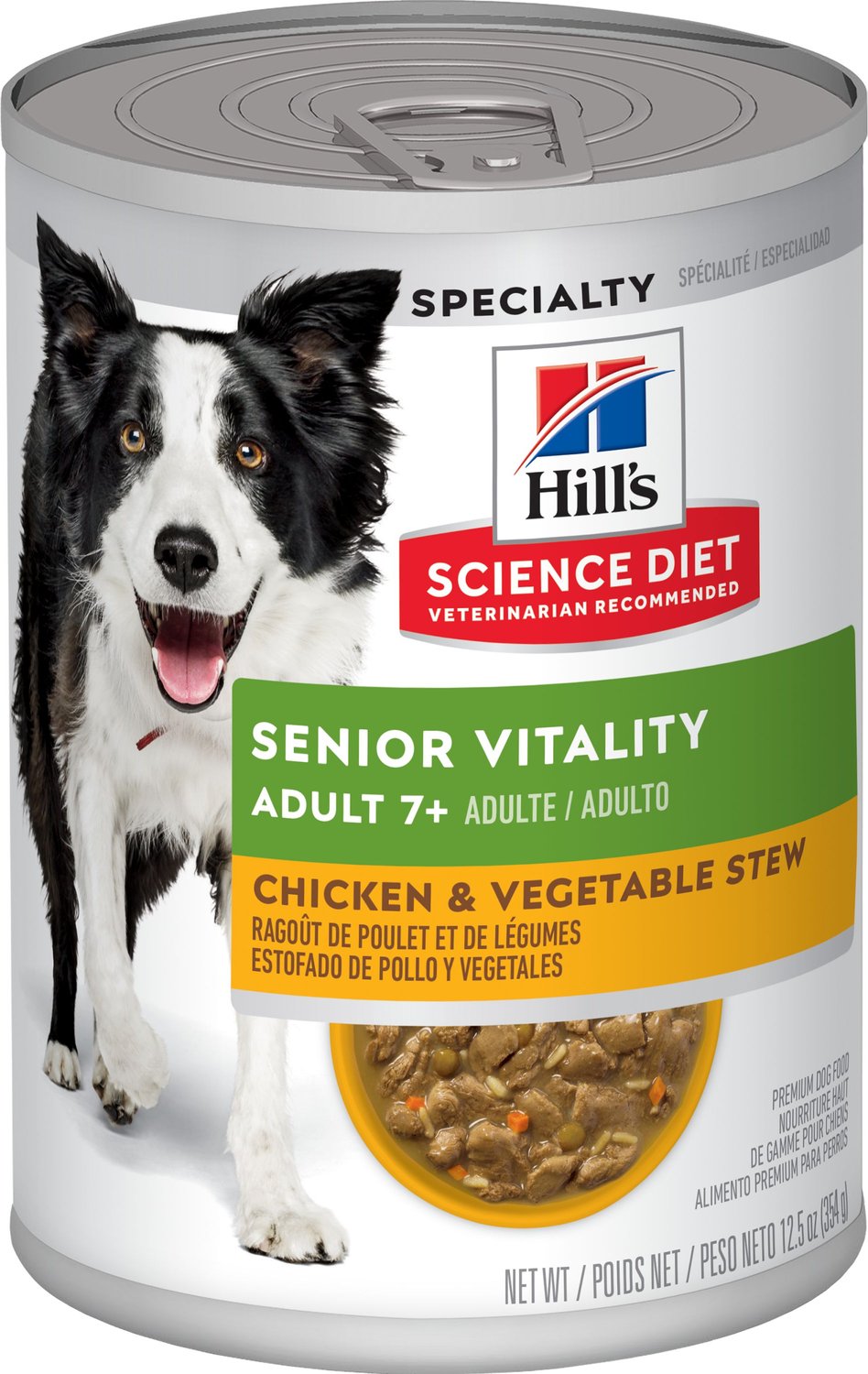




For more expert pet care tips and advice, check out our dedicated Dog Nutrition guides to keep your companions healthy and happy.




