

Introduction
Maintaining optimal digestive health is paramount for a dog’s overall well-being, influencing everything from energy levels to immune function. Among the many tools available to support canine gut health, Fortiflora for dogs has emerged as a widely recognized and frequently recommended probiotic supplement. This product is specifically formulated to help balance the intestinal flora, a crucial ecosystem of microorganisms within a dogs digestive tract. Understanding the role of beneficial bacteria in canine health is essential for any dog owner, as disruptions to this delicate balance can lead to various health issues. This article explores Fortiflora for dogs, detailing its purpose, the scenarios where it can be beneficial, and how it contributes to a dog’s vitality and quality of life.
💡 Pet Care Key Takeaways:
- Core Focus: Practical health, nutrition, and wellness guidelines for Fortiflora For Dogs.
- Target Scope: Pet owners, animal caregivers, and veterinary support staff.
- Best Recommendation: Maintain consistent daily routines and consult an accredited veterinarian before introducing major diet or medical changes.
Common Causes and Key Factors
The balance of a dog’s gut microbiome can be easily disrupted by a variety of factors, leading to digestive upset and other health concerns. Recognizing these common causes helps in understanding when a supplement like Fortiflora for dogs might be beneficial. For more related activities, check out our Pitbullnutrition.
Dietary Changes or Indiscretion: Sudden changes in a dog’s diet, transitioning to a new food, or consuming inappropriate items (dietary indiscretion) can introduce unfamiliar substances to the digestive system, leading to an imbalance in gut bacteria.
Stressful Situations: Dogs can experience stress due to various reasons, including travel, boarding, moving to a new home, introduction of new pets or people, or even loud noises. Stress impacts the gut-brain axis, potentially altering gut motility and bacterial composition.
Antibiotic Therapy: Antibiotics, while crucial for treating bacterial infections, do not discriminate between harmful and beneficial bacteria. Their use can deplete the population of good bacteria in the gut, making a dog susceptible to digestive upset.
Aging: As dogs age, their digestive efficiency can decline. Older dogs may have a less robust immune system and a less diverse gut microbiome, which can be supported by probiotic supplementation.
Underlying Gastrointestinal Conditions: Chronic issues such as inflammatory bowel disease (IBD) or exocrine pancreatic insufficiency (EPI) can severely impact digestive health. While not a cure, probiotics can often be part of a broader management strategy to support gut integrity.
Environmental Factors: Exposure to certain pathogens or parasites can disrupt the gut, as can consuming contaminated water or food. A healthy gut flora provides a stronger defense against such invaders.
Signs and Symptoms to Observe
Observing a dogs behavior and physical condition for specific signs can indicate whether its digestive health is compromised and if a probiotic like Fortiflora for dogs could be helpful. These indicators can vary in intensity and appearance depending on the dog’s age, breed, and overall health status.
Digestive Upset: The most common signs include diarrhea (acute or chronic), loose or inconsistent stools, constipation, excessive gas, and abdominal bloating. These symptoms directly point to an imbalance within the digestive tract.
Vomiting: While occasional vomiting can be normal, frequent or persistent vomiting, especially if accompanied by other digestive issues, may signal underlying gut problems.
Poor Coat and Skin Condition: A dull, dry coat, excessive shedding, or even skin irritations can sometimes be linked to nutrient malabsorption due to an unhealthy gut. The gut plays a significant role in nutrient assimilation, which impacts skin and coat health.
Reduced Appetite or Pickiness: Dogs experiencing digestive discomfort may show a decrease in appetite or become unusually selective about their food.
Lethargy and Low Energy: A dog’s energy levels are closely tied to its overall health. Digestive issues can lead to discomfort, pain, and poor nutrient absorption, resulting in lethargy, reduced activity, and a general lack of enthusiasm.
Unexplained Weight Changes: Both weight loss and, less commonly, weight gain can be indicative of metabolic or digestive disturbances that impact nutrient utilization.
Coprophagia (Stool Eating): While often behavioral, in some cases, coprophagia can be linked to nutrient deficiencies or malabsorption stemming from an unhealthy gut.
Practical Solutions and Management Strategies
Addressing digestive health involves a multifaceted approach, and incorporating Fortiflora for dogs can be a key component. Practical strategies often combine dietary adjustments, environmental management, and consistent care.
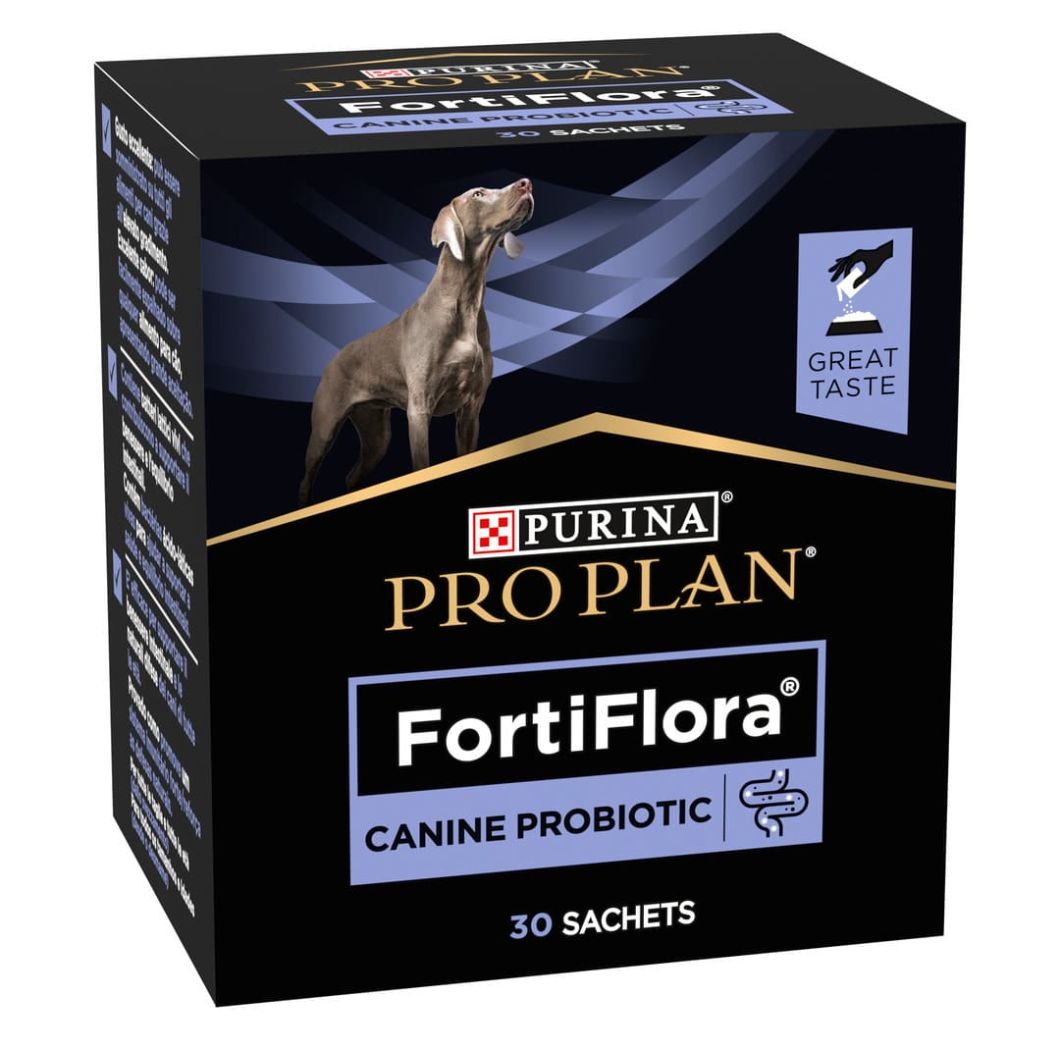
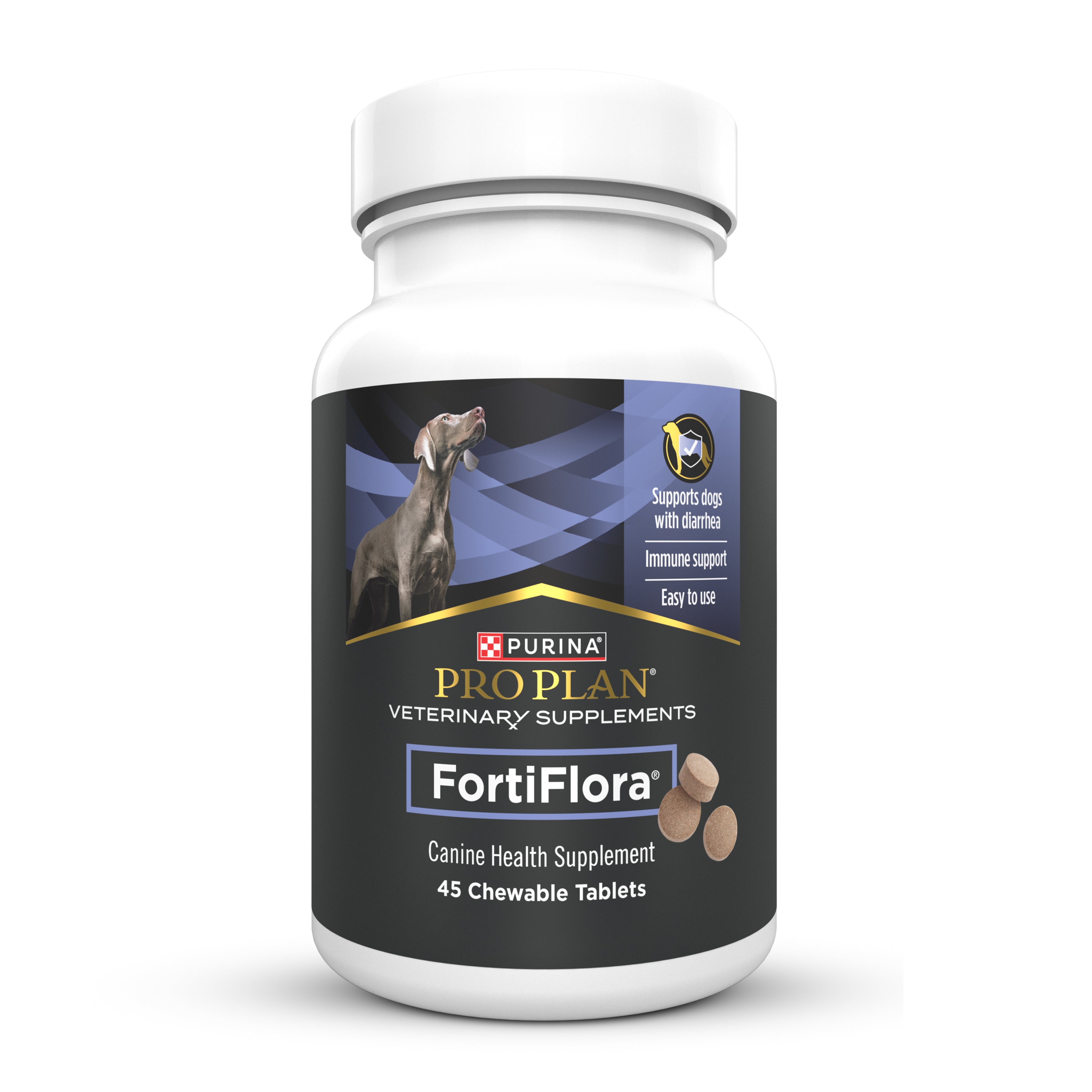
Administering Fortiflora for Dogs: This supplement is typically provided in individual sachets containing a palatable powder. The recommended dosage, usually one sachet per day, is sprinkled directly onto a dog’s regular food. Its taste is generally well-accepted by dogs, making administration straightforward. Consistency is important for optimal results.
Dietary Management: A consistent, high-quality diet forms the foundation of good digestive health. Avoid frequent changes in food and introduce any new diets gradually over several days to allow the digestive system to adapt. Ensuring the diet is appropriate for the dog’s age, breed, and activity level is also crucial.
Stress Reduction: Minimizing stressors in a dog’s environment can significantly impact its gut health. Maintaining a predictable routine, providing a comfortable and safe space, and engaging in regular, positive enrichment activities can help reduce anxiety.
Hydration: Adequate hydration is vital for digestive function and overall health. Always ensure a dog has access to fresh, clean water. For dogs experiencing diarrhea, maintaining hydration is particularly critical.
Monitoring and Observation: Regularly observing a dog’s stool consistency, appetite, energy levels, and general demeanor helps owners track progress and identify any new concerns. Keeping a simple log can be beneficial.
Environmental Control: Preventing access to garbage, human foods, and other inappropriate items helps reduce the risk of dietary indiscretion and subsequent digestive upset.
When Professional Help May Be Needed
While Fortiflora for dogs can be a valuable tool for supporting digestive health, there are specific situations where veterinary consultation or professional guidance is indispensable. Understanding when to seek professional help ensures that a dog receives the appropriate diagnosis and care.
Persistent or Severe Symptoms: If a dog experiences chronic diarrhea, persistent vomiting, severe lethargy, significant appetite loss, or blood in the stool, immediate veterinary attention is necessary. These symptoms can indicate serious underlying health issues that require medical intervention beyond probiotic support.
Lack of Improvement: If a dog’s digestive issues do not improve or worsen after a few days of consistent use of Fortiflora for dogs as directed, it suggests that the problem may be more complex and warrants a professional diagnosis.
Sudden Onset of Acute Symptoms: Any sudden and severe digestive upset, particularly if accompanied by other signs of distress like pain, weakness, or disorientation, demands urgent veterinary assessment.
Suspected Underlying Conditions: For dogs with pre-existing conditions such as food allergies, inflammatory bowel disease, or exocrine pancreatic insufficiency, a veterinarian can help integrate Fortiflora for dogs into a comprehensive treatment plan or recommend alternative therapies.
Before Starting New Supplements: It is always prudent to consult a veterinarian before introducing any new supplement, including Fortiflora for dogs, especially for puppies, senior dogs, or those with known health issues. A veterinarian can offer tailored advice based on a dogs individual health profile and specific needs.
Conclusion
Fortiflora for dogs plays a significant role in supporting canine digestive and immune health by promoting a balanced gut microbiome. Its use can be particularly beneficial during periods of stress, dietary changes, or after antibiotic therapy, helping to alleviate common digestive upsets. Maintaining a healthy gut is a cornerstone of overall canine well-being, impacting nutrient absorption, energy levels, and disease resistance. While Fortiflora for dogs offers a practical solution for many digestive challenges, it is crucial for owners to remain observant of their dog’s health and behavior. A holistic approach that includes a high-quality diet, stress management, and consistent care, combined with appropriate veterinary oversight, ensures the best outcomes for a dog’s health. Prioritizing digestive health empowers dogs to live more comfortable, vibrant lives, embodying the commitment of responsible pet ownership.
Pet Care & Wellness Overview Table
| Life Stage | Daily Activity Level | Key Nutrition / Care Focus |
|---|---|---|
| Puppy / Kitten | High (frequent short bursts) | High-protein growth diet & early socialization |
| Adult Companion | Moderate (30–60 mins daily) | Balanced maintenance nutrition & dental hygiene |
| Senior Pets | Low to Gentle (mindful walks) | Joint support (Glucosamine) & routine vet checks |
Images References




For more expert pet care tips and advice, check out our dedicated Dog Nutrition guides to keep your companions healthy and happy.




