Introduction
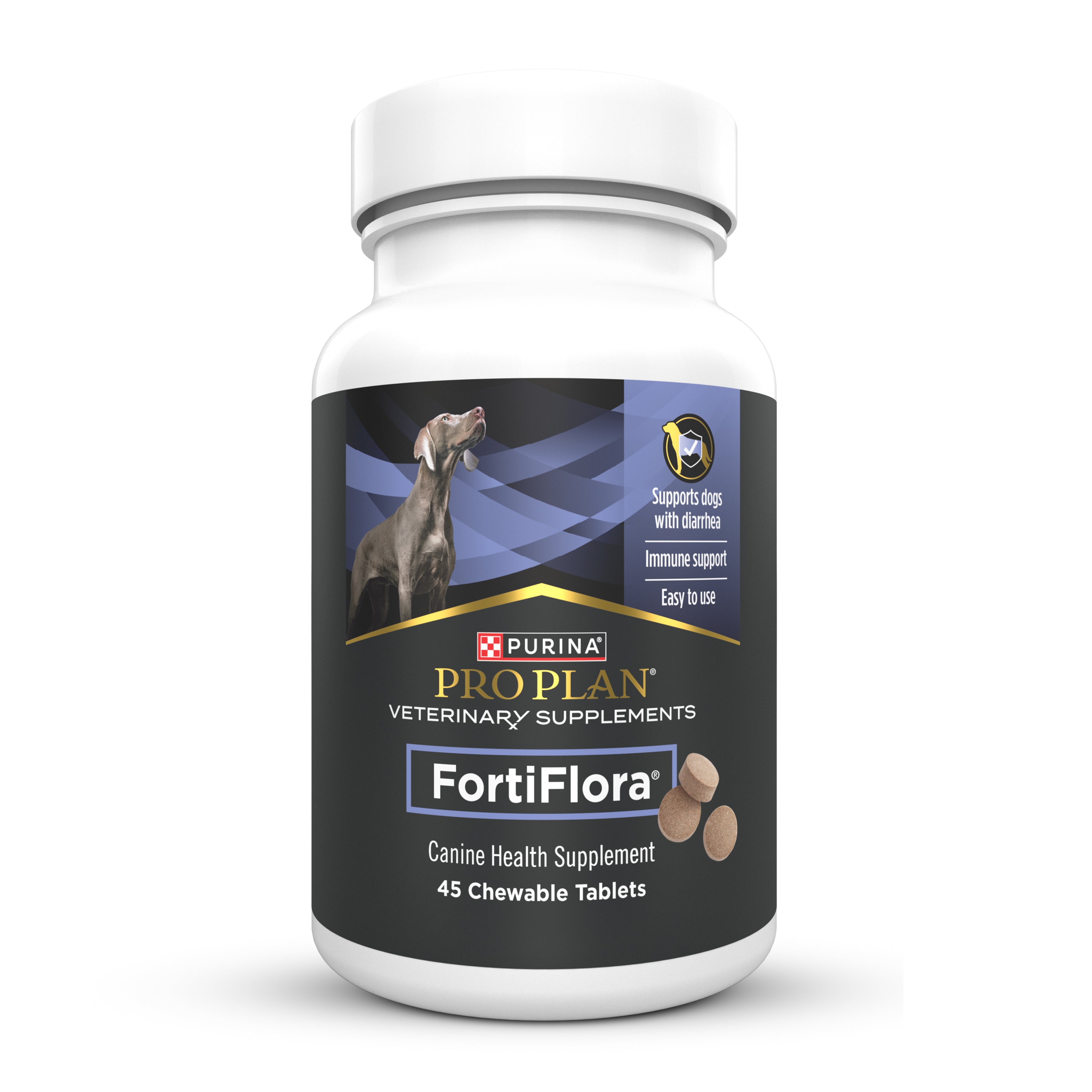
Maintaining optimal health in canine companions often involves careful attention to their digestive systems. In this context, the term “Fortiflora probiotic” frequently arises in discussions among veterinarians and dog owners. Fortiflora probiotic refers to a specific dietary supplement designed to support gastrointestinal health and balance the gut microbiome in dogs. Its importance stems from the critical role a healthy gut plays in overall canine well-being, influencing everything from nutrient absorption to immune system function. Understanding when and why Fortiflora probiotic is recommended can significantly contribute to managing common digestive upsets, mitigating the effects of stress, and supporting a dog’s recovery from various health challenges. Awareness of this specialized supplement provides a valuable tool for improving a dog’s digestive comfort, nutritional status, and overall quality of life. Explore more in our Dog Nutrition collection.
💡 Pet Care Key Takeaways:
- Core Focus: Practical health, nutrition, and wellness guidelines for Fortiflora Probiotic.
- Target Scope: Pet owners, animal caregivers, and veterinary support staff.
- Best Recommendation: Maintain consistent daily routines and consult an accredited veterinarian before introducing major diet or medical changes.
Common Causes and Key Factors
Several factors can disrupt a dog’s delicate gut balance, leading to the need for a supplement like Fortiflora probiotic. One primary cause is dietary changes, such as switching dog food brands, introducing new treats, or consuming unusual items. These shifts can upset the existing microbial community in the gut, potentially leading to digestive upset. Stress is another significant contributor; events like boarding, travel, veterinary visits, the arrival of new family members, or changes in routine can impact a dog’s digestive system, often manifesting as diarrhea or reduced appetite. For more related activities, check out our Ol Roy Ingredients List.
Antibiotic use is a well-known factor that disrupts the gut microbiome. While essential for treating bacterial infections, antibiotics can indiscriminately eliminate beneficial gut bacteria alongside harmful ones, leading to dysbiosis (an imbalance). This imbalance often results in digestive issues during and after treatment. Furthermore, environmental changes or exposure to novel bacteria and parasites can challenge a dog’s digestive resilience. Even underlying health issues, such as inflammatory bowel disease or certain allergies, can compromise gut integrity, where Fortiflora probiotic can offer supportive care, although it is not a cure for these conditions. The age of a dog also plays a role; puppies have developing gut flora that can be vulnerable, while senior dogs may experience a natural decline in digestive efficiency. Discover more free resources across our collection library.
Signs and Symptoms to Observe
Recognizing the signs that a dog might benefit from a probiotic supplement like Fortiflora probiotic involves careful observation of its digestive health and general demeanor. The most common indicators relate directly to the gastrointestinal system. Diarrhea, whether acute (sudden onset) or chronic (persisting over time), is a primary symptom suggesting gut imbalance. This can range from soft stools to watery bowel movements. Similarly, mild, non-emergency vomiting can indicate digestive upset.
Other observable signs include a loss of appetite or a decreased interest in food, which may accompany digestive discomfort. Excessive gas or bloating can point to an imbalance in gut fermentation processes. Dogs might also exhibit straining during defecation even if the stool is soft, or consistently produce poor stool quality that is inconsistent in form or texture. Indirectly, a dull or poor coat quality can sometimes reflect issues with nutrient absorption linked to an unhealthy gut. Furthermore, lethargy or subtle changes in energy levels associated with periods of digestive upset can signal distress. In situations of stress, dogs might show behaviors like panting, pacing, or hiding, which, when coupled with digestive issues, suggest a comprehensive impact on their system that probiotics could help address. These signs can vary based on a dog’s age, breed, and overall health status.
Practical Solutions and Management Strategies
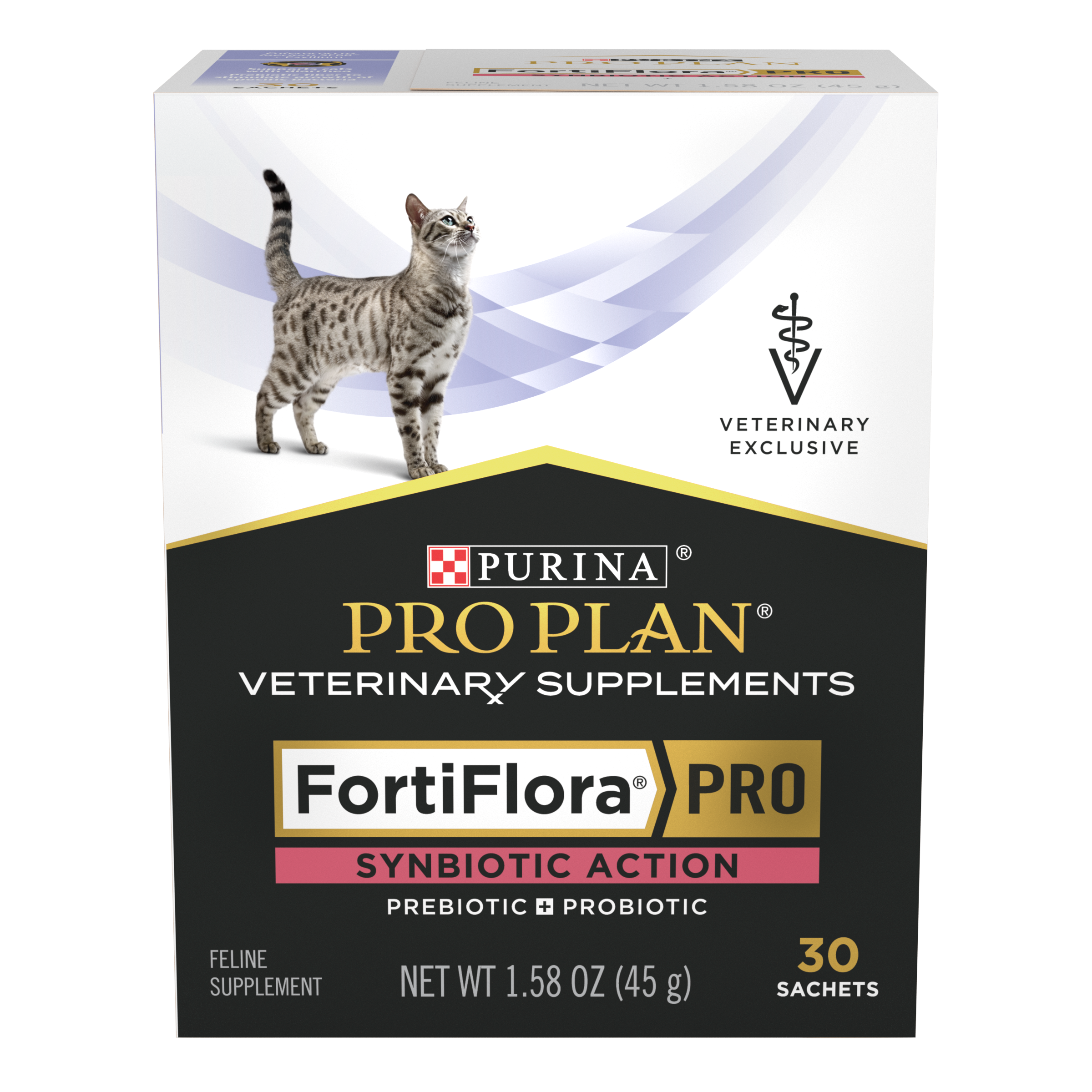
Incorporating Fortiflora probiotic into a dog’s regimen offers a practical strategy for managing and improving various digestive concerns. The administration of Fortiflora probiotic is straightforward, typically involving a pre-measured sachet of palatable powder that can be easily sprinkled over a dog’s regular food. This ease of use encourages consistent application, which is key to its efficacy.
Dosage must strictly adhere to veterinary recommendations or the instructions provided on the product packaging, usually one sachet per day, regardless of the dog’s size. Consistency is paramount; regular daily use ensures a sustained supply of beneficial microorganisms, helping to re-establish and maintain a healthy gut microbiome. Fortiflora probiotic can be given short-term during acute periods of digestive upset, such as after a course of antibiotics, during stressful events like travel or boarding, or for a few days following a dietary indiscretion. For dogs with chronic digestive sensitivities or recurring issues, long-term daily administration may be recommended by a veterinarian.
Integrating Fortiflora probiotic seamlessly into a dog’s existing dietary routine maximizes its benefits. It complements a balanced diet by improving nutrient absorption and supporting overall gut function. Proper storage in a cool, dry place is essential to maintain the viability and potency of the live probiotic cultures. Throughout the administration period, it is important to monitor the dog’s response, observing improvements in stool quality, appetite, and general demeanor. Adjustments to the regimen, if necessary, should always be made under veterinary guidance.
When Professional Help May Be Needed
While Fortiflora probiotic can be an excellent supportive measure for many digestive issues, it is crucial to recognize situations where veterinary intervention is necessary. Professional help should be sought immediately if a dog exhibits severe or persistent vomiting or diarrhea that lasts for more than 24-48 hours. The presence of blood in the stool or vomit is a critical sign that warrants urgent veterinary attention, as it can indicate serious underlying conditions such as severe infections, parasites, or internal bleeding.
Other alarming symptoms include extreme lethargy or weakness, significant abdominal pain or swelling, or a complete loss of appetite for an extended period. If a dog’s condition does not show improvement after several days of consistent Fortiflora probiotic administration, or if symptoms worsen despite its use, this indicates that the digestive upset may stem from a more serious cause requiring professional diagnosis and treatment. Unexplained weight loss is also a significant indicator of an underlying health problem. A veterinarian can conduct thorough examinations, diagnostic tests (such as blood work, fecal tests, or imaging), and provide an accurate diagnosis and appropriate treatment plan, ensuring the dog receives the specific care it needs beyond probiotic support.
Conclusion
Fortiflora probiotic serves as a valuable ally in promoting and maintaining optimal digestive health in dogs. Its targeted formulation helps to restore balance to the gut microbiome, which is instrumental in supporting robust immune function and efficient nutrient absorption. Understanding the common triggers for digestive upsetsuch as dietary changes, stress, and antibiotic useempowers dog owners to proactively address these challenges with the aid of a trusted probiotic. Consistent observation of signs like changes in stool quality, appetite, and energy levels allows for timely intervention. While Fortiflora probiotic offers significant benefits, the importance of professional veterinary consultation cannot be overstated, especially when faced with severe or persistent symptoms. Through a combination of informed awareness, diligent observation, and consistent care, dog owners can significantly contribute to their canine companion’s digestive comfort and overall vitality, fostering a healthier and happier life in line with the educational mission of petsanimalsworld.com.
Pet Care & Wellness Overview Table
| Life Stage | Daily Activity Level | Key Nutrition / Care Focus |
|---|---|---|
| Puppy / Kitten | High (frequent short bursts) | High-protein growth diet & early socialization |
| Adult Companion | Moderate (30–60 mins daily) | Balanced maintenance nutrition & dental hygiene |
| Senior Pets | Low to Gentle (mindful walks) | Joint support (Glucosamine) & routine vet checks |
Images References