

Introduction
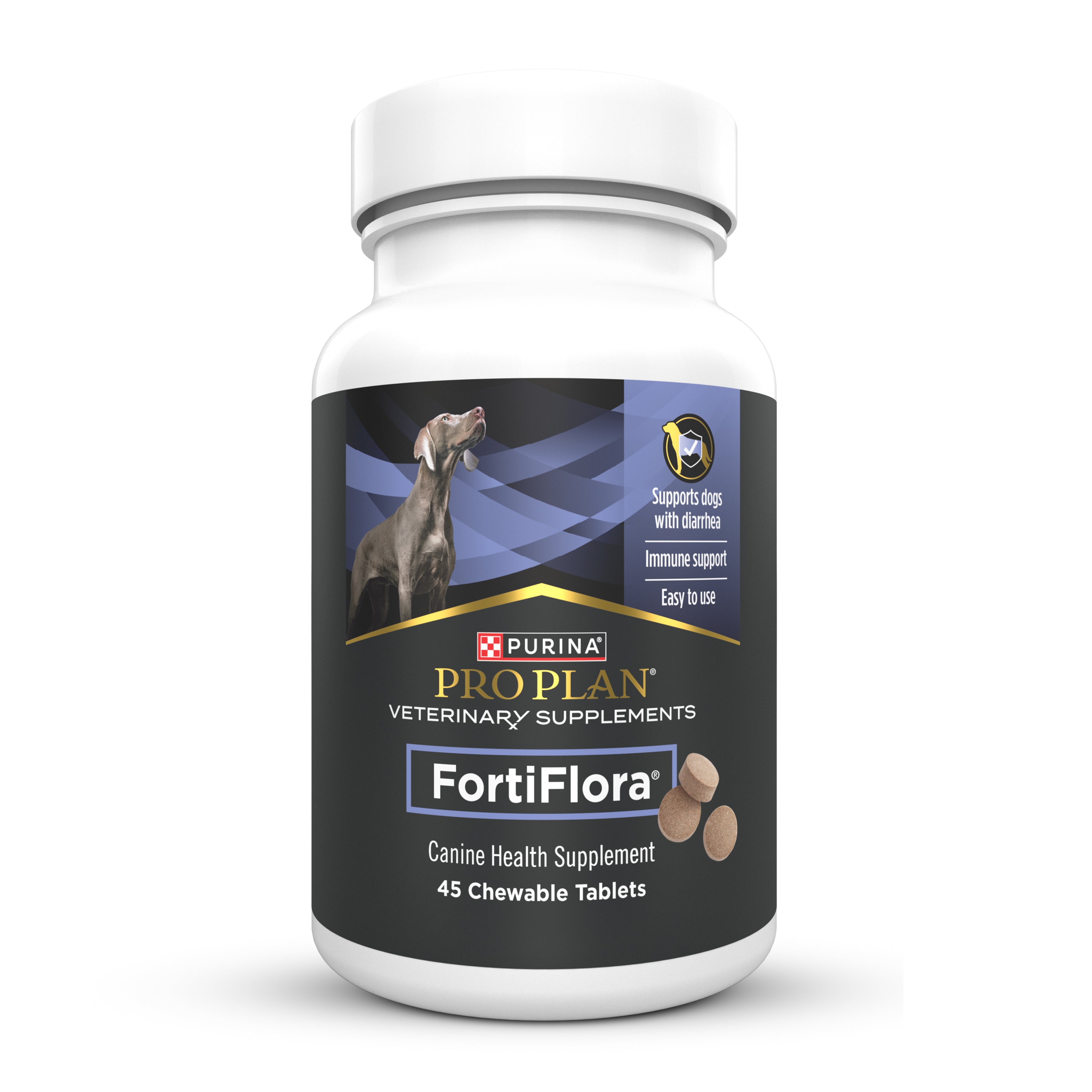
Maintaining optimal digestive health is paramount for a dog’s overall well-being, influencing everything from nutrient absorption to immune system function. When a dog’s gastrointestinal system experiences imbalance, it can lead to various uncomfortable symptoms and impact their quality of life. Fortiflora tablets represent a popular and veterinarian-recommended probiotic supplement designed to support and restore balance within a dog’s gut microbiome. This specialized product introduces beneficial bacteria to the digestive tract, helping to counteract the effects of stress, dietary changes, antibiotic use, and other factors that can disrupt a dog’s delicate gut flora. Understanding the role of Fortiflora tablets can empower dog owners to proactively support their canine companions during periods of digestive upset or vulnerability, contributing significantly to improved health and vitality.
💡 Pet Care Key Takeaways:
- Core Focus: Practical health, nutrition, and wellness guidelines for Fortiflora Tablets.
- Target Scope: Pet owners, animal caregivers, and veterinary support staff.
- Best Recommendation: Maintain consistent daily routines and consult an accredited veterinarian before introducing major diet or medical changes.
Common Causes and Key Factors Leading to Gut Imbalance
A dog’s digestive system is a complex ecosystem, and numerous factors can disrupt its delicate balance, creating a need for supportive interventions like Fortiflora tablets. One of the most frequent causes of gut upset is dietary changes. A sudden switch in food, the introduction of new treats, or even scavenging undesirable items can lead to an imbalance in gut bacteria, manifesting as diarrhea or soft stools. For more related activities, check out our Natural Balance Puppy Food Quantity Chart.
Stress is another significant contributor. Dogs can experience stress from various situations, including travel, boarding, moving to a new home, visits to the veterinarian, or separation anxiety. These stressors can trigger physiological responses that negatively affect digestive function and alter the gut microbiome.
The administration of antibiotics is a well-known factor that can severely deplete beneficial gut bacteria. While essential for treating bacterial infections, antibiotics do not discriminate between harmful and helpful microorganisms, often leading to digestive upset as a side effect.
Age also plays a role. Puppies, with their developing immune and digestive systems, are often more susceptible to imbalances. Senior dogs, conversely, may experience a decline in digestive efficiency and a natural shift in their gut flora as they age. Underlying health conditions such as inflammatory bowel disease (IBD), food sensitivities, or parasitic infections can also contribute to chronic gut issues, where probiotics can serve as a supportive adjunct to primary treatment. Environmental exposure to pathogens or toxins further emphasizes the importance of a resilient gut microbiome.
Signs and Symptoms to Observe Indicating Digestive Discomfort
Recognizing the signs of digestive distress in a dog is crucial for timely intervention and ensuring comfort. The most apparent indicators often involve changes in a dog’s stool. Diarrhea, ranging from soft stools to watery consistency, is a common symptom of gastrointestinal upset. Conversely, constipation can also signal an imbalance or issue within the digestive tract, though less frequently associated with the need for probiotics.
Vomiting, especially if it occurs frequently or in conjunction with other digestive symptoms, warrants attention. A dog experiencing digestive discomfort might also exhibit a loss of appetite or a decreased interest in food. This can be a direct result of nausea or abdominal pain.
Other observable signs include excessive gas and bloating, which can cause discomfort and make a dog appear restless. Some less direct indicators might include a dull coat or skin issues, as poor nutrient absorption due to an unhealthy gut can sometimes manifest externally. A general lethargy or decreased activity level often accompanies any feeling of unwellness, including digestive upset. In some cases, coprophagia (the eating of feces) has been linked to nutrient deficiencies or imbalances in gut flora, prompting owners to consider probiotic supplementation. The severity and persistence of these signs can vary significantly based on a dog’s age, breed, and the underlying cause of the digestive disturbance.
Practical Solutions and Management Strategies with Fortiflora Tablets
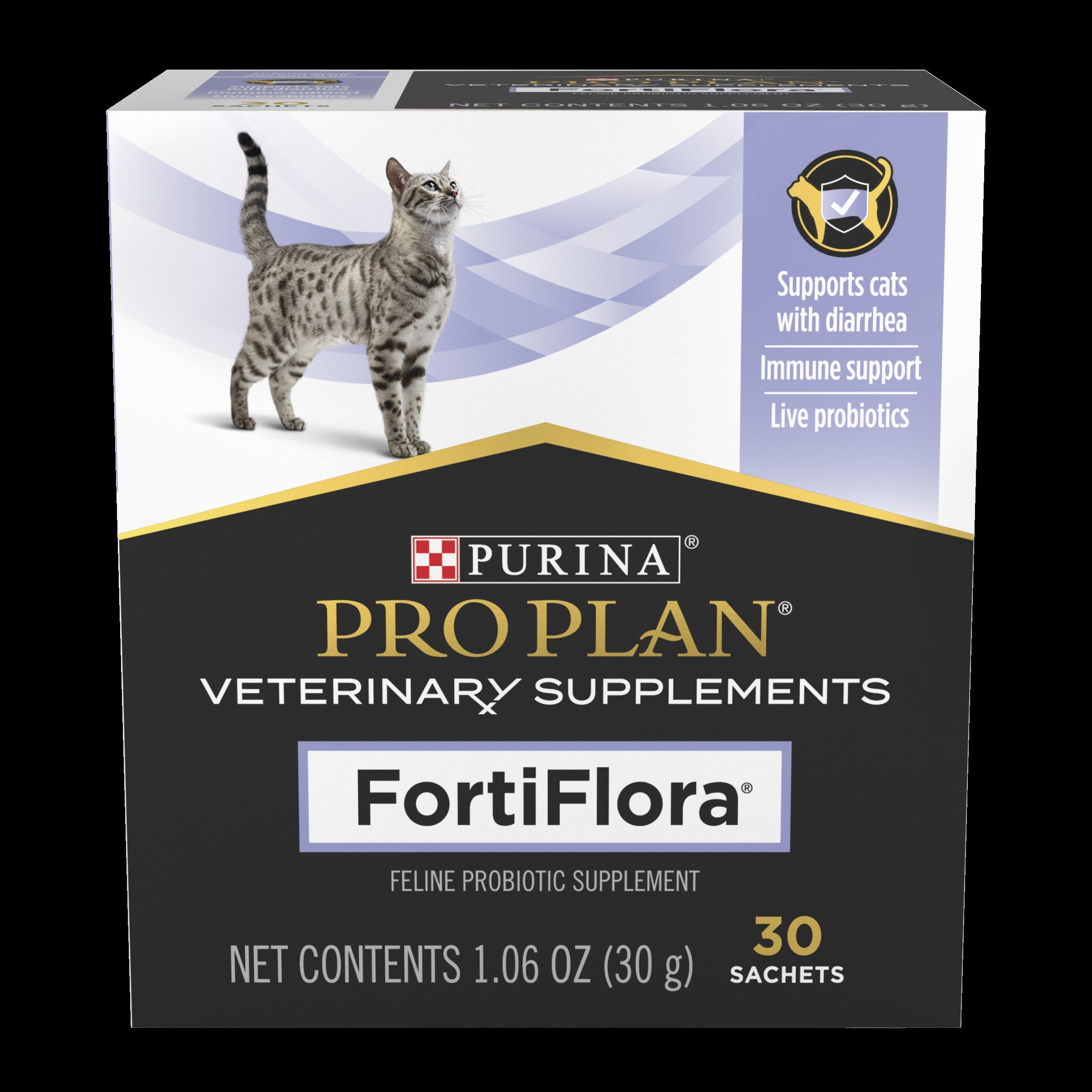
Addressing canine digestive issues often involves a multi-faceted approach, with probiotic supplementation playing a significant role. Fortiflora tablets are specifically formulated to introduce beneficial microorganisms to a dog’s gastrointestinal tract. These tablets contain a proprietary strain of Enterococcus faecium SF68, a live active probiotic that helps restore a healthy balance of gut bacteria.
The mechanism of action involves the viable bacteria colonizing the gut, competing with harmful pathogens, and supporting the integrity of the intestinal lining. This process aids in improving digestion, enhancing nutrient absorption, and bolstering the immune system, as a significant portion of a dog’s immune system resides in the gut.
Fortiflora tablets are typically recommended during periods of digestive vulnerability. This includes courses of antibiotic therapy, which can decimate beneficial gut flora, or during times of heightened stress such as travel, boarding, or adjusting to a new home. They are also beneficial when a dog experiences dietary changes, mild episodes of diarrhea, or simply to maintain overall gut health in sensitive individuals.
Administration is generally straightforward. Fortiflora tablets are usually palatable and can be given directly or mixed with a small amount of food. Adhering strictly to the dosage instructions provided on the product packaging and the guidance of a veterinarian is crucial. For acute issues, a short course may suffice, but for chronic conditions or ongoing support, consistent, long-term use might be recommended. Complementing probiotic use with a balanced, high-quality diet and ensuring adequate hydration further supports digestive function. Minimizing environmental stressors also plays a vital role in maintaining gastrointestinal health.
When Professional Help May Be Needed
While Fortiflora tablets can be an effective tool for supporting canine digestive health, there are critical situations where veterinary consultation is indispensable. Pet owners should seek professional help if a dog exhibits persistent or severe symptoms. This includes diarrhea that lasts for more than 24-48 hours, recurrent vomiting, the presence of blood in the stool (either bright red or black and tarry), or significant lethargy and weakness. These signs can indicate a more serious underlying condition that requires immediate veterinary attention.
A lack of improvement in digestive symptoms despite the appropriate use of Fortiflora tablets also warrants a veterinary visit. If a dog’s condition worsens or does not resolve, it suggests that the issue might extend beyond a simple gut flora imbalance. Puppies and senior dogs, due to their more vulnerable physiological states, can dehydrate and decline rapidly from digestive illnesses; therefore, any concerning symptoms in these age groups should prompt an immediate veterinary assessment.
Furthermore, if there is a suspicion of underlying conditions such as parasitic infections, inflammatory bowel disease, pancreatitis, or the ingestion of a foreign body, a veterinarian can conduct diagnostic tests to identify the precise cause and recommend targeted treatment. Responsible pet ownership includes recognizing the limitations of over-the-counter supplements and understanding when a professional diagnosis and treatment plan are essential for a dog’s health and recovery.
Conclusion
Fortiflora tablets offer a valuable supportive measure for maintaining and restoring canine digestive health, a cornerstone of overall well-being. By introducing beneficial bacteria, this probiotic supplement plays a critical role in balancing the gut microbiome, enhancing digestion, supporting nutrient absorption, and fortifying the immune system. Awareness of the common factors that can disrupt a dog’s gut, such as stress, dietary changes, and antibiotic use, allows owners to proactively utilize supplements like Fortiflora to mitigate potential issues. Consistent observation of a dog’s health and prompt recognition of digestive upset are crucial. While Fortiflora tablets can provide significant benefits for many dogs, persistent or severe symptoms always necessitate a professional veterinary evaluation. Prioritizing proactive care, informed decision-making, and timely veterinary consultation ensures that canine companions can enjoy optimal health and a vibrant quality of life.
Pet Care & Wellness Overview Table
| Life Stage | Daily Activity Level | Key Nutrition / Care Focus |
|---|---|---|
| Puppy / Kitten | High (frequent short bursts) | High-protein growth diet & early socialization |
| Adult Companion | Moderate (30–60 mins daily) | Balanced maintenance nutrition & dental hygiene |
| Senior Pets | Low to Gentle (mindful walks) | Joint support (Glucosamine) & routine vet checks |
Images References



For more expert pet care tips and advice, check out our dedicated Dog Nutrition guides to keep your companions healthy and happy.




