
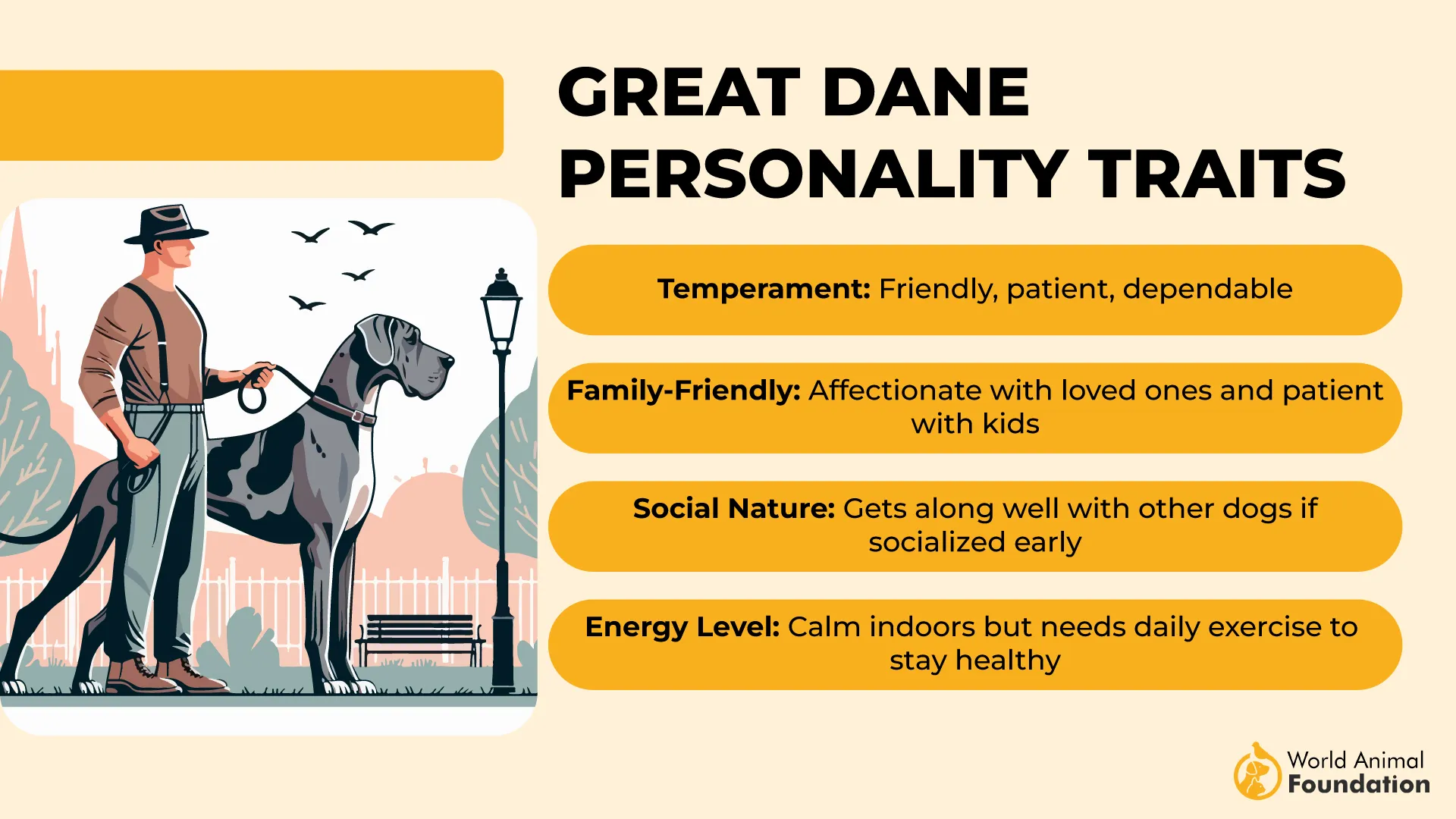
Understanding the deep connection between DNA and the personality of a gentle giant requires looking at the history of these magnificent canines.
According to the American Kennel Club, the Great Dane was originally bred in Germany to hunt wild boars, a heritage that required immense physical strength, courage, and a cooperative working relationship with humans. Observing a giant adolescent lean its entire hundred-pound frame affectionately against a visitor’s shins reveals a profound behavioral paradox. Beneath that imposing exterior lies a deeply sensitive spirit shaped by centuries of selective breeding. Canine behavioral specialists often note that modern household companions still carry the instinctive blueprint of their working ancestors, even if their current quarry is merely a stray dust bunny.
💡 Pet Care Key Takeaways:
- Core Focus: Practical health, nutrition, and wellness guidelines for Genetic Behavioral Traits Great Dane.
- Target Scope: Pet owners, animal caregivers, and veterinary support staff.
- Best Recommendation: Maintain consistent daily routines and consult an accredited veterinarian before introducing major diet or medical changes.
Genetic behavioral traits in Great Danes encompass the inherited predispositions, temperament tendencies, and instinctual responses encoded within the breed’s DNA.
These inherent characteristics dictate how the animal reacts to stimuli, processes environmental stress, and interacts with family members. Unlike smaller working groups, this specific lineage was carefully refined to exhibit remarkable patience and gentleness around human masters while maintaining alertness. Consequently, understanding these biological baselines helps guardians differentiate between normal breed-specific quirks and unexpected behavioral deviations. Recognizing the root cause of these patterns transforms daily management from a guessing game into a predictable science.
The unique psychological makeup of these gentle giants directly influences their daily management, emotional stability, and overall household integration.
Because of their deep-rooted social dependency, these dogs are highly susceptible to separation anxiety if left isolated for extended periods. In clinical practice, working with massive adolescents often uncovers a profound need for physical closeness, frequently earning them the affectionate nickname of velcro dogs. Furthermore, their sheer size means that natural protective instincts or fear responses require careful early socialization to prevent accidental intimidation of guests or smaller household animals. Without proper mental stimulation, that immense physical power can easily channel into destructive chewing or pacing behaviors.
The American Kennel Club classifies the Great Dane temperament as friendly, energetic, and dependable, though early socialization remains critical for managing their natural watchdog instincts. — American Kennel Club
Managing genetic behavioral traits in Great Danes requires a balanced approach combining early positive reinforcement, structured routines, and consistent leadership.
Establishing clear boundaries during puppyhood ensures that a rapidly growing dog respects personal space without dampening its naturally affectionate spirit. Rewarding calm behavior rather than reinforcing excitable jumping sets a solid foundation for polite adult manners. Additionally, introducing diverse environments, sounds, and unfamiliar people during the critical developmental window helps mitigate hereditary warfulness. Consistency across every household member prevents confusion and fosters a secure emotional environment for the pet.
Avoiding common training pitfalls prevents the reinforcement of fear-based or overly dependent habits in giant breeds.
A frequent mistake involves using harsh corrections, which can severely damage trust due to the breed’s innate sensitivity. Instead of building confidence, punitive methods often trigger defensive reactions or deep-seated anxiety. Another oversight is ignoring early leash training under the assumption that the puppy will remain small. A solid understanding of Dog Training principles ensures that obedience work remains a positive bonding experience rather than a source of stress.
According to ASPCA behavioral guidelines, positive reinforcement training methods are proven to be significantly more effective than dominance-based approaches for managing large, sensitive dog breeds. — ASPCA
Pet Care & Wellness Overview Table
| Life Stage | Daily Activity Level | Key Nutrition / Care Focus |
|---|---|---|
| Puppy / Kitten | High (frequent short bursts) | High-protein growth diet & early socialization |
| Adult Companion | Moderate (30–60 mins daily) | Balanced maintenance nutrition & dental hygiene |
| Senior Pets | Low to Gentle (mindful walks) | Joint support (Glucosamine) & routine vet checks |
Images References


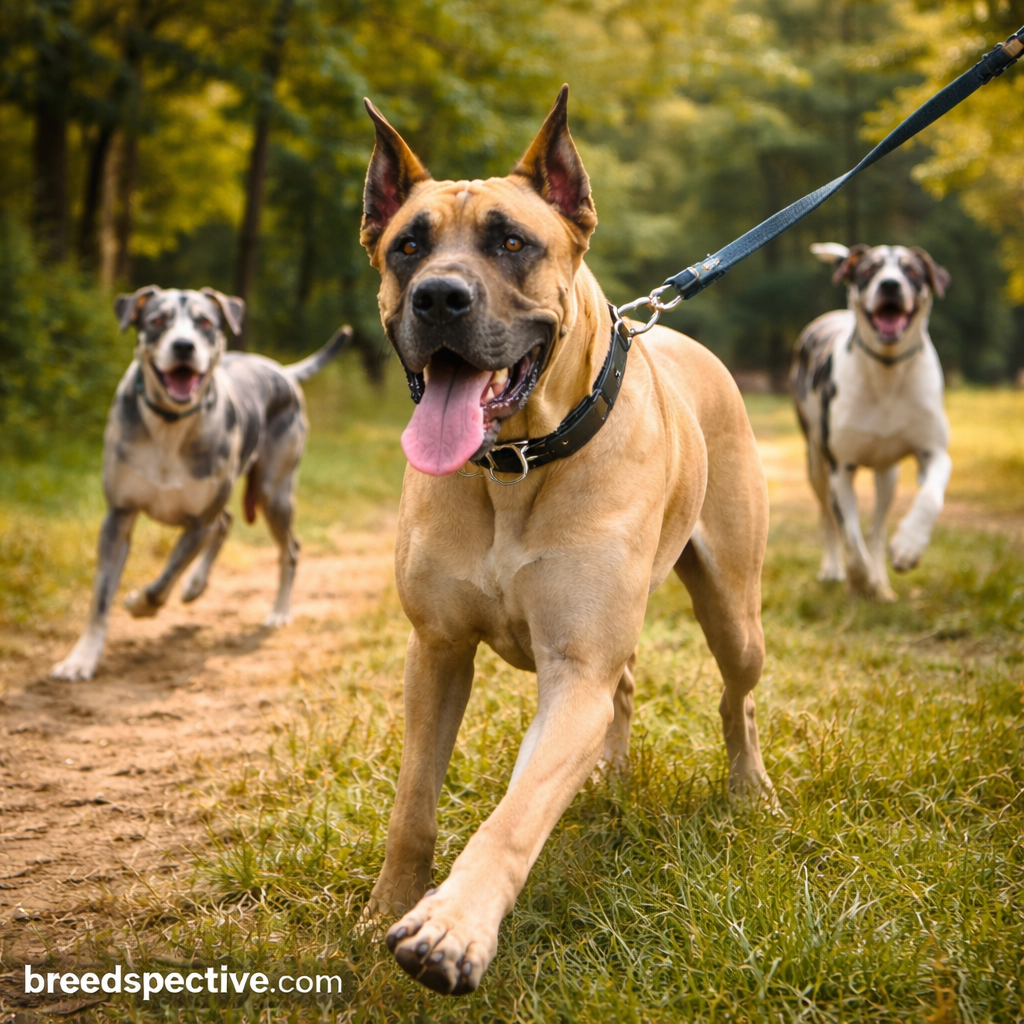
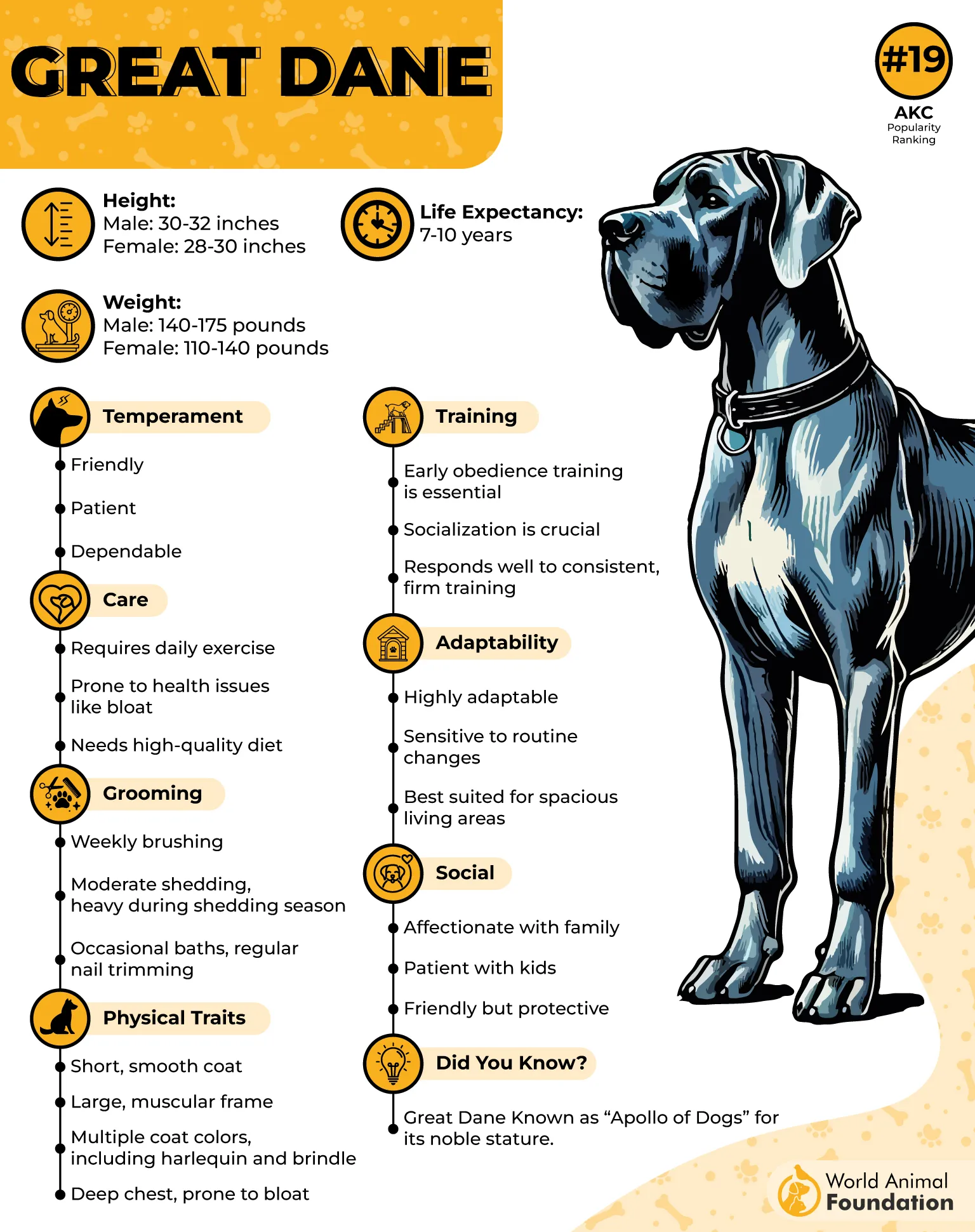

Breed, age, and size considerations heavily dictate how these inherited personality characteristics manifest across different life stages.
While puppies are typically boisterous and clumsy, the transition into adulthood brings a notable shift toward a calmer, more dignified demeanor. However, because these dogs experience a prolonged juvenile phase lasting up to three years, physical maturity often outpaces emotional maturity. Guardians must remain patient during this lengthy developmental window, providing appropriate outlets for lingering adolescent energy. Exploring Dog Breeds insights helps owners anticipate these distinct milestones.
Professional veterinary or behavioral intervention becomes necessary when inherited tendencies escalate into severe fear, aggression, or unmanageable anxiety.
Any sudden shift in temperament, persistent destructive chewing, or unprovoked reactivity warrants a thorough physical examination to rule out underlying medical discomfort or painful joint issues. Certified veterinary behaviorists can develop customized modification plans for complex cases that exceed standard obedience work. Maintaining proactive communication with healthcare providers ensures that both the physical and mental well-being of the animal receive optimal support throughout its life. For comprehensive guidance on keeping your companion healthy, review our resources on Dog Health.
Appreciating the fascinating biology behind canine personalities allows owners to build stronger, more empathetic bonds with their beloved animal companions.
PetsAnimalsWorld.com is dedicated to helping you understand every facet of canine wellness, from behavioral foundations to daily maintenance. For practical tips on keeping your gentle giant comfortable at home, browse our articles on Dog Care. Embracing the unique heritage of these wonderful dogs ensures a harmonious household filled with mutual respect, safety, and enduring companionship.




