

Introduction
The majestic presence and loving demeanor of large and giant dog breeds earn them the affectionate moniker of “gentle giants.” Breeds such as Great Danes, Mastiffs, Bernese Mountain Dogs, and Saint Bernards captivate with their imposing size and placid temperaments. However, their sheer scale comes with unique physiological demands, making gentle giants canine nutrition a critical area of focus for responsible pet ownership. Understanding the specialized dietary needs of these magnificent animals is paramount for promoting optimal health, supporting their rapid growth, maintaining robust joint integrity, and preventing common health issues. Proper nutritional management ensures these beloved companions live full, vibrant lives, enhancing their well-being and overall quality of life significantly.
💡 Pet Care Key Takeaways:
- Core Focus: Practical health, nutrition, and wellness guidelines for Gentle Giants Canine Nutrition.
- Target Scope: Pet owners, animal caregivers, and veterinary support staff.
- Best Recommendation: Maintain consistent daily routines and consult an accredited veterinarian before introducing major diet or medical changes.
Common Causes and Key Factors
The distinct nutritional requirements of gentle giant breeds stem from several key physiological factors. A primary concern is their rapid and prolonged growth phase. Unlike smaller breeds that mature quickly, large and giant breed puppies can take up to two years to reach full size. This extended growth period necessitates a carefully balanced diet to support skeletal development without promoting excessively fast weight gain, which can predispose them to orthopedic problems. For more related activities, check out our Natural Balance Puppy Food Quantity Chart.
Metabolic differences also play a significant role. Large breeds have a slower metabolism compared to smaller dogs, meaning they require fewer calories per pound of body weight. Overfeeding can quickly lead to obesity, placing undue stress on their developing or aging joints. Furthermore, their sheer body mass puts considerable strain on joints, making support for cartilage and bone health crucial throughout their lives. Calcium and phosphorus ratios must be meticulously balanced, particularly during puppyhood, to prevent developmental bone diseases.
Another important consideration for large and giant breeds is the heightened risk of Gastric Dilatation-Volvulus (GDV), commonly known as bloat. This life-threatening condition is often linked to feeding practices, such as consuming large meals rapidly. The anatomy of their chest cavity can also contribute to this risk. Therefore, dietary choices and feeding strategies must aim to mitigate this danger.
Specific ingredient sensitivities are also observed, requiring attention to digestible protein sources and limited, high-quality carbohydrates to prevent digestive upset and maintain stable energy levels. The overall caloric density and nutrient profile of their food must be tailored to their life stage puppy, adult, or senior to address evolving needs.
Signs and Symptoms to Observe
Observing a giant breed’s physical condition and behavior provides valuable insights into the adequacy of its nutrition. A healthy coat, characterized by shine and softness, often indicates a well-balanced diet rich in essential fatty acids. conversely, a dull, dry, or flaky coat may suggest nutritional deficiencies.
Energy levels are another key indicator. A dog receiving appropriate nutrition should exhibit consistent energy, neither lethargic nor excessively hyperactive. Changes in appetite, such as sudden disinterest in food or excessive hunger, warrant investigation. Weight management is paramount; a giant breed should maintain an ideal body condition score, with ribs palpable but not visibly protruding, and a visible waist when viewed from above.
Digestive health is reflected in stool quality. Consistent, firm, well-formed stools indicate good digestion and nutrient absorption. Loose stools, diarrhea, or frequent flatulence can be signs of dietary intolerance or an imbalance in the diet. Lameness, stiffness, or reluctance to move, particularly after rest, may signal joint discomfort or underlying orthopedic issues exacerbated by improper nutrition or weight.
In puppies, signs of too-rapid growth, such as bowed legs or obvious limping, are critical warning signs demanding immediate veterinary attention, as these can be indicative of developmental orthopedic diseases linked to nutritional imbalances. Any sudden distension of the abdomen, particularly accompanied by unproductive retching or restlessness, signals a potential bloat emergency.
Practical Solutions and Management Strategies
Effective management of gentle giants canine nutrition involves a multi-faceted approach. Selecting a high-quality commercial dog food specifically formulated for large or giant breeds is a foundational step. These formulas are designed with appropriate caloric densities, protein levels, and crucial calcium-to-phosphorus ratios to support slow, steady growth in puppies and maintain joint health in adults. Look for reputable brands that conduct feeding trials and have nutritional statements from the AAFCO (Association of American Feed Control Officials).
Portion control is essential. Rather than free-feeding, precise measurements based on the dogs ideal weight, activity level, and the foods caloric content help prevent overfeeding and obesity. Consulting the feeding guide on the food packaging and adjusting as needed is a good practice.
Dividing daily food intake into two or three smaller meals, rather than one large meal, is a crucial strategy to reduce the risk of bloat. Elevating food bowls has been a traditional recommendation, though recent research offers mixed conclusions on its efficacy in preventing bloat, so consultation with a veterinarian on this practice is advisable.
Incorporating joint-supporting supplements, such as glucosamine and chondroitin, can be beneficial, especially for breeds predisposed to hip or elbow dysplasia. These should be introduced under veterinary guidance. Ensuring constant access to fresh, clean water is also vital for overall health and digestion.
Monitoring weight and body condition regularly allows for timely dietary adjustments. Regular veterinary check-ups provide opportunities to discuss diet and make informed changes as the dog ages or its needs evolve.
When Professional Help May Be Needed
While diligent home care is invaluable, certain situations necessitate professional intervention regarding gentle giants canine nutrition. A veterinary consultation is advisable when selecting the initial diet for a giant breed puppy, ensuring it meets specific growth requirements and avoids pitfalls that can lead to orthopedic problems.
Persistent digestive issues, such as chronic diarrhea, vomiting, or significant flatulence, require veterinary assessment to rule out underlying medical conditions or identify food sensitivities. Unexplained weight loss or gain, despite consistent feeding, also warrants professional investigation.
Signs of lameness, stiffness, or difficulty with mobility, especially in younger giant breeds, demand immediate veterinary attention. These symptoms could indicate developmental orthopedic diseases that benefit from early diagnosis and management, which may include dietary modifications.
Furthermore, if a giant breed displays symptoms of bloatsuch as restlessness, pacing, unproductive retching, or a distended abdomenemergency veterinary care is critical. This condition is life-threatening and requires immediate professional intervention. For senior giant breeds, a veterinarian can help formulate a diet that addresses age-related changes, such as reduced metabolism, joint deterioration, or dental issues. A certified veterinary nutritionist can also provide highly specialized dietary plans for dogs with complex health conditions.
Conclusion
The well-being of gentle giant dog breeds is intricately linked to their nutritional care. Understanding the unique physiological demands associated with their impressive size and extended growth phases is fundamental for every owner. From selecting appropriate large-breed specific formulas to implementing thoughtful feeding practices, a proactive approach to gentle giants canine nutrition mitigates common health risks and promotes longevity. Consistent observation of physical condition and behavior, coupled with timely professional veterinary guidance, empowers owners to provide the best possible dietary support for their beloved companions. By prioritizing informed nutritional choices, these magnificent dogs can continue to thrive, bringing joy and a gentle presence to countless homes.
Pet Care & Wellness Overview Table
| Life Stage | Daily Activity Level | Key Nutrition / Care Focus |
|---|---|---|
| Puppy / Kitten | High (frequent short bursts) | High-protein growth diet & early socialization |
| Adult Companion | Moderate (30–60 mins daily) | Balanced maintenance nutrition & dental hygiene |
| Senior Pets | Low to Gentle (mindful walks) | Joint support (Glucosamine) & routine vet checks |
Images References


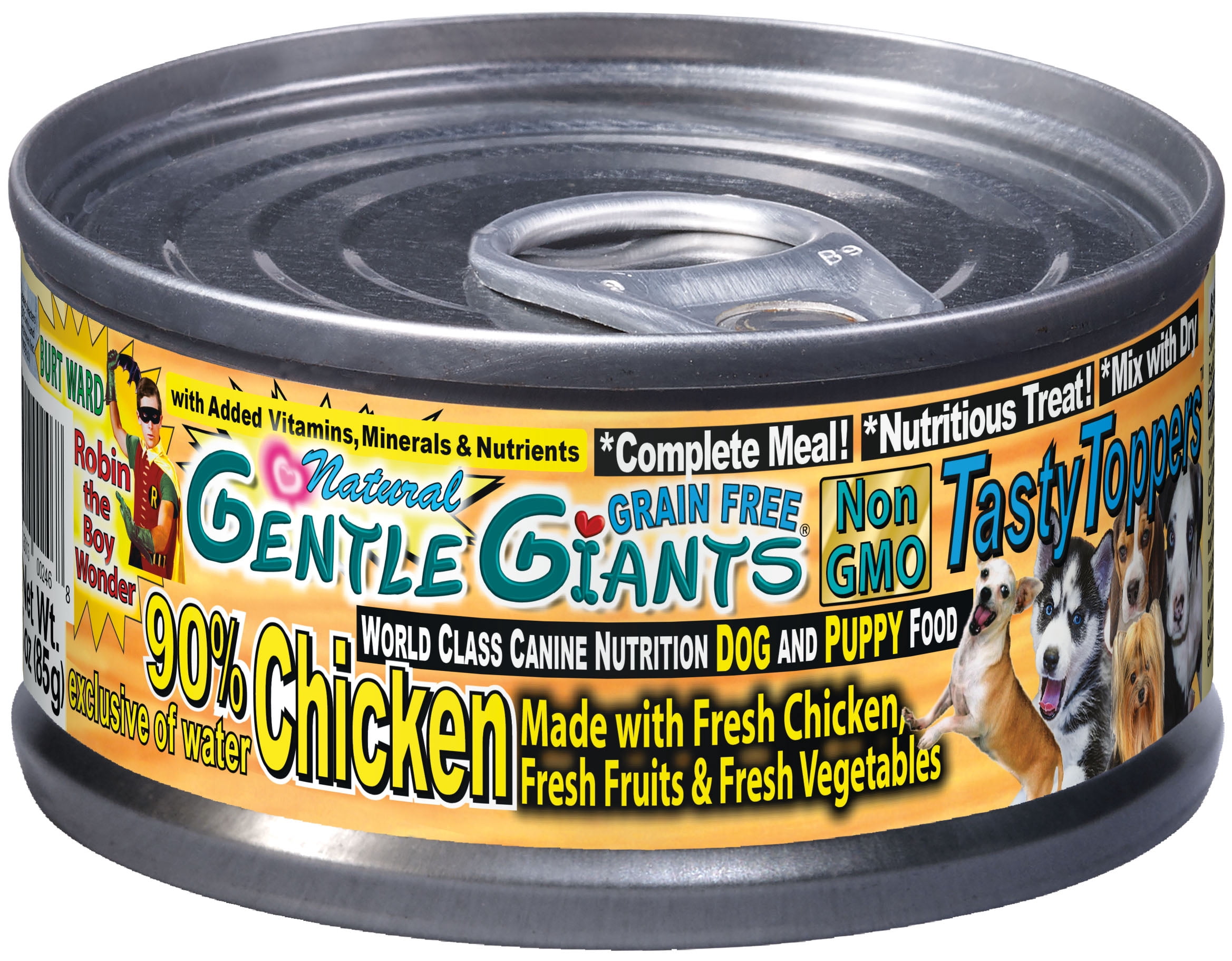


For more expert pet care tips and advice, check out our dedicated Dog Nutrition guides to keep your companions healthy and happy.




