

Understanding the complex vocalizations of a guard dog breed requires patience and keen observation from every pet parent.
According to the American Kennel Club, vocal communication in canines serves as a primary method for expressing emotional states, territorial boundaries, and physical needs. When working with large working dogs, interpreting these auditory signals accurately prevents misunderstandings and fosters a secure environment at home. In professional behavioral practice, handling this specific sound correctly means looking past the initial startle response and examining the entire physiological picture. Dogs do not communicate to spite humans; rather, they use vocalization as a legitimate instrument of expression. Recognizing this reality transforms a household from a place of tension into a sanctuary of mutual trust.
💡 Pet Care Key Takeaways:
- Core Focus: Practical health, nutrition, and wellness guidelines for German Shepherd Growl.
- Target Scope: Pet owners, animal caregivers, and veterinary support staff.
- Best Recommendation: Maintain consistent daily routines and consult an accredited veterinarian before introducing major diet or medical changes.
A german shepherd growl is fundamentally an auditory warning signal indicating discomfort, boundary establishment, or defensive arousal.
Canine communication relies heavily on low-frequency vocalizations to signal space requirements or impending action to those around them. This particular behavior acts as an acoustic yellow light, advising caution before a situation escalates further. Observing these working lines in clinical settings reveals that these dogs possess a rich vocal repertoire, ranging from high-pitched whines to deep, resonant rumblings. Suppressing this crucial warning mechanism through physical correction removes the dog’s early notification system, which paradoxically increases the likelihood of an unannounced bite. Understanding canine body language alongside these sounds ensures that guardians respond to the root cause rather than the symptom.
Vocal warnings function as a vital communicative bridge, allowing canines to express stress or boundary limits long before physical escalation occurs. — American Kennel Club
Ignoring or punishing this vocalization removes vital communication channels and elevates long-term stress levels within the animal.
When a guardian reacts to a rumble with scolding or physical discipline, the dog learns that expressing discomfort leads to punishment rather than resolution. This unfortunate training error teaches the animal to suppress the warning sign while internalizing the underlying anxiety or fear. Consequently, future triggers may provoke an immediate, silent reaction because the intermediary warning stage was systematically discouraged. Professional intervention strategies emphasize replacing punishment with desensitization, helping the animal feel safe enough that vocal warnings become unnecessary. Prioritizing proactive Dog Behavior management creates a predictable household where both human and canine expectations align harmoniously.
Managing this defensive expression effectively involves identifying exact triggers, establishing safe distances, and reinforcing calm demeanor.
Creating structural predictability in daily routines helps lower baseline arousal levels in high-drive guarding lines. Practitioners routinely observe that when a dog receives adequate mental stimulation and clear spatial boundaries, spontaneous defensive rumbling decreases significantly. Rewarding relaxed responses around common triggers—such as delivery personnel or passing strangers—gradually shifts the animal’s emotional association from suspicion to neutrality. Implementing structured obedience protocols through consistent Dog Training channels that rely exclusively on positive reinforcement guarantees long-term behavioral stability.
Avoiding common reactive mistakes protects the human-animal bond and prevents accidental escalation during tense interactions.
Never corner, stare down, or forcefully grab a vocalizing animal, as these actions mimic predatory aggression and invite self-defense. Another frequent misstep involves bribing the dog mid-rumble, which can inadvertently reward and reinforce the vocal behavior rather than the desired calm state. Instead, redirect the animal to a familiar place command or calmly increase the physical distance between the dog and the stimulus. Maintaining emotional neutrality during these episodes models stability for the dog, who looks to human leaders for cues on how to assess environmental safety. For broader guidance on everyday upkeep, exploring resources on Dog Care provides additional frameworks for maintaining balanced routines.
Implementing force-free modification techniques significantly reduces reactive vocalizations by addressing underlying emotional triggers rather than suppressing symptoms. — American Veterinary Society of Animal Behavior
Pet Care & Wellness Overview Table
| Life Stage | Daily Activity Level | Key Nutrition / Care Focus |
|---|---|---|
| Puppy / Kitten | High (frequent short bursts) | High-protein growth diet & early socialization |
| Adult Companion | Moderate (30–60 mins daily) | Balanced maintenance nutrition & dental hygiene |
| Senior Pets | Low to Gentle (mindful walks) | Joint support (Glucosamine) & routine vet checks |
Images References




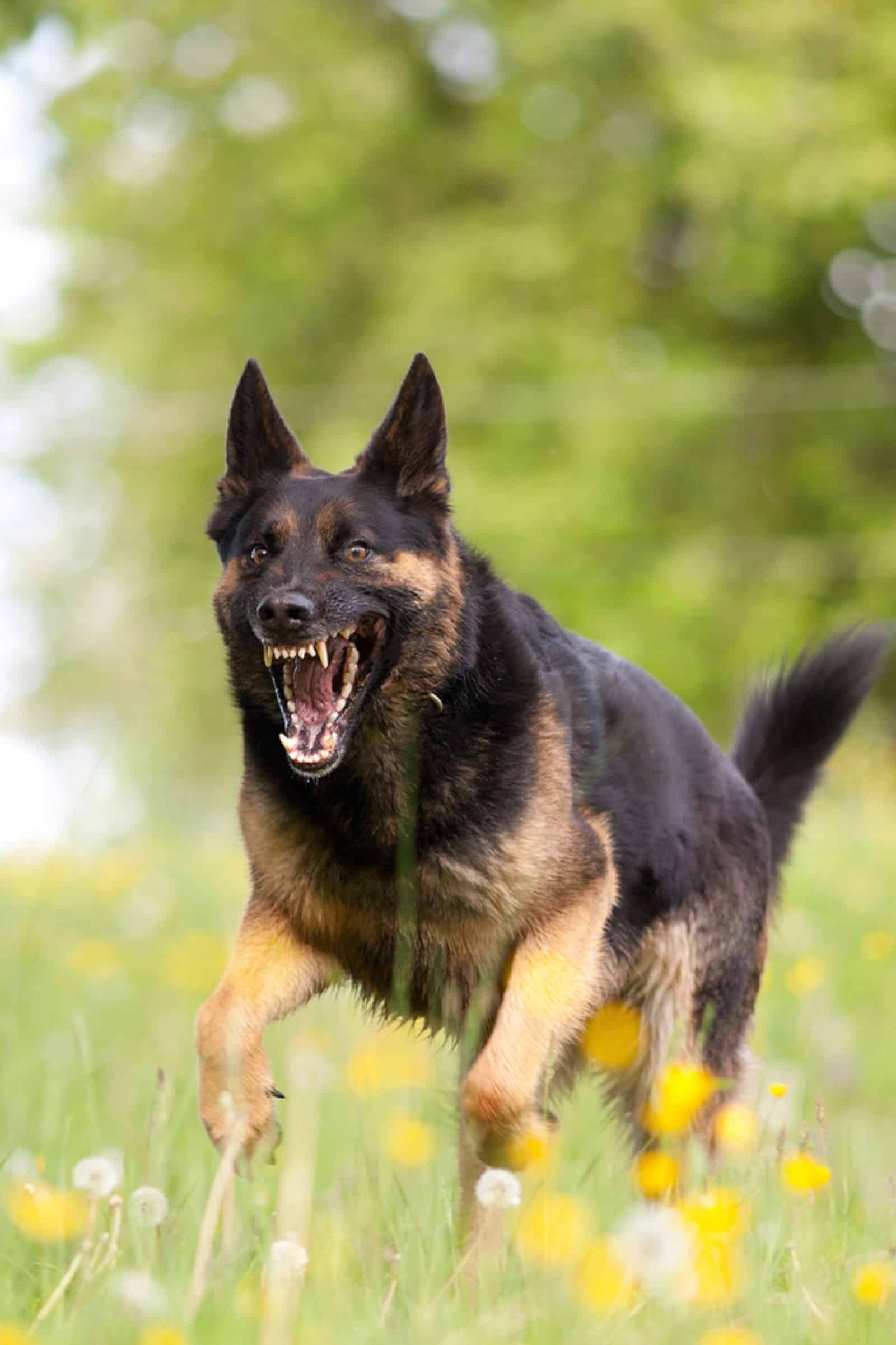
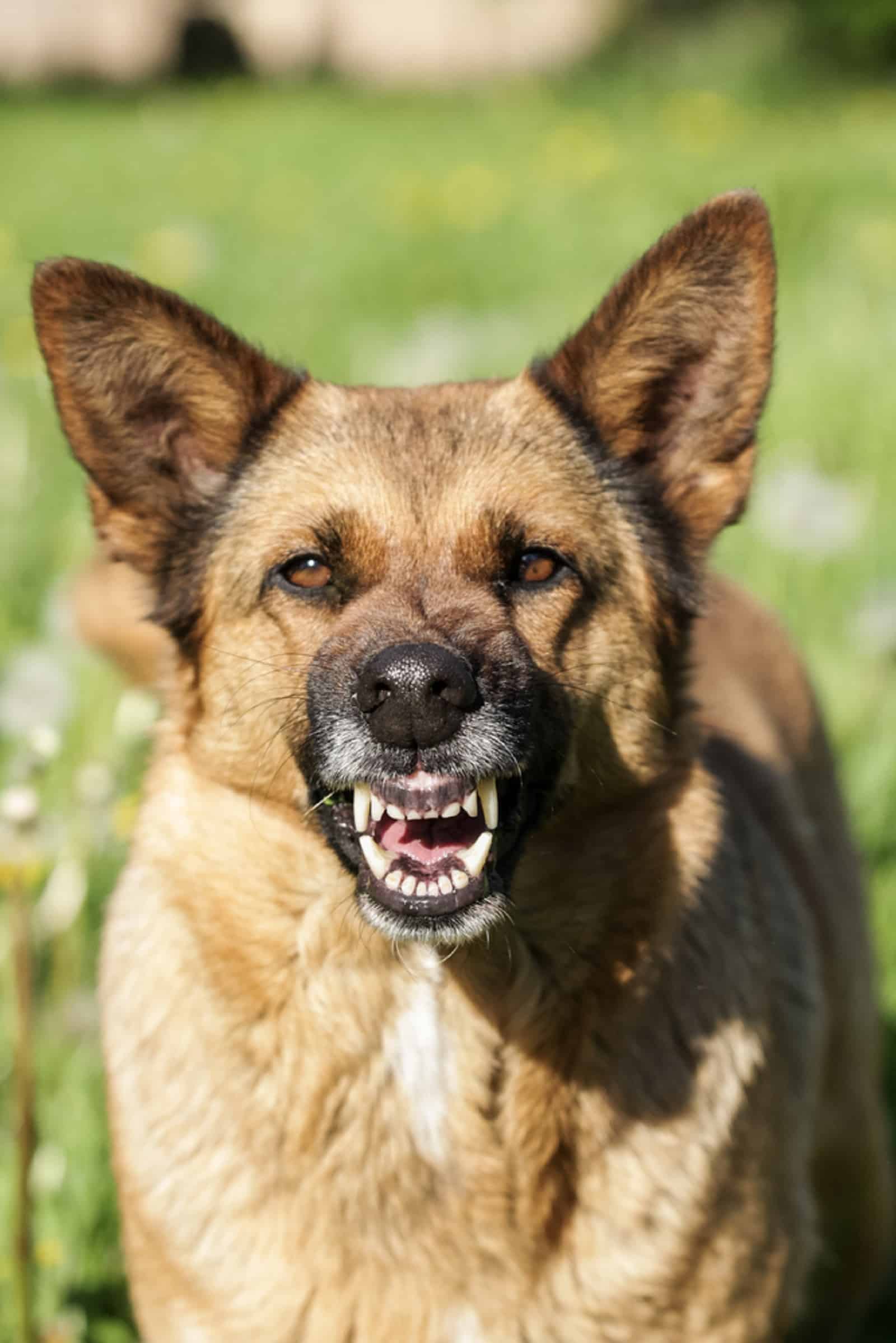
Developed historically for guarding livestock and property, this iconic heritage breed naturally exhibits heightened territorial awareness compared to companion-focused groups. Such strong protective instincts mean that unfamiliar stimuli or perceived intrusions easily elicit vocal responses if early socialization was incomplete. Young adults passing through developmental fear periods may also test their boundaries through vocal expression, requiring gentle guidance rather than harsh reprimands. Evaluating individual temperament alongside breed heritage allows owners to tailor their environmental management strategies to suit the specific dog’s psychological makeup. Comprehensive insights into various lineages are readily available through specialized guides on Dog Breeds.
Professional behavioral intervention becomes mandatory when vocal warnings escalate toward unprovoked snapping or unmanageable household tension.
Consulting a certified applied animal behaviorist or a veterinary behaviorist ensures that complex aggression cases receive expert, medically sound evaluation. Underlying physical discomfort, such as hidden joint pain or neurological issues, frequently manifests as sudden behavioral shifts, making a thorough medical check essential. A qualified veterinarian will rule out physiological pain before any behavior modification plan is implemented. Ignoring escalating warning signs places both human family members and visitors at risk, highlighting the importance of timely, professional support. Integrating expert advice with guidance found on Dog Health platforms secures a holistic approach to animal wellness.
Embracing transparent communication and positive reinforcement ensures a harmonious and safe coexistence for every household member.
Interpreting a canine’s vocalizations accurately represents an act of profound empathy that strengthens the bond between human and animal. By respecting these auditory signals as requests for space or indicators of stress, guardians build a foundation of enduring trust. Continuous education and mindful management transform challenging behaviors into opportunities for deeper connection and mutual respect. Discover more expert resources and educational articles by visiting PetsAnimalsWorld.com today.




