
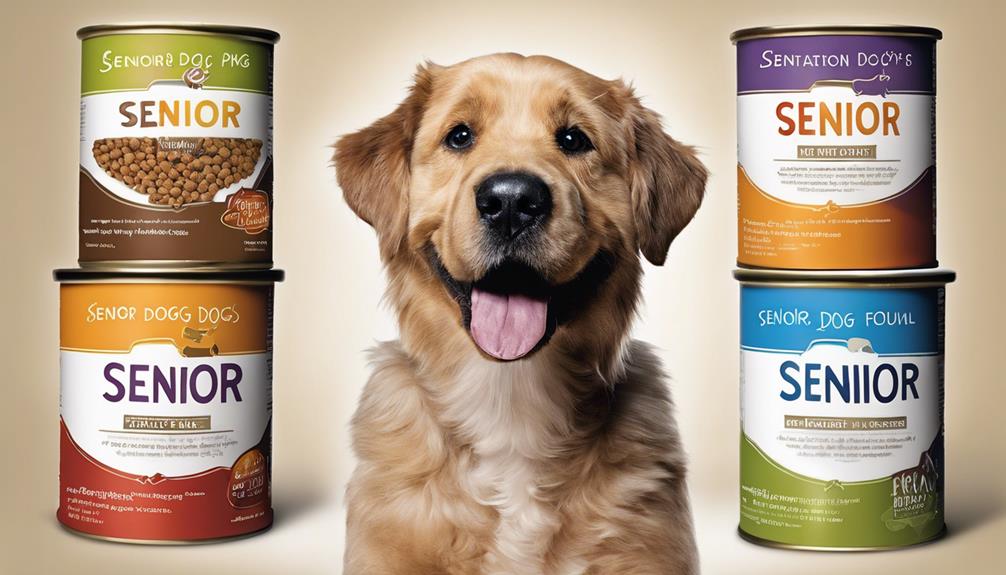
Introduction
As dogs transition from their vibrant adult years into the golden age of seniority, their nutritional requirements undergo significant changes. Understanding what constitutes good dog food for senior dogs is paramount for ensuring their continued health, vitality, and comfort. This crucial aspect of canine care often becomes a primary concern for owners as their beloved companions begin to show signs of aging, typically around seven years of age for larger breeds and closer to ten for smaller ones. Recognizing the specific dietary needs of an older dog and adapting their food accordingly can profoundly impact their overall well-being, helping to manage age-related conditions, maintain a healthy weight, and support vital organ function, thereby enhancing their quality of life during these precious later years.
💡 Pet Care Key Takeaways:
- Core Focus: Practical health, nutrition, and wellness guidelines for Good Dog Food For Senior Dogs.
- Target Scope: Pet owners, animal caregivers, and veterinary support staff.
- Best Recommendation: Maintain consistent daily routines and consult an accredited veterinarian before introducing major diet or medical changes.
Common Causes and Key Factors
The necessity for specialized senior dog food arises from a complex interplay of physiological changes inherent to aging. As dogs mature, their metabolism generally slows, leading to a reduced caloric need even with similar activity levels. This metabolic shift makes weight management a critical factor, as obesity can exacerbate conditions like arthritis and cardiovascular disease. For more related activities, check out our Pitbullnutrition.
Furthermore, senior dogs often experience a decrease in muscle mass, necessitating a diet with appropriate protein levels to help maintain lean body mass without overtaxing kidneys. Joint health becomes another significant concern, with cartilage wearing down over time, making supplements like glucosamine and chondroitin beneficial. Digestive efficiency can also decline, requiring easily digestible ingredients and often increased fiber to promote regularity. Dental issues, such as tooth loss or gum disease, can make chewing difficult, influencing the preferred texture of food. Finally, weakened immune systems and declining organ function, particularly in the kidneys and liver, necessitate diets formulated to support these systems with controlled levels of phosphorus and sodium, alongside beneficial antioxidants.
Signs and Symptoms to Observe
Observing a senior dog for specific signs and symptoms provides valuable insights into whether their current diet is meeting their changing needs. One of the most apparent indicators is a change in body condition, such as unintentional weight gain or loss. A dull, dry, or thinning coat can also signal nutritional deficiencies, as can excessive shedding.
Reduced energy levels, increased lethargy, or a general decrease in activity may indicate that a dog is not receiving adequate energy or is experiencing discomfort from conditions like joint pain, which can be mitigated by specific dietary components. Digestive upset, including frequent vomiting, diarrhea, or constipation, suggests a potential issue with food digestibility or ingredient sensitivities. Dogs struggling to chew their food, perhaps dropping pieces or showing reluctance to eat, might require a softer kibble or a wet food option. Furthermore, changes in thirst or urination patterns, though subtle, can sometimes point to underlying health issues that a specialized diet could help manage. These signs can vary based on the dog’s breed size and individual health history, emphasizing the importance of diligent observation.
Practical Solutions and Management Strategies
Selecting good dog food for senior dogs involves considering several key nutritional adjustments. The ideal senior diet typically features a moderate reduction in calories to prevent weight gain, paired with a slightly increased or maintained level of high-quality, digestible protein to support muscle mass without overworking the kidneys. Fat content is usually moderated to manage calories and aid digestion, while fiber levels are often increased to support bowel regularity and satiety.
Look for ingredients known to support common senior dog issues. Glucosamine and chondroitin are crucial for joint health, helping to maintain cartilage and reduce inflammation. Omega-3 fatty acids, particularly EPA and DHA from fish oil, contribute to brain health, reduce inflammation, and promote a healthy skin and coat. Antioxidants like vitamins E and C, selenium, and beta-carotene can help combat cellular damage and bolster the immune system. When transitioning to a new senior formula, it is essential to do so gradually over 7-10 days, mixing increasing amounts of the new food with decreasing amounts of the old to prevent digestive upset. Portion control, aligned with the dog’s activity level and veterinarian’s recommendations, is also vital. Multiple smaller meals throughout the day can sometimes be more manageable for a senior dog’s digestive system than one or two large ones.
When Professional Help May Be Needed
While informed dietary changes can significantly benefit a senior dog, there are situations where professional veterinary consultation becomes indispensable. If a dog experiences sudden or unexplained weight loss or gain, persistent digestive issues, or noticeable changes in behavior or energy levels despite dietary adjustments, a veterinary visit is strongly recommended. These symptoms could indicate underlying medical conditions that require diagnosis and specific therapeutic management beyond simply changing food.
Furthermore, dogs with pre-existing conditions such as kidney disease, liver disease, diabetes, or severe arthritis may require prescription diets specifically formulated to manage these health challenges. A veterinarian can conduct comprehensive examinations, blood tests, and other diagnostics to accurately assess a dog’s health status and recommend the most appropriate and beneficial dietary plan. This professional guidance ensures that nutritional interventions are not only safe but also optimally tailored to support the individual needs of each senior dog, maximizing their comfort and longevity.
Conclusion
The journey through a dog’s senior years is a special one, and providing good dog food for senior dogs is a cornerstone of responsible and compassionate care. Understanding the distinct nutritional requirements of an aging canine, from changes in metabolism to the need for joint and immune support, empowers owners to make informed dietary choices. Consistent observation of a dog’s physical condition and behavior allows for timely adjustments, ensuring their diet continues to meet their evolving needs. By prioritizing appropriate nutrition and seeking veterinary advice when necessary, owners can significantly contribute to their senior dog’s health, happiness, and overall quality of life, cherishing every moment of these cherished later years.
Pet Care & Wellness Overview Table
| Life Stage | Daily Activity Level | Key Nutrition / Care Focus |
|---|---|---|
| Puppy / Kitten | High (frequent short bursts) | High-protein growth diet & early socialization |
| Adult Companion | Moderate (30–60 mins daily) | Balanced maintenance nutrition & dental hygiene |
| Senior Pets | Low to Gentle (mindful walks) | Joint support (Glucosamine) & routine vet checks |
Images References




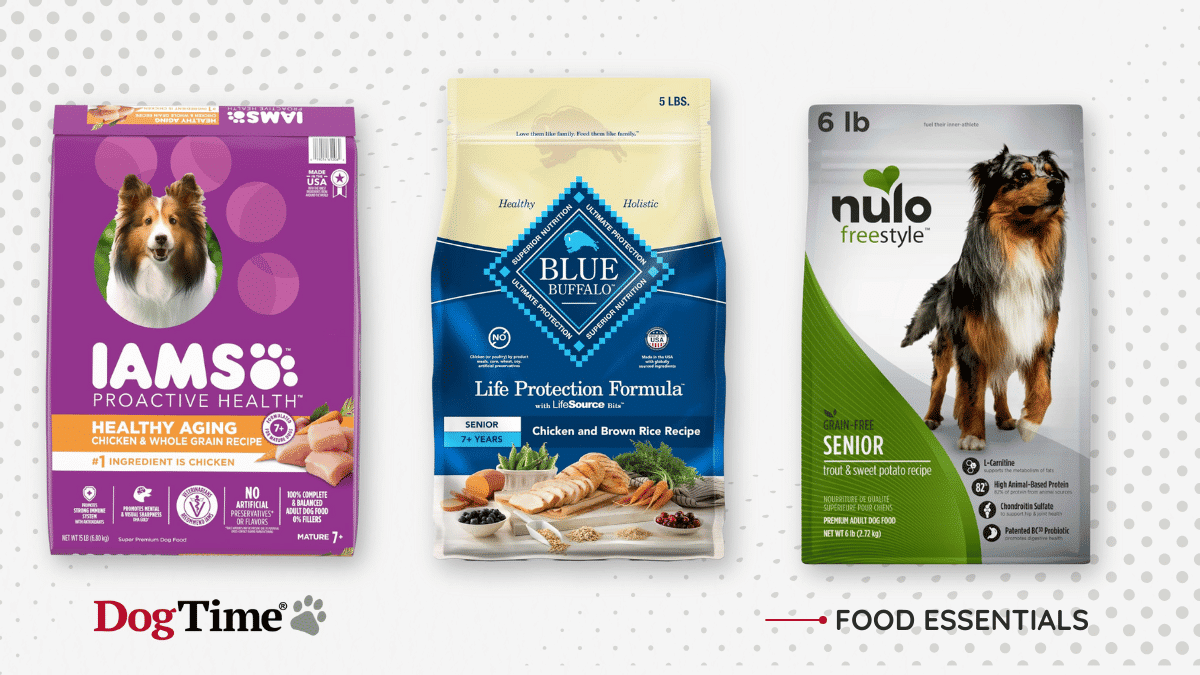


For more expert pet care tips and advice, check out our dedicated Dog Nutrition guides to keep your companions healthy and happy.




