
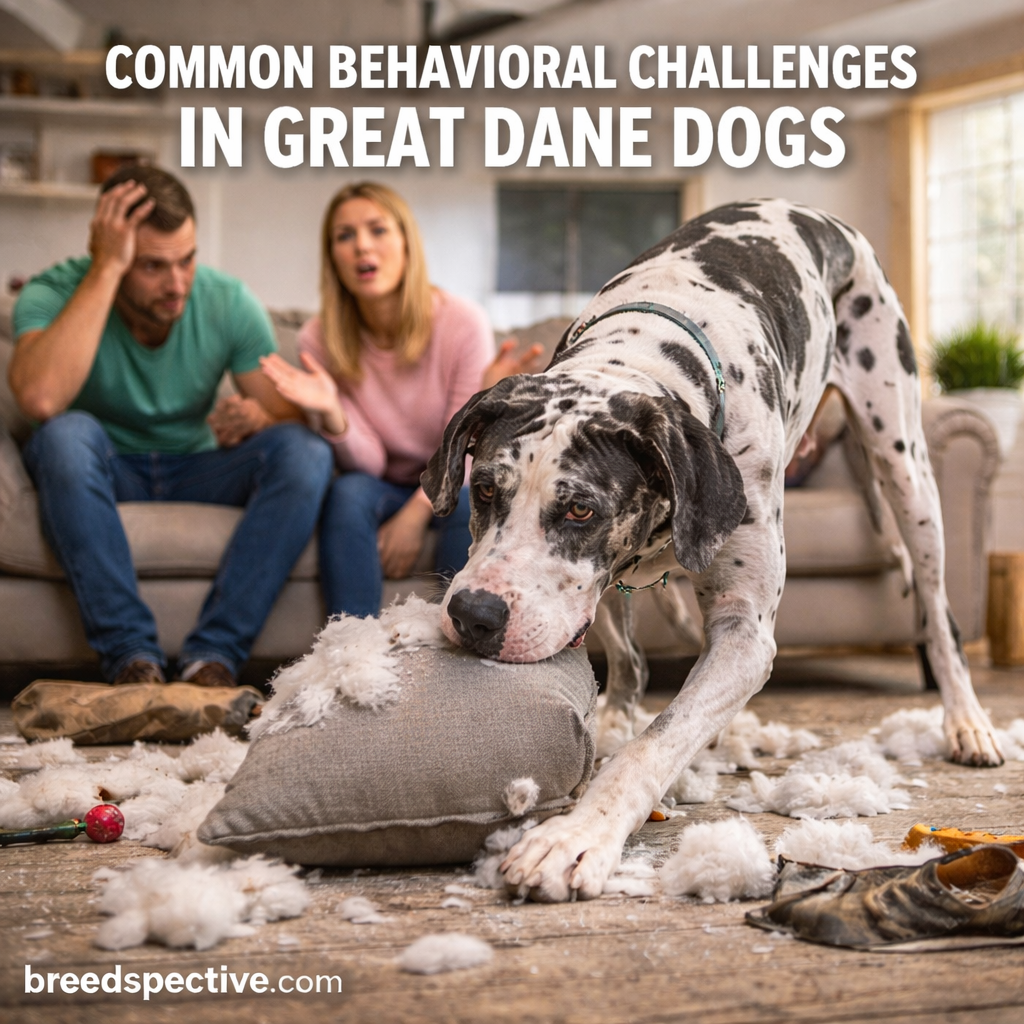
Understanding the unique behavioral landscape of the gentle giant requires looking past the sheer physical size to understand canine psychology.
According to the American Kennel Club, large dog breeds require early socialization and consistent guidance to ensure well-adjusted adult temperaments. When a dog reaches massive proportions, even minor misbehaviors can quickly escalate into safety concerns for the household. In professional behavior consultations, households often report feeling overwhelmed not by malice, but by sheer enthusiastic clumsiness. Understanding the root causes of canine conduct patterns allows caregivers to foster a harmonious living environment. Navigating these challenges successfully involves patience, structure, and positive reinforcement techniques rather than punitive measures.
💡 Pet Care Key Takeaways:
- Core Focus: Practical health, nutrition, and wellness guidelines for Great Dane Behavioral Problems.
- Target Scope: Pet owners, animal caregivers, and veterinary support staff.
- Best Recommendation: Maintain consistent daily routines and consult an accredited veterinarian before introducing major diet or medical changes.
Great dane behavioral problems typically stem from a combination of rapid physical growth, sensitivity, and protective instincts.
Defined as physical or reactive actions that disrupt domestic life or pose safety risks, these issues often manifest as separation anxiety, leash pulling, or jumping. Because these dogs mature mentally much slower than their bodies grow—often remaining puppy-like until two or three years of age—they frequently forget their immense physical power. During clinical assessments, an adolescent giant leaning heavily against a handler’s legs is frequently observed, a posture driven by deep-seated insecurity rather than dominance. Recognizing that these patterns usually arise from fear, over-arousal, or confusion transforms how handlers approach modification.
Addressing these behavioral quirks early prevents minor puppy habits from developing into unmanageable adult liabilities.
Left unaddressed, adolescent exuberance can lead to accidental property damage, severe pulling during walks, or fearful reactivity toward unfamiliar people and animals. Furthermore, chronic stress or separation anxiety can trigger destructive chewing, which poses serious gastrointestinal risks if foreign objects are ingested. Consistent routine establishment acts as a protective buffer against canine anxiety. Consequently, implementing structured daily boundaries safeguards both the emotional well-being of the animal and the physical safety of the family.
Behavioral issues in giant breeds frequently stem from developmental mismatches between rapid physical growth and emotional maturity — American Kennel Club
Managing and resolving these conduct hurdles requires a blend of positive reinforcement, mental stimulation, and environmental management.
Successful behavior modification relies on rewarding calm, focused actions while ignoring or redirecting unwanted displays. Desensitization protocols work wonders for fear-based reactivity, helping the animal build confidence in unfamiliar settings. Rather than forcing compliance, modern behaviorists recommend utilizing high-value rewards to capture and reinforce desired responses. Integrating structured obedience sessions into daily routines channels the natural working heritage of dog breeds into productive outlets.
Avoiding common pitfalls during training ensures long-term behavioral stability and preserves the trusting bond between handler and animal.
One frequent misstep involves using dominance-based techniques or harsh corrections, which can escalate fear and trigger defensive aggression in sensitive giants. Additionally, inconsistent rule enforcement confuses the learner, slowing down the acquisition of reliable manners. Handlers should also avoid isolating an anxious dog, as forced independence often worsens distress-related behaviors. Establishing predictable daily patterns creates a secure framework where positive habits can take root naturally.
Positive reinforcement training methods significantly reduce stress-related responses in large working dogs compared to aversive techniques — Association of Professional Dog Trainers
Pet Care & Wellness Overview Table
| Life Stage | Daily Activity Level | Key Nutrition / Care Focus |
|---|---|---|
| Puppy / Kitten | High (frequent short bursts) | High-protein growth diet & early socialization |
| Adult Companion | Moderate (30–60 mins daily) | Balanced maintenance nutrition & dental hygiene |
| Senior Pets | Low to Gentle (mindful walks) | Joint support (Glucosamine) & routine vet checks |
Images References


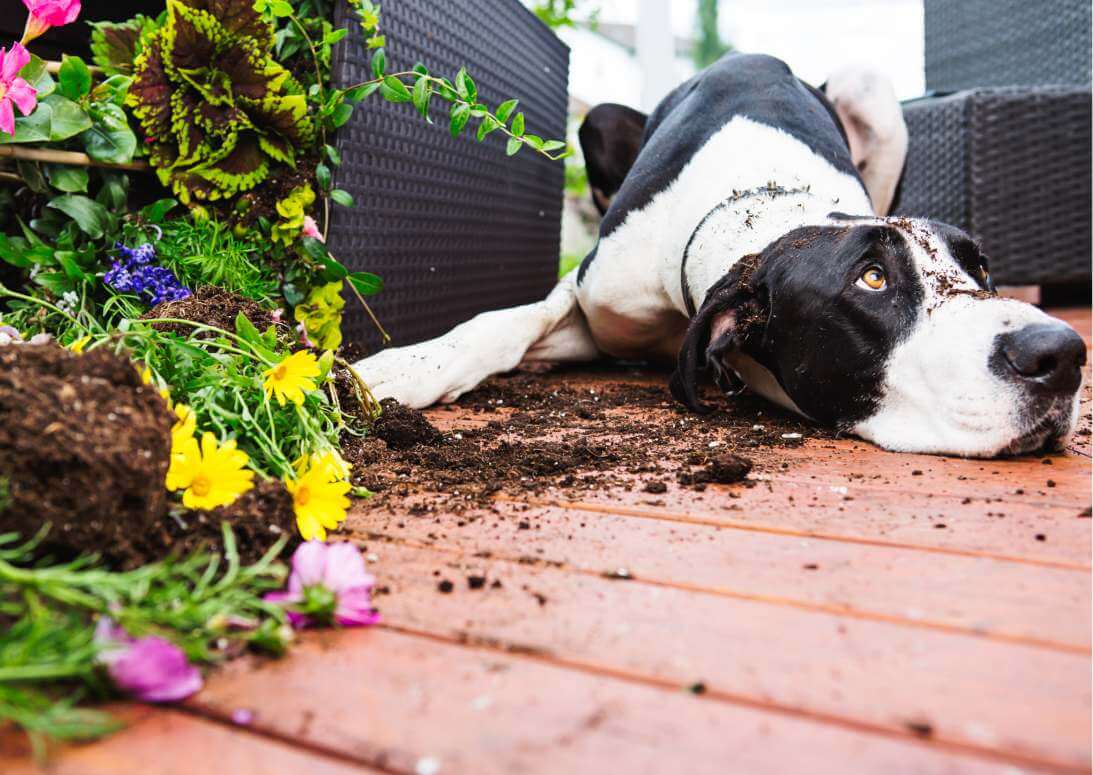


Breed-specific traits such as deep attachments to human companions and guardian tendencies heavily influence how these animals respond to their environment.
Originally bred for guarding and large-game hunting, these gentle giants retain a natural watchfulness that requires careful channeling through socialization. Because they bond intensely with their families, extended periods of isolation can trigger profound distress, leading to frantic pacing or vocalization. Recognizing that their imposing bark often masks a sensitive, people-pleasing heart helps shape a more empathetic approach to Dog Behavior modification. Providing adequate physical space and comfortable resting areas also minimizes joint discomfort that can otherwise contribute to irritability.
Professional intervention from a certified behaviorist or veterinarian becomes necessary when behavioral changes appear suddenly or involve intense fear and aggression.
Sudden shifts in temperament often signal an underlying medical condition, such as painful hip dysplasia or neurological discomfort, requiring a thorough veterinary evaluation. For severe anxiety, resource guarding, or reactivity, consulting a veterinary behaviorist ensures that a safe, scientifically sound modification plan is implemented. According to the American Society for the Prevention of Cruelty to Animals, professional guidance should always prioritize humane, fear-free methods over outdated punitive practices. Early expert intervention prevents entrenched patterns from becoming permanent fixtures of daily life.
Dedicated caregivers who invest time into proper socialization, clear communication, and compassionate guidance are rewarded with loyal, steady companions. Exploring comprehensive resources available across PetsAnimalsWorld.com offers additional insights into maintaining overall canine wellness. For further guidance on daily upkeep, dietary needs, and medical safety, consult specialized guides dedicated to Dog Care and Dog Health. Embracing patience and understanding ensures that living with a magnificent giant remains a deeply rewarding experience for all involved.




