

Introduction
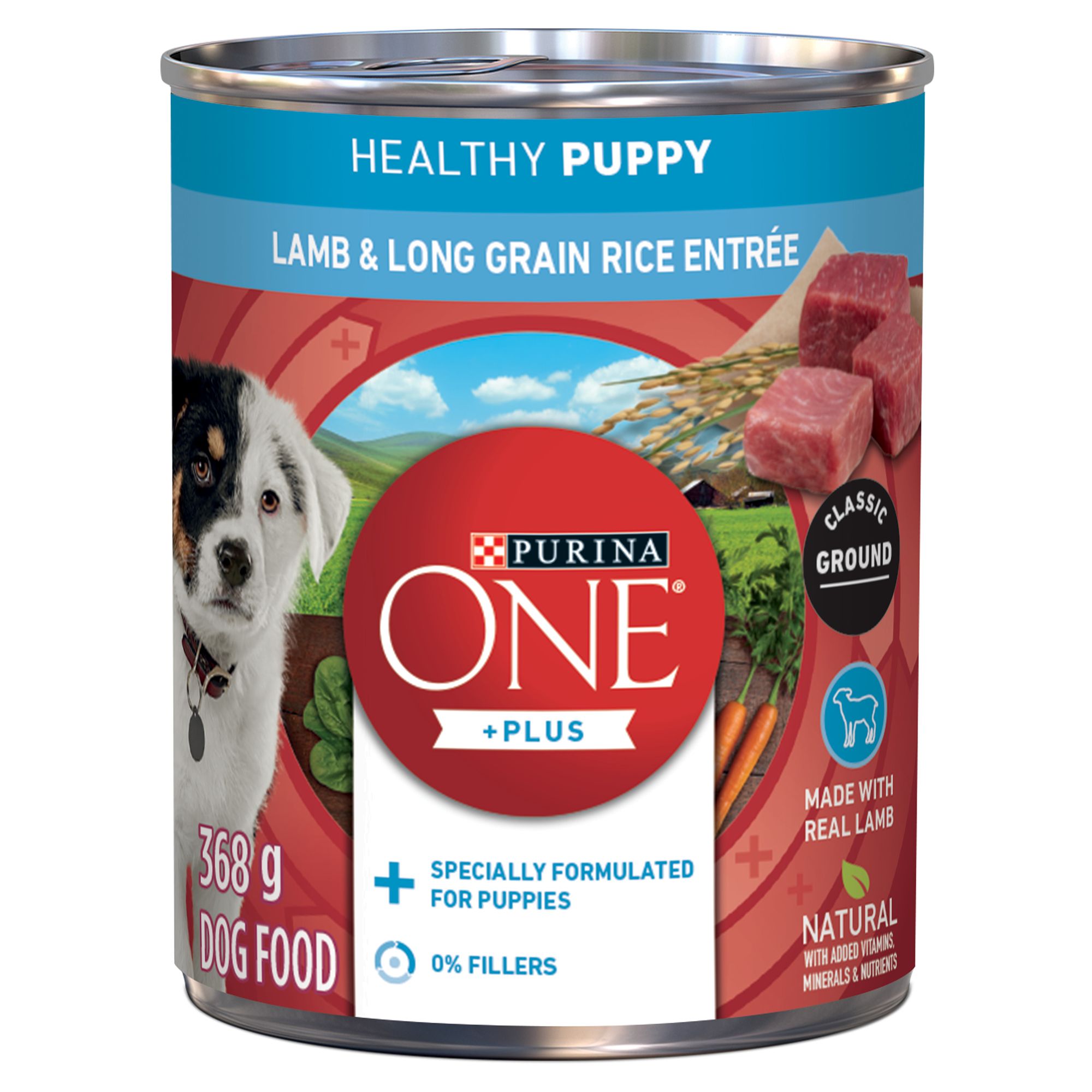
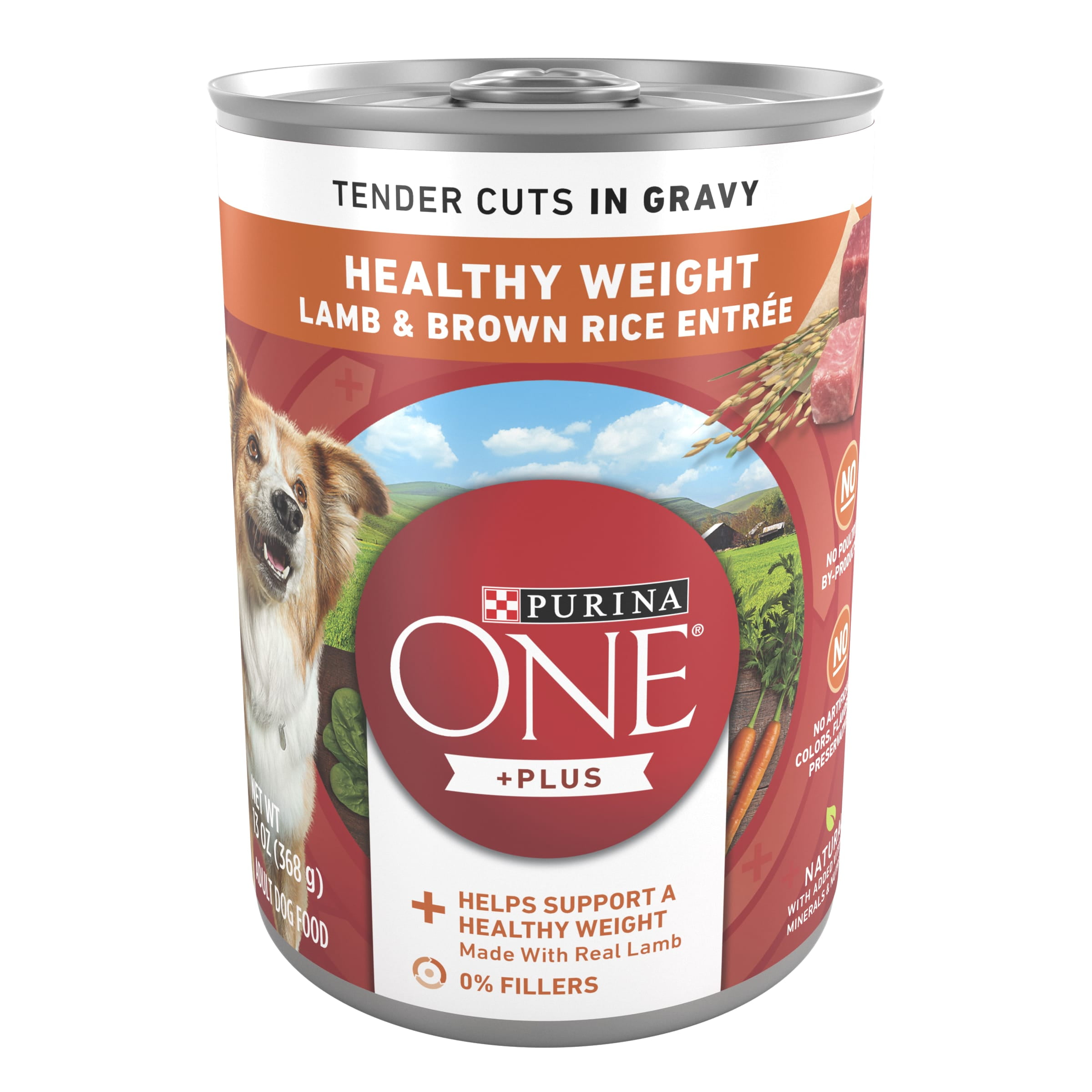
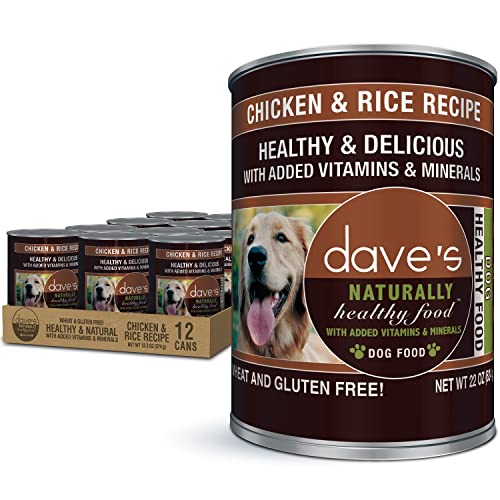
Understanding what constitutes “healthy canned dog food” is fundamental for any dedicated dog owner seeking to optimize their companion’s well-being. This specific category of dog food refers to formulations meticulously crafted to provide complete and balanced nutrition, often featuring high-quality, digestible ingredients, and a significant moisture content. Its importance stems from its potential to profoundly impact a dog’s overall health, hydration levels, and enjoyment of mealtimes. For many dogs, particularly those with specific dietary needs, dental issues, or simply a discerning palate, healthy canned food can be a game-changer. By delving into the characteristics and benefits of such diets, owners can make informed choices that contribute significantly to their dogs vitality, a healthy coat, sustained energy, and an improved quality of life.
💡 Pet Care Key Takeaways:
- Core Focus: Practical health, nutrition, and wellness guidelines for Healthy Canned Dog Food.
- Target Scope: Pet owners, animal caregivers, and veterinary support staff.
- Best Recommendation: Maintain consistent daily routines and consult an accredited veterinarian before introducing major diet or medical changes.
Key Characteristics and Nutritional Benefits
The selection of healthy canned dog food is guided by several critical factors that differentiate it from other dietary options. A primary characteristic is its high moisture content, typically ranging from 70-85%. This is a significant advantage, particularly for dogs that do not drink enough water, as it contributes substantially to overall hydration, supporting kidney function and urinary tract health. Another crucial aspect is the quality of ingredients. Healthy canned options prioritize whole, named protein sources (e.g., chicken, beef, salmon) as the primary components, often listed first on the ingredient panel. These protein sources are vital for muscle maintenance, tissue repair, and overall energy. For more related activities, check out our Signs Of A Deaf Dog Behavior Problems And Solutions.
Furthermore, well-formulated canned dog foods often contain easily digestible carbohydrates like sweet potatoes or peas, alongside essential fats (such as omega-3 and omega-6 fatty acids) that promote healthy skin and a shiny coat. They are typically fortified with a balanced array of vitamins, minerals, and antioxidants to support immune function and cellular health. Unlike some lesser-quality foods, healthy canned varieties generally avoid artificial colors, flavors, preservatives, and unnecessary fillers like corn, soy, or wheat, which can be common allergens or difficult for some dogs to digest. The palatability of canned food is also a notable benefit; its rich aroma and soft texture often appeal strongly to picky eaters, older dogs with dental challenges, or those with a decreased appetite due to illness.
Observable Benefits and Wellness Indicators
The positive effects of feeding a dog high-quality canned food can often be observed through various physical and behavioral indicators. One of the most immediate signs is improved hydration, evidenced by regular urination and generally healthier urine concentration. Dogs consuming adequate moisture tend to exhibit better overall systemic function.
Another visible benefit often manifests in coat and skin health. The inclusion of essential fatty acids, combined with superior hydration, can lead to a noticeably shinier, softer coat and reduced issues like dry skin, flakiness, or excessive shedding. Internally, a dog fed a healthy canned diet may demonstrate better digestive health, characterized by consistent, well-formed stools and reduced instances of constipation, diarrhea, or excessive flatulence. This is often due to the highly digestible nature of the ingredients and appropriate fiber levels.
Furthermore, dogs may display enhanced energy levels and vitality as their nutritional needs are adequately met, leading to more active play and sustained engagement. For finicky eaters or dogs recovering from illness, a noticeable increase in appetite and eagerness at meal times is a common and welcome observation. In older dogs or those with dental sensitivities, the softer texture allows for easier consumption, preventing discomfort and ensuring continued nutrient intake. These positive changes underscore the importance of selecting nutritious food options.
Practical Solutions and Management Strategies
Selecting and incorporating healthy canned dog food into a dog’s diet requires thoughtful consideration to maximize its benefits. The initial step involves meticulous label reading. Owners should look for a clear AAFCO (Association of American Feed Control Officials) or equivalent regulatory statement (like FEDIAF in Europe) indicating the food is “complete and balanced” for the dog’s specific life stage (e.g., puppy, adult, senior, all life stages). The ingredient list should primarily feature whole, identifiable protein sources (e.g., “chicken” not “meat meal”) at the top, followed by beneficial vegetables, fruits, and healthy fats. Avoid products with excessive fillers, artificial colors, flavors, or preservatives.
Consideration of individual dog needs is paramount. Factors such as age, breed, activity level, existing health conditions, and potential allergies should influence the choice of formula. For instance, a highly active dog may require a higher calorie density, while a dog with kidney issues might benefit from specific protein and phosphorus levels. Proper portion control is essential to prevent overfeeding or underfeeding; owners should adhere to feeding guidelines on the can, adjusting based on the dog’s activity and body condition score.
Many owners choose to mix canned food with dry kibble, a strategy that can combine the dental benefits of kibble with the palatability and hydration of canned food, often at a more economical price point. When transitioning to a new canned food, it is important to do so gradually over 7-10 days, mixing increasing amounts of the new food with decreasing amounts of the old to prevent digestive upset. Finally, correct storage and handling are crucial; unopened cans should be stored in a cool, dry place, and once opened, any unused portion must be refrigerated in an airtight container and consumed within 2-3 days to maintain freshness and prevent bacterial growth.
When Professional Help May Be Needed
While the transition to or inclusion of healthy canned dog food can yield significant benefits, certain situations warrant professional veterinary consultation. If a dog experiences persistent digestive upset (such as chronic diarrhea, vomiting, or severe gas) despite dietary changes, it could indicate an underlying medical condition or a specific intolerance that requires veterinary diagnosis and treatment. Similarly, suspected food allergies or intolerances, manifested by skin irritation, chronic ear infections, or recurring gastrointestinal issues, necessitate veterinary guidance for proper elimination diet trials and management.
Dogs with existing specific health conditions like kidney disease, liver disease, diabetes, or pancreatitis require highly specialized dietary management. In these cases, a veterinarian’s expertise is indispensable to select an appropriate therapeutic diet, which might include specific canned formulations designed to support organ function. Owners facing challenges with weight management, whether a dog is significantly overweight or underweight, despite careful dietary adjustments, should also seek professional advice. A veterinarian can help determine the root cause, rule out medical issues, and formulate a precise feeding plan. Any concerns about potential nutritional deficiencies or if a dog is simply not thriving on a seemingly appropriate diet also warrants a professional evaluation to ensure all nutritional needs are being met.
Conclusion
The deliberate choice of “healthy canned dog food” represents a thoughtful commitment to a dog’s nutritional well-being. This dietary approach offers significant advantages, including superior hydration, enhanced palatability, and the delivery of highly digestible, nutrient-dense ingredients. By understanding key characteristics such as high moisture content and quality protein sources, owners can make informed decisions that directly contribute to their dog’s vitality. Observing positive changes like a lustrous coat, robust energy levels, and optimal digestive function serves as a testament to these beneficial choices. Consistent vigilance in label reading, an awareness of individual canine needs, and a readiness to seek veterinary guidance when necessary are all integral parts of ensuring a dog thrives on a balanced and appropriate diet. Through these diligent efforts, owners can confidently provide a foundation for a long, healthy, and happy life for their cherished companions.
Pet Care & Wellness Overview Table
| Life Stage | Daily Activity Level | Key Nutrition / Care Focus |
|---|---|---|
| Puppy / Kitten | High (frequent short bursts) | High-protein growth diet & early socialization |
| Adult Companion | Moderate (30–60 mins daily) | Balanced maintenance nutrition & dental hygiene |
| Senior Pets | Low to Gentle (mindful walks) | Joint support (Glucosamine) & routine vet checks |
Images References




For more expert pet care tips and advice, check out our dedicated Dog Health guides to keep your companions healthy and happy.




