

Introduction
As dogs transition into their golden years, their nutritional needs undergo significant changes. Understanding the concept of healthy dog food for senior dogs is paramount for guardians seeking to support their aging companions effectively. This specialized nutrition is not merely about reducing calorie intake; it encompasses a holistic approach to address common age-related challenges such as declining metabolism, joint deterioration, dental issues, and diminished organ function. Recognizing when a dog enters its senior phasetypically around seven years of age, though it varies by breed and sizeand adjusting its diet accordingly can dramatically improve its overall well-being, mitigate the progression of age-related ailments, and enhance its quality of life during this crucial stage. Providing appropriate sustenance helps maintain muscle mass, supports cognitive function, and keeps energy levels stable, fostering a happier, healthier senior dog.
💡 Pet Care Key Takeaways:
- Core Focus: Practical health, nutrition, and wellness guidelines for Healthy Dog Food For Senior Dogs.
- Target Scope: Pet owners, animal caregivers, and veterinary support staff.
- Best Recommendation: Maintain consistent daily routines and consult an accredited veterinarian before introducing major diet or medical changes.
Common Causes and Key Factors
The necessity for specialized healthy dog food for senior dogs stems from several physiological shifts inherent in the aging process. One primary factor is a slowdown in metabolism, which reduces caloric requirements even if activity levels remain consistent. Without dietary adjustments, this metabolic change can lead to unhealthy weight gain, exacerbating joint problems and placing undue stress on internal organs. For more related activities, check out our “Fortiflora” And “Gut Health”.
Furthermore, senior dogs often experience a decrease in muscle mass (sarcopenia) and a greater susceptibility to inflammation. Their digestive systems can become less efficient at absorbing nutrients, making highly digestible ingredients essential. Dental health frequently declines, leading to pain or difficulty chewing, which can make hard kibble challenging to consume. Kidney and heart functions may also begin to wane, requiring diets with carefully controlled levels of protein, phosphorus, and sodium to support these vital organs without overworking them. Cognitive decline, akin to dementia, is another consideration, with certain nutrients playing a role in brain health.
Signs and Symptoms to Observe
Observing subtle changes in a senior dog’s health or behavior can provide crucial clues about its current dietary adequacy and indicate the need for healthy dog food for senior dogs. One common indicator is a noticeable change in weight, either unexpected gain or unexplained loss. Weight gain often suggests an inappropriate calorie intake relative to a decreased metabolic rate and activity level, while weight loss could point to poor nutrient absorption or an underlying health issue.
Coat quality often deteriorates, appearing dull, dry, or excessively shedding, which can signal a lack of essential fatty acids or protein. Energy levels may decrease significantly, with increased lethargy or reluctance to engage in previously enjoyed activities. Digestive issues such as frequent vomiting, diarrhea, or constipation also indicate a diet unsuitable for a sensitive senior digestive system. Mobility changes, including stiffness, difficulty rising, or limping, can be exacerbated by excess weight or a lack of joint-supporting nutrients in the current food. Behavioral shifts like disorientation or changes in sleep patterns might also suggest a need for dietary ingredients supporting cognitive health.
Practical Solutions and Management Strategies
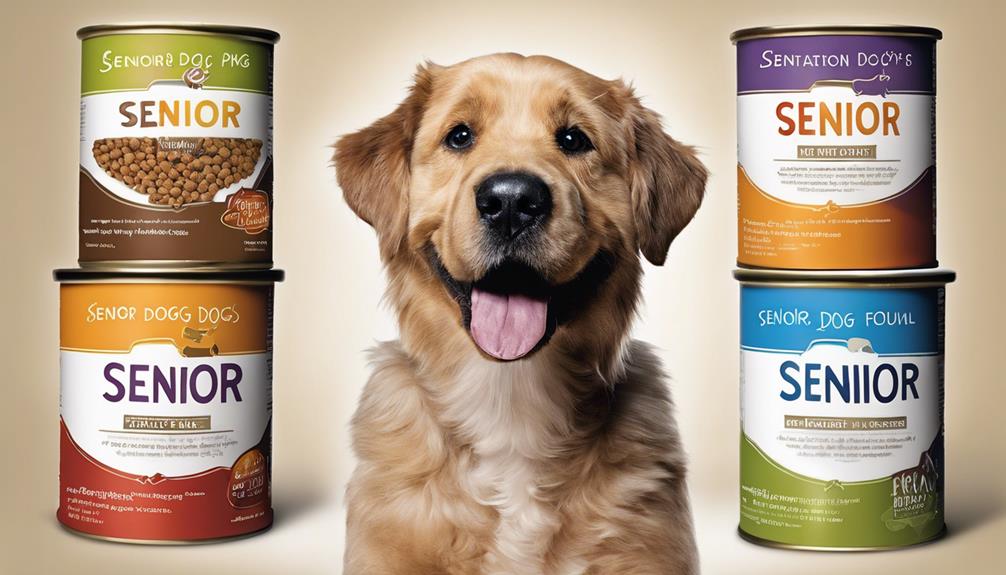
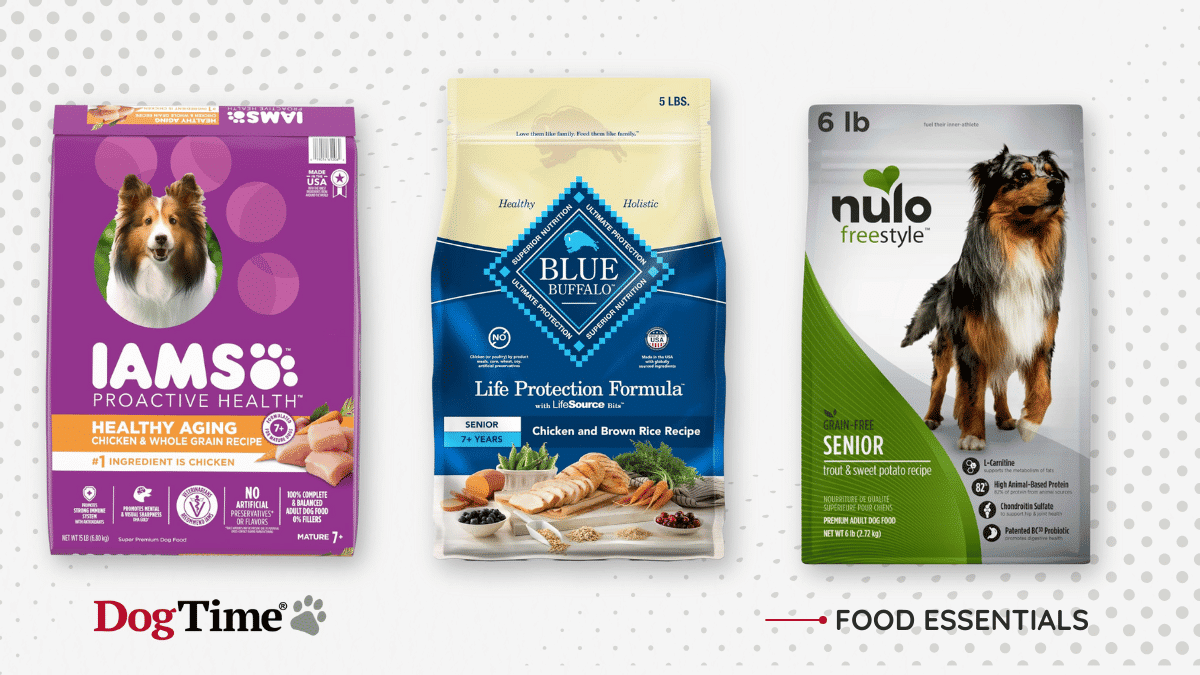
Implementing a regimen of healthy dog food for senior dogs involves thoughtful selection and consistent management. The first practical step is to transition gradually to a formula specifically designed for seniors. These foods typically feature fewer calories per serving to combat weight gain, higher quality protein to maintain muscle mass, and added nutrients beneficial for aging bodies.
Look for ingredients like glucosamine and chondroitin for joint support, omega-3 fatty acids (DHA and EPA) for brain and coat health, and antioxidants (vitamins E and C) to boost the immune system and combat cellular damage. Highly digestible ingredients are crucial to ensure maximum nutrient absorption. For dogs with dental issues, consider wet food, softened kibble, or smaller kibble sizes.
Feeding frequency may also need adjustment; some senior dogs benefit from smaller, more frequent meals to aid digestion and maintain stable blood sugar levels. Monitoring portion sizes meticulously, based on a dog’s ideal weight and activity, is essential. Regular weight checks can help ensure the dietary adjustments are effective. Furthermore, ensuring constant access to fresh water is vital, as senior dogs may be more prone to dehydration, especially if transitioning to a dryer kibble.
When Professional Help May Be Needed
While adjusting to healthy dog food for senior dogs can address many age-related issues, certain situations warrant immediate veterinary consultation. Any sudden or unexplained significant weight loss or gain, especially if coupled with a noticeable change in appetite or thirst, requires professional assessment. Persistent digestive problems, such as chronic vomiting or diarrhea, despite dietary changes, could indicate underlying medical conditions that necessitate diagnosis and treatment.
If a senior dog displays new or worsening mobility issues, increased pain, or exhibits unusual behavioral changes like severe disorientation or aggression, a veterinary check-up is advisable. Such signs could point to advanced joint disease, organ dysfunction, or cognitive decline that may require not only dietary modifications but also medication or specialized care plans. A veterinarian can help determine the most appropriate senior diet, taking into account individual health profiles, existing medical conditions, and specific breed requirements, ensuring the dietary approach is safe and beneficial.
Conclusion
The journey through a dog’s senior years can be rich and rewarding when supported by appropriate care, and a cornerstone of this care is the provision of healthy dog food for senior dogs. Understanding the distinct nutritional requirements of an aging canine and recognizing the signs that indicate a dietary shift is necessary empowers guardians to make informed choices. Consistent observation, proactive dietary adjustments, and a willingness to seek professional guidance when needed are crucial for ensuring a senior dog’s continued health and happiness. By prioritizing tailored nutrition, pet owners contribute significantly to their beloved companions’ comfort, vitality, and overall quality of life during their cherished golden years.
Pet Care & Wellness Overview Table
| Life Stage | Daily Activity Level | Key Nutrition / Care Focus |
|---|---|---|
| Puppy / Kitten | High (frequent short bursts) | High-protein growth diet & early socialization |
| Adult Companion | Moderate (30–60 mins daily) | Balanced maintenance nutrition & dental hygiene |
| Senior Pets | Low to Gentle (mindful walks) | Joint support (Glucosamine) & routine vet checks |
Images References




For more expert pet care tips and advice, check out our dedicated Dog Nutrition guides to keep your companions healthy and happy.




