

Introduction
The initial months of a dogs life are pivotal, shaping its growth, development, and overall health for years to come. During this critical period, providing optimal nutrition is paramount, making the concept of healthy puppy dog food a cornerstone of responsible pet ownership. This term encompasses much more than merely offering sustenance; it refers to carefully formulated diets designed to meet the unique and rapidly evolving nutritional demands of a growing canine. Understanding what constitutes a truly healthy diet for a puppy is essential, as proper nourishment supports robust skeletal development, a strong immune system, cognitive function, and sustained energy levels. Without appropriate food choices, puppies can face developmental challenges, impacting their long-term well-being and behavior. Equipping oneself with knowledge about healthy puppy dog food empowers owners to lay a strong foundation for a vibrant, happy, and long life for their canine companions.
💡 Pet Care Key Takeaways:
- Core Focus: Practical health, nutrition, and wellness guidelines for Healthy Puppy Dog Food.
- Target Scope: Pet owners, animal caregivers, and veterinary support staff.
- Best Recommendation: Maintain consistent daily routines and consult an accredited veterinarian before introducing major diet or medical changes.
Common Causes and Key Factors
Selecting healthy puppy dog food involves understanding the specific biological and developmental needs that distinguish puppies from adult dogs. A primary factor is the rapid growth rate experienced by puppies, which necessitates a diet rich in highly digestible proteins to support muscle development and tissue repair. Unlike adult dogs, puppies also require a higher caloric intake per pound of body weight to fuel their intense growth spurts and high energy levels. For more related activities, check out our Natural Balance Puppy Food Quantity Chart.
Key nutritional components include a balanced ratio of calcium and phosphorus, crucial for proper bone and teeth development. Imbalances in these minerals, particularly in large and giant breeds, can predispose puppies to orthopedic issues. Essential fatty acids, such as DHA (docosahexaenoic acid), play a vital role in brain and vision development, commonly sourced from fish oil.
The quality of ingredients profoundly impacts the healthfulness of puppy food. High-quality animal proteins (e.g., chicken, lamb, salmon) should be listed among the first ingredients. Complex carbohydrates provide sustained energy, while a blend of vitamins and minerals supports overall bodily functions and immune health. Conversely, foods containing excessive fillers, artificial colors, flavors, or by-products of low nutritional value do not constitute healthy puppy food, as they can lead to poor digestion and nutrient deficiencies. Therefore, understanding ingredient lists and ensuring the food meets recognized nutritional standards, such as those set by the Association of American Feed Control Officials (AAFCO), is a critical factor in selecting an appropriate diet.
Signs and Symptoms to Observe
A puppy thriving on healthy, appropriate dog food typically exhibits several observable signs of well-being, while a puppy consuming an inadequate diet may display concerning symptoms. One of the most telling indicators of good nutrition is a healthy growth rate, reflected in appropriate weight gain for the breed and age. A puppy that is consistently underweight or overweight might be receiving an imbalanced diet.
The condition of a puppys coat and skin offers another significant clue. A healthy coat appears shiny, soft, and free from excessive shedding or dandruff. Dry, brittle fur, dullness, or persistent skin flakiness can often point to nutritional deficiencies, particularly in essential fatty acids. Energy levels are also a reliable barometer; puppies should be playful and curious, with sustained energy throughout the day, interspersed with regular rest. Lethargy, extreme hyperactivity, or inconsistent energy spikes can sometimes be linked to dietary inadequacies or an overload of simple carbohydrates.
Digestive health is paramount. Stools should be firm, well-formed, and passed regularly. Chronic diarrhea, constipation, frequent vomiting, or excessive flatulence are clear indicators of digestive upset, potentially caused by food intolerances, poor ingredient quality, or an unsuitable formula. Furthermore, puppies on a healthy diet typically have bright, clear eyes and exhibit good oral health with strong, white teeth as they emerge. Any deviation from these norms warrants careful consideration of the puppys diet.
Practical Solutions and Management Strategies
Ensuring a puppy receives healthy dog food involves several practical strategies, beginning with the selection of a high-quality, life-stage-appropriate formula. Look for foods specifically labeled “puppy formula” or “all life stages” that explicitly state suitability for growing puppies, as these are formulated to meet the intensive nutritional needs of young canines. Carefully review the ingredient list; the first few ingredients should consist of named meat sources (e.g., chicken meal, lamb) rather than generic “meat by-products” or excessive fillers.
Choosing a food that aligns with the puppys breed size can also be beneficial, particularly for large and giant breeds. These specialized formulas often have adjusted calcium and phosphorus levels to support controlled growth, which helps prevent orthopedic problems later in life. Once a suitable food is chosen, adherence to feeding guidelines provided by the manufacturer, based on the puppys current weight and age, is crucial. These guidelines serve as a starting point and may need adjustment based on the individual puppys metabolism and activity level.
A consistent feeding schedule, typically two to three meals per day for younger puppies, promotes healthy digestion and helps establish a routine. When transitioning a puppy to a new food, whether upon adoption or due to dietary changes, a gradual introduction over 7-10 days is recommended. This involves mixing increasing amounts of the new food with decreasing amounts of the old food to prevent digestive upset. Always ensure fresh, clean water is accessible at all times to maintain proper hydration. Limiting treats and avoiding human food scraps, which can be nutritionally imbalanced or even toxic, also forms an integral part of a healthy dietary management strategy.
When Professional Help May Be Needed
While diligent observation and careful food selection can address many dietary concerns, there are specific situations where professional veterinary consultation becomes essential. Any persistent or severe digestive issues, such as chronic diarrhea, recurrent vomiting, or a complete refusal to eat, warrant immediate veterinary attention. These symptoms could indicate underlying medical conditions, severe food intolerances, or an inappropriate diet that requires expert assessment.
Significant or sudden changes in a puppys weighteither unexplained loss or rapid gaindespite appropriate feeding amounts, are also red flags. Such changes can signify metabolic issues, malabsorption, or an incorrect nutritional balance that requires a veterinarian’s evaluation. Similarly, sustained lethargy, unusual behavioral shifts, or a noticeably dull or unhealthy coat that does not improve with dietary adjustments should prompt a visit to the clinic.
For puppies exhibiting signs of skeletal problems, such as lameness, reluctance to play, or difficulty moving, prompt veterinary intervention is crucial. These issues can be particularly concerning in large and giant breeds, where incorrect calcium-phosphorus ratios or rapid growth from an unsuitable diet can exacerbate orthopedic conditions. A veterinarian can provide tailored dietary recommendations, perform diagnostic tests, and offer specific guidance for puppies with allergies, sensitivities, or pre-existing health conditions, ensuring their unique nutritional needs are met safely and effectively.
Conclusion
The journey of raising a healthy puppy is deeply intertwined with the quality of its diet. Prioritizing healthy puppy dog food sets the stage for a lifetime of vitality, robust health, and optimal development. Informed decisions regarding food selection, careful adherence to feeding guidelines, and consistent monitoring of a puppys well-being are all critical components of responsible ownership. By understanding the unique nutritional demands of growing canines and recognizing the signs of both healthy thriving and potential dietary issues, owners can proactively contribute to their puppy’s long-term welfare. A partnership with veterinary professionals offers invaluable support in navigating complex nutritional choices, ensuring every puppy receives the very best start in life. The investment in quality nutrition during these foundational months yields immeasurable rewards in the form of a happy, energetic, and healthy canine companion.
Pet Care & Wellness Overview Table
| Life Stage | Daily Activity Level | Key Nutrition / Care Focus |
|---|---|---|
| Puppy / Kitten | High (frequent short bursts) | High-protein growth diet & early socialization |
| Adult Companion | Moderate (30–60 mins daily) | Balanced maintenance nutrition & dental hygiene |
| Senior Pets | Low to Gentle (mindful walks) | Joint support (Glucosamine) & routine vet checks |
Images References
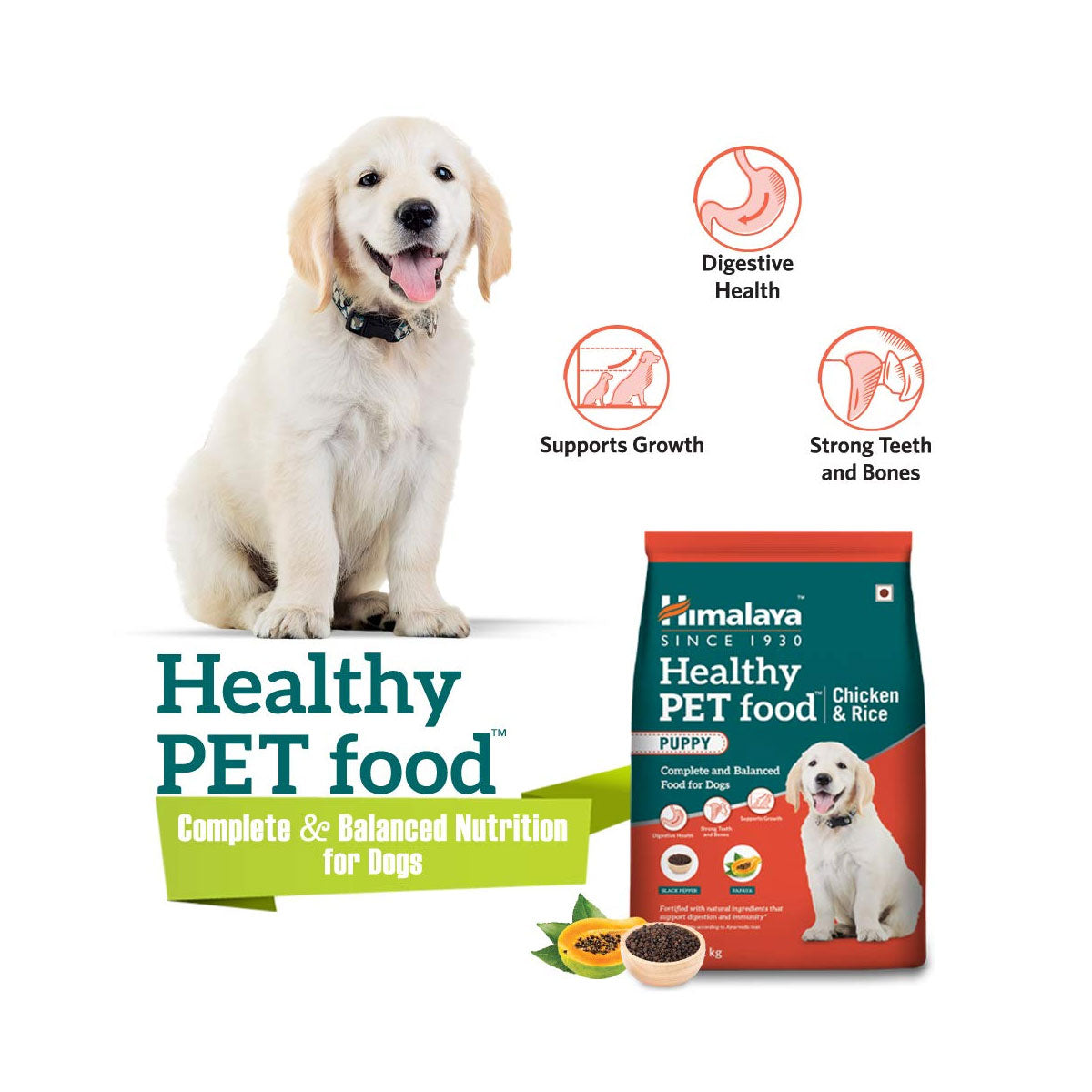


For more expert pet care tips and advice, check out our dedicated Dog Nutrition guides to keep your companions healthy and happy.




